New U.S. Envoy Arrives in Geneva as Global Diplomacy Faces Mounting Pressures
A newly appointed United States ambassador has formally assumed duties in Geneva, stepping into one of the most influential diplomatic postings in the international system at a time of heightened geopolitical tensions and growing uncertainty surrounding the future of multilateral institutions.
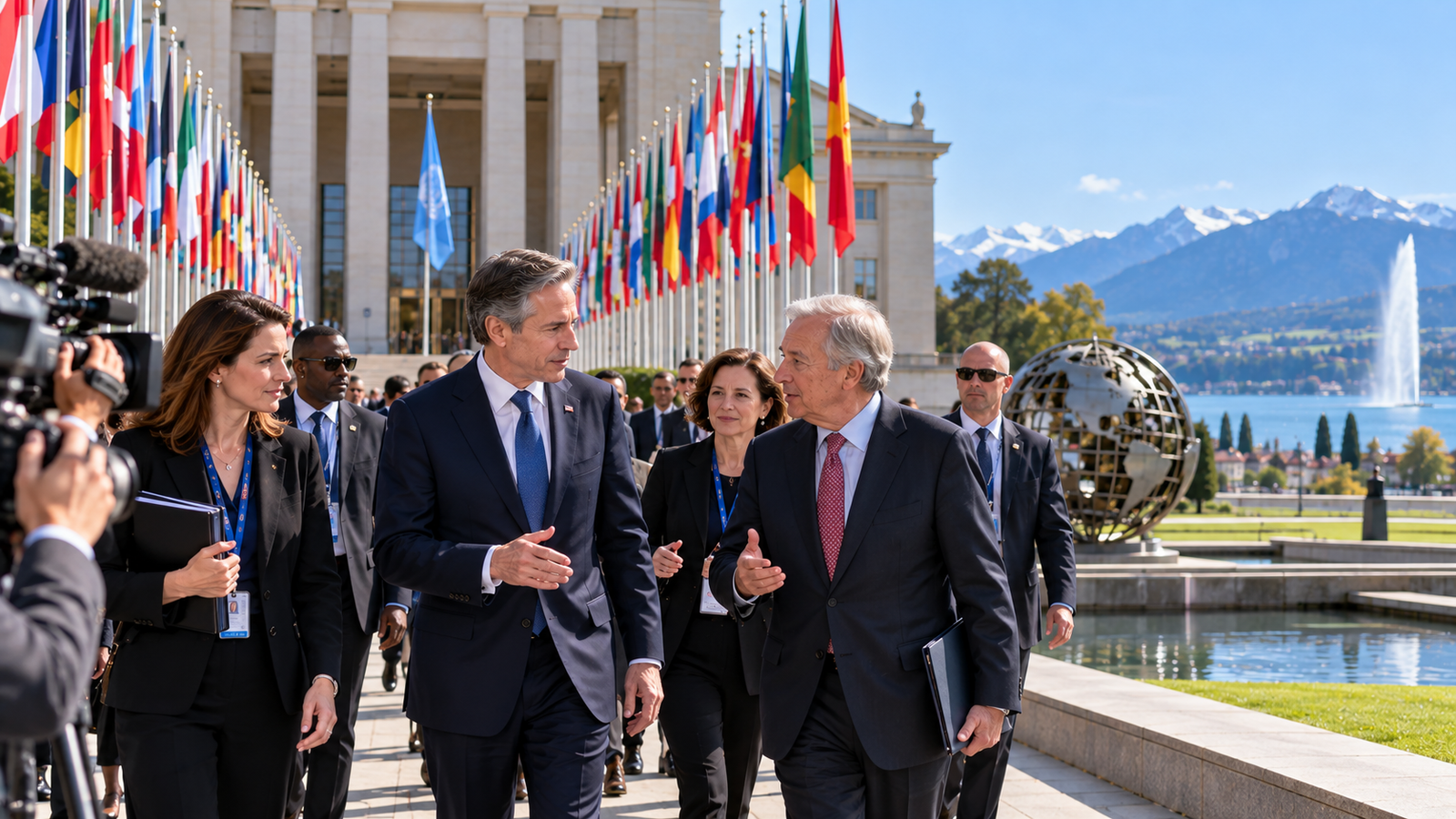
The arrival of the new envoy places fresh American leadership at the center of diplomacy in Geneva, home to the European headquarters of the United Nations and dozens of international organizations involved in humanitarian affairs, human rights, health, trade, migration, and disarmament.
The posting carries strategic importance for Washington because Geneva serves as a major hub for international negotiations outside UN headquarters in New York. Diplomats stationed in the Swiss city regularly engage with organizations including the World Health Organization, the World Trade Organization, the International Labour Organization, and the UN Human Rights Council.
The ambassador’s appointment comes during a period when international institutions face significant challenges. Ongoing conflicts, climate concerns, humanitarian emergencies, migration pressures, and debates over global governance have increased the importance of diplomatic engagement across multilateral forums. Geneva remains one of the principal locations where governments attempt to address such issues through negotiation and cooperation.
The United States has long maintained a significant diplomatic presence in Geneva due to the concentration of international agencies headquartered there. The ambassador represents Washington’s interests before numerous organizations and participates in discussions that often influence global standards, regulations, and policy frameworks.
Observers note that the Geneva role has become increasingly prominent as international disputes have expanded beyond traditional security matters. Questions involving public health, emerging technologies, trade rules, humanitarian aid, and human rights now occupy a central place in diplomatic agendas, requiring extensive engagement between governments and international institutions.
The new ambassador assumes responsibilities at a moment when the United Nations system itself is facing questions about funding, effectiveness, and future relevance. International organizations have been coping with budget pressures and structural challenges while attempting to respond to multiple crises simultaneously. Geneva-based agencies have been particularly affected by debates over funding priorities and institutional reform.
For Switzerland, the arrival of another senior diplomat reinforces Geneva’s continuing role as a leading center of international affairs. Swiss authorities have repeatedly emphasized the importance of maintaining the city’s position as a global meeting place for diplomacy despite increasing competition from other locations seeking to attract international organizations and conferences. Recent efforts by Swiss officials have focused on supporting the international Geneva ecosystem and preserving its unique concentration of expertise and institutions.
The ambassador’s first weeks in office are expected to involve meetings with representatives from UN agencies, foreign missions, and international organizations operating in Geneva. Such introductions traditionally help establish working relationships that can shape diplomatic cooperation for years.
Among the issues likely to command attention are ongoing discussions surrounding human rights, humanitarian assistance, refugee protection, and institutional reform within the UN system. Geneva continues to host many of the forums where governments debate these matters and negotiate international responses.
Recent developments have underscored the sensitivity of diplomatic relations within Geneva-based institutions. Disagreements among member states over human rights issues and international governance have occasionally generated tensions between governments, highlighting the complex environment in which diplomats operate. Several high-profile disputes involving UN-related organizations have demonstrated how decisions made in Geneva can influence broader international relationships.
The appointment also arrives during a period of broader debate about the future direction of international cooperation. Supporters of multilateral institutions argue that global challenges increasingly require coordinated responses, while critics contend that some organizations need significant reforms to improve effectiveness and accountability. Geneva frequently serves as the venue where these competing perspectives are discussed and negotiated.
Diplomatic analysts note that ambassadors assigned to Geneva often work across a remarkably diverse range of subjects. On a single day, they may participate in discussions concerning trade regulations, public health initiatives, humanitarian crises, labor standards, emerging technologies, or international law. This breadth distinguishes the Geneva mission from many traditional bilateral diplomatic postings.
The United States remains one of the most influential participants in many Geneva-based institutions, making the ambassador’s role particularly significant. Decisions and positions advanced by Washington can have substantial implications for negotiations and policy debates across multiple organizations.
As the new envoy settles into the position, expectations are high that the mission will play a visible role in ongoing international discussions. With geopolitical tensions remaining elevated and global institutions facing increasing scrutiny, Geneva is likely to remain a focal point for diplomacy in the years ahead.
For now, the ambassador’s arrival marks the beginning of a new chapter in U.S. representation at one of the world’s most important diplomatic centers. The assignment places American diplomacy at the heart of international decision-making at a time when cooperation, competition, and institutional change are reshaping the global landscape.