Swiss Football Captain Steps Aside as Investigation Focuses on Fake COVID Certificate
Switzerland’s national football team has been forced into an unexpected leadership challenge after captain Granit Xhaka acknowledged obtaining a fraudulent COVID-19 vaccination certificate during the pandemic, triggering a criminal investigation and prompting his temporary withdrawal from international duty.
The development has become one of the most significant off-field stories in Swiss sport this year, placing one of the country’s most recognizable athletes at the center of a legal and ethical controversy that extends beyond football. Xhaka, who currently plays for English club Sunderland and holds the record for the most appearances in Swiss national team history, publicly accepted responsibility for his actions and said he would cooperate fully with authorities.
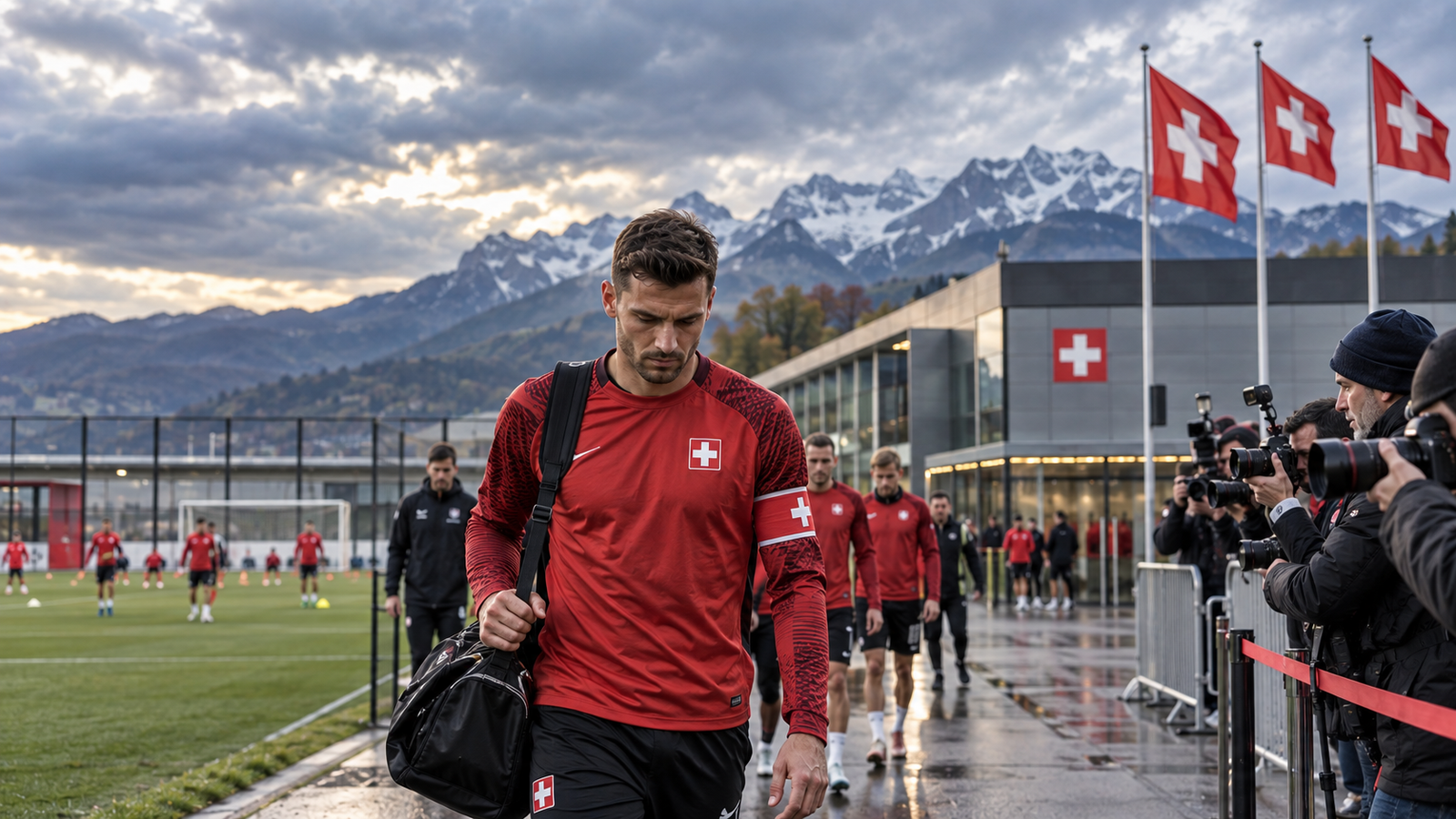
The Swiss Football Association confirmed that Xhaka will not participate in the current national-team gathering, a decision reached jointly between the player and football officials. Association president Peter Knäbel said the immediate focus would remain on the team’s upcoming UEFA Nations League fixtures, while discussions regarding Xhaka’s future role would take place after the international window concludes.
According to reports from Swiss and international media, the investigation is being conducted by prosecutors in the canton of Lucerne. Authorities are examining allegations connected to the acquisition and use of a COVID-19 vaccination certificate that may not have reflected an actual vaccination. The inquiry forms part of a broader investigation into the alleged issuance of fraudulent certificates during the pandemic.
In a public statement, Xhaka described his decision as a mistake made during a period when he felt uncertainty and distrust regarding vaccination. He acknowledged that he chose an improper course of action rather than addressing his concerns through legitimate channels. The midfielder expressed regret and stated that he accepts responsibility for his conduct.
The case has drawn widespread attention because of Xhaka’s status within Swiss football. Over a career spanning more than a decade at the international level, he has become one of the most influential figures in the national team setup. His leadership role and long-standing presence in major tournaments have made him a central figure in Switzerland’s football identity.
While the legal process remains ongoing, the affair has reopened discussions about the legacy of pandemic-era regulations and the measures introduced across Europe to verify vaccination status. During the COVID-19 crisis, certificates were often required for international travel, attendance at public events, and access to certain venues. Authorities across multiple countries later uncovered networks involved in producing fraudulent documents intended to bypass those requirements.
Swiss prosecutors have not publicly announced conclusions regarding Xhaka’s case, and the investigation remains active. Under Swiss law, offenses involving document forgery or the acquisition of false official certifications can carry serious penalties if violations are proven in court. Media reports have noted that potential sanctions may include substantial fines or prison sentences, though any outcome would depend on the results of the legal proceedings.
For the Swiss national team, the timing is particularly challenging. The squad is preparing for an important sequence of Nations League matches, competitions that play a significant role in European football rankings and future tournament pathways. Team officials have emphasized maintaining focus on sporting objectives while allowing the legal process to proceed independently.
The incident also highlights the increasing expectations placed on elite athletes regarding conduct away from competition. Modern sports organizations routinely address issues involving governance, ethics, and personal accountability alongside athletic performance. When prominent players become involved in legal controversies, federations often face difficult decisions about balancing due process with the reputational interests of the team.
Football analysts note that Xhaka’s admission distinguishes this situation from many sports-related investigations, where allegations are often disputed from the outset. Instead, the discussion has largely shifted toward the legal implications of the case and the consequences for his role within Swiss football. Authorities will ultimately determine whether criminal offenses occurred and whether further action is warranted.
The story has also generated broader public debate in Switzerland about accountability and consistency in enforcing pandemic-related laws. Similar cases involving fraudulent COVID documentation have surfaced in previous years, involving individuals from different professions and public backgrounds. Those cases contributed to heightened scrutiny of healthcare certification systems and efforts to prevent abuse of official records.
For now, Xhaka remains absent from national-team activities while investigators continue their work. Swiss football officials have indicated that decisions regarding his future involvement will be considered after the current round of international matches. That approach allows the team to concentrate on competition while ensuring that the matter is assessed with the benefit of additional information.
The coming weeks are expected to be important both for the legal proceedings and for the Swiss Football Association’s evaluation of the situation. Regardless of the eventual outcome, the case represents a significant moment for one of Switzerland’s most accomplished footballers and serves as a reminder of how actions taken during the extraordinary circumstances of the pandemic continue to have consequences years later.