
Swiss Disaster Specialist Calls for Global Preparedness Lessons After Nepal Earthquake Emergency
The recent earthquake disaster in Nepal has renewed international attention on the importance of preparedness, rapid response capabilities and long-term resilience planning, with a Swiss disaster-management specialist urging governments and emergency agencies to treat the event as a learning opportunity rather than an isolated tragedy.
As rescue and recovery operations continue in affected areas, disaster experts say the lessons emerging from Nepal extend far beyond the country’s borders. The challenges faced by emergency responders, local authorities and humanitarian organizations underscore the complex realities that follow major earthquakes and other large-scale natural disasters.
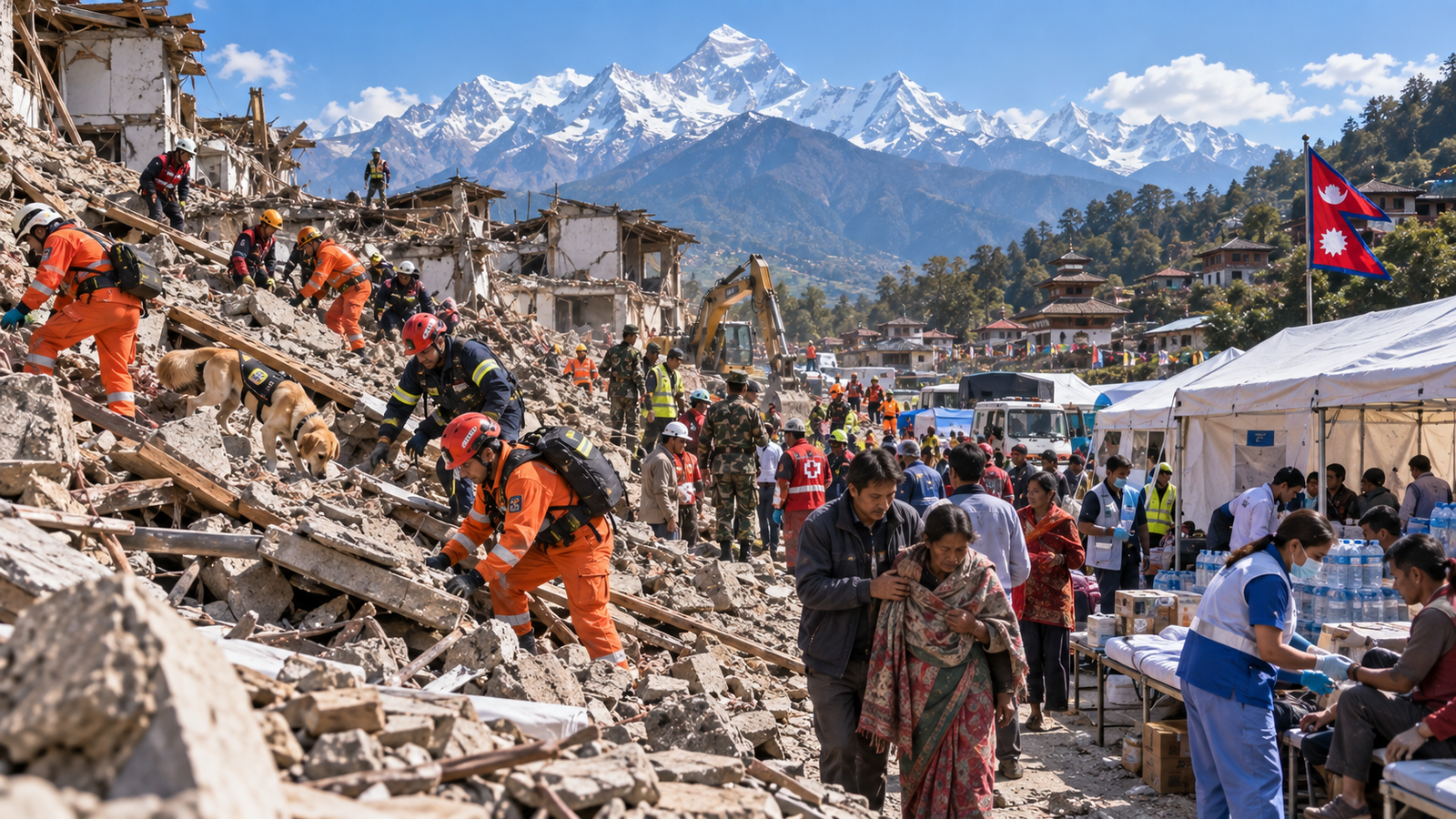
According to reports from the region, the earthquake caused significant destruction to homes, public infrastructure and transportation networks, creating immediate humanitarian needs for affected communities. Rescue teams were deployed to search for survivors, provide medical assistance and restore access to remote locations impacted by the disaster. Authorities and international aid organizations have also been working to support displaced residents and assess damage across affected areas.
Swiss disaster-response specialist Toni Frisch, who has extensive experience in humanitarian and emergency-management operations, emphasized that major disasters often reveal weaknesses that are difficult to identify during normal conditions. He argued that governments, aid agencies and emergency planners should carefully examine both the successes and shortcomings of the Nepal response in order to improve future readiness.
Experts in disaster management frequently note that earthquakes present unique challenges because they occur with little or no warning. Unlike storms or floods, where authorities may have time to prepare and evacuate residents, earthquakes can cause widespread destruction within seconds. As a result, preparedness measures established before a disaster occurs often determine how effectively communities respond afterward.
The Nepal emergency has once again highlighted the importance of resilient infrastructure. Buildings, roads, bridges and public utilities play a crucial role during disaster situations. When these systems fail, rescue operations become more difficult and recovery efforts take significantly longer. Engineers and emergency planners around the world increasingly emphasize construction standards and risk-reduction strategies in earthquake-prone regions.
Humanitarian organizations have also pointed to the importance of local response capacity. While international assistance can provide critical support, the first responders following a disaster are typically local residents, emergency services and community organizations. Their ability to react quickly can save lives during the crucial hours immediately after an earthquake.
The Swiss expert’s comments come at a time when governments worldwide are reassessing disaster risks linked to both natural hazards and increasingly complex emergency environments. Recent years have brought devastating earthquakes, floods, wildfires and severe storms across multiple continents, prompting calls for stronger preparedness frameworks and greater international cooperation.
One recurring lesson from major disasters is the need for effective coordination among different agencies. Emergency management often requires cooperation between local governments, national authorities, military units, healthcare systems, humanitarian organizations and international partners. Communication breakdowns or unclear responsibilities can delay assistance when affected communities need help most.
Nepal’s mountainous geography presents additional logistical challenges that are familiar to emergency planners. Damaged roads, difficult terrain and isolated communities can complicate efforts to deliver aid and evacuate injured individuals. Similar challenges exist in many parts of the world, including Alpine regions of Europe, where access to remote communities can become difficult following natural disasters.
Disaster specialists say preparedness should not be viewed solely as a government responsibility. Public awareness, household emergency planning and community resilience also play important roles. Communities that understand local risks and maintain emergency plans often recover more effectively following major incidents.
The discussion surrounding Nepal has also drawn attention to the economic consequences of natural disasters. Beyond the immediate loss of life and physical damage, major earthquakes can disrupt businesses, tourism, transportation systems and public services for months or even years. Recovery efforts frequently require substantial investments and long-term planning.
Switzerland itself maintains extensive civil-protection systems designed to prepare for emergencies ranging from natural disasters to industrial accidents. Swiss authorities regularly conduct training exercises and preparedness programs intended to strengthen coordination among emergency services and public institutions. These efforts reflect a broader recognition that disaster resilience requires continuous investment rather than reactive responses after a crisis has already occurred.
International organizations have repeatedly stressed that prevention and preparedness often deliver greater benefits than emergency response alone. Early-warning systems, public education programs, resilient infrastructure and coordinated planning can significantly reduce casualties and economic losses when disasters occur.
The Nepal earthquake serves as a reminder that even countries with experience managing natural hazards remain vulnerable to sudden and severe events. For policymakers and emergency planners, the challenge is not only responding effectively after a disaster but also ensuring that lessons are captured and translated into practical improvements.
Swiss disaster experts argue that every major emergency offers valuable information about what works and what needs improvement. Whether the focus is emergency communications, rescue coordination, infrastructure resilience or humanitarian logistics, the insights gained from one disaster can help strengthen preparedness elsewhere.
As Nepal continues its recovery efforts, governments and emergency-management organizations around the world are likely to examine the response closely. The goal is not simply to understand what happened, but to apply those lessons before the next major disaster occurs.
For disaster specialists, that may be the most important takeaway of all. Natural hazards cannot always be prevented, but their consequences can often be reduced through preparation, cooperation and a willingness to learn from past emergencies. The experience unfolding in Nepal is expected to contribute to that ongoing effort, shaping future strategies aimed at protecting lives and strengthening resilience in vulnerable communities worldwide.