Swiss Anti-Nuclear Groups Launch Referendum Drive After Parliament Reopens Door to New Reactors
A new chapter in Switzerland’s long-running energy debate is taking shape as opponents of nuclear power move to challenge legislation that would allow the construction of new reactors for the first time in nearly a decade.
Environmental organizations, anti-nuclear campaigners, and political groups have formally launched a referendum effort aimed at overturning parliament’s recent decision to remove the country’s ban on new nuclear power plants. The move ensures that one of Switzerland’s most consequential energy policy questions could ultimately be decided by voters rather than lawmakers alone.
The dispute centers on legislation approved by the Swiss parliament that would reopen the possibility of building new nuclear facilities in the future. The ban was originally introduced following the Fukushima nuclear disaster in Japan and was reinforced by Swiss voters in 2017 when they endorsed a gradual phaseout of nuclear energy as part of the country’s energy transition strategy.
Supporters of the legislative change argue that Switzerland faces growing challenges in securing reliable electricity supplies, particularly during winter months when domestic production can fall short of demand. They contend that maintaining the option of future nuclear generation could strengthen long-term energy security while supporting climate goals through low-carbon electricity production.
Opponents, however, say reversing the ban would represent a significant departure from the energy strategy endorsed by voters less than a decade ago. They argue that new nuclear projects would require enormous financial resources, lengthy approval processes, and decades before generating electricity, while potentially diverting investment from renewable energy technologies and energy-efficiency measures.
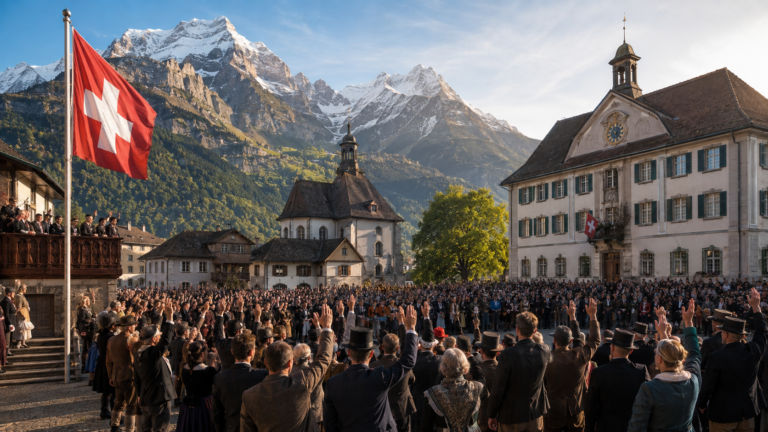
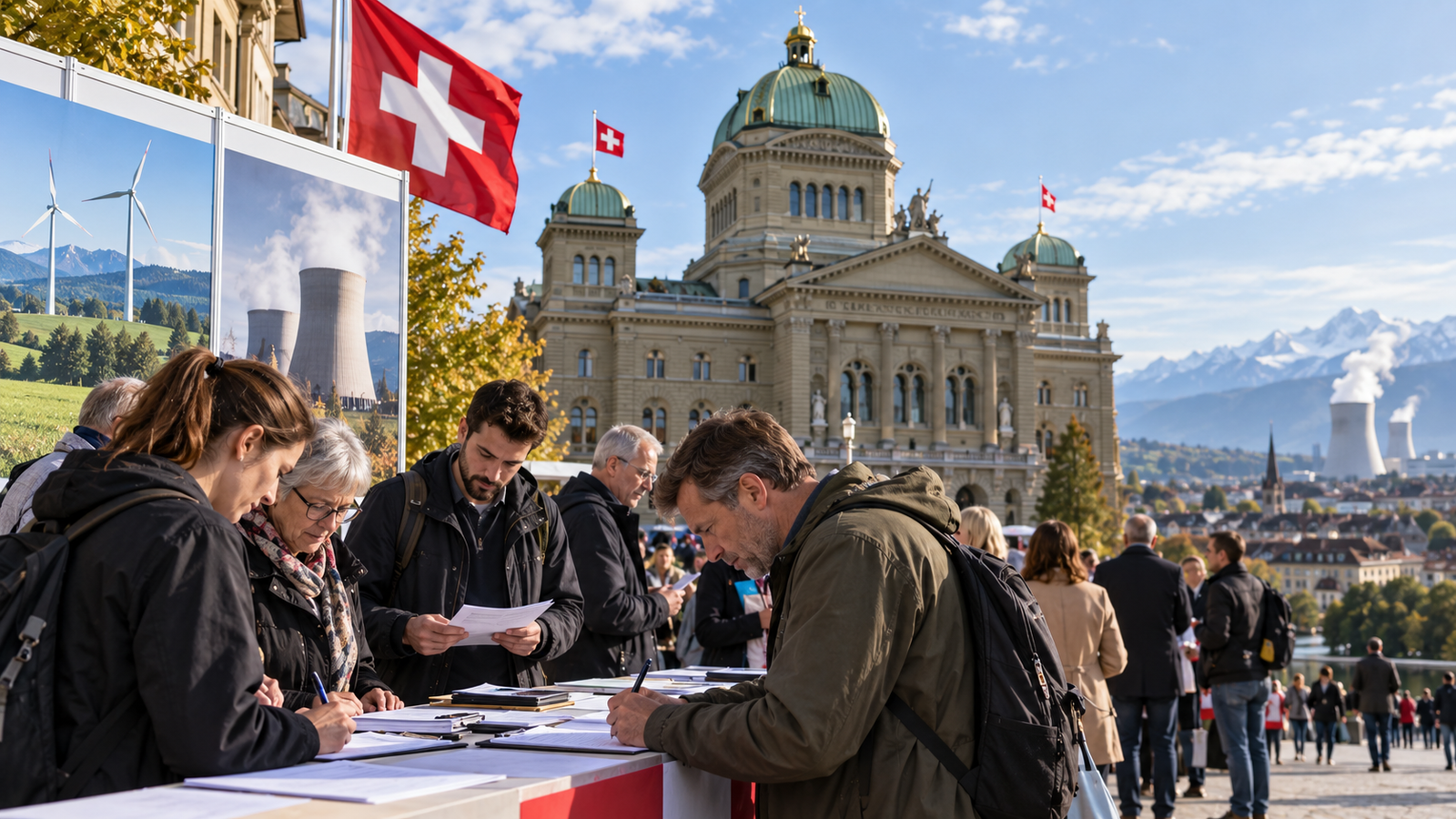
The referendum campaign officially launched shortly after parliament completed its approval process. Campaign organizers say they intend to gather the signatures necessary to force a nationwide vote, a mechanism that forms a central part of Switzerland’s direct democracy system. If enough signatures are collected within the required timeframe, voters will have the final say on whether the legislation takes effect.
The political debate reflects changing attitudes toward energy policy across Europe. Concerns about electricity security intensified following disruptions to international energy markets and geopolitical tensions in recent years. Swiss policymakers have increasingly discussed how to ensure stable electricity supplies while pursuing emissions-reduction targets and reducing dependence on imported energy during periods of peak demand.
Energy Minister Albert Rösti has been among those arguing that Switzerland should keep all technological options available for future electricity generation. During parliamentary discussions, supporters of the legislation emphasized that allowing new nuclear projects does not automatically mean reactors will be built. Instead, they describe the measure as preserving flexibility for future generations as energy needs evolve.
The issue remains highly divisive. Environmental groups and Green Party representatives have consistently opposed the return of nuclear development, maintaining that solar, wind, hydroelectric power, storage technologies, and efficiency improvements offer a more sustainable path forward. They argue that public and private investment should focus on expanding renewable energy capacity rather than revisiting a technology many voters believed Switzerland had chosen to phase out.
Public opinion appears more mixed than it was immediately after Fukushima. Recent polling commissioned by Switzerland’s electricity sector found that a significant share of respondents support allowing new nuclear power plants, suggesting attitudes have shifted as energy security concerns have grown. Nevertheless, support in surveys does not guarantee approval at the ballot box, particularly in a country where voters frequently examine complex policy issues through referendums.
Even if legal barriers are removed, experts note that any future reactor project would face substantial practical challenges. Planning, licensing, financing, and construction of nuclear facilities typically require many years, and potentially decades, before commercial operation begins. Questions regarding costs, waste management, technology selection, and local acceptance would also need to be addressed before any project could proceed.
The debate is unfolding at a time when several countries are reassessing the role of nuclear power in efforts to achieve climate goals while maintaining reliable electricity systems. Across Europe, governments have reached different conclusions, with some expanding nuclear programs and others continuing phaseout policies. Switzerland’s upcoming political battle highlights how energy security, environmental concerns, and economic considerations continue to shape national strategies.
For now, the focus shifts from parliament to the public. Anti-nuclear campaigners are beginning the process of collecting signatures, while supporters of the legislation prepare to defend the policy before voters. Should a referendum be held, Swiss citizens will once again be asked to determine the future direction of one of the country’s most important energy policy questions.