
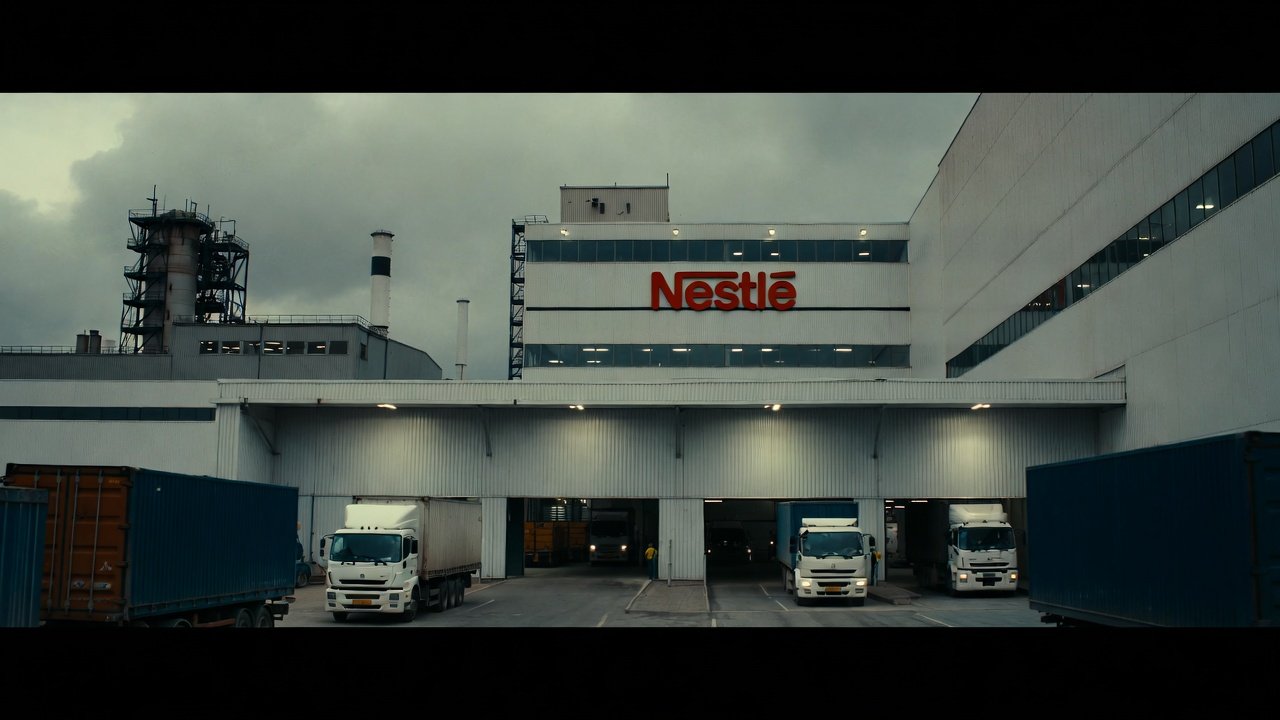
Nestlé Faces Growing Uncertainty in Russia as Local Bid Targets Key Subsidiaries
Nestlé’s position in Russia has come under renewed scrutiny after reports emerged that a local company has asked the Kremlin to place several of the Swiss food giant’s Russian subsidiaries under temporary state administration, a move that could significantly alter the company’s future in one of its remaining major markets.
The request, first reported by Russian business media and subsequently confirmed by multiple international news outlets, concerns five entities connected to Nestlé’s operations in Russia. While no government decision has been announced, the development has intensified concerns among investors and analysts about the security of foreign-owned assets operating inside the country.
Nestlé said it had not been contacted by Russian authorities regarding the proposal and indicated that its operations in the country continue in accordance with applicable regulations. The company has maintained a presence in Russia throughout the conflict in Ukraine, arguing that it provides essential food products and serves local consumers through its manufacturing network.
The reported request was submitted by a little-known Russian logistics company known as KS Logistika. According to reports, the firm is seeking the placement of Nestlé-related assets under temporary administration, a legal mechanism that Russia has increasingly used since 2023 for assets linked to companies from countries Moscow classifies as “unfriendly.”
Although the phrase “temporary administration” does not automatically mean confiscation, previous cases have demonstrated that foreign companies can ultimately lose control of local businesses after such interventions. The experiences of major multinational groups including Danone and Carlsberg have become cautionary examples for foreign corporations still operating in Russia. Both companies saw Russian authorities assume control of local operations before eventual ownership changes occurred.
The latest development highlights the increasingly complex environment facing international firms that chose to remain in Russia after the full-scale invasion of Ukraine in 2022. While hundreds of multinational corporations either exited the market or dramatically reduced their presence, a smaller group of companies continued operations, often citing obligations to employees, customers, and local supply chains.
Nestlé adopted a middle-ground strategy following the outbreak of the war. The company reduced portions of its product portfolio, halted certain imports and exports, suspended advertising activities, and paused new investments. At the same time, it continued producing and distributing selected food products within Russia, arguing that basic nutrition products should remain available to consumers.
That approach has drawn criticism from some groups that believe multinational companies should completely withdraw from the Russian market. Ukraine’s anti-corruption authorities previously included Nestlé on a list of international companies it accused of continuing significant business activity in Russia during the conflict. Nestlé has consistently defended its position by emphasizing compliance with international sanctions and its role as a supplier of everyday food products.
Financial analysts are now examining the potential consequences if Russian authorities decide to move forward with the reported request. According to market estimates cited by industry observers, Nestlé’s Russian business includes multiple production facilities and assets worth billions of dollars. A forced restructuring, state administration process, or compelled sale could therefore create a substantial financial impact even for a company of Nestlé’s global scale.
Russia has increasingly expanded legal tools that allow intervention in foreign-owned businesses. Since 2023, authorities have used various mechanisms to assume temporary control of assets belonging to companies headquartered in countries supporting sanctions against Moscow. Legal specialists note that each case differs, but the broader trend has increased uncertainty for international investors with operations inside Russia.
For Nestlé, the situation presents a difficult strategic challenge. A complete withdrawal could involve substantial financial losses and operational disruption, while remaining in the market exposes the company to ongoing political, legal, and reputational risks. The company’s Russian operations include manufacturing facilities that produce products ranging from coffee and confectionery to baby food and pet nutrition, making the market a significant part of its regional business footprint.
Investors will likely be watching closely for any response from Russian authorities in the coming weeks. Until an official decision is made, the reported request remains only a proposal. Nevertheless, the episode underscores the continuing uncertainty facing multinational corporations operating in Russia more than four years after the conflict in Ukraine reshaped the global business landscape.
For now, Nestlé continues its operations while awaiting clarity on whether the request will advance through official channels. The outcome could become another important test case for how foreign-owned businesses navigate Russia’s evolving economic and political environment, where commercial considerations increasingly intersect with geopolitical realities.