
Swiss Parties Unite Against Constitutional Push to Tighten Neutrality Rules
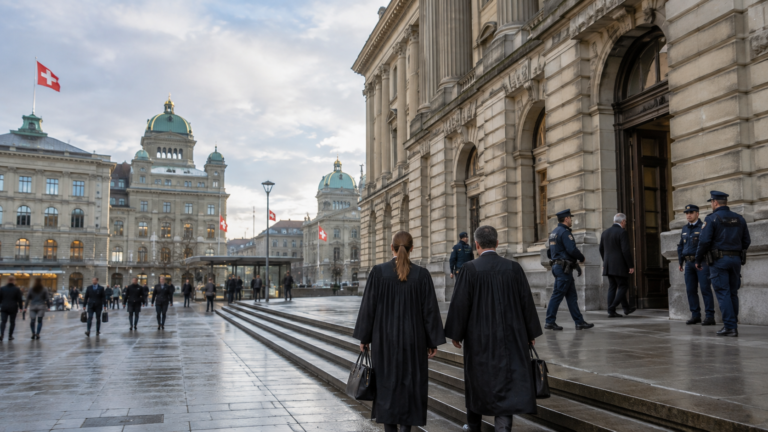
A growing coalition of Swiss political parties is urging voters to reject a proposed constitutional amendment that would impose a stricter definition of neutrality on the country, setting the stage for one of Switzerland’s most closely watched political debates this year.
The proposal, known as the Neutrality Initiative, is scheduled to go before voters on September 27 and seeks to write a detailed interpretation of Swiss neutrality into the federal constitution. Supporters argue that the measure would protect a core national principle that has helped define Switzerland’s international identity for generations. Opponents counter that the initiative would limit the country’s diplomatic flexibility and weaken its ability to respond to emerging security challenges.
The initiative was launched after concerns emerged among some political groups that Switzerland had gradually moved away from its traditional neutral stance. Debate intensified following Russia’s invasion of Ukraine, when Switzerland adopted sanctions aligned with measures taken by the European Union and expanded cooperation with Western security partners in selected areas. Supporters of the referendum argue that these developments blurred the boundaries of neutrality and created uncertainty about the country’s future foreign-policy direction.
Under the proposal, Switzerland would formally commit itself to permanent and armed neutrality while remaining outside military alliances. The initiative would also significantly restrict participation in sanctions against countries involved in conflicts unless such measures were approved by the United Nations. Advocates believe these provisions would create a clearer legal framework and prevent future governments from moving Switzerland closer to geopolitical blocs.
However, resistance to the proposal has expanded across much of the Swiss political landscape.
Many parties represented in parliament have expressed concerns that the initiative would create unnecessary constraints on foreign and security policy. Critics argue that Switzerland already maintains neutrality under existing constitutional arrangements and international practice, making additional constitutional restrictions unnecessary. They also warn that the proposal could reduce the government’s ability to cooperate with international partners during crises and undermine efforts to protect national interests in an increasingly unstable geopolitical environment.
The Swiss Federal Council has also recommended that voters reject the initiative. Government officials contend that the current framework has successfully preserved neutrality while allowing policymakers sufficient flexibility to adapt to changing global conditions. According to the Federal Council, codifying a rigid interpretation could make future responses to security threats more difficult and complicate international cooperation in areas ranging from intelligence sharing to defense planning.
Foreign Minister Ignazio Cassis has been among the leading voices opposing the measure. Government officials have argued that Switzerland’s neutrality is already internationally recognized and that the country remains outside military alliances. In their view, the referendum would solve a problem that does not currently exist while potentially creating new limitations for policymakers.
The upcoming vote highlights a broader debate that has emerged across Europe since the outbreak of the war in Ukraine. Countries traditionally associated with neutrality have faced increasing pressure to reconsider their security strategies amid concerns about regional stability, military preparedness, and international cooperation. Switzerland has not been immune to these discussions, particularly as neighboring European nations strengthen defense ties and reassess long-standing security assumptions.
Opinion surveys suggest the initiative faces an uphill battle. Polling conducted earlier this year indicated that a majority of Swiss voters were either opposed to the proposal or remained unconvinced of the need for constitutional changes. While public opinion can shift during referendum campaigns, the available data suggests supporters must persuade a substantial number of undecided voters in the weeks ahead.
The measure has already encountered resistance within federal institutions. Earlier this year, Switzerland’s parliament voted against incorporating the proposed neutrality provisions into the constitution. Although the referendum process allows citizens to make the final decision, parliamentary opposition underscored concerns among lawmakers regarding the initiative’s potential impact on foreign affairs and national security.
Switzerland’s system of direct democracy ensures that major constitutional questions are often settled through nationwide votes rather than solely through parliamentary action. After supporters gathered the required number of signatures, the initiative qualified for a national referendum, giving voters the opportunity to decide whether the constitutional change should move forward.
The outcome could carry implications well beyond domestic politics. A successful vote would establish a more detailed constitutional definition of neutrality and potentially reshape how Switzerland approaches sanctions, international partnerships, and future security cooperation. A rejection, meanwhile, would reinforce the current approach favored by the government and much of the political establishment.
As campaigning intensifies ahead of the September referendum, voters will be asked to decide whether Switzerland should lock a stricter neutrality doctrine into its constitution or preserve the more flexible framework that has guided the country through decades of international change. The result is likely to influence Swiss foreign policy discussions for years to come and could become one of the most consequential constitutional votes of the year.