Switzerland Urges Restraint as New Attacks Raise Tensions in Saudi Arabia
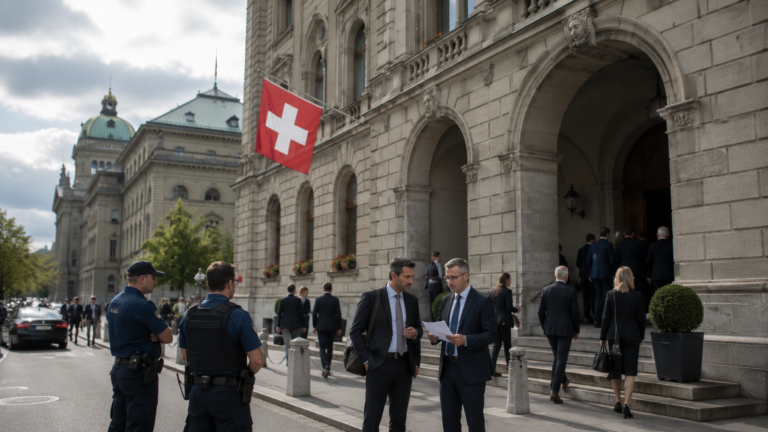
Switzerland has voiced concern over a fresh wave of attacks targeting Saudi Arabia, joining a growing number of governments calling for restraint as security conditions in the Middle East remain fragile. The statement comes amid renewed regional tensions that have raised concerns about civilian safety, international trade routes, and global energy supplies.
The Swiss government said it is closely monitoring developments and emphasized the importance of preventing further escalation. Swiss officials urged all parties involved to avoid actions that could deepen instability in an already volatile region. The response reflects Switzerland’s long-standing diplomatic approach of supporting dialogue and de-escalation during international crises.
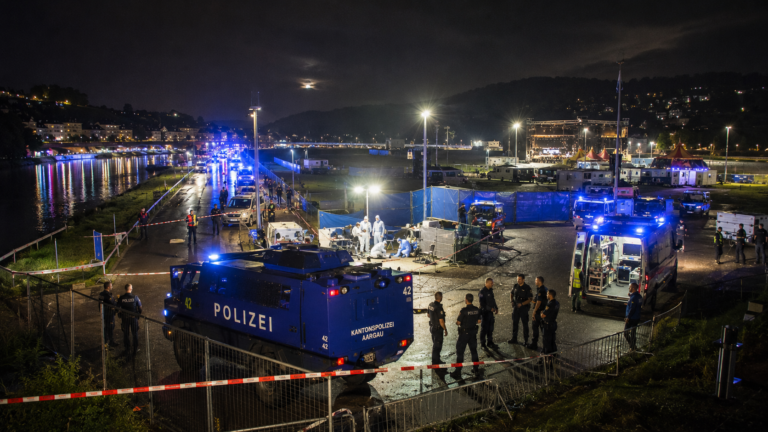
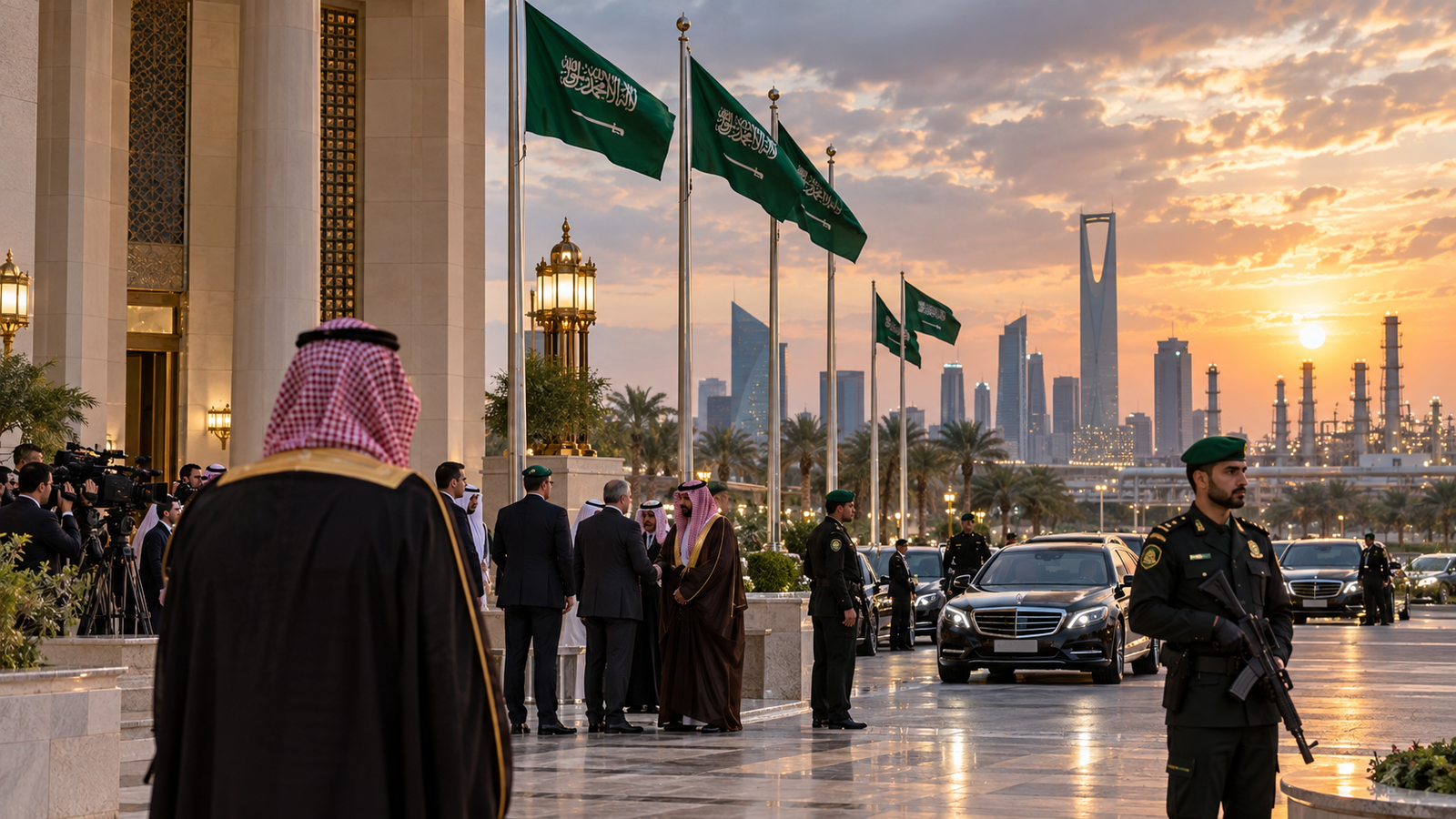
The latest concerns follow reported missile and drone attacks claimed by Yemen’s Houthi movement against targets in Saudi Arabia. Saudi authorities said air defense systems intercepted incoming threats aimed at the kingdom, including attacks associated with the capital region. Reports from international news organizations indicated that security alerts were issued in several Saudi cities as authorities responded to the incidents.
The attacks are part of a broader deterioration in regional security that has intensified in recent weeks. Analysts and governments have been watching developments closely as fighting in and around Yemen intersects with wider geopolitical tensions involving Gulf states, Iran, and international powers. Recent incidents have also affected critical infrastructure and shipping routes that play a major role in the global economy.
For Switzerland, stability in the Gulf region carries significance beyond diplomacy. The country maintains economic, financial, and commercial ties with states across the Middle East, while Swiss companies and citizens operate throughout the region. Escalating violence can affect trade flows, investment activity, transportation networks, and broader international economic conditions that reach far beyond the countries directly involved.
Recent attacks have heightened concerns about energy security. Saudi Arabia remains one of the world’s most important oil exporters, and disruptions affecting its infrastructure can influence global fuel markets. Reports over the past week indicated that attacks on strategic facilities and transportation corridors contributed to renewed volatility in energy prices and raised fears about interruptions to international supply chains.
The security situation has also drawn reactions from other governments. Several countries have condemned attacks on civilian and economic infrastructure while calling for diplomatic solutions. International organizations and foreign ministries have repeatedly warned that additional escalation could increase risks to regional stability and commercial shipping through key maritime chokepoints linking Europe, Asia, and the Middle East.
Switzerland’s position is consistent with previous responses to major international conflicts. Swiss authorities have frequently emphasized adherence to international law, protection of civilians, and the pursuit of negotiated solutions during periods of heightened geopolitical tension. Officials have often sought to encourage dialogue rather than military escalation, particularly in regions where broader conflict could have global consequences.
The latest developments also come as governments assess the potential impact on aviation, maritime transportation, and international commerce. Security advisories issued across parts of the Middle East have highlighted concerns about travel disruptions and operational risks stemming from the deteriorating security environment. Several international observers have noted that uncertainty surrounding transportation routes remains a major concern for businesses and policymakers alike.
While immediate damage assessments continue, attention is increasingly focused on preventing further escalation. Diplomatic efforts involving regional and international actors have sought to contain tensions and maintain stability in critical trade corridors. Although significant challenges remain, many governments continue to stress that communication and negotiation offer the most sustainable path toward reducing risks and restoring confidence.
For now, Switzerland’s message remains centered on caution and restraint. As events continue to unfold, Swiss officials are expected to monitor the situation closely while supporting international efforts aimed at reducing tensions. The evolving crisis serves as another reminder of how rapidly regional conflicts can produce consequences that extend well beyond national borders, affecting economic activity, transportation networks, and international security on a global scale.