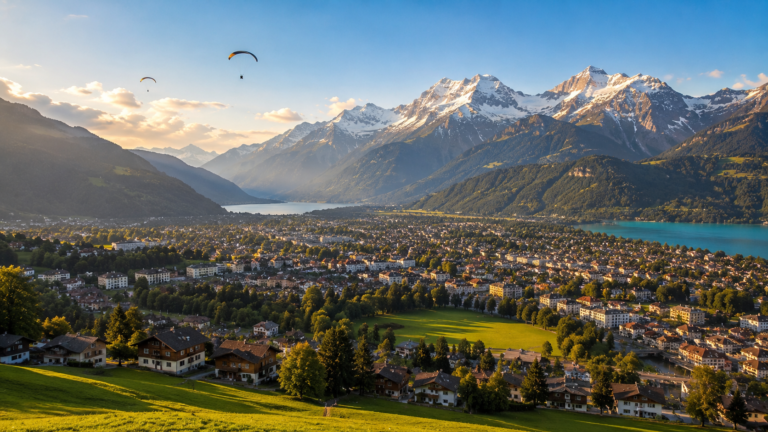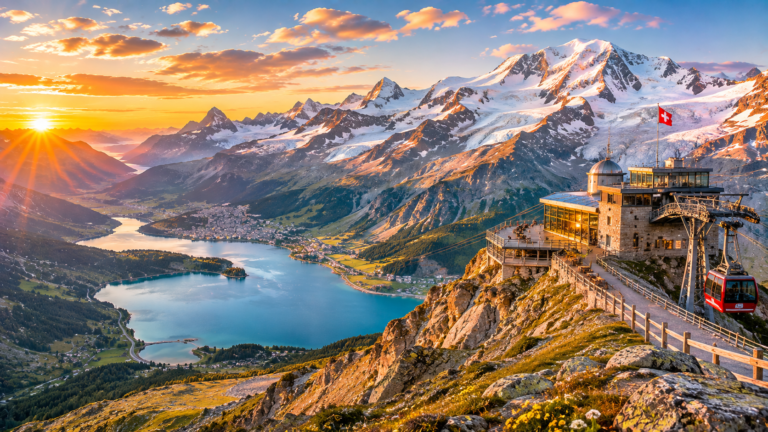
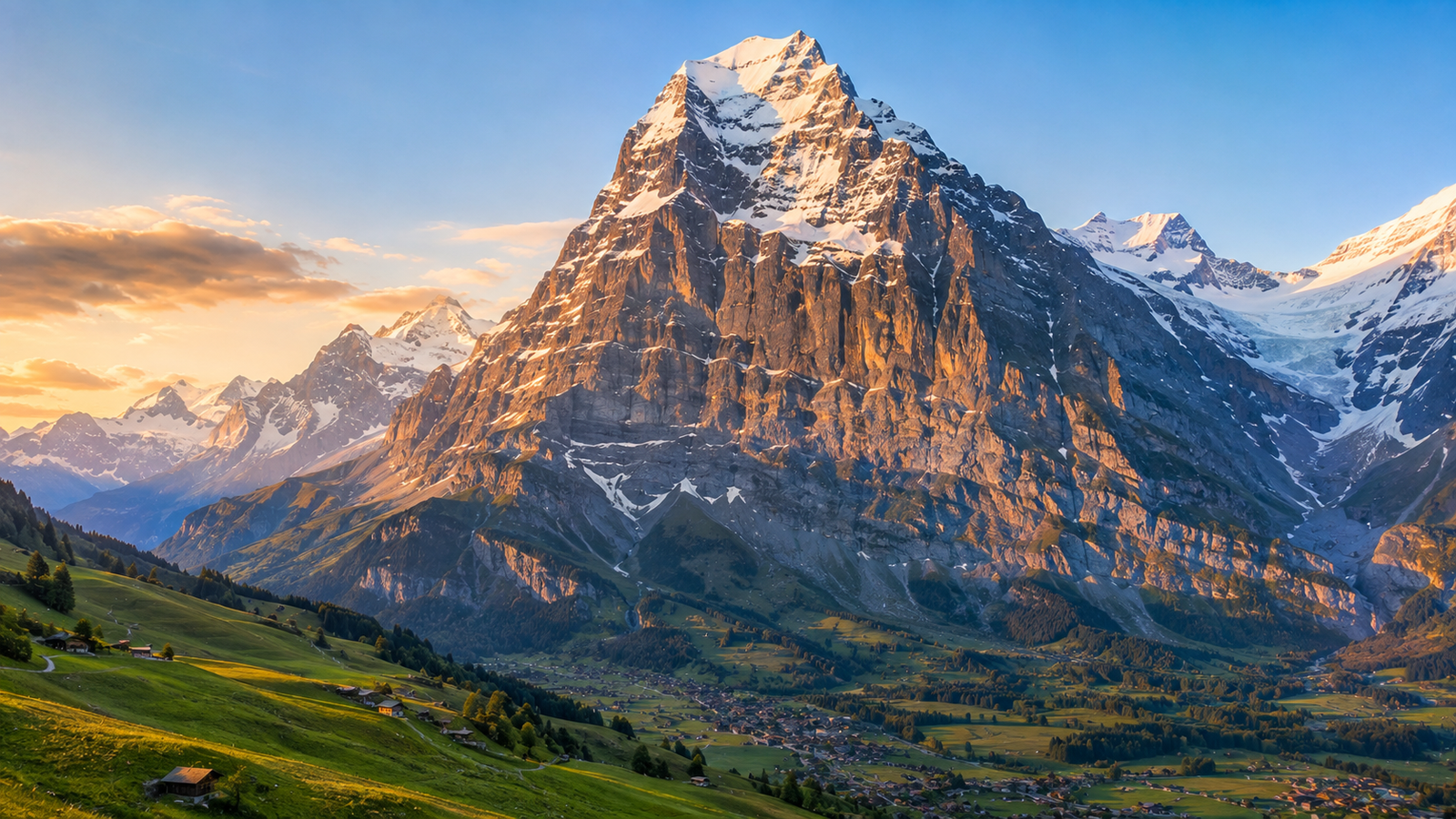
Eiger, Grindelwald, Switzerland
Eiger: Switzerland’s Legendary Mountain of Rock, Ice, and Alpine History
Among the towering mountains of the Swiss Alps, few names carry as much recognition as the Eiger. Rising above the villages of Grindelwald and Lauterbrunnen in the Bernese Oberland, the mountain is celebrated not only for its striking appearance but also for its extraordinary place in mountaineering history. Its massive North Face has inspired generations of climbers, while its surrounding landscapes attract travelers seeking some of Switzerland’s most unforgettable scenery.
The Eiger is more than a mountain summit. It is a symbol of Alpine adventure, geological grandeur, and Swiss mountain culture. Whether viewed from a panoramic train window, a hiking trail, or a distant valley, the mountain commands attention with its sheer scale and dramatic profile.
A Giant of the Bernese Alps
The Eiger stands at 3,967 meters above sea level and forms part of the famous trio of peaks that includes the Mönch and Jungfrau. Together, these mountains dominate the skyline of the Jungfrau Region and create one of the most recognizable Alpine landscapes in Europe.
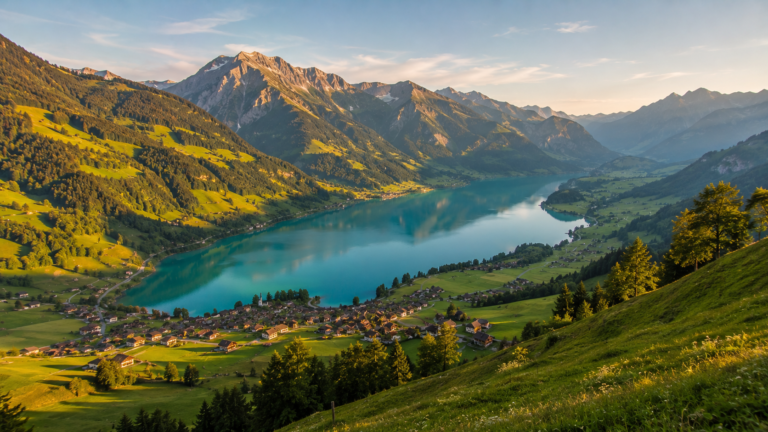
Located in the canton of Bern, the mountain rises above lush valleys, high meadows, glaciers, and traditional Swiss villages. Its rocky slopes and ice-covered upper sections present a dramatic contrast to the green landscapes below.
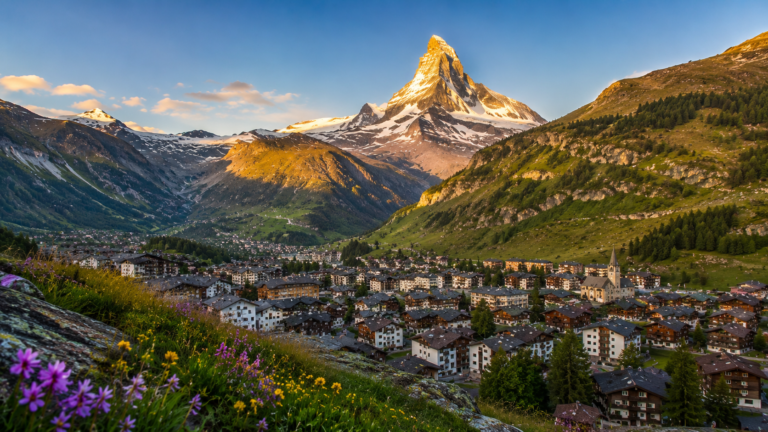
The mountain’s name is known worldwide, but its appearance is equally memorable. From Grindelwald, the Eiger seems to rise almost vertically from the valley floor, creating an imposing natural wall that defines the region’s visual identity.
The Famous North Face
No discussion of the Eiger is complete without mentioning its legendary North Face, known in German as the Eiger Nordwand.
Stretching nearly 1,800 meters from base to summit, the wall is one of the most famous climbing faces in the world. Its steep rock, ice, rapidly changing weather, and complex terrain made it one of mountaineering’s greatest challenges during the twentieth century.
Throughout climbing history, the North Face earned a reputation that extended far beyond Switzerland. Numerous expeditions attempted to conquer the wall, and stories of success, hardship, and determination became part of Alpine legend.
Today, the North Face remains one of the most closely watched climbing routes in the world. Even visitors with no interest in mountaineering often find themselves fascinated by the mountain’s dramatic history and commanding appearance.
A Landscape Shaped by Ice and Time
The Eiger exists within a region profoundly influenced by glaciers and geological forces.
Over countless generations, ice carved valleys, shaped ridges, and created the spectacular scenery visible today. The mountain rises above an environment where glaciers, waterfalls, forests, and rocky summits combine to create exceptional natural diversity.
The surrounding area forms part of the Jungfrau-Aletsch region, recognized as a UNESCO World Heritage Site. This protected landscape showcases some of the finest examples of Alpine geology and glaciation in Europe.
Visitors quickly discover that the Eiger is not an isolated peak but part of a larger mountain ecosystem that continues to evolve through natural processes.
Seeing the Eiger Up Close
One of the most remarkable aspects of the Eiger is how accessible it is for visitors.
Unlike many famous mountains that can only be appreciated from a distance, the Eiger can be experienced from numerous viewpoints, railways, and hiking routes throughout the Jungfrau Region.
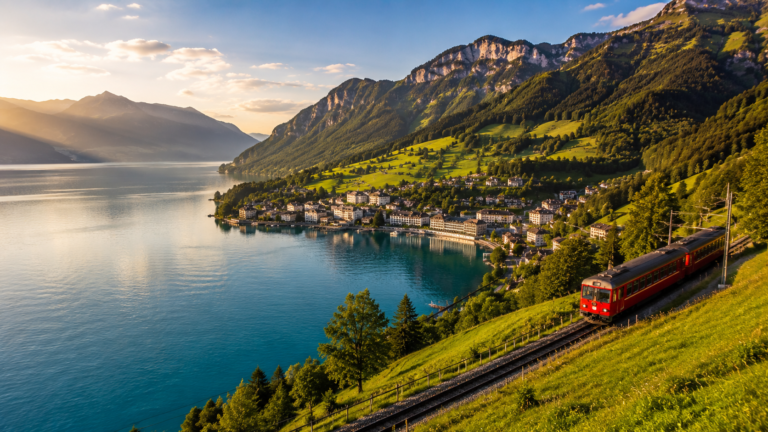
The Jungfrau Railway passes through tunnels inside the mountain, offering a unique perspective on this Alpine giant. Railway stations carved into the mountain provide views through observation windows facing the North Face and surrounding valleys.
For many travelers, the train journey itself becomes one of the most memorable encounters with the mountain.
Meanwhile, panoramic viewpoints throughout Grindelwald and nearby mountain destinations reveal different angles of the Eiger throughout the day, as changing sunlight alters its appearance and highlights the mountain’s immense scale.
Hiking Beneath a Legendary Summit
The Eiger region offers some of Switzerland’s most rewarding hiking opportunities.
Numerous trails allow visitors to explore the mountain environment without technical climbing experience. Paths wind through alpine meadows, rocky slopes, mountain passes, and scenic viewpoints that provide close views of the Eiger’s dramatic faces.
Among the most popular routes are trails connecting Kleine Scheidegg, Eigergletscher, and neighboring mountain areas. These paths reveal constantly changing perspectives of the mountain while showcasing the beauty of the surrounding Alpine landscape.
Wildflowers, grazing cattle, glaciers, and distant peaks create an environment that feels both peaceful and awe-inspiring.
For photographers, hikers, and nature lovers, the Eiger offers endless opportunities to experience the Swiss Alps at their finest.
A Mountain Connected to Swiss Rail Heritage
The story of the Eiger is closely linked to one of Switzerland’s greatest engineering achievements.
The construction of the Jungfrau Railway transformed access to the high mountains of the Bernese Oberland. By tunneling through the Eiger, engineers created a route that continues to attract visitors from around the world.
The railway allows travelers to reach high-altitude Alpine environments without the physical demands associated with traditional mountaineering. As a result, the Eiger became accessible to a much broader audience while retaining its aura of adventure.
The combination of engineering innovation and natural beauty remains one of the defining characteristics of the region.
Seasonal Experiences Around the Eiger
Every season reveals a different side of the mountain.
Summer brings green meadows, hiking trails, and clear opportunities to explore the surrounding landscapes. Warm temperatures at lower elevations make outdoor activities particularly appealing.
Autumn often offers excellent visibility and vibrant colors in the valleys below. The quieter atmosphere attracts travelers seeking a more relaxed mountain experience.
Winter transforms the region into a snow-covered wonderland. The surrounding ski areas become active, and the mountain’s steep slopes appear even more dramatic against the bright Alpine snow.
Spring marks a gradual transition as lower elevations begin to bloom while the upper sections of the mountain remain firmly in winter conditions.
These seasonal variations ensure that no two visits feel exactly the same.
The Cultural Importance of the Eiger
Beyond its geological and recreational significance, the Eiger occupies an important place in Swiss culture.
The mountain has inspired artists, photographers, writers, filmmakers, and adventurers for generations. Images of the Eiger appear frequently in travel publications, tourism campaigns, and mountaineering literature.
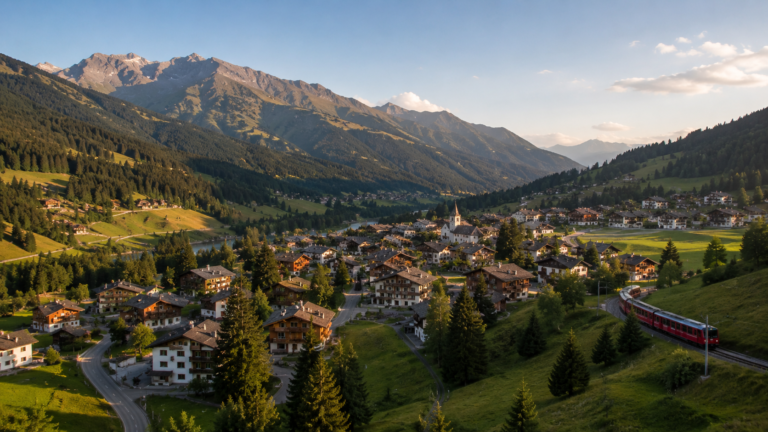
For local communities, the mountain represents both a natural landmark and a source of regional identity. The villages surrounding the Eiger have developed alongside tourism while maintaining strong connections to Alpine traditions.
Visitors often encounter this heritage through local architecture, mountain railways, traditional cuisine, and the enduring culture of life in the Alps.
Planning a Visit
Travelers can reach the Eiger region easily using Switzerland’s efficient public transportation network. Grindelwald and Lauterbrunnen serve as major gateways, connecting visitors to mountain railways, cable cars, and hiking routes.
Weather conditions can change rapidly in Alpine environments, so flexible planning is recommended. Clear days generally provide the best opportunities for mountain views and photography.
Layered clothing is useful throughout the year due to cooler temperatures at higher elevations, even during summer months.
What makes the Eiger truly special is its ability to appeal to a wide range of travelers. Climbers see a legendary challenge, hikers discover outstanding trails, photographers find endless inspiration, and casual visitors experience one of the most dramatic mountain landscapes in Europe. Standing beneath its towering walls or viewing it from a distant ridge, it becomes clear why the Eiger remains one of Switzerland’s most enduring natural icons.