Jakobshorn, Davos, Graubünden, Switzerland
Jakobshorn: Davos’ Adventure Mountain Where Alpine Tradition Meets Modern Action
Few mountains in Switzerland combine outdoor adventure, sporting heritage, and panoramic scenery quite like Jakobshorn. Rising above the famous Alpine town of Davos, this prominent peak has earned a reputation as one of the most dynamic mountain destinations in the Swiss Alps. While many visitors recognize Jakobshorn for its winter sports culture, the mountain has evolved into a year-round attraction where hiking, biking, sightseeing, paragliding, and mountain dining share equal importance with skiing and snowboarding.
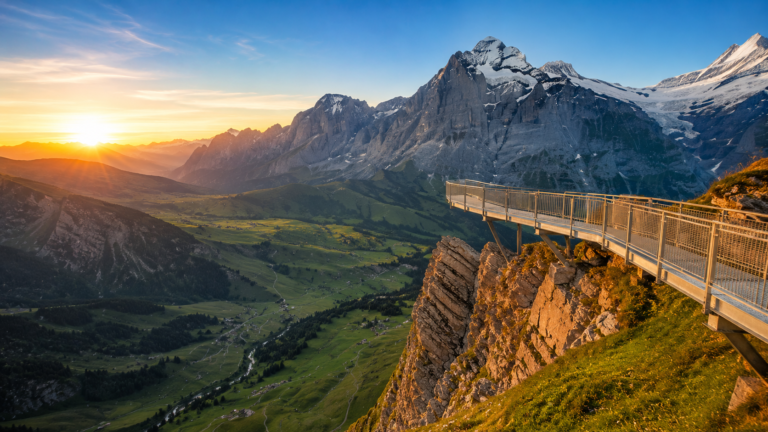
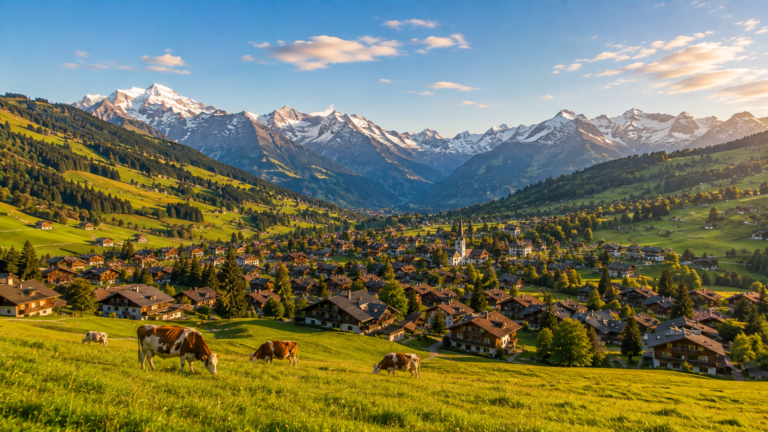
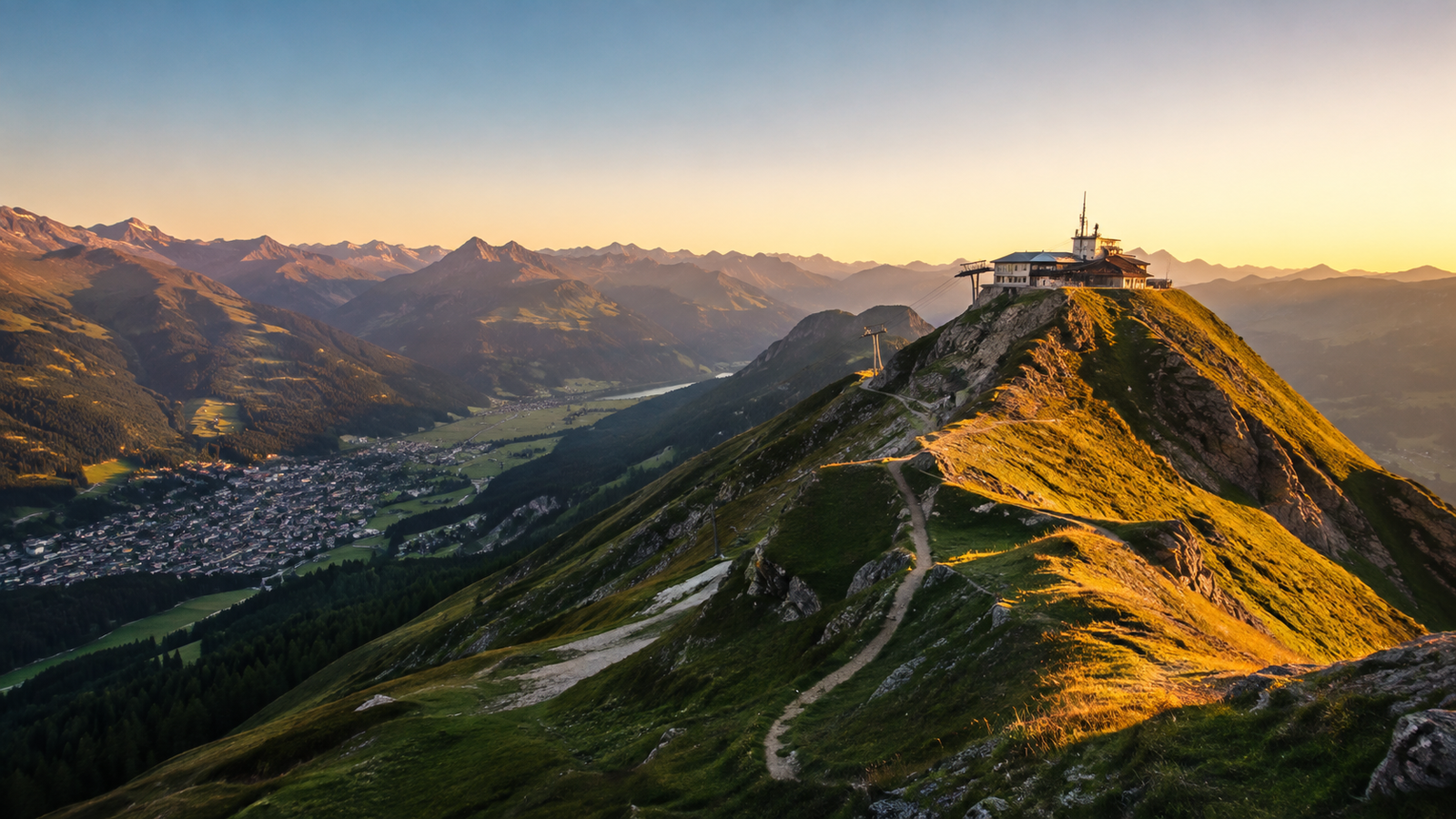
Located on the eastern side of Davos, Jakobshorn forms part of the mountainous landscape that surrounds the Landwasser Valley in the canton of Graubünden. The summit area reaches an elevation of roughly 2,590 meters and offers sweeping views across the valleys and peaks of the Davos region. From viewing terraces and mountain trails, visitors can admire a panorama that includes numerous Alpine summits stretching across southeastern Switzerland.
The mountain occupies a special place in the history of winter sports. In 1934, the Bolgen area at the foot of Jakobshorn became the site of the world’s first T-bar ski lift, a development that helped establish Davos as a pioneer in Alpine skiing. This innovation transformed mountain recreation and influenced ski resort development across the world. Jakobshorn later became known for embracing new trends in snow sports, particularly during the rise of snowboarding, when the area gained a reputation as one of the most progressive mountain destinations in the Alps.
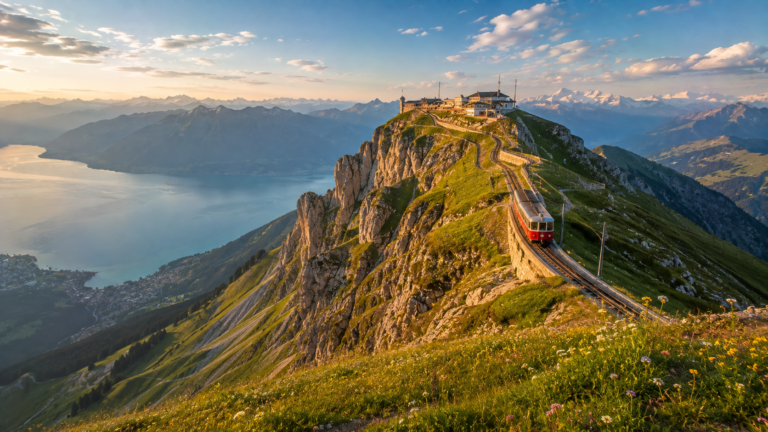
Today, visitors typically reach the mountain using the Jakobshorn cable car system from Davos Platz. Modern lift infrastructure provides efficient access to the upper mountain, allowing travelers to move quickly from the valley floor into a high-Alpine environment. The ride itself is part of the experience, gradually revealing broader views of forests, mountain slopes, and the surrounding landscape.
What distinguishes Jakobshorn from many other Alpine peaks is its remarkably diverse range of activities. During the warmer months, the mountain becomes a hub for hikers exploring the extensive trail network that spreads across the region. Some routes follow scenic ridges toward neighboring summits, while others descend into picturesque valleys such as the Sertig Valley. These walks offer changing perspectives of the Alps and showcase the natural beauty that has made Graubünden one of Switzerland’s most celebrated mountain regions.
One of the most popular hiking experiences is the ridge route connecting Jakobshorn with nearby high points such as Jatzhorn. Along these trails, hikers encounter dramatic mountain scenery, open ridgelines, and expansive views that extend across the Davos landscape. The combination of accessibility and spectacular scenery makes these routes attractive to both experienced hikers and casual visitors looking for memorable viewpoints.
Mountain biking is another major reason travelers visit Jakobshorn. The mountain forms part of the internationally known Davos trail network and serves as a gateway to several renowned biking routes. Riders can access challenging descents and long-distance Alpine trails that pass through forests, mountain meadows, and rugged terrain. The area’s reputation among mountain bikers continues to grow thanks to its combination of lift-assisted access and varied trail experiences.
Paragliding enthusiasts are also drawn to Jakobshorn. The mountain’s elevation, open terrain, and favorable conditions make it a popular launch point for flights above Davos. Tandem experiences allow visitors without previous flying experience to see the region from an entirely different perspective. Floating above the valleys and mountain ridges offers a unique appreciation for the scale of the Alpine landscape.
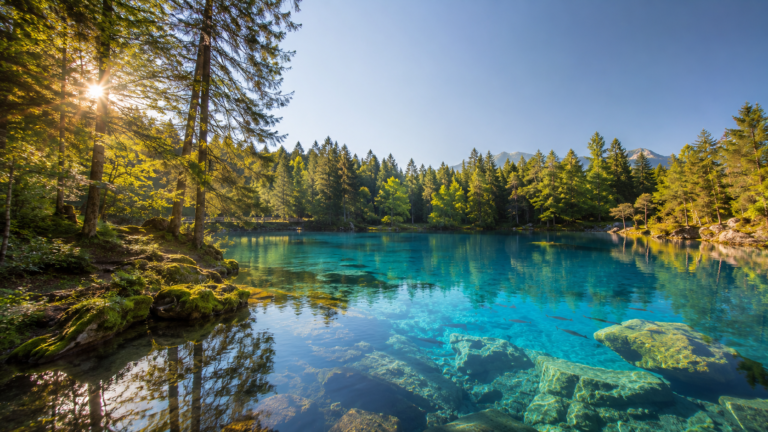
A particularly appealing feature for families and leisure travelers is Stadlersee, a mountain lake located near the summit area. Easily reached on foot from the cable car station, the lake serves as a peaceful spot for relaxation, picnics, and photography. Surrounded by mountain scenery and open skies, it provides a quieter contrast to the more active sporting attractions found elsewhere on the mountain.
Visitors interested in local traditions can combine a mountain excursion with a visit to the Clavadeleralp show dairy near the Jschalp area. Here, guests gain insight into Alpine cheese-making practices that remain an important part of regional culture. The experience highlights the connection between mountain agriculture and the communities that have shaped life in the Alps for generations.
Winter brings an entirely different atmosphere to Jakobshorn. Snow transforms the mountain into one of Davos Klosters’ most active ski areas. Skiers and snowboarders have access to a variety of slopes and terrain suited to different experience levels. Jakobshorn has long been associated with freestyle sports, and its JatzPark terrain park remains one of the area’s defining attractions. Freestyle riders can find jumps, rails, and other features designed for progression and creativity on snow.
Beyond traditional skiing and snowboarding, Jakobshorn offers opportunities for snowshoeing, winter hiking, and freeride adventures in designated areas. The mountain’s varied terrain allows visitors to experience winter landscapes from multiple perspectives, whether they prefer active exploration or simply enjoying the scenery from a mountain restaurant terrace.
Dining is another important part of the visitor experience. Several mountain restaurants and huts are located throughout the ski area, providing places to enjoy regional specialties while overlooking the Alps. The mountain’s social atmosphere has helped establish Jakobshorn as one of Davos’ best-known gathering places for winter recreation and mountain leisure.
The best time to visit depends on the type of experience travelers seek. Summer is ideal for hiking, biking, sightseeing, and outdoor exploration. Warm temperatures and clear mountain trails create excellent conditions for discovering the region’s landscapes. Winter attracts visitors interested in snow sports and classic Alpine scenery, while transitional seasons often provide quieter opportunities to appreciate the mountains with fewer crowds.
Travelers should prepare for changing mountain weather regardless of season. Conditions at higher elevations can differ significantly from those in Davos below. Layered clothing, appropriate footwear, and awareness of mountain forecasts help ensure a comfortable visit. Those planning longer hikes should also carry water and essential supplies suitable for Alpine terrain.
Jakobshorn’s enduring appeal comes from its ability to offer far more than a single mountain viewpoint. It is a place where the history of modern skiing intersects with contemporary outdoor adventure, where family-friendly excursions coexist with demanding sports, and where visitors can experience both the cultural traditions and natural beauty of Graubünden. Whether arriving for a summer ridge walk, a mountain bike descent, a paragliding flight, or a winter day on the slopes, travelers discover a mountain that continues to define the spirit of Davos and the Swiss Alps.