Wengen Historic Village, Wengen, Switzerland
Wengen Historic Village: Discover Switzerland’s Timeless Car-Free Alpine Retreat
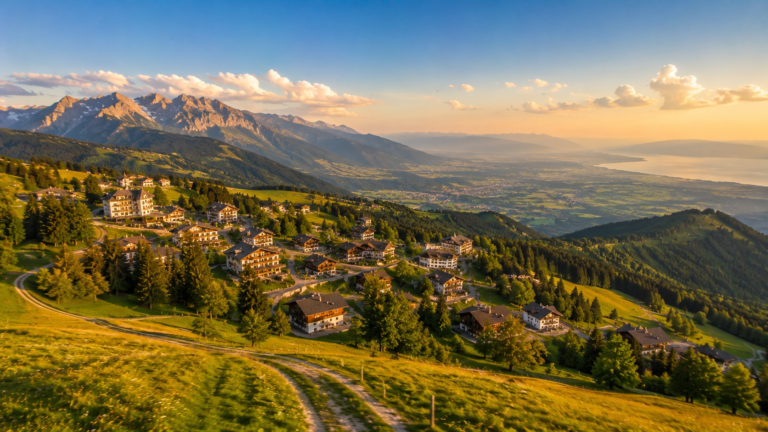
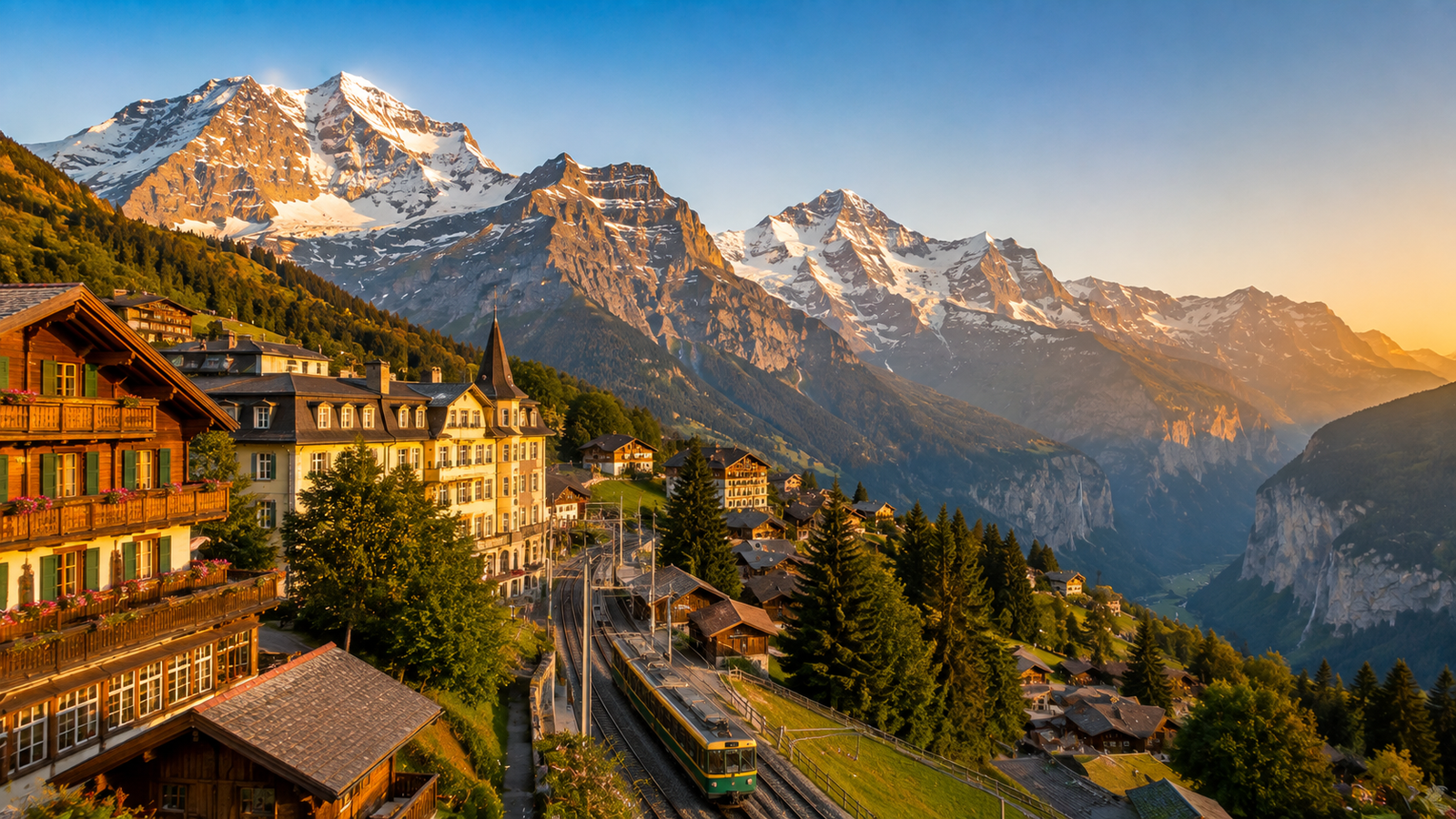
There are few places in the Swiss Alps where the journey itself becomes part of the destination. Wengen, perched on a sunny terrace high above the Lauterbrunnen Valley, is one of those rare villages. Visitors arriving by cogwheel railway quickly notice something unusual: there are no traffic jams, no engine noise, and no roads connecting the village to the outside world. Instead, wooden chalets, mountain hotels, flower-filled balconies, and panoramic views create an atmosphere that feels distinctly separated from modern urban life.
Located in the Bernese Oberland at an elevation of approximately 1,274 meters (4,180 feet), Wengen has become one of Switzerland’s most beloved mountain destinations. Yet despite its international reputation, the historic core of the village retains much of its traditional Alpine character. Walking through its quiet streets offers a glimpse into a community that evolved from a remote farming settlement into a world-renowned mountain resort while preserving its unique identity.
A Village Shaped by the Mountains
Long before tourists arrived, Wengen was an isolated mountain community. Historical records mention the settlement as early as the 13th century, when local families depended largely on agriculture and alpine livestock farming. The steep terrain and lack of road access meant that residents lived closely connected to the rhythms of mountain life.
For centuries, the village remained relatively small and secluded. Everything changed during the 19th century when the dramatic landscapes of the Jungfrau region began attracting artists, climbers, writers, and travelers from across Europe. British visitors were particularly influential in introducing the area to international tourism.
The true transformation came with the opening of the Wengernalp Railway in the 1890s. The railway connected Wengen with Lauterbrunnen and eventually opened access to higher mountain destinations within the Jungfrau region. While tourism expanded rapidly, the village maintained its commitment to limited vehicle access, a decision that continues to define Wengen today.
The Charm of a Car-Free Historic Core
What distinguishes Wengen from many Alpine resorts is its remarkable pedestrian-friendly environment. The absence of regular automobile traffic creates a peaceful atmosphere that visitors immediately notice upon arrival.
The historic village center is best explored on foot. Traditional wooden chalets line winding streets, many decorated with colorful flower boxes during the warmer months. Elegant hotels dating from the golden age of Alpine tourism stand alongside family-run guesthouses, reflecting more than a century of hospitality traditions.
The village church serves as a recognizable landmark within the community, while numerous scenic viewpoints provide uninterrupted vistas toward the Lauterbrunnen Valley below. Benches positioned throughout the village encourage visitors to slow down and appreciate the surrounding landscape rather than rush from one attraction to another.
This slower pace of life remains one of Wengen’s greatest attractions. Even during busy travel seasons, the village preserves a sense of tranquility that is increasingly difficult to find in major tourist destinations.
A Front-Row Seat to the Jungfrau Region
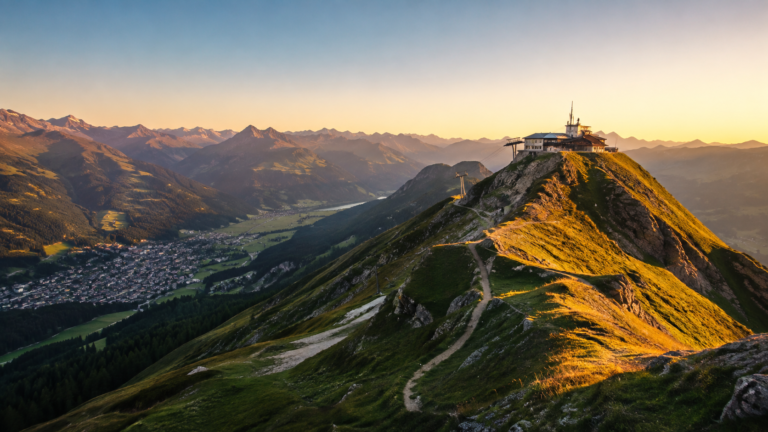
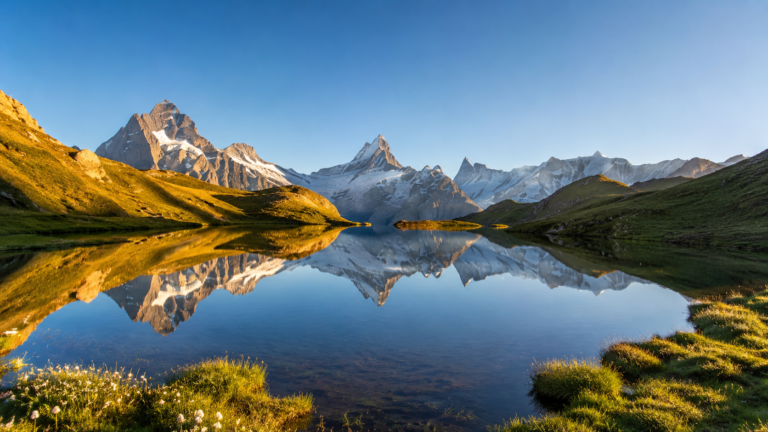
Wengen’s location places it among some of the most celebrated mountain scenery in Switzerland. From the village, visitors enjoy spectacular views of the iconic peaks of the Bernese Alps, including the Eiger, Mönch, and Jungfrau.
Morning sunlight illuminates the snow-covered summits, while evening often brings the phenomenon known as alpenglow, when mountain faces take on shades of pink, orange, and red. These daily transformations contribute to the village’s enduring appeal among photographers and nature enthusiasts.
The dramatic Staubbach Falls, one of Switzerland’s highest free-falling waterfalls, can be seen across the valley. The combination of waterfalls, towering cliffs, forests, and glaciers creates a landscape that has inspired travelers for generations.
Unlike destinations that focus on a single viewpoint, Wengen offers ever-changing perspectives throughout the village itself, making simple walks a rewarding experience.
Architecture That Reflects Alpine Heritage
Wengen’s historic character is closely linked to its architecture. Many buildings showcase traditional Alpine construction techniques adapted to mountain conditions.
Wood remains the dominant material, and many chalets feature steep roofs designed to withstand heavy snowfall. Decorative balconies, carved facades, and carefully maintained gardens contribute to the village’s visual appeal.
At the same time, visitors can observe how Wengen evolved during the rise of mountain tourism. Grand hotels built during the late 19th and early 20th centuries introduced architectural influences that blended local traditions with the expectations of international travelers.
The result is a village where historical continuity remains visible. Rather than becoming an open-air museum, Wengen continues to function as a living community while honoring its architectural heritage.
The Village Through the Seasons
Wengen transforms dramatically throughout the year, offering distinct experiences in every season.
Winter
Winter has long played an important role in the village’s international reputation. Snow-covered streets, illuminated chalets, and access to extensive ski terrain create a classic Alpine setting.
The village is particularly famous for the Lauberhorn races, one of the most prestigious events in Alpine ski racing. Athletes and spectators from around the world gather annually to witness competitions on the legendary Lauberhorn course, known for being among the longest downhill races in the World Cup circuit.
Beyond competitive skiing, visitors enjoy winter hiking, sledding, snowshoeing, and scenic mountain excursions.
Spring and Summer
As snow retreats from lower elevations, alpine meadows begin to bloom. Hiking trails connect Wengen with neighboring mountain areas, offering opportunities to explore forests, ridgelines, and panoramic viewpoints.
Summer reveals a different side of village life. Outdoor cafés become gathering places, mountain railways carry visitors toward higher elevations, and long daylight hours encourage exploration.
The village serves as a convenient gateway to famous destinations such as Kleine Scheidegg, Männlichen, and Jungfraujoch, allowing travelers to experience some of Switzerland’s most remarkable mountain landscapes.
Autumn
Autumn brings quieter trails and changing colors across the mountainsides. Crisp air, golden forests, and reduced visitor numbers create a particularly appealing atmosphere for travelers seeking a more peaceful Alpine experience.
Traditional agricultural activities remain visible during this season, connecting modern tourism with centuries-old mountain traditions.
Experiencing Local Culture
Although international tourism is central to Wengen’s economy, local traditions remain an important part of community life.
Regional cuisine reflects the agricultural heritage of the Bernese Oberland. Restaurants frequently feature local cheeses, mountain specialties, and seasonal ingredients sourced from surrounding areas.
Throughout the year, cultural events and community gatherings celebrate Alpine customs that have shaped life in the region for generations. Visitors who spend time beyond the main tourist attractions often discover a village that remains deeply connected to its mountain roots.
Reaching Wengen
Part of Wengen’s appeal comes from its distinctive accessibility. The village cannot be reached by conventional road transport. Instead, visitors travel by train through Lauterbrunnen and continue on the historic Wengernalp Railway.
This arrival experience helps preserve the village’s peaceful atmosphere while providing one of Switzerland’s most scenic rail journeys. The railway remains a vital connection for residents and visitors alike, linking Wengen with the wider Jungfrau region.
For travelers exploring the Bernese Oberland, Wengen offers more than a beautiful mountain destination. It presents a rare opportunity to experience an Alpine village where history, landscape, and community remain closely intertwined. Whether arriving for hiking, winter sports, photography, or simply the pleasure of slowing down, visitors often discover that the village’s greatest attraction is its ability to make time feel a little less hurried amid some of Switzerland’s most extraordinary scenery.