Brissago Islands, Brissago
Brissago Islands: Switzerland’s Mediterranean Garden Paradise on Lake Maggiore
A short boat ride across the shimmering waters of Lake Maggiore transports visitors into a landscape that feels surprisingly distant from traditional images of Switzerland. Instead of alpine meadows, snow-covered peaks, and mountain chalets, the Brissago Islands present a world of palm trees, exotic flowers, subtropical vegetation, and lakeside elegance.
Located near the Swiss shore of Lake Maggiore in the canton of Ticino, the Brissago Islands are the only islands within Switzerland’s section of the lake. Their unique microclimate has transformed them into one of the country’s most remarkable botanical destinations, where plants from across the globe thrive in conditions rarely found elsewhere in Switzerland.
For travelers seeking a combination of natural beauty, horticultural excellence, history, and lake scenery, the Brissago Islands offer an experience unlike any other Swiss attraction.
Two Islands, One Extraordinary Destination
The Brissago Islands consist of two small islands situated in the northern section of Lake Maggiore.
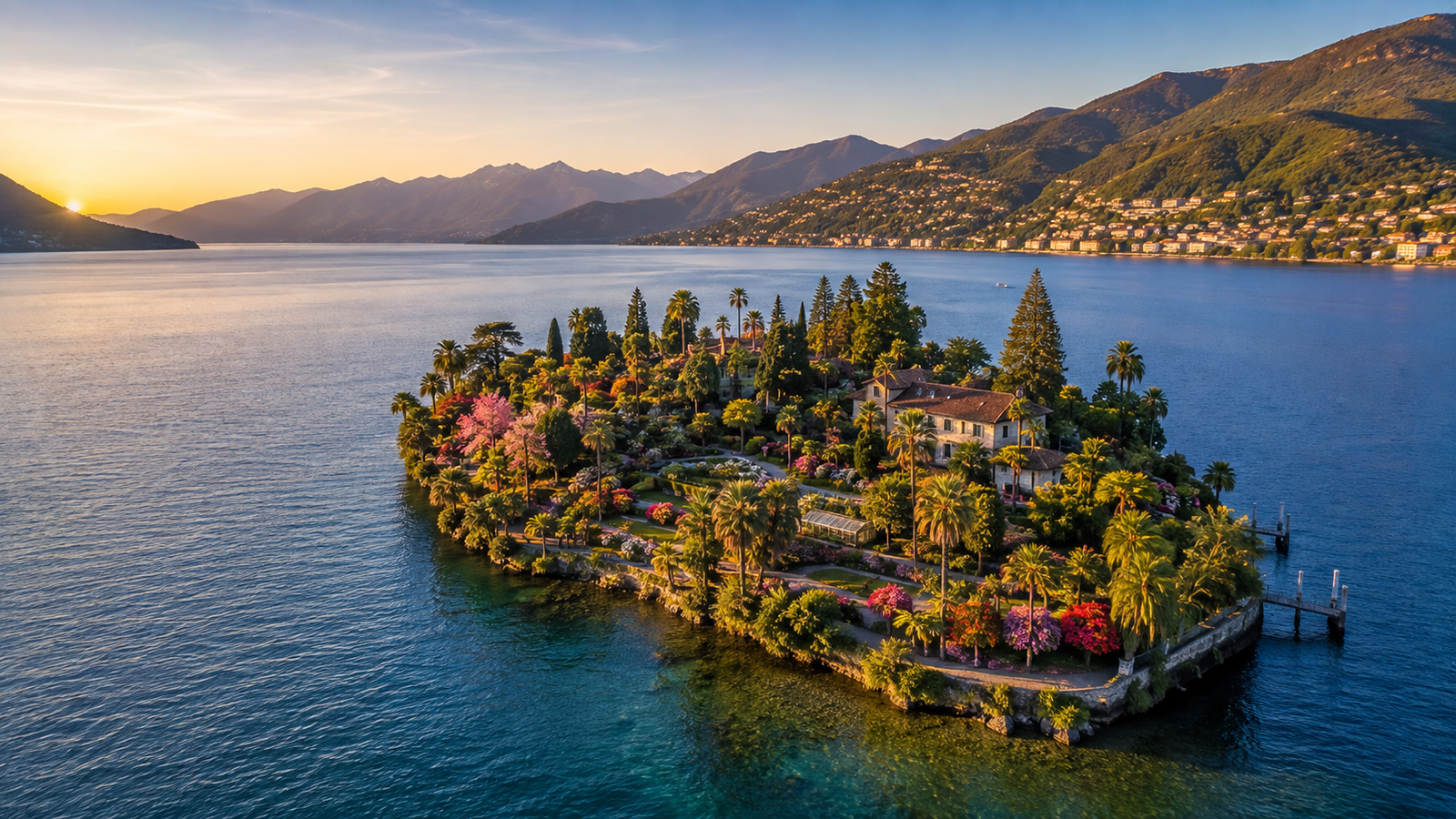
The larger island, San Pancrazio, is open to visitors and contains the renowned Botanical Garden of the Canton Ticino. The smaller island, Sant’Apollinare, remains largely protected and inaccessible to the public, preserving its natural environment and ecological importance.
Together, the islands form a distinctive landmark within one of southern Europe’s most scenic lake regions. Their location benefits from Lake Maggiore’s moderating influence, creating a mild climate that supports an extraordinary diversity of plant species.
This unusual setting has earned the islands international recognition among botanists, gardeners, and travelers interested in rare landscapes.
A Garden Created by Climate and Vision
The botanical significance of the Brissago Islands did not emerge by accident.
At the beginning of the twentieth century, the larger island became the site of an ambitious botanical project that sought to cultivate species from subtropical and Mediterranean regions around the world. Thanks to the exceptionally mild local climate, many of these plants adapted successfully and flourished.
Today, the Botanical Garden contains species originating from multiple continents, including regions of Asia, Africa, the Americas, Oceania, and the Mediterranean Basin. Rather than organizing plants strictly according to scientific classification, the garden presents them within geographic and climatic zones that reflect their natural origins.
Walking through the island feels like traveling across several continents within a relatively small area. Visitors may encounter palms, bamboo groves, eucalyptus trees, flowering shrubs, succulents, and numerous rare botanical specimens during a single visit.
The diversity is particularly striking given the garden’s location in Switzerland.
The Influence of Lake Maggiore
The success of the islands’ botanical collections depends largely on geography.
Lake Maggiore acts as a natural climate regulator, reducing temperature extremes and creating conditions that are considerably milder than those found in many other parts of Switzerland. The surrounding mountains further help shelter the area from harsher weather patterns.
As a result, plants that would struggle to survive elsewhere in the country can flourish here. This combination of water, sunshine, and protection has produced one of Switzerland’s most distinctive ecological environments.
Visitors often describe the atmosphere as distinctly Mediterranean. The blend of subtropical vegetation, lake breezes, and panoramic views creates a setting that feels more closely associated with southern Europe than with the classic alpine landscapes found elsewhere in the country.
Arriving by Boat
Part of the attraction’s appeal lies in the journey itself.
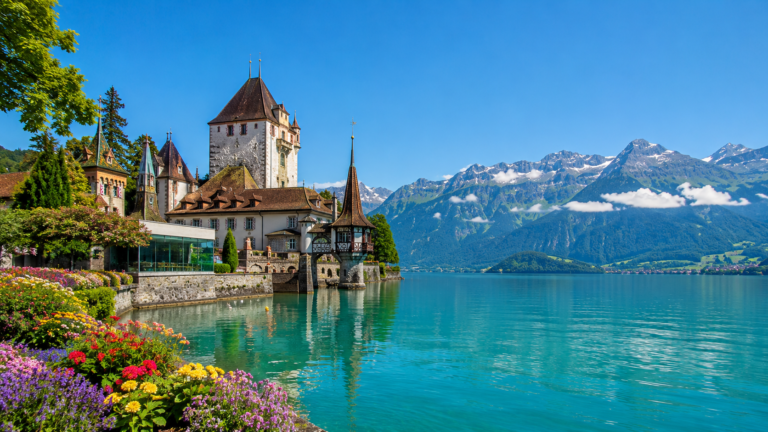
The islands are accessible by passenger boats operating on Lake Maggiore, allowing visitors to approach the destination gradually from the water. As the islands come into view, their lush vegetation stands out against the deep blue lake and surrounding mountains.
The boat ride provides changing perspectives of the shoreline communities, forested hillsides, and distant peaks that frame the region. By the time visitors step ashore, the experience already feels distinct from a conventional garden visit.
The arrival reinforces the sense of entering a self-contained world separated from the mainland by both water and atmosphere.
Walking Through the Botanical Garden
Exploration of the larger island follows pathways that wind through carefully maintained collections and scenic viewpoints.
Unlike formal European palace gardens dominated by geometric layouts, the Brissago Islands emphasize a more natural relationship between plants and landscape. Curving paths lead through diverse habitats where exotic species are integrated into the island’s terrain.
Throughout the garden, visitors encounter interpretive information that highlights the origins and characteristics of various plants. Seasonal changes bring new colors and textures, ensuring that the experience varies throughout the year.
The island’s relatively compact size allows guests to explore comfortably while still providing enough variety to encourage unhurried discovery.
Whether viewed from close range or against the backdrop of Lake Maggiore, the plant collections create a rich visual experience.
History Beyond the Garden
The islands possess a cultural history that extends beyond their botanical significance.
Over the centuries, they have attracted religious communities, private owners, artists, and visionaries drawn to their beauty and isolation. Various periods of development have shaped the islands’ appearance, contributing to the layered character visible today.
Historic structures on the larger island add another dimension to the visitor experience. They reflect changing uses of the property while helping preserve the connection between the islands’ natural and cultural heritage.
This blend of landscape design, history, and conservation helps distinguish the Brissago Islands from many other botanical attractions.
Photography and Scenic Views
Few locations in Ticino combine lake scenery and botanical beauty as effectively as the Brissago Islands.
Every direction offers a different perspective. Looking outward, visitors see the waters of Lake Maggiore stretching toward surrounding mountains and lakeside villages. Looking inward, exotic vegetation creates colorful and textured compositions rarely associated with Switzerland.
Photographers frequently visit during spring and summer when flowering plants add vibrant accents to the landscape. Early morning and late afternoon light often enhance the reflective qualities of the lake and highlight the garden’s diverse plant forms.
The visual appeal remains strong throughout the year thanks to the evergreen character of many species.
A Different Side of Switzerland
The Brissago Islands challenge many assumptions about Swiss geography and climate.
Travelers who associate Switzerland exclusively with alpine environments often discover an entirely different side of the country here. The islands demonstrate how regional diversity shapes Swiss landscapes, particularly in the southern canton of Ticino, where Mediterranean influences are deeply woven into local culture and nature.
This contrast is part of the attraction’s enduring appeal. Visitors can experience a subtropical botanical garden, travel by boat across one of Europe’s most beautiful lakes, and still remain firmly within Switzerland.
For those exploring Lake Maggiore, the Brissago Islands provide more than a scenic excursion. They offer a rare opportunity to encounter global plant diversity within a uniquely Swiss setting—one where climate, geography, and human vision have combined to create a destination found nowhere else in the country.