
Solothurn Canton
Introduction
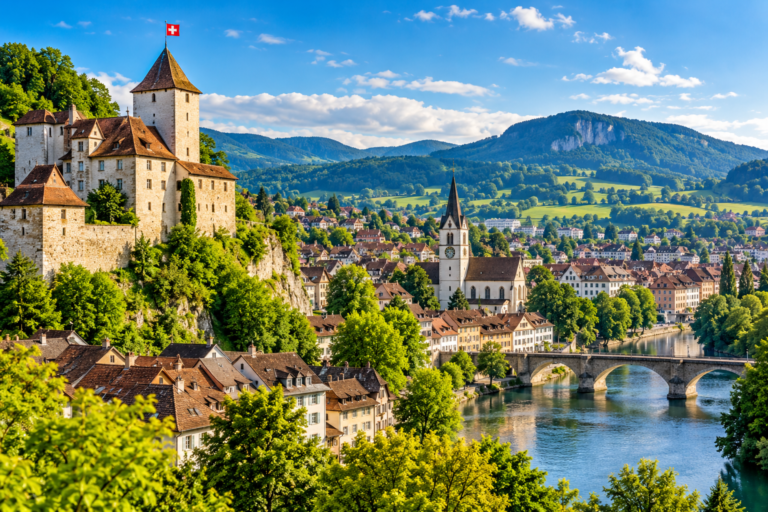
In northwestern Switzerland, where the rolling Jura mountains meet historic towns and the River Aare winds through the countryside, Solothurn Canton offers a distinctive combination of cultural heritage, natural beauty and traditional Swiss life. Often associated with the elegant Baroque architecture of its capital, Solothurn, the canton also features forested hills, rural villages, river landscapes and communities with strong regional identities. It is an appealing destination for travelers who want to discover Switzerland beyond its best-known Alpine resorts.
The canton is particularly attractive for visitors interested in history, architecture, hiking and relaxed city breaks. In Solothurn’s Old Town, ornate fountains, historic facades and impressive churches reflect centuries of prosperity and cultural exchange. Outside the city, the Jura hills provide walking trails and viewpoints, while towns such as Olten and Grenchen reveal other sides of the region, from transport connections to industrial heritage.
Whether you are planning a day trip, a weekend getaway or a longer journey through northern Switzerland, this Solothurn travel guide introduces the places, experiences and practical details that can help you make the most of your visit.
Quick Facts About Solothurn Canton
| Fact | Information |
|---|---|
| Official name | Kanton Solothurn (German) |
| Capital | Solothurn |
| Largest city by population | Olten |
| Area | Approximately 791 km² |
| Population | 293,081 at 31 December 2025, according to the canton’s register |
| Official language | German |
| Highest point | Hasenmatt, approximately 1,445 m above sea level |
| Lowest point | Aare valley near the canton boundary, in the low 400 m range |
| Joined Swiss Confederation | 1481 |
| Vehicle registration code | SO |
| Municipalities | 104 from 1 January 2026 |
Population note: the 2025 figure comes from the canton’s population register and may differ from the Federal Statistical Office’s definition of permanent resident population. The municipality count reflects the 2026 mergers. Area and economic information are published by the cantonal business-promotion office.
Where Is Solothurn Located?
Solothurn lies in northwestern Switzerland, south of Basel and north of Bern, in a region that connects the Swiss Plateau with the Jura mountain range. The canton occupies a strategically positioned area between several important urban and economic centres, making it convenient for visitors traveling around Switzerland.
It borders the cantons of Bern, Aargau, Basel-Landschaft and Jura. Parts of its territory extend into the northern Jura region, creating a geographically varied canton rather than one continuous, uniformly shaped area. The canton also has a short international border with France in the northwest.
Its location has helped shape its history and economy. River crossings, trade routes, railways and road connections have linked its communities with other parts of Switzerland for centuries. Today, Solothurn and Olten are particularly useful bases for exploring the surrounding region by public transport.
Geography and Landscape

Solothurn’s landscape is shaped by two broad geographical zones: the relatively open Swiss Plateau and the wooded ridges and valleys of the Jura. Agricultural land, settlements and transport corridors occupy much of the lower terrain, while higher ground offers forests, limestone formations, open pastures and far-reaching views.
Jura Mountains and Weissenstein
The Jura forms the canton’s most recognizable natural backdrop. Weissenstein, above Solothurn, is a popular mountain destination where visitors can enjoy walking trails, cycling routes and views across the Swiss Plateau toward the Alps on clear days. The summit area is accessible by cable car from Oberdorf, making it suitable for both experienced hikers and travelers seeking an easier mountain excursion.
Rivers and Valleys
The Aare is central to the character of Solothurn city and the surrounding region. Its banks provide pleasant walking areas, riverside restaurants and opportunities for seasonal boat excursions. Other parts of the canton contain streams, wooded valleys and agricultural landscapes that give the rural districts a quieter character.
Nature and Rural Scenery
The Jura foothills offer a mixture of forest, farmland, meadows and traditional villages. These environments are ideal for travelers who prefer outdoor recreation and less crowded destinations. As in other Swiss regions, marked trails and designated natural areas help visitors explore responsibly while respecting local wildlife and landscapes.
History of Solothurn Canton
Solothurn’s history stretches back to Roman times, when a settlement called Salodurum developed near an important crossing of the Aare. Roman remains can still be found around the city’s historic centre, connecting modern Solothurn with its ancient past. The settlement also became associated with Saints Ursus and Victor, whose traditions helped establish its religious importance.
During the Middle Ages, Solothurn gained political and commercial significance. In 1038, Holy Roman Emperor Conrad II held a royal assembly there and crowned his son Henry III as King of Burgundy. Later, after the decline of the Zähringen dynasty in 1218, the city developed into a free imperial city, gradually expanding its influence over neighbouring territories.
A major turning point came in 1481, when Solothurn joined the Swiss Confederation alongside Fribourg. Its connections with France later helped shape the city’s social and architectural character. During the early modern period, wealthy families associated with diplomatic and mercenary networks built residences and public structures that contributed to the city’s distinctive Baroque appearance.
The nineteenth century brought economic changes, including the arrival of the railway in Solothurn in 1857. Industrial development, modern transport and expanding commercial activity subsequently transformed parts of the canton. Today, Solothurn combines historic urban centres with manufacturing, services, education and regional business activity.
Culture and Traditions
Solothurn’s cultural identity combines Swiss German traditions, Catholic heritage, Baroque architecture and a long-standing relationship with France. Its capital is widely known as the Ambassador City, reflecting the historical presence of the French ambassador and the diplomatic connections that influenced local society.
The Magic Number 11
One of the most distinctive traditions in Solothurn is its fascination with the number 11. The canton joined the Confederation as its eleventh member, and the number appears throughout the capital’s architecture and local traditions. St. Ursus Cathedral, for example, has 11 altars and 11 bells, while its design incorporates other multiples of 11. The tradition has become an important part of the city’s identity and a memorable detail for visitors.
Festivals, Music and Local Life
Solothurn hosts cultural events throughout the year, including the internationally known Solothurn Film Festival, which celebrates Swiss filmmaking. The city also has a lively restaurant and café culture, museums, galleries and seasonal markets.
Traditional celebrations, regional music and village festivals remain part of community life across the canton. The best way to experience these traditions is to check local municipal and tourism calendars before traveling, since dates and programs vary annually.
Architecture and Regional Identity
The capital’s Baroque buildings, historic fountains, churches and narrow streets are among the canton’s strongest cultural attractions. Beyond the city, visitors will find traditional village centres, farmhouses and historic buildings that reflect the rural character of the Jura and Swiss Plateau.
Major Cities and Towns in Solothurn Canton
1. Solothurn
The canton’s capital and principal cultural destination, Solothurn is famous for its Baroque Old Town, St. Ursus Cathedral, historic Clock Tower and the River Aare waterfront. Its compact centre is ideal for exploring on foot, with cafés, shops, museums and architectural landmarks close together. Allow at least half a day for the main sights, or stay longer to explore the surrounding countryside.
2. Olten
Olten is a major railway junction and one of the canton’s largest urban centres. Its historic wooden bridge, riverside setting and compact old town provide reasons to stop beyond a train connection. Olten is also a practical base for exploring the Jura foothills and nearby communities.
3. Grenchen
Grenchen is associated with Swiss watchmaking and precision manufacturing. Located near the Jura, it also provides access to countryside walks and cycling routes. It is a useful destination for visitors interested in the relationship between Swiss industrial history and the region’s landscape.
4. Balsthal
Balsthal sits in a Jura valley and is a useful starting point for discovering nearby hills, walking routes and historic sites. The surrounding landscape offers a quieter experience than the canton’s principal cities, particularly for travelers who enjoy outdoor exploration.
5. Dornach
Dornach is notable for the Goetheanum, an internationally recognized centre associated with anthroposophy and the work of Rudolf Steiner. Its distinctive architecture and cultural significance make it an interesting stop for visitors interested in modern architecture, philosophy and alternative artistic traditions.
Other communities worth exploring include Zuchwil, Biberist, Trimbach, Oensingen and the villages scattered throughout the Jura foothills. Each offers a different perspective on everyday life in Solothurn Canton.
Top Attractions in Solothurn Canton
1. St. Ursus Cathedral
This is the landmark most closely associated with Solothurn. Built between 1762 and 1773 in an early Neoclassical style, the cathedral features an impressive staircase, an elegant facade and a richly decorated interior. Its connection with the number 11 adds an extra layer of interest. Check visiting arrangements around religious services and seasonal tower access.
2. Solothurn Old Town
Walk through historic streets lined with Baroque facades, traditional shops, cafés and fountains. The pedestrian-friendly centre is ideal for photography and relaxed sightseeing. Local markets add colour to the squares on selected days, and a guided walk can reveal stories behind the city’s architecture.
3. Weissenstein
Solothurn’s local mountain is a highlight for outdoor lovers. A cable car from Oberdorf takes visitors into the Jura, where marked trails, mountain restaurants and panoramic viewpoints await. On clear days, views can stretch across the Swiss Plateau toward the Alps.
4. Verena Gorge and Hermitage
This wooded gorge near Solothurn offers a peaceful walk beside a stream, with small chapels and a historic hermitage set among the rocks and trees. It is a rewarding option for visitors who want nature and a sense of quiet without planning a full mountain excursion.
5. Jesuit Church
This Baroque church is one of the city’s important architectural treasures. Its ornate interior and historic setting make it a worthwhile addition to a walking tour, particularly for travelers interested in religious art and the city’s eighteenth-century heritage.
6. Clock Tower (Zeitglockenturm)
Dating to the early thirteenth century, the Clock Tower is considered the oldest building in the city. Its astronomical clock dates to 1545, and moving figures perform as the hour strikes. It is a small but memorable stop along the Old Town’s main streets.
7. Aare River waterfront
Enjoy a riverside walk, stop at a café or plan a boat excursion when services operate. The Aare gives Solothurn a relaxed atmosphere, especially in warm weather, and connects the city’s historic centre with the wider river landscape.
8. Kunstmuseum Solothurn
The Solothurn Art Museum offers an indoor cultural experience for visitors who want to complement architecture and outdoor sightseeing with art. Check its official website for current exhibitions, opening times and collection highlights before visiting.
These attractions provide a balanced introduction to the canton, from historic architecture and religious heritage to scenic outdoor experiences. For a first visit, the capital’s Old Town, St. Ursus Cathedral and Weissenstein make an especially rewarding combination.
Nature and Outdoor Activities
Solothurn is a strong choice for travelers who enjoy the outdoors but do not necessarily want to spend every day in high Alpine terrain. Its combination of Jura hills, river paths, forests and countryside creates opportunities for both gentle excursions and more demanding adventures.

Hiking
The Weissenstein area offers some of the region’s most rewarding walks, including routes across open ridges and forested slopes. Lower-altitude trails around the Jura villages and Verena Gorge are suitable for visitors seeking shorter outings. Check trail conditions, weather forecasts and seasonal closures before setting off.
Cycling
Road cyclists can explore the countryside between villages, while recreational riders can follow quieter regional roads and designated cycling routes. The flatter areas near the Aare are suitable for more relaxed rides, while the Jura introduces steeper climbs.
Winter Activities
When snow conditions permit, the higher Jura areas offer opportunities for winter walks, snowshoeing and selected winter sports. Conditions vary considerably from year to year, so confirm local reports before planning a snow-dependent trip.
Rivers and Scenic Excursions
The Aare provides a scenic setting for walking, relaxing by the water and seasonal boat trips. Visitors should follow local safety guidance when swimming or engaging in water activities, as river currents and water temperatures can change quickly.
Food and Local Specialties

Food in Solothurn reflects the wider culinary traditions of German-speaking Switzerland, with regional variations shaped by agriculture, local producers and neighbouring regions. Restaurants range from casual cafés to traditional Swiss establishments and contemporary dining venues.
Traditional Swiss Dishes
Visitors can look for rösti, a potato dish commonly served as a side or main course, as well as cheese-based meals, seasonal soups and regional meat dishes. Fondue and raclette are popular Swiss specialities, particularly during colder months, although neither is exclusive to Solothurn.
Cheese, Bread and Regional Produce
Local bakeries, farm shops and markets are good places to discover bread, cheeses, seasonal fruit and other regional products. Availability depends on the season and individual producers.
Local Drinks
Swiss wines and locally brewed beers are available in the region. Solothurn’s beer culture includes Öufi Bier, whose name refers to the city’s affection for the number 11. Visitors interested in regional products can check local producers and restaurant menus for current offerings.
For a more authentic experience, consider visiting a local market or eating at a traditional restaurant rather than limiting your meals to familiar international chains.
Economy and Industry
Although tourism contributes to the visitor economy, Solothurn is much more than a travel destination. Its economy combines manufacturing, technology, logistics, agriculture and services.
The canton identifies medical technology, precision engineering, watchmaking, mechanical and electrical engineering, energy and battery-related industries, and logistics among its important sectors. Grenchen has a particularly strong association with watchmaking, while Solothurn and Olten serve as significant commercial and service centres.
Agriculture remains visible in the countryside, where cultivated fields, farms and livestock contribute to the regional landscape. The canton’s transport connections also support businesses serving customers throughout Switzerland and beyond.
Transportation and Getting Around
Solothurn Canton is well connected by Switzerland’s rail and road networks, making it practical for visitors who prefer not to rent a car.
By Train
Solothurn and Olten are useful rail gateways. Olten is a particularly important railway junction, with connections to major Swiss cities. From Solothurn, travelers can also reach regional destinations by train and bus.
By Bus and Local Transport
Regional buses connect railway stations with smaller towns and rural communities. Check the route and frequency in advance if you plan to visit a village, trailhead or attraction away from the main rail corridors.
By Car
Major roads link the canton with Bern, Basel, Aargau and other parts of northern Switzerland. A car can be useful for visiting scattered rural attractions, although the historic centre of Solothurn is best explored on foot.
Airports
Solothurn does not have a major commercial passenger airport. International visitors will generally use airports such as Zurich, Basel or Geneva, depending on their wider itinerary, before continuing by rail or road.
Practical tip: For a short visit, public transport is usually sufficient for Solothurn city and Weissenstein. If you want to explore multiple rural villages in one day, check the bus timetable carefully or consider driving.
Best Time to Visit Solothurn Canton

Spring — March to May
Spring is a pleasant time to explore the Old Town, visit museums and enjoy countryside walks as vegetation returns. Mountain trails can remain muddy or snow-covered at higher elevations, especially early in the season.

Summer — June to August
Summer is ideal for hiking, cycling, outdoor dining and enjoying the Aare waterfront. Longer daylight hours make day trips easier, although warm afternoons and occasional thunderstorms are possible.

Autumn — September to November
Autumn brings changing foliage to the Jura forests and a quieter atmosphere to many walking routes. September and early October can be particularly appealing for outdoor sightseeing, subject to weather conditions.

Winter — December to February
Winter is well suited to museums, historic churches, cafés and seasonal city visits. The Jura may offer snowy scenery and winter activities, but snow cover and access are not guaranteed at every elevation.
Best overall choice: Late spring through early autumn is a good starting point for most first-time visitors, especially those planning to combine city sightseeing with hiking. Travelers primarily interested in winter scenery should check current mountain conditions before booking.
Travel Tips for Visitors
- Currency: Switzerland uses the Swiss franc (CHF). Cards are widely accepted, but keeping a little cash is useful for some small businesses and rural stops.
- Language: German is the principal official language of Solothurn Canton. English is often understood in tourism settings, but this varies by location. A few basic German phrases are appreciated.
- Public transport: Plan train and bus connections using SBB, particularly if visiting attractions outside the main towns.
- Walking: Comfortable footwear is recommended for cobblestones, historic streets and uneven hiking trails.
- Mountain safety: Check forecasts, trail conditions and cable-car operating information before traveling to Weissenstein or other elevated areas.
- Opening hours: Museums, church towers and smaller attractions may have seasonal schedules. Confirm current hours before visiting.
- Local etiquette: Greet people politely, respect quiet areas and follow posted rules in churches and natural spaces.
- Budget: Switzerland can be expensive for accommodation, restaurant meals and transport. Booking ahead and comparing transport passes can help control costs.
- Photography: Respect privacy, signs and restrictions inside religious buildings and cultural sites.
- Trip planning: A day can cover the principal sights in Solothurn city, while two or three days allow more time for the Jura, surrounding towns and countryside.
Interesting Facts About Solothurn Canton
1. The canton joined the Confederation in 1481.
Solothurn became part of the Swiss Confederation alongside Fribourg.
2. The number 11 is part of the city’s identity.
It appears in the design of St. Ursus Cathedral and in local traditions.
3. St. Ursus Cathedral took 11 years to rebuild.
Its present major reconstruction took place from 1762 to 1773.
4. Solothurn’s Clock Tower has a sixteenth-century astronomical clock.
The clock was built in 1545 and remains one of the Old Town’s notable landmarks.
5. Weissenstein offers views toward the Alps.
On clear days, its elevated position provides expansive views beyond the Swiss Plateau.
6. Olten is a major Swiss railway junction.
Its rail connections make the town useful for travelers moving between several major Swiss cities.
7. The Aare is central to Solothurn’s riverside character.
The river contributes to the city’s scenery and supports seasonal leisure activities.
8. The canton has a strong precision-manufacturing tradition.
Watchmaking, medical technology and precision engineering are among its important industries.
Why Visit Solothurn Canton?
Solothurn offers an appealing alternative to Switzerland’s most heavily promoted tourist destinations. Its capital delivers impressive architecture, historic streets and a distinctive cultural identity without requiring a large sightseeing itinerary. A walk through the Old Town, a visit to St. Ursus Cathedral and time beside the Aare can provide a rewarding introduction to the region.
The surrounding countryside adds another dimension. Weissenstein and the Jura hills invite visitors to explore on foot or by bicycle, while Olten, Grenchen and smaller communities reveal the canton’s industrial, commercial and rural character. The region is especially suitable for travelers who appreciate history, scenic landscapes and manageable day trips.
For couples, photographers, cultural travelers and outdoor enthusiasts, Solothurn provides a versatile destination that combines urban heritage with access to nature. It is also a practical addition to a wider Swiss itinerary because of its rail connections and location in the country’s northwestern region.
Frequently Asked Questions About Solothurn Canton
1. What is Solothurn Canton famous for?
Solothurn is best known for its Baroque capital, St. Ursus Cathedral, the historic Old Town, the number 11 tradition, the River Aare and the panoramic views from Weissenstein.
2. What is the capital of Solothurn Canton?
The capital is Solothurn, a historic city on the River Aare in northwestern Switzerland. It is known for its architecture, churches, museums and pedestrian-friendly centre.
3. How many days do you need in Solothurn?
One day is enough to explore the main attractions in Solothurn city. Two or three days provide more time for Weissenstein, Verena Gorge, nearby towns and outdoor activities.
4. What is the best time to visit Solothurn?
Late spring through early autumn is generally a good time for combining sightseeing, hiking and cycling. Winter can also be enjoyable for cultural visits and mountain scenery when conditions permit.
5. How do you get to Solothurn Canton?
Travelers can reach Solothurn by train from major Swiss cities and continue to regional destinations by rail or bus.