Glarus Canton
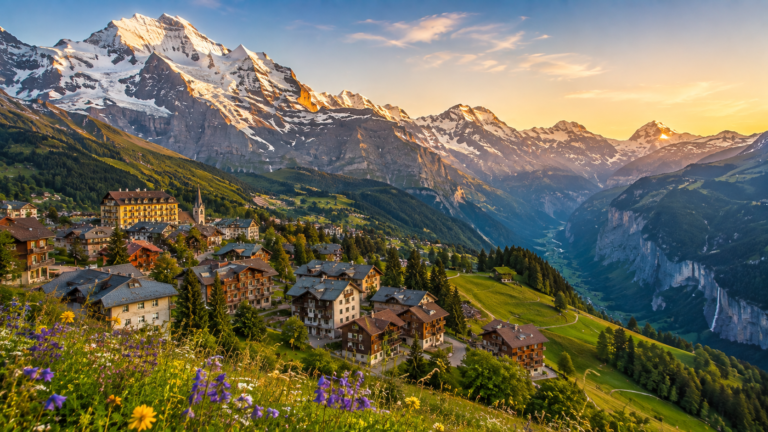
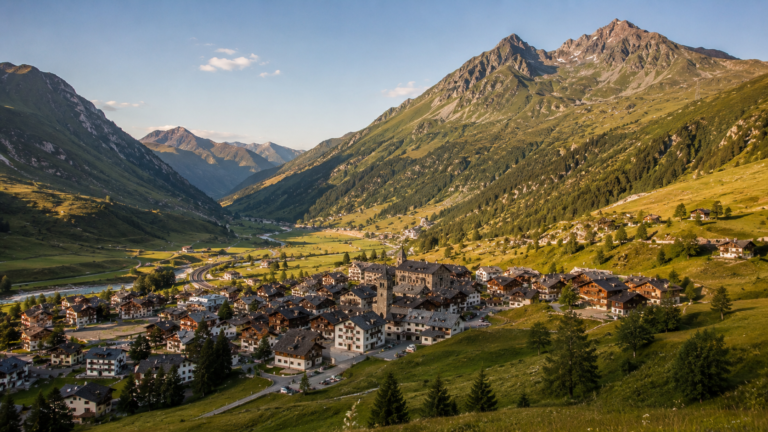
Glarus Canton is one of Switzerland’s most distinctive Alpine regions, where steep mountain walls, green valleys, historic villages and centuries-old traditions create a landscape that feels both authentic and adventurous. Located in eastern Switzerland, the canton offers a different experience from the country’s famous urban destinations. Instead of focusing on major cities and luxury shopping, a visit to Glarus is about exploring nature, discovering local heritage and experiencing life in a close-knit Alpine community.
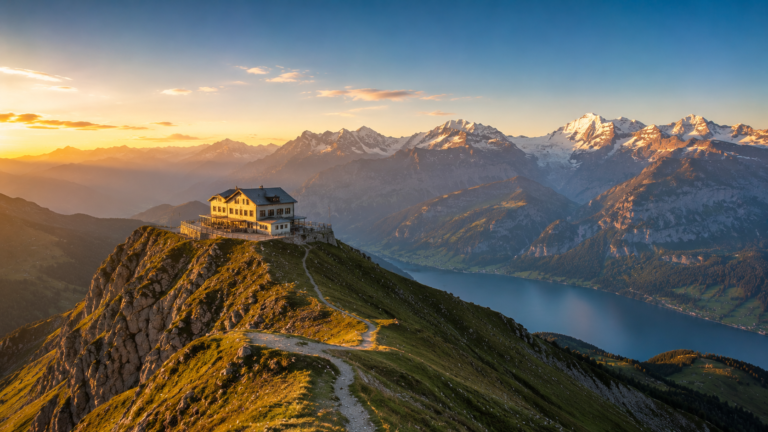
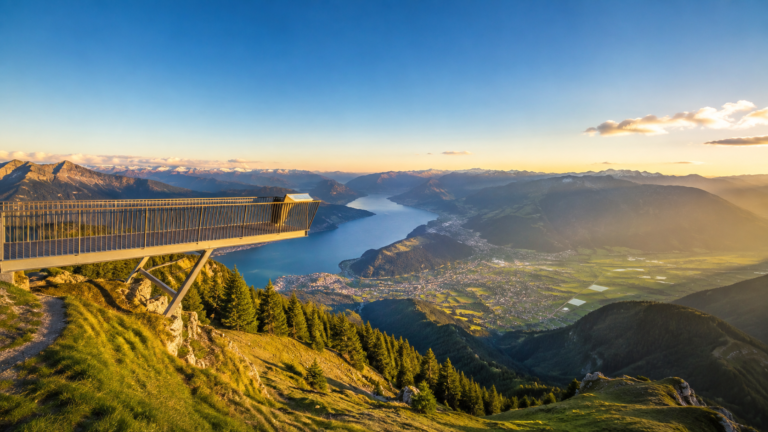
The region is particularly appealing to travelers who enjoy mountain scenery, peaceful lakes, hiking trails and places with a strong sense of identity. Lake Klöntal reflects surrounding peaks in its clear waters, Braunwald offers a mountain escape without ordinary car traffic, and the Swiss Tectonic Arena Sardona reveals extraordinary evidence of how the Alps formed. The cantonal capital, Glarus, adds another dimension through its historic public assembly tradition and industrial heritage.
This Glarus travel guide explores the canton’s geography, history, culture, major towns, attractions, outdoor activities, food and practical travel information. Whether you are planning a day trip from Zurich or a longer stay in the Swiss Alps, Glarus deserves a place on your itinerary.
Quick Facts About Glarus Canton
| Fact | Information |
|---|---|
| Official name | Canton of Glarus (Kanton Glarus) |
| Capital | Glarus |
| Largest city or urban centre | Glarus is the cantonal capital; the canton also includes the municipality of Glarus Nord |
| Country | Switzerland |
| Region | Eastern Switzerland |
| Area | Approximately 685 km² |
| Population | Consult the latest official cantonal or Federal Statistical Office figures before publishing an exact current total |
| Official language | German |
| Highest point | Tödi (Piz Russein), approximately 3,614 metres above sea level |
| Lowest point | In the Linth Valley near the canton’s northern boundary; exact elevation depends on the reference point |
| Joined the Swiss Confederation | 1352 |
| Vehicle registration code | GL |
| Municipalities | 3: Glarus, Glarus Nord and Glarus Süd |
The canton’s modern municipal structure took effect on 1 January 2011, when the former municipalities were consolidated into three larger municipalities. The official cantonal history documents the region’s early settlement and political development.
Editorial note: Population and elevation figures should be checked against the latest official statistical tables and topographic references before publication. Avoid presenting an undated population estimate as the current 2026 figure.
Where Is Glarus Canton Located?
Glarus lies in eastern Switzerland, southeast of Zurich, in a landscape shaped by the Linth River and the surrounding Alps. Its territory follows a long valley framed by steep mountain ranges, with smaller side valleys leading toward high Alpine terrain. This geography gives the canton a clear visual identity: settlements and transport routes often follow the valley floor, while hiking routes climb into the mountains.
The canton borders the Swiss cantons of St. Gallen, Schwyz, Uri and Graubünden. It has no international border. Its position between the Zurich region and the central and eastern Alps makes it accessible for visitors looking to combine city-based travel with outdoor experiences.
Glarus is also geographically important because of its geological landscape. The region includes major exposures of the Glarus Overthrust, where much older rock layers lie above younger ones. This remarkable feature is part of the Swiss Tectonic Arena Sardona, recognized as a UNESCO World Heritage Site in 2008.
Geography and Landscape

The landscape of Glarus is defined by the contrast between its valley settlements and imposing mountain scenery. The Linth Valley forms the main corridor through the canton, while the surrounding Glarus Alps rise into rugged peaks, rocky ridges and glaciated highlands.
Mountains and Alpine Valleys
The mountains are central to the canton’s identity. Peaks such as Tödi dominate the southern Alpine skyline, while the valleys around Elm and Linthal provide access to high mountain scenery and hiking terrain. The steep slopes also help explain why communities developed along relatively narrow strips of accessible land.
Lakes and Rivers
Lake Klöntal, known locally as Klöntalersee, is one of the best-known natural attractions in the region. Surrounded by forested slopes and dramatic mountains, it is popular for photography, walking and enjoying the scenery. The Linth River is another defining geographical feature, linking the canton’s communities and shaping the valley landscape.
A Landscape That Reveals the History of the Earth
The Swiss Tectonic Arena Sardona is especially significant for geology. Across this mountain region, the boundary between older and younger rock formations can be observed unusually clearly. These formations provide evidence of the powerful geological processes that built the Alps. The UNESCO property covers 32,850 hectares and extends across parts of Glarus, St. Gallen and Graubünden.
History of Glarus Canton
The history of Glarus is closely connected to Alpine settlement, religious institutions, political independence and the development of Swiss democracy.
Early Settlement and Medieval Rule
Archaeological finds indicate human presence in the region during the Bronze Age. Celtic settlement followed, and Roman-era remains have been found in areas around Lake Walen and Kerenzen. During the early Middle Ages, the region came under the influence of the monastery of Säckingen, which played an important role in its religious and political development.
During the medieval period, Glarus came under Habsburg influence. Local communities gradually sought greater autonomy, setting the stage for the political traditions that would later become a defining characteristic of the canton.
Glarus and the Swiss Confederation
Glarus became associated with the Swiss Confederation in 1352. Its later history included struggles over political authority and the development of local institutions. The region gradually established a distinctive system of public decision-making in which eligible citizens assembled to debate and vote on important matters.
The Landsgemeinde Tradition
One of the most remarkable elements of Glarus history is the Landsgemeinde, an open-air assembly where eligible citizens gather to exercise direct democratic rights. The tradition has medieval roots, and historical records document important constitutional developments associated with the assembly in 1387. The modern event remains an important expression of the canton’s political identity.
Industrial Development and Modern Glarus
During the nineteenth century, Glarus became an important industrial region, particularly through textile manufacturing. Factories, water-powered infrastructure and transport links transformed the local economy and landscape.
A major fire devastated much of the town of Glarus in 1861. The subsequent reconstruction created the town’s distinctive planned street layout, which visitors can still appreciate today.
In the twenty-first century, municipal reform reshaped local administration. On 1 January 2011, the former municipalities were consolidated into Glarus, Glarus Nord and Glarus Süd. These three municipalities continue to reflect the canton’s northern, central and southern regions.
Culture and Traditions
Glarus combines traditional Alpine culture with a long industrial history. Its identity is visible in local celebrations, mountain villages, historic buildings and regional products.
The Landsgemeinde is perhaps the clearest expression of the canton’s traditions. Rather than being merely a historical attraction, it demonstrates how political participation became part of everyday civic identity. Visitors should remember that this is a functioning democratic institution, not a staged performance for tourists.
Religious and community traditions also remain important. The annual Näfelser Fahrt commemorates the Battle of Näfels of 1388 and is one of the canton’s established historical observances. Its ceremonies connect local identity with the region’s medieval past.
Traditional architecture varies between valley settlements and mountain villages. Historic houses, church buildings and industrial structures provide different perspectives on how people adapted to the local environment.
Glarus also has a distinctive food culture, particularly its famous green Schabziger cheese. Regional products offer a practical way for travelers to experience local heritage beyond museums and monuments.
Major Cities, Towns and Villages in Glarus
Glarus has three municipalities, but within them are numerous villages and localities with their own character. These are some of the most useful places to include when planning a visit.
1. Glarus
The cantonal capital is the best starting point for exploring the region. Its planned street layout reflects reconstruction after the 1861 fire, while the town church, Zaunplatz and Kunsthaus Glarus provide cultural and historical highlights. It is also a practical base for reaching nearby mountain destinations.
2. Näfels
Näfels is a historic locality in Glarus Nord, known for its connection to the Battle of Näfels in 1388. It is a useful stop for travelers interested in Swiss history, local religious heritage and the northern part of the canton.
3. Elm
Elm is an attractive Alpine village in Glarus Süd, surrounded by steep mountains and traditional architecture. It is associated with the Sardona geological landscape and provides access to hiking and mountain excursions. The nearby Martinsloch, a natural opening in the rock, is one of the region’s most distinctive geological features.
4. Braunwald
Braunwald is a car-free mountain resort reached by a funicular. Its elevated setting, mountain views and walking routes make it an appealing destination for travelers who want to slow down and explore the Alps without relying on a car.
5. Schwanden
Schwanden is a valley settlement in Glarus Süd with links to the region’s industrial development. It provides access to surrounding villages, mountain routes and the landscapes of the Sernf Valley.
6. Mollis
Mollis is a village in Glarus Nord with a traditional settlement character and views toward the surrounding mountains. It is a useful addition for visitors exploring the northern municipality and the wider Linth Valley.
Top Attractions in Glarus Canton
The best places in Glarus range from peaceful lakes to internationally significant geological sites. The attractions below are among the strongest reasons to visit the canton.

1. Lake Klöntal (Klöntalersee)
Lake Klöntal is one of the canton’s signature landscapes. Its mountain reflections, wooded slopes and calm atmosphere make it particularly appealing for photographers and nature lovers. Visitors can enjoy lakeside walks and scenic viewpoints, while swimming and other water activities depend on conditions and local rules.
2. Swiss Tectonic Arena Sardona
This remarkable mountain landscape demonstrates the geological forces that formed the Alps. The Glarus Overthrust reveals older rock formations positioned above younger layers, making the region especially valuable for understanding mountain building. The site was inscribed on the UNESCO World Heritage List in 2008.
3. Braunwald
Braunwald offers mountain scenery, walking paths and a relaxed resort atmosphere. It is particularly suitable for visitors seeking a slower-paced mountain experience. Because it is car-free, travelers should check funicular operating times and arrange luggage transport where necessary.
4. Martinsloch
Martinsloch is a distinctive opening in the mountain above Elm. The feature is associated with the area’s unusual geological structure and is famous for the sunlight phenomenon in which the sun can shine through the opening and illuminate parts of Elm at particular times of year. Exact dates and viewing conditions vary with the sun’s position and weather.
5. Kunsthaus Glarus
Located in the cantonal capital, Kunsthaus Glarus offers a cultural alternative to mountain excursions. Its exhibitions make it a worthwhile stop for travelers interested in contemporary art and the canton’s cultural life. Check the official museum schedule before visiting.
6. Zaunplatz, Glarus
Zaunplatz is the traditional setting for the Landsgemeinde. Visiting the square offers insight into Glarus’s distinctive political culture and the importance of public assembly in the canton’s history.
7. Glarus Industrial Trail
This route helps visitors understand the canton’s industrial past through former factory buildings, water infrastructure and other remains of manufacturing activity. It offers a different perspective on Glarus, showing how water, transport and industry shaped its communities.
Nature and Outdoor Activities

Outdoor recreation is one of the strongest reasons to visit Glarus. Its combination of accessible valley paths, high Alpine terrain, lakes and mountain resorts allows travelers to choose activities according to their fitness, experience and season.
Hiking in the Glarus Alps
Hiking routes around Elm, Braunwald, Lake Klöntal and the surrounding valleys offer a variety of experiences, from gentle walks to demanding mountain excursions. The Sardona region is especially interesting for travelers who want to combine spectacular scenery with geological learning.
Always check trail conditions, weather forecasts and seasonal closures before setting out. High mountain routes can remain snowy well into the warmer months.
Cycling and Scenic Drives
Road cycling and mountain biking can be rewarding ways to explore the canton, although steep gradients make some routes physically demanding. The Klausen Pass is a notable mountain route linking the Glarus region with the canton of Uri. It is particularly attractive to motorists, motorcyclists and cyclists seeking Alpine scenery, but its seasonal opening and current road conditions must be checked before departure.
Skiing and Winter Sports
Braunwald and Elm are established destinations for winter recreation. Depending on snow conditions and operating schedules, visitors can enjoy skiing, snowboarding, winter walking and other snow activities.
Lakes, Waterfalls and Nature
Lake Klöntal is ideal for lakeside exploration, while the Obersee area offers another scenic mountain-lake experience. The Berglistüber waterfall near Linthal is a further natural attraction worth considering when planning a trip through the southern part of the canton.
Food and Local Specialties
Glarus has a food identity closely connected with Swiss dairy traditions and regional production. The best-known local specialty is Glarner Schabziger, a distinctive green cheese that has been produced in the region for centuries.
Made from skimmed milk and flavored with blue fenugreek, Schabziger has a characteristic color and sharp, aromatic taste. It is often grated over dishes or mixed with butter to create a spread. Travelers can look for it in local shops, markets and restaurants.
Other regional food experiences include Alpine dairy products, mountain cheeses, seasonal dishes and traditional Swiss meals. Menus may feature rösti, soups, sausages and hearty dishes suited to the mountain climate.
For an authentic culinary experience, consider buying regional products directly from local retailers or visiting establishments that highlight Glarus specialties. Availability varies by season and location.
Economy and Industry
Although Glarus is strongly associated with mountains and tourism today, its economic history extends well beyond outdoor recreation.
Manufacturing and Textile Heritage
Textile manufacturing played a major role in the canton’s nineteenth-century development. Industrial sites, factories, water channels and transport infrastructure still help tell this story. The transition from a predominantly industrial economy toward a broader mix of activities has been an important part of modern regional development.
Agriculture and Regional Products
Agriculture remains part of the Alpine landscape, with livestock farming and dairy production contributing to local traditions. Regional cheese production, especially Schabziger, connects agriculture with the canton’s wider commercial identity.
Tourism and Services
Tourism supports accommodation providers, restaurants, mountain transport, outdoor recreation and cultural attractions. Glarus’s position within the broader Zurich economic region also connects its businesses and residents with employment and services beyond the canton.
Transportation and Getting Around Glarus
Glarus is accessible by public transportation and road, making it practical for day trips as well as longer holidays.
By Train
Rail connections link Glarus with the wider Swiss transport network, including connections toward Ziegelbrücke and the Zurich region. Services and journey times depend on the departure station and timetable.
Travelers should consult the official Swiss Federal Railways website for current connections, transfers and ticket
By Bus and Mountain Transport
Regional buses connect settlements and attractions that are not directly served by rail. Mountain transport is particularly important for destinations such as Braunwald, which is reached by funicular.
Before visiting remote trailheads or mountain villages, check the latest timetable, especially on weekends and during shoulder seasons.
By Car
A car offers flexibility for reaching lakes, viewpoints and smaller settlements, although mountain roads can be narrow, winding or seasonally closed. Parking restrictions may apply at popular attractions.
By Air
Glarus does not have a major commercial passenger airport. For most international travelers, Zurich Airport is a practical arrival point, followed by onward travel by rail or car.
Best Time to Visit Glarus Canton
The best time to visit depends on whether your priority is hiking, lake scenery, cultural experiences or winter sports.

Spring: April–May
Spring brings greener valleys, flowing water and the gradual return of warmer weather. It is a good time for town visits and lower-elevation walks, but many high mountain routes may still be snow-covered.

Summer: June–August
Summer is generally the most versatile season for hiking, lakeside outings, cycling and exploring mountain villages. Check forecasts carefully, as Alpine weather can change quickly even during the warmer months.

Autumn: September–October
Autumn offers colorful forests, crisp air and beautiful views across the valleys. It can be an excellent season for photography and lower-altitude walks, although some mountain services and routes begin to close.

Winter: December–March
Winter is the season for skiing, snowboarding and snowy mountain scenery where conditions permit. Check snow reports, resort operating schedules and public transportation before planning a dedicated winter-sports trip.
Overall recommendation: Summer is a strong choice for first-time visitors who want to experience the widest range of outdoor activities. Winter is better suited to travelers specifically interested in snow sports and Alpine winter scenery.
Travel Tips for Visitors
- Currency: Switzerland uses the Swiss franc (CHF). Cards are widely accepted, but carrying a small amount of cash can be useful in some rural locations.
- Language: German is the main language. Swiss German dialects are commonly spoken in everyday life, while standard German is used in writing and formal settings.
- Transportation: Use SBB to plan train journeys and check local bus and funicular schedules before visiting mountain destinations.
- Weather: Mountain weather can change rapidly. Bring suitable footwear, waterproof layers and warm clothing even when valley temperatures are comfortable.
- Hiking safety: Choose trails appropriate to your ability, check conditions and avoid entering restricted or unsafe terrain.
- Accommodation: Book ahead during popular summer weekends, holiday periods and major winter-sports dates.
- Respect local communities: Follow signs, respect private property and livestock, and observe local rules around lakes, forests and mountain trails.
- Opening hours: Museums, mountain railways and restaurants may have seasonal schedules. Verify details directly before traveling.
- Budget: Switzerland can be expensive. Compare transport options and accommodation costs in advance, and check whether a regional visitor pass is available for your stay.
Interesting Facts About Glarus Canton
- A UNESCO geological landscape: The Swiss Tectonic Arena Sardona was added to the UNESCO World Heritage List in 2008.
- A distinctive democratic tradition: The Landsgemeinde allows eligible citizens to participate directly in an open-air political assembly.
- A dramatic town reconstruction: Much of Glarus town was rebuilt after the devastating fire of 1861, giving its centre a distinctive planned layout.
- Only three municipalities: The canton consolidated its municipal structure in 2011 into Glarus, Glarus Nord and Glarus Süd.
- A famous green cheese: Glarner Schabziger is one of the region’s best-known specialties, distinguished by its blue fenugreek flavoring.
- A remarkable geological boundary: The Glarus Overthrust exposes older rock formations above younger ones, helping scientists understand the formation of the Alps.
- A car-free mountain resort: Braunwald provides a distinctive Alpine visitor experience without ordinary car traffic in the resort itself.
- A long industrial history: Textile manufacturing helped shape the region’s economy and left a legacy of industrial buildings and infrastructure.
Why Visit Glarus Canton?
Glarus offers a compelling alternative to Switzerland’s busiest tourist destinations. Its appeal lies in the combination of dramatic mountains, tranquil lakes, historic settlements and a strong regional identity. Visitors can spend a morning beside Lake Klöntal, explore the streets of Glarus in the afternoon and plan a separate excursion into a landscape recognized internationally for its geological importance.
The canton is particularly suitable for hikers, photographers, geology enthusiasts, independent travelers and anyone interested in Swiss traditions. Braunwald provides a peaceful mountain escape, Elm opens the door to striking Alpine scenery, and the Landsgemeinde offers a window into a distinctive democratic heritage.
Glarus is not primarily a destination for big-city nightlife or extensive urban sightseeing. Its strengths are quieter and more varied: outdoor exploration, local food, industrial history and the opportunity to experience a less crowded side of Switzerland. Travelers who appreciate these qualities may find it one of the most rewarding regions to explore.
Frequently Asked Questions About Glarus Canton
1. Where is Glarus Canton in Switzerland?
Glarus is in eastern Switzerland, southeast of Zurich. It is an Alpine canton known for mountain scenery, lakes, historic communities and the Swiss Tectonic Arena Sardona.
2. What is the capital of Glarus Canton?
The capital is Glarus. The town is known for its reconstructed street layout, cultural attractions and the traditional Landsgemeinde assembly square.
3. What are the best things to do in Glarus Canton?
Popular activities include visiting Lake Klöntal, exploring the Swiss Tectonic Arena Sardona, hiking around Elm and Braunwald, discovering Glarus town and trying local Schabziger cheese.
4. How many municipalities does Glarus Canton have?
Glarus has three municipalities: Glarus, Glarus Nord and Glarus Süd. The current structure took effect on 1 January 2011.
5. When is the best time to visit Glarus Canton?
Summer is generally best for hiking, lake visits and mountain excursions. Winter is ideal for snow sports when conditions permit. Spring and autumn can be attractive for lower-altitude walks and quieter sightseeing, but mountain access varies seasonally.