
Nidwalden Canton
Introduction
Surrounded by the mountains of central Switzerland and the shimmering waters of Lake Lucerne, Nidwalden is a canton where spectacular landscapes meet centuries of Swiss history. Although relatively small in area and population, it offers an impressive variety of experiences, from lakeside villages and historic town squares to panoramic mountain viewpoints and peaceful Alpine valleys. Its compact geography makes it particularly appealing to travelers who want to experience several sides of Switzerland without traveling long distances.
The canton, known in German as Kanton Nidwalden, lies south of Lake Lucerne and forms part of the country’s historic heartland. Its capital, Stans, is a traditional Swiss settlement with an attractive central square, important religious buildings and monuments associated with the region’s past. Beyond Stans, communities such as Beckenried, Buochs, Ennetbürgen and Wolfenschiessen provide access to lakeside scenery, mountain excursions and rural landscapes.
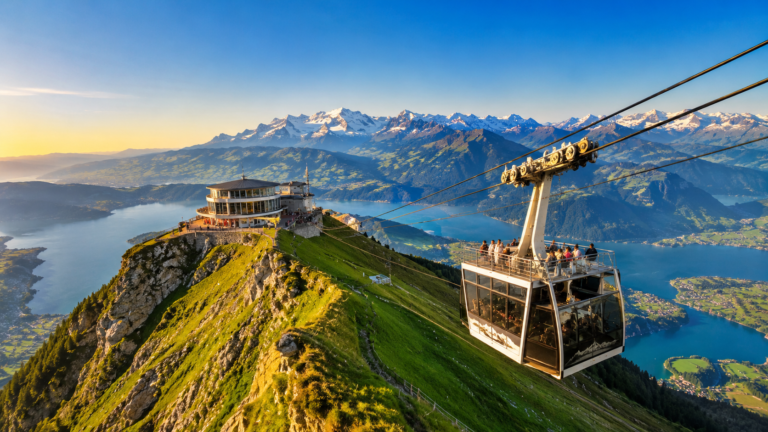
For visitors researching things to do in Nidwalden, the highlights include the open-sided CabriO cable car to Stanserhorn, boat trips on Lake Lucerne, hiking around Klewenalp and exploring the cultural heritage of Stans. The canton is also an excellent base for discovering central Switzerland. Whether you are planning a short excursion from Lucerne or a longer Alpine holiday, this Nidwalden travel guide introduces the region’s history, attractions, local traditions and practical travel information.
Quick Facts About Nidwalden Canton
| Fact | Information |
|---|---|
| Official Name | Canton of Nidwalden (Kanton Nidwalden) |
| Capital | Stans |
| Largest Municipality | Stans |
| Area | Approximately 276 km² |
| Population | 44,931 permanent residents at the end of 2024 |
| Official Language | German |
| Highest Terrain Point | Approximately 2,881 m within Wolfenschiessen municipality, according to 2026 terrain data |
| Lowest Area | Lake Lucerne shoreline, around 434 m above sea level |
| Swiss Confederation | Traditionally associated with the founding alliance of 1291 through historic Unterwalden |
| Vehicle Registration Code | NW |
| Number of Municipalities | 11 |
Population figures distinguish permanent residents from broader totals that include some non-permanent residents. Elevation figures depend on whether a source measures a summit, municipal territory or settlement. Sources: Nidwalden Cantonal Government and official statistical records.
Where Is Nidwalden Located?

Nidwalden lies in central Switzerland, immediately south of Lake Lucerne, also known as Vierwaldstättersee. Its location places it within the historic region of central Switzerland, an area closely associated with the origins and development of the Swiss Confederation.
The canton borders Lucerne to the west and northwest, Obwalden to the southwest, Uri to the south, and Schwyz to the northeast across Lake Lucerne. Its position makes it a convenient destination for travelers staying in Lucerne or exploring the surrounding Alpine cantons.
Nidwalden has no international border. Instead, its identity is shaped by its connections to neighboring Swiss communities, mountain passes, lake transport and the routes linking the central plateau with the Alps.
For travelers, the location is a major advantage. A visit can combine historic Stans, a boat journey on Lake Lucerne and a mountain excursion within a single day, depending on seasonal transport schedules and weather.
Geography and Landscape

Nidwalden’s landscape changes dramatically over short distances. The lakeshore features settlements, roads, harbors and cultivated land, while the terrain rises toward forested slopes, alpine pastures and rugged mountain summits.
Lake Lucerne is central to the canton’s visual identity. Its sheltered bays and mountain-backed shores create excellent viewpoints and provide opportunities for boating, lakeside walks and scenic excursions. The lake also helps connect Nidwalden with the wider central Swiss tourism region.
Further inland, the valley around Wolfenschiessen opens toward higher Alpine terrain and the neighboring Engelberg area. Mountain communities here provide access to hiking routes, pastures and elevated viewpoints. Forests, streams and steep slopes create a landscape that supports agriculture, recreation and wildlife habitats.
The terrain has also influenced settlement patterns. Villages developed on relatively accessible valley floors and along the lake, while the surrounding mountains encouraged seasonal farming, local transport links and a close relationship between communities and the natural environment.
History of Nidwalden
Early settlement
Human activity in the region stretches back thousands of years. According to the cantonal government’s historical account, remains of a Neolithic pile-dwelling settlement at Kehrsiten, near Stansstad, indicate lakeside settlement between approximately 4000 and 3100 BC. Archaeological evidence at Loppburg and other locations also documents prehistoric activity.
These early communities took advantage of the lake, fertile land and natural routes through the surrounding landscape. Later archaeological finds suggest continued human presence through the Bronze Age and Iron Age.
Medieval development and the Swiss Confederation
During the Middle Ages, communities in the region gradually developed greater political autonomy. Nidwalden formed part of the historic territory known as Unterwalden, alongside what is now Obwalden. Medieval political arrangements were more complicated than the modern cantonal boundaries, so the two areas should not be treated as a single, unchanged administrative unit throughout history.
The traditional Swiss founding date of 1291 is closely connected with the early alliance among the forest cantons. The history of Unterwalden and the interpretation of the surviving founding documents are subjects of historical scholarship; the precise development of the alliance is more complex than a simple one-day founding story.
Separation and regional identity
Over time, Obwalden and Nidwalden developed as distinct political communities, each maintaining its own institutions and identity. Stans became the principal political and cultural center of Nidwalden.
The region’s history is strongly connected with local self-government, religious institutions, farming communities and the broader political development of Switzerland. Monuments and historic buildings in Stans continue to reflect this heritage.
Modern Nidwalden
Today, Nidwalden combines local government and traditional community life with modern infrastructure, services, manufacturing and tourism. Its position near Lucerne and other central Swiss economic centers allows residents and businesses to benefit from regional connections while retaining a distinctly local character.
Culture and Traditions
Nidwalden’s culture reflects the traditions of central Switzerland. German is the official language, while local speech belongs to the Swiss German dialect continuum. Community associations, religious celebrations, music and seasonal events remain important elements of village life.
Traditional Alpine farming has influenced local customs and food, particularly through the movement of livestock to mountain pastures in summer. Alpine music, brass bands, folk instruments and regional celebrations contribute to the canton’s cultural identity.
Stans is an important cultural center, with its historic square, churches, public monuments and museums. The town’s architecture reveals how civic, religious and commercial life developed around a central meeting place.
Visitors should remember that traditions are living community practices, not simply tourist performances. The best way to appreciate them is to visit respectfully, check local event calendars and support local businesses.
Major Towns and Municipalities in Nidwalden
Nidwalden has 11 political municipalities. Rather than large cities, the canton is characterized by small towns, lakeside settlements and rural communities.
1. Stans
Stans is the cantonal capital and the largest municipality by population. Its attractive central square, historic buildings and Arnold von Winkelried monument make it the natural starting point for exploring Nidwalden. The Stanserhorn mountain railway also begins here.
2. Beckenried
Beckenried occupies a scenic position on Lake Lucerne’s southern shore. It is a gateway to Klewenalp, where cable-car access opens up mountain walks, panoramic viewpoints and seasonal outdoor activities.
3. Buochs
Buochs is a lakeside community known for its mountain-backed setting and easy access to the surrounding region. It suits visitors looking for a quieter base for lakeside recreation and exploring nearby villages.
4. Ennetbürgen
Located near the Bürgenstock area, Ennetbürgen offers attractive views across Lake Lucerne and access to walking routes and nearby mountain destinations.
5. Wolfenschiessen
This municipality stretches into higher Alpine terrain and offers a more rural atmosphere. Its valley landscapes and access toward mountain regions make it appealing to hikers and nature enthusiasts.
The other municipalities are Dallenwil, Emmetten, Ennetmoos, Hergiswil, Oberdorf and Stansstad. Each contributes to the canton’s mix of lakeside living, residential communities, agriculture and mountain scenery.
Top Attractions in Nidwalden
1. Stanserhorn and the CabriO Cable Car

The Stanserhorn is one of Nidwalden’s signature attractions. Visitors travel first on a historic funicular railway, dating from 1893, before transferring to the CabriO aerial cable car, which opened in 2012. The upper section features an open-air upper deck, giving passengers an unusually direct view of the surrounding mountain landscape.
At the summit, visitors can enjoy panoramic views, walking routes, a revolving restaurant and opportunities to observe the local alpine environment. On clear days, the views extend across a broad stretch of central Switzerland.
The railway operates seasonally rather than throughout the winter. For the 2026 season, the published operating period is April 11 to November 22, subject to the timetable and operational changes.
2. Lake Lucerne
Lake Lucerne is one of the canton’s defining natural attractions. Its bays, steep mountain slopes and lakeside villages create opportunities for boat trips, photography, walking and relaxing beside the water.
A cruise offers a different perspective from traveling by road, revealing shorelines and mountain profiles that can be difficult to appreciate from inland routes. Check the official lake-boat timetable before planning connections, particularly outside the main summer season.
3. Stans Historic Center
Stans is an excellent destination for travelers interested in Swiss history and architecture. The spacious main square is framed by historic buildings, with the church and the Arnold von Winkelried monument among its most recognizable features. The monument refers to a figure celebrated in Swiss historical tradition, although elements of his story are legendary rather than independently established facts.
Visitors can explore the center on foot, enjoy local cafés and restaurants, and combine a town visit with a mountain railway excursion.
4. Klewenalp
Klewenalp is a mountain recreation area reached by cable car from Beckenried. Its walking routes offer broad views across the lake and surrounding mountains. The alpine flower trail around Klewenstock is particularly appealing to leisure walkers and families interested in mountain plants. Switzerland Tourism describes a circular route of about three kilometers, with interpretive signs identifying alpine flowers along part of the path.
Conditions vary by season, so check lift operations, trail accessibility and weather before setting out.
5. Bürgenstock and the Hammetschwand Lift
The Bürgenstock area is known for dramatic cliffs above Lake Lucerne and elevated viewpoints. The Hammetschwand Lift is a famous excursion feature in the wider area, combining an unusual vertical ascent with striking lake scenery.
Because routes and transport connections can cross cantonal boundaries or involve different operators, confirm the access arrangements for your chosen walking route before visiting.
6. Richard Wagner Museum
The Richard Wagner Museum in Lucerne’s lakeside region is an option for visitors interested in classical music and European cultural history. Switzerland Tourism lists it among the highlights associated with a visit to Stans and the surrounding central Swiss region. Check the museum’s official visitor information for opening days and exhibitions before traveling.
Nature and Outdoor Activities

Nidwalden is particularly rewarding for visitors who prefer outdoor experiences to busy city attractions. The combination of lake, valley and mountain terrain means that activities can range from gentle lakeside walks to demanding Alpine hikes.
Hiking: Stanserhorn and Klewenalp offer routes with panoramic views, while the countryside around Wolfenschiessen provides access to quieter mountain landscapes. Choose trails according to your fitness level and check weather and trail conditions before departure.
Cycling: Roads and routes around Lake Lucerne provide scenic rides, although some mountain roads have steep gradients. Plan routes carefully if cycling with children or inexperienced riders.
Water activities: Depending on local facilities and seasonal conditions, the lake supports boating, swimming, paddling and other recreational activities. Follow local safety guidance and respect designated swimming areas.
Winter sports: Higher mountain areas in and around Nidwalden can offer snow-based activities, depending on snowfall and lift operations. The availability of skiing, sledging and winter hiking varies, so verify conditions with the relevant mountain operator.
Wildlife and nature: Alpine meadows, forests and mountain habitats support a variety of plant and animal life. Stay on marked trails, avoid disturbing wildlife and follow restrictions in protected areas.
One important planning point is that a mountain destination does not necessarily operate all year. Stanserhorn, for example, has a defined seasonal operating period. A summer itinerary should not be assumed to work in winter.
Food and Local Specialties
Nidwalden’s food traditions reflect the wider culinary heritage of central Switzerland, with an emphasis on dairy products, regional ingredients and hearty meals suited to mountain life.
Visitors can look for traditional Swiss dishes such as Älplermagronen, a comforting combination of pasta, potatoes, cheese and cream, often served with onions and accompanied by apple sauce. Rösti, regional cheeses and seasonal Alpine products are also worth exploring.
Cheese and dairy production have long been associated with Alpine farming. In mountain restaurants, traditional dishes often complement the scenery, making lunch or an afternoon break part of the excursion rather than simply a practical necessity.
Local restaurants may also feature modern Swiss cuisine and international options. For an authentic experience, look for seasonal menus and regional products, and check opening hours before visiting smaller establishments outside the main tourist season.
Economy and Industry
Although Nidwalden is best known to visitors for its landscapes, its economy extends well beyond tourism. The canton combines services, small and medium-sized enterprises, manufacturing, construction, agriculture and public services.
Agriculture remains visible in the landscape, particularly through livestock farming and the management of mountain pastures. Manufacturing and specialist businesses contribute to employment, while proximity to Lucerne and the wider central Swiss region supports commuting, trade and commercial connections.
Tourism contributes to the local economy through mountain railways, accommodation, restaurants, lake excursions and outdoor recreation. Its success depends on maintaining attractive landscapes, reliable transport and a good balance between visitor access and local quality of life.
Transportation and Getting Around
Nidwalden is accessible by rail, road and boat, making it suitable for independent travelers as well as visitors on organized excursions.
By train: Stans is an important starting point for exploring the canton. Travelers can connect through the central Swiss rail network and continue using regional services. Check the official Swiss Federal Railways (SBB) timetable for current routes and connections.
By road: The A2 motorway runs through the region, linking central Switzerland with the north–south route toward the Gotthard. Road travel is convenient for reaching several municipalities, although traffic and parking can be limiting at popular destinations.
By boat: Lake Lucerne services connect various lakeside communities with other destinations in central Switzerland. These routes can turn ordinary transport into a scenic part of the trip, but timetables vary by season.
By mountain railway and cable car: Stanserhorn and Klewenalp are among the best-known mountain excursions. Check the official operator websites for operating dates, weather disruptions, departure times and ticket information.
By air: Nidwalden has no major commercial international airport of its own. Travelers generally arrive through larger airports such as Zurich Airport and continue by train or road.
For a day trip, public transport is often practical. If you plan to explore several villages and remote trailheads, a car can provide greater flexibility.
Best Time to Visit Nidwalden

Spring — April to May
Spring brings greener meadows, fresh mountain air and increasingly attractive hiking conditions at lower elevations. Some high-altitude trails may remain snowy, and seasonal mountain transport generally resumes according to published operating calendars.

Summer — June to August
Summer is ideal for lake excursions, mountain viewpoints, hiking and outdoor dining. It is also a popular period, so book accommodation ahead and consider reserving departure times for busy mountain railways.

Autumn — September to November
Autumn offers changing foliage, clear days and quieter villages outside peak periods. Early autumn can be excellent for walking, but daylight becomes shorter and seasonal transport services may close toward November.

Winter — December to March
Winter brings a quieter atmosphere and the possibility of snow-covered mountain scenery. Choose activities based on actual snow and lift conditions. Some summer attractions, including the Stanserhorn railway, are closed during the winter period.
Best overall period: June through September is a strong choice for combining lake activities with mountain excursions. Spring and autumn may suit visitors who prefer quieter surroundings, provided they plan around seasonal closures and changing weather.
Travel Tips for Visitors
- Currency: Switzerland uses the Swiss franc (CHF). Cards are widely accepted, but keeping a small amount of cash can be useful in some rural settings.
- Language: German is the official language. English is commonly useful in tourism, but learning a few German greetings is appreciated.
- Transport: Use the SBB timetable to plan rail connections and check lake-boat and mountain-railway schedules separately.
- Mountain weather: Conditions can change quickly at higher elevations. Bring layers, suitable footwear and rain protection.
- Tickets: Review travel passes and individual excursion tickets before purchasing. Coverage and discounts depend on the specific pass and operator.
- Respect for nature: Stay on marked paths, take rubbish with you and follow local rules for wildlife and protected areas.
- Accommodation: Stans and the lakeside communities make useful bases. Book early for popular summer weekends.
- Accessibility: Not every hiking trail or mountain attraction is suitable for every mobility level. Confirm route gradients, lift access and facilities before visiting.
A useful strategy is to avoid scheduling too many fixed activities on one day. Mountain weather, transport connections and seasonal operating hours can all affect an itinerary.
Interesting Facts About Nidwalden
- Nidwalden is one of Switzerland’s 26 cantons. It belongs to the country’s central Swiss region.
- Stans is the cantonal capital. Its historic square remains a focal point for local life and visitor exploration.
- The canton has 11 political municipalities. These include Stans, Beckenried, Buochs and Wolfenschiessen.
- Its archaeological record reaches back thousands of years. Prehistoric lakeside settlement remains have been documented at Kehrsiten and other locations.
- Nidwalden is closely associated with historic Unterwalden. The region played a part in the early political history of the Swiss Confederation.
- The Stanserhorn railway combines historic and modern engineering. The original funicular dates to 1893, while the CabriO cableway opened in 2012.
- The CabriO has an open upper deck. It provides a distinctive way to experience the mountain landscape during the operating season.
- Lake Lucerne shapes the canton’s tourism. Its shoreline connects communities with boat excursions, mountain views and recreational opportunities.
- Alpine landscapes remain important to local life. Farming, outdoor recreation and tourism all interact with the canton’s mountain geography.
Why Visit Nidwalden?
Nidwalden is a rewarding destination for travelers who want to experience Switzerland beyond its best-known cities. It combines mountain panoramas, lakeside scenery, historic villages and opportunities for outdoor recreation within a relatively compact area.
The canton is particularly suitable for couples seeking scenic excursions, families planning manageable outdoor activities, photographers looking for Alpine landscapes and independent travelers interested in Swiss history. Stans provides a cultural starting point, while the Stanserhorn and Klewenalp offer memorable mountain experiences.
Another advantage is flexibility. You can spend a day traveling by boat, walking through a historic town and riding a mountain cable car, or slow down and explore the smaller communities and countryside at your own pace. The best itinerary depends on the season, weather and transport schedules.
For travelers who value landscapes and local character more than major urban attractions, Nidwalden offers an appealing combination of accessibility, heritage and natural beauty.
Conclusion
Nidwalden Canton represents a distinctive part of central Switzerland, where Lake Lucerne meets the foothills and high peaks of the Alps. Its capital, Stans, provides a connection to the region’s history, while lakeside villages and mountain destinations reveal the variety of its scenery.
From the open-air journey to Stanserhorn to the walking trails of Klewenalp and the historic streets of Stans, there is plenty to discover without traveling far between attractions. Its local food, traditional communities and close relationship with the landscape add depth to the visitor experience.
Whether you are planning a day trip from Lucerne or a longer stay in central Switzerland, Nidwalden deserves a place on your itinerary. Visit with time to explore, check seasonal transport schedules and let the combination of mountain air, lake views and Swiss heritage shape your journey.
Frequently Asked Questions About Nidwalden
1. What is Nidwalden famous for?
Nidwalden is known for its Lake Lucerne shoreline, Stanserhorn CabriO cable car, Klewenalp mountain area, historic capital Stans and traditional central Swiss landscapes.
2. What is the capital of Nidwalden?
Stans is the capital of Nidwalden. Its historic central square, religious buildings and Arnold von Winkelried monument make it an important cultural and historical destination.
3. How many municipalities does Nidwalden have?
Nidwalden has 11 political municipalities, including Stans, Beckenried, Buochs, Dallenwil, Emmetten, Ennetbürgen, Ennetmoos, Hergiswil, Oberdorf, Stansstad and Wolfenschiessen.
4. When is the best time to visit Nidwalden?
June through September is generally a good period for hiking, mountain excursions and lake activities. Spring and autumn can also be attractive, but visitors should check seasonal transport schedules and mountain conditions.
5. How can I get to Nidwalden from Lucerne?
Travelers can use regional public transport, road connections or lake services, depending on their destination. Stans is a convenient starting point for exploring the canton. Check current connections using the official SBB timetable.