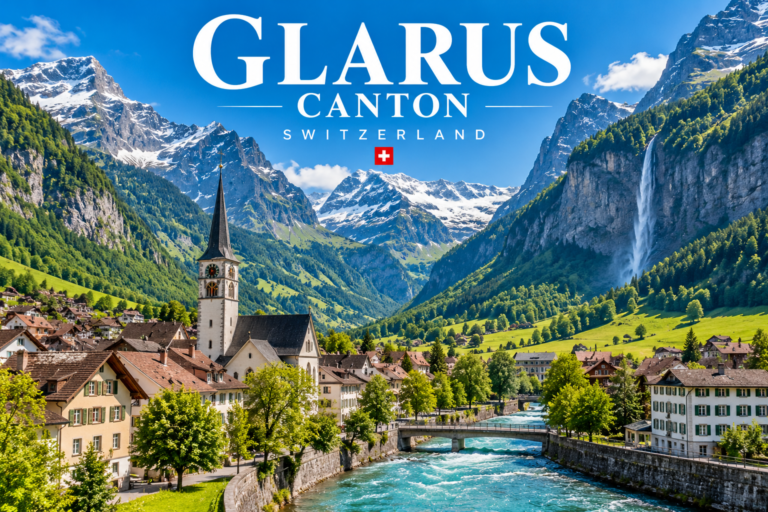

Obwalden Canton
Introduction
Obwalden is one of Switzerland’s smaller cantons, but its combination of dramatic mountain scenery, peaceful lakes, historic settlements and authentic Central Swiss traditions gives it a distinctive place on the country’s travel map. Located in the heart of Switzerland, this German-speaking canton offers a landscape of Alpine peaks, green valleys, forested hillsides and traditional villages where everyday life remains closely connected to the surrounding countryside.
For travellers searching for a quieter alternative to Switzerland’s busiest destinations, Obwalden provides an appealing balance between outdoor adventure and cultural discovery. You can spend the morning hiking above a mountain lake, visit a historic pilgrimage site in the afternoon and finish the day enjoying regional food in a village restaurant. The canton also makes a convenient base for exploring nearby Lucerne and other destinations in Central Switzerland.
This Obwalden travel guide explores the canton’s history, geography, towns, attractions, traditions and practical travel information. Whether you are planning a family holiday, a summer hiking trip or a winter escape, Obwalden offers plenty of reasons to discover a less hurried side of Switzerland.
Quick Facts About Obwalden Canton
| Fact | Information |
|---|---|
| Official name | Canton of Obwalden |
| Capital / cantonal seat | Sarnen |
| Largest municipality by population | Sarnen |
| Area | Approximately 490.5 km² |
| Population | 39,662 at 31 December 2024 |
| Official language | German |
| Highest point | Titlis summit region, approximately 3,238 m; the summit lies in the wider Uri–Bern–Obwalden mountain-border region |
| Lowest point | Around 434 m above sea level near Lake Lucerne |
| Confederation history | Part of the early Swiss Confederacy through Unterwalden; the exact date of separate cantonal status should be distinguished from the traditional 1291 founding date |
| Vehicle registration code | OW |
| Number of municipalities | 7 |
Population and area: official Obwalden cantonal information and population statistics. Elevation references are approximate and depend on the precise boundary point being measured.
Where Is Obwalden Located?
Obwalden lies in central Switzerland, south of Lake Lucerne and within the northern Swiss Alps. It borders the cantons of Bern, Lucerne, Nidwalden and Uri. Its position makes it a useful starting point for exploring both mountain destinations and the cultural attractions of the Swiss Plateau.
The cantonal capital, Sarnen, sits beside Lake Sarnen in the Sarneraa Valley. Roads and rail connections link the valley with Lucerne and other parts of Central Switzerland. From here, visitors can travel towards mountain resorts, rural communities, hiking areas and scenic Alpine passes.
One geographical feature makes Obwalden particularly interesting: the municipality of Engelberg is separated from the canton’s other six municipalities by Nidwalden. This means Engelberg belongs administratively to Obwalden despite not being physically connected to the main part of the canton.
Obwalden has no international borders. Its appeal instead comes from its central position within Switzerland and its close connections to neighbouring Alpine regions.
Geography and Landscape

Obwalden’s landscape changes noticeably with elevation. Around the main settlements, the terrain consists of agricultural land, villages, lakeshores and gently sloping hills. Further south and west, the landscape rises into steep mountains, high pastures, rocky ridges and alpine plateaus.
Mountains and Alpine plateaus
The mountain areas around Melchsee-Frutt, the Pilatus region and the higher ground near Engelberg are among the canton’s most recognisable natural features. These landscapes provide opportunities for hiking, skiing, mountain biking and panoramic excursions.
Melchsee-Frutt is particularly notable for its high-altitude setting, mountain lakes and extensive outdoor recreation opportunities. The contrast between the open plateau, surrounding peaks and deep-blue water makes it one of the most rewarding places to explore in Obwalden.
Lakes and valleys
Lake Sarnen and Lake Lungern are two of the canton’s defining features. Their shores offer opportunities for photography, walking, relaxation and water-based recreation where permitted. The Sarneraa Valley connects several of Obwalden’s settlements and provides an important corridor for transport, agriculture and everyday life.
Moorlands and natural habitats
The Langis–Glaubenberg region contains an extensive complex of moorlands, forests and alpine meadows. These habitats support a rich variety of plant and animal life and give the area a different character from the canton’s rocky mountain scenery.
The landscape also shapes local traditions. Farming, dairy production, seasonal movement to alpine pastures and outdoor recreation all reflect the relationship between communities and their natural surroundings.
History of Obwalden
Obwalden’s history is closely connected to the development of the Swiss Confederacy and the rural communities of Central Switzerland.
Early settlement and medieval development
Archaeological evidence and historical place names indicate that the region has been inhabited since prehistoric times. Roman-period remains have also been found in the wider area, including at Alpnach. During the early Middle Ages, Alemannic settlement contributed to the development of the German-speaking communities that shaped the region.
Over time, local communities developed their own political and economic institutions. The valleys and mountain routes encouraged a strong tradition of local cooperation, while agriculture and livestock raising remained important to daily life.
The early Swiss Confederacy
Obwalden’s political identity is traditionally associated with Unterwalden, the historic region that included both Obwalden and Nidwalden. Unterwalden is named in the context of the traditional founding of the Swiss Confederacy in 1291, alongside Uri and Schwyz.
However, it is important to distinguish the traditional date associated with the early Confederacy from the later evolution of the two Unterwalden communities into separate political units. Obwalden and Nidwalden maintained distinct local institutions and identities even while sharing a place in the broader Confederation.
Religion, local identity and modern development
Religion played a significant role in the region’s cultural history. The life and legacy of Niklaus von Flüe, commonly known as Brother Klaus, remain particularly important. His association with Flüeli-Ranft makes the village a major destination for pilgrims and visitors interested in Swiss religious heritage.
In modern times, Obwalden has combined its rural traditions with improved transport, manufacturing, services and tourism. Although it remains relatively small, the canton benefits from its location near Lucerne and from the popularity of its mountain and lake destinations.
Culture and Traditions


Obwalden’s cultural identity is rooted in local community life, Catholic heritage, farming traditions and the German-speaking dialects of Central Switzerland. Although modern life has changed how people work and travel, local customs continue to influence festivals, music, food and the appearance of villages.
Traditional music and festivals
Alphorn music, yodelling and traditional folk performances form part of the broader cultural heritage of Central Switzerland. Local celebrations and seasonal events provide opportunities to experience regional music, traditional clothing and community gatherings.
Visitors should check the official tourism calendar before travelling because event dates and programmes vary from year to year.
Alpine farming and rural architecture
Farming remains an important part of the canton’s landscape and identity. Traditional wooden farmhouses, barns, village chapels and mountain huts reflect generations of adaptation to the Alpine environment.
During the warmer months, alpine pastures become more active as livestock graze at higher elevations. These seasonal traditions help maintain the landscape and contribute to regional dairy and cheese production.
Religious heritage
The legacy of Brother Klaus is particularly prominent in Obwalden. His association with Sachseln and Flüeli-Ranft gives the canton a spiritual dimension that complements its outdoor attractions.
For travellers interested in Swiss history and local identity, these religious sites offer a deeper understanding of the region beyond its scenery.
Major Cities and Towns in Obwalden
Obwalden has seven municipalities: Alpnach, Engelberg, Giswil, Kerns, Lungern, Sachseln and Sarnen. Each offers a different perspective on the canton, from lakeside settlements to mountain communities.
1. Sarnen — The Cantonal Capital
Sarnen is Obwalden’s administrative centre and the largest municipality by population. Located beside Lake Sarnen, it combines government buildings, shops, historic architecture and convenient transport connections. It is a practical starting point for exploring the wider canton.
Best for: History, lakeside walks, local services and transport connections.
2. Lungern — Lakeside Scenery
Lungern is known for Lake Lungern, a striking body of water surrounded by forested slopes and mountains. Its scenery makes it especially attractive to photographers and travellers seeking a peaceful stop in the Swiss countryside.
Best for: Lake views, photography, walking and relaxing by the water.
3. Sachseln — Heritage and the Centre of Switzerland
Sachseln is closely associated with Brother Klaus and the pilgrimage heritage of the region. Its municipality also includes the Älggialp area, where the marked geographical centre of Switzerland is located.
Best for: Cultural heritage, pilgrimage sites and mountain excursions.
4. Alpnach — Gateway to Pilatus
Alpnach occupies a strategic position near Lake Lucerne and the northern approaches to Mount Pilatus. The area is suited to visitors who want to combine lakeside scenery with mountain excursions and transport connections.
Best for: Pilatus excursions, landscapes and outdoor activities.
5. Giswil — Countryside and Mountain Access
Giswil lies in the southern part of the Sarneraa Valley. Its rural setting, traditional agricultural landscape and access towards Mörlialp make it appealing for visitors who prefer quieter villages and nature-based activities.
Best for: Rural scenery, hiking and family-friendly mountain outings.
6. Kerns — A Gateway to Melchsee-Frutt
Kerns is an important starting point for journeys towards Melchtal and the high plateau of Melchsee-Frutt. Its surrounding countryside transitions from farmland and forest to impressive Alpine terrain.
Best for: Mountain excursions, cycling and access to Melchsee-Frutt.
7. Engelberg — A Mountain Resort with Historic Character
Engelberg is a renowned mountain resort with a Benedictine monastery and access to the Titlis region. Although geographically separated from Obwalden’s main territory, it is politically part of the canton.
Best for: Alpine sightseeing, skiing, hiking, mountain transport and cultural visits.
Top Attractions in Obwalden
The best Obwalden attractions combine mountain scenery, historic landmarks, natural habitats and distinctive local experiences.
1. Melchsee-Frutt
Melchsee-Frutt is one of the canton’s standout destinations. Its high plateau, mountain lakes and panoramic trails create a spectacular setting for walking, hiking and mountain biking in summer. During winter, the area offers skiing, snowboarding, snowshoeing and winter walking.
Visitors can explore routes around Lake Melchsee and continue towards Tannalp, with options ranging from relaxed lakeside walks to more demanding mountain outings. Check seasonal lift operations before setting off.
2. Lake Lungern
Lake Lungern is a memorable destination for anyone drawn to clear water and mountain scenery. The surrounding landscape changes with the light, making the lake especially attractive for photography and relaxed outdoor visits.
Allow time to explore the village and enjoy the views rather than treating the lake as only a brief roadside stop.
3. Flüeli-Ranft
Flüeli-Ranft is closely connected with Niklaus von Flüe, the Swiss religious figure widely known as Brother Klaus. The village and nearby Ranft hermitage area provide an opportunity to explore an important part of the region’s spiritual heritage.
Walking routes through the surrounding countryside make this an appealing stop for visitors who appreciate peaceful landscapes and historic religious sites.
4. Mount Pilatus
Pilatus is famous for its dramatic summit scenery and mountain transport experiences. The steep cogwheel railway from Alpnachstad is a major attraction during its operating season, while cableways provide other routes through the mountain area.
Because the mountain spans regional boundaries, it is best understood as a Central Swiss attraction rather than an attraction located entirely within Obwalden. Check operating dates and weather before travelling.
5. Älggialp
Älggialp is home to the publicly marked geographical centre of Switzerland. The location is surrounded by Alpine meadows and mountain scenery, offering a distinctive destination for hikers and visitors interested in Swiss geography.
The marked visitor location is deliberately accessible compared with the precisely calculated geographical point, which lies in a much less accessible position nearby.
6. Langis–Glaubenberg
This extensive moorland landscape is an important natural attraction, with forests, wetlands, alpine meadows and routes for exploring the outdoors. It is particularly appealing to nature lovers, hikers and cross-country skiers when winter conditions permit.
Visitors should stay on designated routes in sensitive habitats and respect local conservation guidance.
7. Sarnen’s Historic Centre
Sarnen is worth exploring on foot for its historic buildings, church architecture, local shops and lakeside atmosphere. It also offers a convenient introduction to Obwalden’s political and cultural identity.
Include the town centre on a wider itinerary rather than overlooking it in favour of the mountain resorts alone.
Nature and Outdoor Activities
Obwalden is especially rewarding for visitors who want to spend time outdoors. Its mix of lakes, high-altitude trails, mountain resorts and protected natural landscapes creates opportunities for both active holidays and relaxed day trips.
Hiking and mountain walking
Hiking is one of the best ways to experience Obwalden. The Melchsee-Frutt area offers routes around mountain lakes, while the Flüeli-Ranft area combines walking with cultural heritage. Älggialp provides a more remote mountain experience for those prepared to plan their journey carefully.
Choose a route appropriate for your fitness level, check the forecast and carry suitable footwear. Mountain conditions can change rapidly, even during summer.
Cycling and mountain biking
Cyclists can explore the valleys, rural roads and mountain routes around the canton. Melchsee-Frutt offers designated mountain-biking opportunities, including routes that involve cable-car transport. Before riding, confirm trail access, lift rules and difficulty levels.
Skiing and winter sports
Melchsee-Frutt and Mörlialp are among Obwalden’s principal winter-sports destinations. Depending on snow and operating conditions, visitors can enjoy downhill skiing, snowboarding, cross-country skiing, snowshoeing and winter hiking.
Lakeside recreation
Lake Sarnen and Lake Lungern offer opportunities for walking, relaxation and water-based recreation. Boat excursions on Lake Sarnen are another way to experience the landscape from a different perspective. Always follow local swimming, boating and access rules.
Wildlife and nature conservation
The moorlands and mountain habitats around Obwalden support diverse wildlife and plant communities. Responsible visitors should avoid disturbing animals, take litter away and use marked paths where required.
Food and Local Specialties

Food in Obwalden reflects the culinary traditions of Central Switzerland, where dairy farming, mountain agriculture and hearty home cooking have shaped regional cuisine.
Älplermagronen is a classic Swiss Alpine dish made with pasta, potatoes, cheese and often cream or onions. It is commonly served with apple purée or applesauce. Regional versions vary, and the dish is particularly associated with the broader Alpine food tradition.
Obwaldner Alpkäse is a regional alpine cheese connected with seasonal dairy production. Local cheeses and other dairy products are worth looking for at farm shops, markets and restaurants.
Other foods you may encounter include rösti, seasonal soups, sausages, fresh bread and traditional desserts. Restaurant menus depend on the season, so travellers interested in regional cuisine should look for local specialities rather than assuming every establishment serves the same dishes.
For a more immersive experience, consider visiting a rural restaurant or alpine inn after a walk. The combination of regional food and mountain scenery is part of what makes travel in Obwalden memorable.
Economy and Industry
Obwalden’s economy combines small and medium-sized businesses, manufacturing, services, agriculture and tourism. Its location in Central Switzerland gives businesses access to regional transport networks and the wider Swiss economy.
Agriculture continues to shape the countryside, particularly through livestock farming, dairy production and the management of alpine pastures. Manufacturing and other businesses provide employment beyond traditional farming, while tourism supports accommodation providers, restaurants, mountain transport operators and outdoor recreation services.
Tourism is particularly visible in destinations such as Melchsee-Frutt, the Pilatus region and Engelberg. Nevertheless, Obwalden is not simply a resort economy: its towns and villages are working communities with administrative, commercial and industrial activities.
Transportation and Getting Around
Obwalden is accessible by public transport and road, making it possible to explore the canton without necessarily renting a car.
By train
Rail services connect Sarnen and other parts of the Sarneraa Valley with Lucerne and the wider Swiss railway network. From Lucerne, travellers can connect with national and international routes.
By car
Roads connect the main settlements and provide access towards Lake Lungern, mountain resorts and regional passes. Driving offers flexibility for rural stops, but mountain roads can be narrow or affected by snow and weather.
Parking restrictions and seasonal road closures may apply near popular excursion destinations.
By bus and mountain transport
Regional buses connect settlements with selected excursion destinations. Cable cars and mountain railways provide access to high-altitude areas such as Melchsee-Frutt and Pilatus, but their routes and operating schedules are seasonal.
By air
Obwalden does not have a major international passenger airport. Zurich Airport is a principal option for international visitors, while other Swiss airports may be convenient depending on the origin of the journey. Continue by rail or road to Central Switzerland.
Best Time to Visit Obwalden
The best time to visit Obwalden depends on whether you prefer hiking, lakeside scenery, cultural visits or winter sports.

Spring — April to May
Spring brings greener valleys, blossoming trees and increasingly pleasant conditions at lower elevations. It is a good season for village visits and lakeside walks. Higher trails may remain snowy or muddy, so check conditions before planning mountain hikes.

Summer — June to August
Summer is generally the strongest season for hiking, mountain biking, lake scenery and high-altitude excursions. Many mountain transport services operate during this period, although schedules differ. Book accommodation early around popular dates.

Autumn — September to November
Autumn offers colourful forests, crisp air and attractive photography conditions. Early autumn is often particularly appealing for walking, but some mountain facilities reduce their operating hours or close for seasonal maintenance.

Winter — December to March
Winter brings skiing, snowboarding, snowshoeing and snowy Alpine scenery when conditions permit. Melchsee-Frutt and Mörlialp are useful destinations to investigate. Check snow reports, lift availability and road conditions before setting out.
Travel Tips for Visitors
A little preparation will help you make the most of your Obwalden trip.
- Currency: Switzerland uses the Swiss franc (CHF). Cards are widely accepted, but carrying a small amount of cash can be useful in rural areas.
- Language: German is the official language. Swiss German dialects are common in everyday conversation, while English is often understood in tourist-facing businesses.
- Transport: Public transport is practical for travelling between major settlements. Check the timetable carefully when visiting smaller villages or mountain destinations.
- Mountain safety: Check weather forecasts, trail conditions and lift operations. Wear suitable footwear and carry water, extra layers and a charged phone.
- Seasonal planning: Do not assume that a mountain attraction is open simply because the weather is pleasant in the valley. Operating schedules depend on the season and conditions.
- Accommodation: Staying in Sarnen provides convenient access to the main valley, while accommodation near a mountain destination can be useful for early starts.
- Local etiquette: Respect private property, livestock and quiet residential areas. Follow trail signs and leave natural habitats undisturbed.
- Budget: Mountain transport, accommodation and dining can add up. Compare tickets and consider public transport offers before booking separate journeys.
Interesting Facts About Obwalden
- Obwalden has seven municipalities: Alpnach, Engelberg, Giswil, Kerns, Lungern, Sachseln and Sarnen.
- Sarnen is the cantonal capital and the seat of the cantonal authorities.
- Engelberg is geographically separated from the other six Obwalden municipalities by Nidwalden.
- The canton is associated with the early Swiss Confederacy through the historic region of Unterwalden and the traditional date of 1291.
- The geographical centre of Switzerland is marked at Älggialp, in the municipality of Sachseln.
- Melchsee-Frutt is a year-round mountain destination, offering summer hiking and biking as well as winter sports.
- Langis–Glaubenberg is known for its extensive moorland landscape, making it significant for nature-based recreation and conservation.
- Brother Klaus is central to the region’s religious heritage, particularly around Sachseln and Flüeli-Ranft.
Why Visit Obwalden?
Obwalden is an excellent choice for travellers who want to experience the natural beauty and cultural character of Central Switzerland without limiting their itinerary to famous cities. Its combination of mountain lakes, quiet villages, alpine landscapes and historic religious sites offers a varied travel experience within a relatively compact area.
The canton is particularly well suited to hikers, photographers, families, winter-sports enthusiasts and travellers interested in Swiss traditions. You can enjoy an excursion to Melchsee-Frutt, discover the landscapes around Lake Lungern, visit Flüeli-Ranft or explore the historic centre of Sarnen. Its location also makes it possible to combine a stay in Obwalden with trips to Lucerne and neighbouring mountain destinations.
What makes Obwalden special is the way its attractions connect with everyday life. Alpine farming, regional food, local communities and historic traditions remain part of the landscape rather than existing only for visitors. For travellers seeking a more personal experience of Switzerland, this combination of scenery and cultural identity is a compelling reason to visit.
Conclusion
Obwalden demonstrates how much Switzerland’s smaller cantons can offer. From the mountain lakes of Melchsee-Frutt to the peaceful shores of Lake Lungern and the spiritual heritage of Flüeli-Ranft, the region provides opportunities to explore nature, history and local traditions in a single trip.
Whether you visit in summer for hiking and cycling or in winter for skiing and snowy mountain scenery, planning around seasonal conditions will help you enjoy the canton at its best. Sarnen provides a convenient starting point, while the surrounding villages and mountain destinations reward travellers who take time to explore beyond the main roads.
For anyone planning a Swiss holiday, Obwalden deserves a place on the itinerary. Its dramatic Alpine landscapes, welcoming communities and quieter pace of life reveal a memorable side of Switzerland that is well worth discovering.
Frequently Asked Questions About Obwalden
1. Where is Obwalden Canton in Switzerland?
Obwalden is located in central Switzerland, south of Lake Lucerne. It borders Bern, Lucerne, Nidwalden and Uri and is well positioned for exploring the surrounding Alpine region.
2. What is the capital of Obwalden?
Sarnen is the capital and administrative centre of Obwalden. It is situated beside Lake Sarnen and provides convenient access to other parts of the canton.
3. What are the best places to visit in Obwalden?
Popular places include Melchsee-Frutt, Lake Lungern, Flüeli-Ranft, Älggialp, Langis–Glaubenberg and Sarnen’s historic centre. Mount Pilatus is another major attraction in the surrounding Central Swiss region.
4. When is the best time to visit Obwalden?
Summer is ideal for hiking, cycling and exploring mountain lakes. Winter is best for skiing and other snow activities when conditions permit. Spring and autumn are appealing for village visits, scenic walks and photography.
5. How many municipalities does Obwalden have?
Obwalden has seven municipalities: Alpnach, Engelberg, Giswil, Kerns, Lungern, Sachseln and Sarnen. Engelberg is geographically separated from the other six by Nidwalden.