Lake Lucerne, Lucerne, Switzerland
Lake Lucerne: The Scenic Heart of Central Switzerland Where Mountains Meet Deep Blue Waters
In a country celebrated for dramatic landscapes, Lake Lucerne occupies a special place. Surrounded by rugged peaks, historic towns, and some of Switzerland’s most famous mountain excursions, the lake forms the visual and cultural centerpiece of Central Switzerland. Known locally as Vierwaldstättersee—the Lake of the Four Forest Cantons—it offers a combination of natural beauty, history, and accessibility that has attracted travelers for generations.
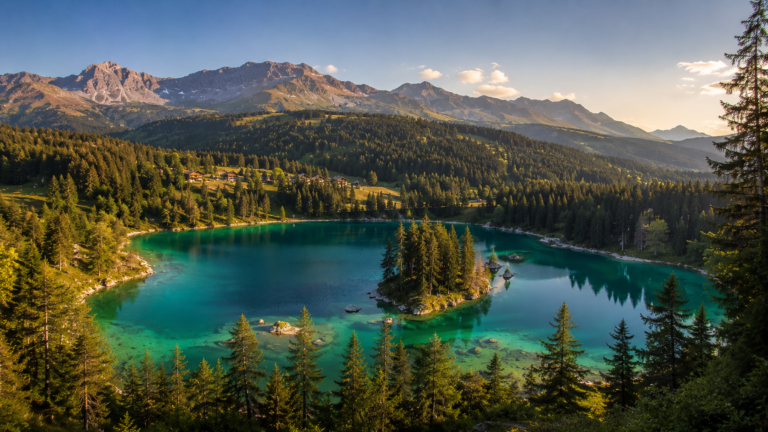
Unlike many Alpine lakes that follow a simple shoreline, Lake Lucerne unfolds through a series of winding arms, narrow channels, and sheltered bays. Its unusual shape often surprises first-time visitors. From certain viewpoints, the lake resembles a Norwegian fjord more than a traditional Swiss lake, with steep rock faces rising directly from the water and mountain ridges framing the horizon.
A Landscape Shaped by Ice and Time
The lake owes its distinctive appearance to the last Ice Age. As glaciers retreated thousands of years ago, they carved deep valleys that later filled with water, creating the branching basin seen today. The result is one of Switzerland’s most geographically distinctive lakes, stretching across multiple cantons and connecting diverse landscapes within a relatively compact area.
Covering approximately 114 square kilometers and reaching depths of more than 200 meters in some sections, Lake Lucerne is among Switzerland’s largest lakes. Its deep, clear waters and mountain backdrop create constantly changing scenery, particularly as weather conditions shift throughout the day. Morning mist, bright summer sunlight, and dramatic Alpine clouds can transform the lake’s appearance within hours.
The Lake at the Birthplace of Switzerland
Lake Lucerne is more than a natural attraction. It is deeply connected to the origins of the Swiss Confederation.
The lake takes its name from the historic forest cantons that surround it. These cantons played a central role in the formation of early Switzerland and helped shape the country’s political identity. For centuries, the waterways served as a vital transportation corridor linking communities before modern roads and railways reached the region.
Long before tourism became a major industry, merchants, pilgrims, and travelers crossed the lake on their journeys through the heart of the Alps. Historical trade routes connected Lake Lucerne with the strategically important Gotthard region, making the lake an essential link between northern and southern Europe.
By the nineteenth century, the area’s spectacular scenery began attracting visitors from across Europe. The arrival of steamships and later railways transformed the region into one of Switzerland’s earliest tourism destinations. Grand lakeside hotels, promenades, and mountain railways emerged during this period, many of which still shape the visitor experience today.
Why a Boat Cruise Is the Best Introduction
Although the lake can be admired from countless viewpoints, experiencing it from the water remains one of the most rewarding ways to understand its scale and character.
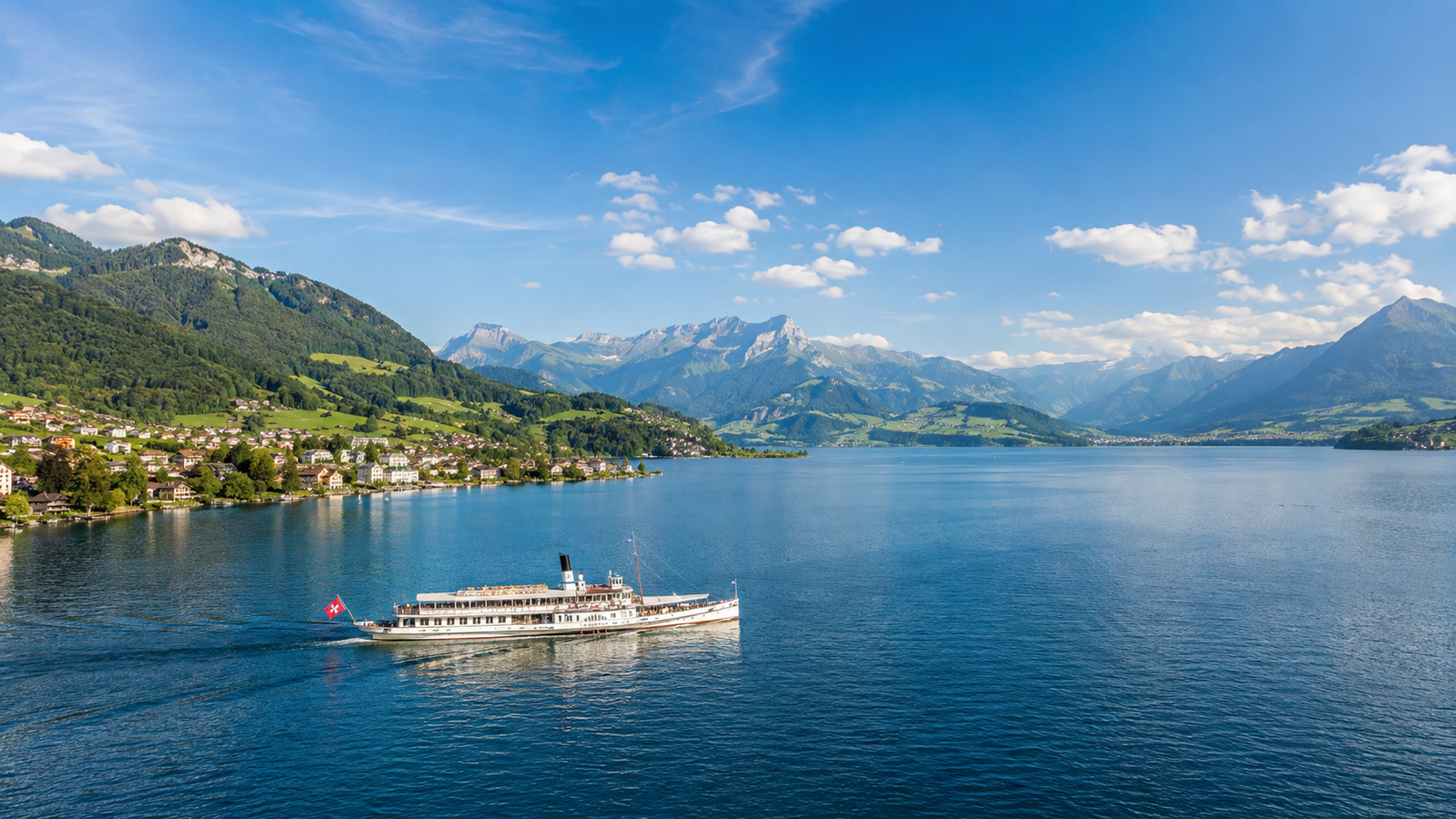
Passenger boats connect many lakeside communities throughout the year, allowing travelers to explore the region while enjoying uninterrupted views of mountains, villages, and historic landmarks. Traditional paddle steamers continue to operate alongside modern vessels, preserving a sense of classic Swiss travel that has become part of the lake’s identity.
As the boat moves between different sections of the lake, the landscape changes noticeably. Broad open waters gradually give way to narrow passages bordered by steep cliffs. Small villages appear along the shoreline, while famous peaks rise above the horizon in every direction. The journey often feels like several destinations combined into one continuous experience.
Mountains That Define the Horizon
Part of Lake Lucerne’s appeal comes from the mountains that surround it.
Among the most famous is Mount Rigi, often referred to as the “Queen of the Mountains.” The mountain has long been celebrated for its panoramic viewpoints overlooking the lake and the surrounding Alpine landscape. Historic mountain railways provide access to its summit, where visitors can enjoy some of Central Switzerland’s most celebrated vistas.
Mount Pilatus offers a dramatically different experience. Rising above Lucerne, it is known for its striking ridges and spectacular views. The mountain is connected to the lakeshore by the Pilatus Railway, recognized as the world’s steepest cogwheel railway. The journey itself has become one of Switzerland’s classic travel experiences.
Other notable peaks around the lake include Stanserhorn and Bürgenstock, both of which offer unique perspectives over the water and surrounding countryside. Together, these mountains create a landscape where visitors can move seamlessly between lake cruises, cable cars, hiking trails, and panoramic viewpoints.
Lakeside Villages and Hidden Corners
While the city of Lucerne attracts much of the attention, some of the lake’s most memorable experiences are found in smaller communities along its shores.
Villages such as Weggis, Vitznau, Brunnen, and Flüelen provide access to quieter stretches of the lake, where daily life unfolds against a backdrop of mountains and water. Lakeside promenades, harbors, and historic buildings contribute to the region’s distinctive atmosphere.
The shoreline also features castles, historic estates, and cultural landmarks that reflect the region’s long relationship with tourism and transportation. Some of these sites can only be fully appreciated from the water, reinforcing the importance of the lake itself as both a destination and a means of exploration.
Seasonal Experiences Around the Lake
Lake Lucerne remains attractive throughout the year because each season highlights a different aspect of the landscape.
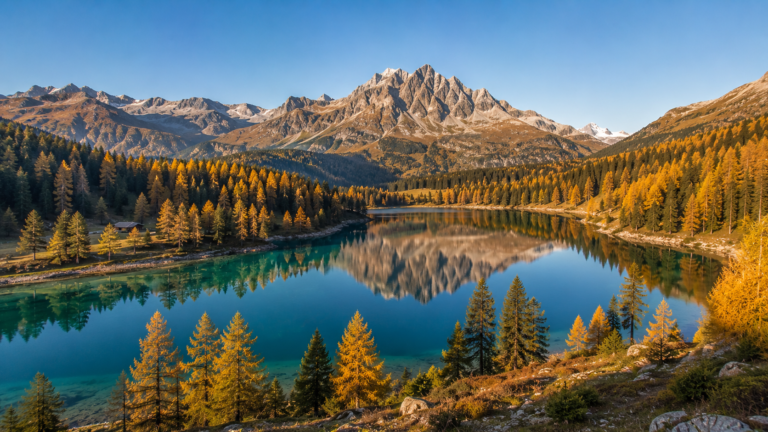
Spring brings blooming vegetation and clear mountain views. Summer offers ideal conditions for cruises, swimming, paddle sports, and outdoor excursions. Autumn introduces colorful forests and calmer visitor numbers, while winter creates dramatic contrasts between snow-covered peaks and the deep blue waters below.
Photographers often find the changing seasons especially rewarding. The combination of water reflections, mountain scenery, and shifting light conditions ensures that no two visits feel exactly the same.
Planning a Visit
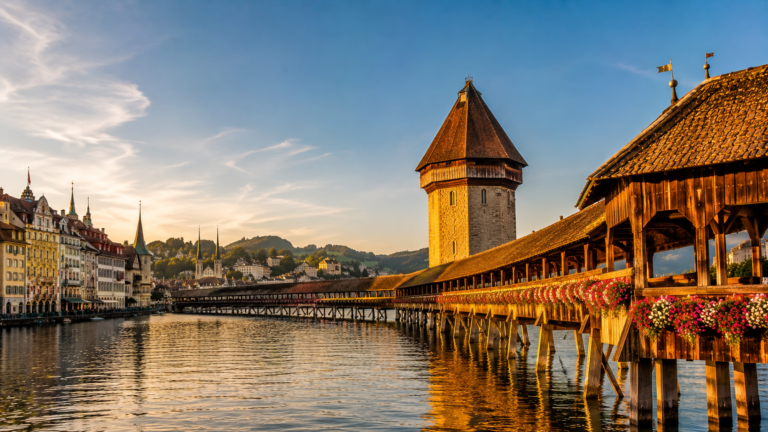
Lake Lucerne is remarkably accessible within Switzerland. The city of Lucerne serves as the main gateway and is well connected by rail to major Swiss destinations. From the city center, visitors can easily board lake cruises, reach mountain railways, or begin exploring surrounding villages.
For first-time visitors, combining a lake cruise with an excursion to Rigi or Pilatus offers an excellent introduction to the region. This pairing showcases the unique relationship between water and mountains that defines Central Switzerland.
Whether viewed from a historic paddle steamer, a mountain summit, or a quiet lakeside promenade, Lake Lucerne captures many of the qualities travelers associate with Switzerland. Its dramatic geography, historical significance, and remarkable variety of experiences make it far more than a scenic body of water—it is one of the defining landscapes of the country itself.