Flims, Graubünden, Switzerland
Flims: Discover Switzerland’s Lakes, Forests and Alpine Wonders
Some destinations impress visitors with a single landmark. Flims offers an entire landscape filled with natural wonders. Located in the canton of Graubünden, this mountain destination combines turquoise lakes, vast forests, dramatic rock formations, and some of Switzerland’s most remarkable geological features. From the famous Rhine Gorge to the crystal-clear waters of Lake Cauma, Flims presents a side of Switzerland where nature remains the main attraction.
Today, Flims forms part of the popular Flims-Laax-Falera region, attracting outdoor enthusiasts throughout the year. Yet despite its international reputation, the area still feels deeply connected to its natural environment, with forests, mountains, and lakes shaping nearly every aspect of the visitor experience.
Where Mountains, Forests, and Lakes Meet
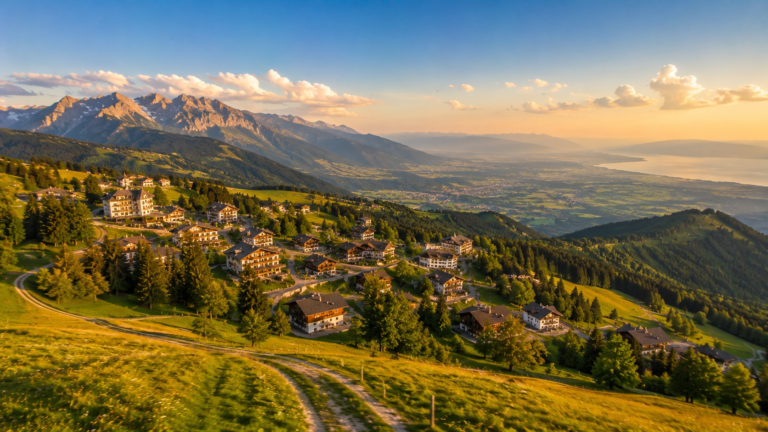
Flims sits on a high plateau above the Upper Rhine Valley in southeastern Switzerland. The village is surrounded by extensive forests, alpine terrain, and a remarkable collection of lakes that distinguish it from many other Swiss mountain destinations.
The region owes much of its unique geography to the prehistoric Flims Rockslide, one of the largest known landslides in the Alps. This enormous geological event reshaped the landscape thousands of years ago, creating the terrain that visitors see today. Forests grew across the debris field, underground water systems developed, and several distinctive lakes emerged within the landscape.
This dramatic geological history continues to define the character of Flims, making it one of the most fascinating natural destinations in Switzerland.
A Community with Deep Historical Roots
Flims has a documented history stretching back more than a millennium. Historical records mention the settlement as early as the eighth century, reflecting its longstanding role within the region. Over the centuries, the community developed through agriculture, Alpine traditions, and local trade before eventually embracing tourism.
The transformation into a tourism destination accelerated during the nineteenth century when visitors began arriving to enjoy the area’s clean mountain air, forests, and lakes. The opening of major hotels helped establish Flims as a respected Alpine retreat, attracting travelers seeking both recreation and relaxation.
Unlike many resorts that expanded rapidly around ski infrastructure alone, Flims built its reputation equally on natural beauty, summer recreation, and wellness tourism.
Lake Cauma: The Jewel of Flims
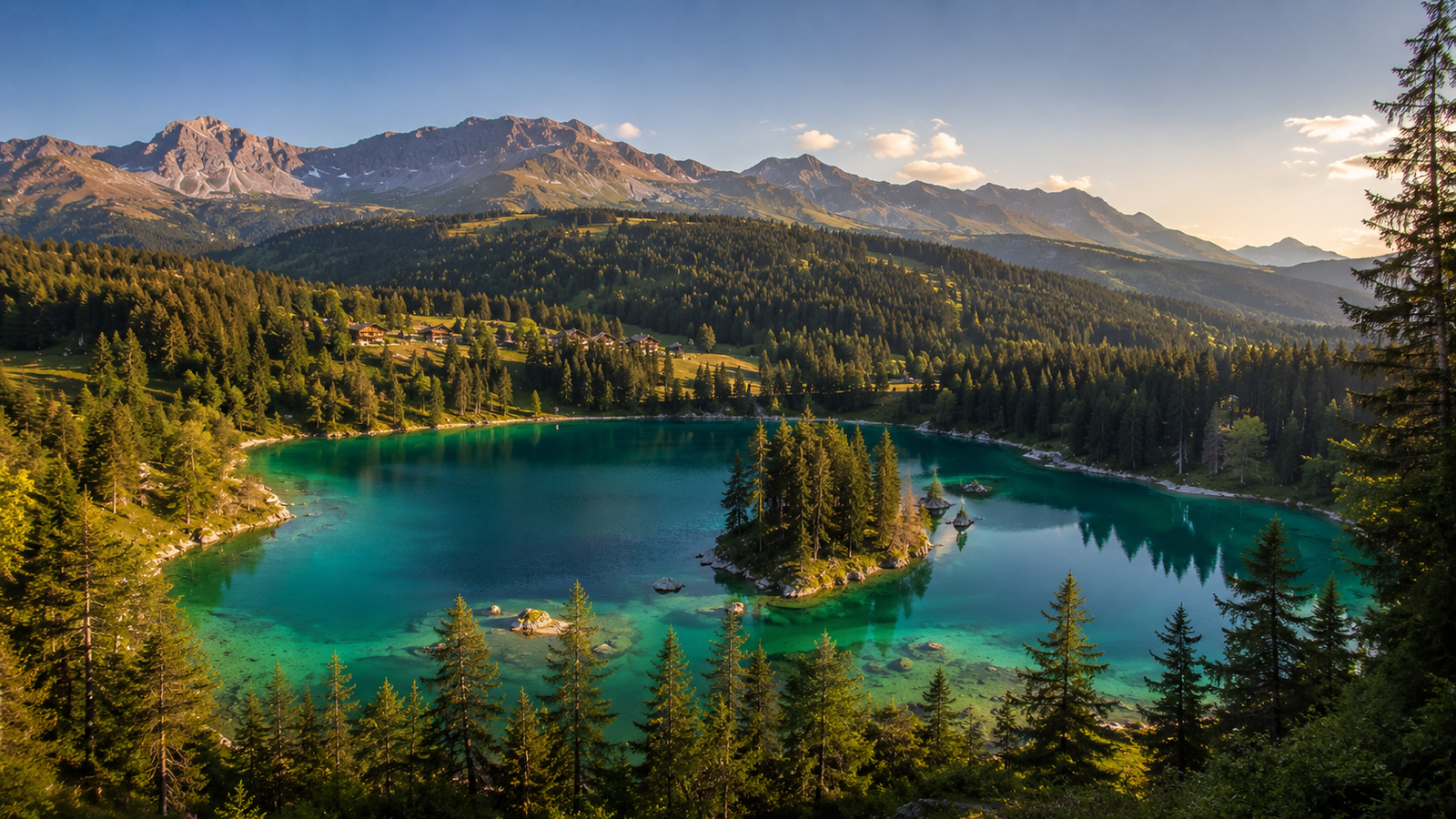
No attraction is more closely associated with Flims than Lake Cauma, known locally as Lag la Cauma. Hidden within a forest setting, the lake is famous for its striking turquoise color and tranquil atmosphere. Fed by underground water sources, its appearance changes with light conditions and seasonal water levels, creating a constantly evolving landscape.
Surrounded by dense woodland and featuring a small island near its center, Lake Cauma has become one of the most photographed natural locations in Graubünden. During summer, visitors come to swim, relax on the shoreline, rent boats, or simply enjoy the peaceful scenery. The lake’s sheltered position allows the water to warm to relatively pleasant temperatures compared with many Alpine lakes.
A short forest walk from Flims Waldhaus leads to the lake, while a lift helps visitors descend to the lakeside area.
The Rhine Gorge: Switzerland’s Grand Canyon
Just beyond the forests of Flims lies one of the country’s most spectacular natural landmarks: the Rhine Gorge, known in Romansh as Ruinaulta. Often called the “Grand Canyon of Switzerland,” this dramatic gorge stretches through towering white rock formations carved by the Rhine River.
The gorge itself is directly connected to the ancient Flims Rockslide. After the landslide blocked the valley, a massive lake formed. Over thousands of years, the Rhine gradually cut its way through the debris, creating the deep canyon visible today.
One of the best viewpoints is Il Spir, a platform overlooking the gorge that offers panoramic views of the river winding through the rocky landscape. The hike from Flims through the forest and past Lake Cauma is among the region’s most rewarding excursions.
Beyond the Famous Landmarks
While Lake Cauma and the Rhine Gorge receive much of the attention, Flims offers numerous additional attractions.
The UNESCO World Heritage-listed Swiss Tectonic Arena Sardona showcases one of the most significant geological phenomena in the Alps, where ancient rock layers were pushed over younger formations. The region provides an exceptional opportunity to observe Earth’s geological history on a monumental scale.
Lake Cresta, another beautiful mountain lake near Flims, offers a quieter alternative to the more famous Lake Cauma. Surrounded by forest and supplied by underground water systems, it reflects the unique geological processes that continue to shape the region.
The Trutg dil Flem, a scenic trail following mountain watercourses, introduces visitors to waterfalls, streams, bridges, and the natural forces that define the landscape.
Adventures Through Every Season
Flims appeals to outdoor enthusiasts regardless of season.
During summer, hiking dominates the visitor experience. Trails connect forests, mountain valleys, lakes, and scenic viewpoints. Mountain bikers also find extensive networks of routes throughout the region, ranging from family-friendly rides to more challenging terrain.
Autumn transforms the forests into a colorful display of gold and orange, making it one of the most visually rewarding times to explore the area.
Winter brings a completely different atmosphere. Together with neighboring Laax and Falera, Flims forms one of Switzerland’s best-known winter sports regions, offering extensive skiing and snowboarding terrain along with modern mountain infrastructure.
Spring introduces renewed life to the forests and lakes as snow gradually retreats from lower elevations.
Local Culture and Village Atmosphere
Although nature dominates the landscape, Flims also possesses a rich cultural identity influenced by both German-speaking and Romansh traditions. The Romansh language remains part of the region’s heritage, reflected in local place names and cultural history.
Visitors exploring the village encounter a blend of traditional Alpine architecture and modern tourism facilities. Historic hotels, mountain lodges, and local restaurants contribute to an atmosphere that balances authenticity with comfort.
Regional cuisine showcases specialties from Graubünden, providing another way to experience the area’s cultural heritage.
Getting There and Making the Most of a Visit
Flims is easily accessible from Chur, the oldest city in Switzerland and an important transportation hub in Graubünden. Regular connections by road and public transport make reaching the destination straightforward for both domestic and international visitors.
Travelers planning their first visit should allow time for both the famous attractions and the quieter corners of the region. While Lake Cauma and the Rhine Gorge are essential experiences, many of Flims’ most memorable moments occur on forest trails, mountain viewpoints, and lakeside paths away from larger crowds.
Why Flims Stands Apart
What distinguishes Flims is not simply the beauty of its landscapes but the extraordinary forces that created them. Few destinations combine turquoise lakes, ancient geological history, dense Alpine forests, dramatic river canyons, and year-round outdoor recreation so successfully.
Visitors arrive expecting mountain scenery and leave having experienced one of Switzerland’s most remarkable natural environments. Whether exploring the forests around Lake Cauma, gazing into the Rhine Gorge, hiking toward the Sardona World Heritage area, or simply enjoying the peaceful atmosphere of the village, Flims delivers an experience rooted in nature on a truly grand scale.