Lai da Palpuogna, Bergün / Bravuogn, Switzerland
Lai da Palpuogna: Discover Switzerland’s Legendary Alpine Lake Beneath the Albula Pass
Some destinations become famous because of dramatic peaks, historic cities, or world-renowned attractions. Lai da Palpuogna earned its reputation for something far simpler: extraordinary natural beauty. Hidden among larch forests below the Albula Pass in the canton of Graubünden, this small mountain lake has become one of Switzerland’s most admired landscapes.
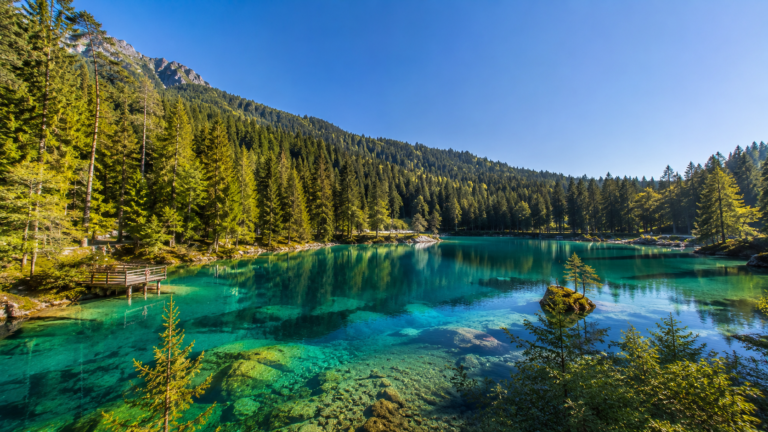
Known in German as Palpuognasee and in Romansh as Lai da Palpuogna, the lake sits within the municipality of Bergün/Bravuogn. Its remarkable combination of emerald-blue water, alpine woodland, and rugged mountain backdrops has made it a favorite destination for hikers, photographers, and travelers seeking a quieter side of the Swiss Alps.
Although Switzerland is home to countless spectacular lakes, Lai da Palpuogna occupies a special place in the country’s imagination. In a nationwide Swiss television vote in 2007, it was selected as the most beautiful place in Switzerland, an honor that introduced this previously tranquil mountain retreat to a much wider audience.
A Hidden Jewel Along the Albula Pass
The Albula region is famous for its mountain landscapes, engineering achievements, and railway heritage. While many travelers know the area for the scenic routes of the Rhaetian Railway, Lai da Palpuogna offers a different experience—one centered entirely on nature.
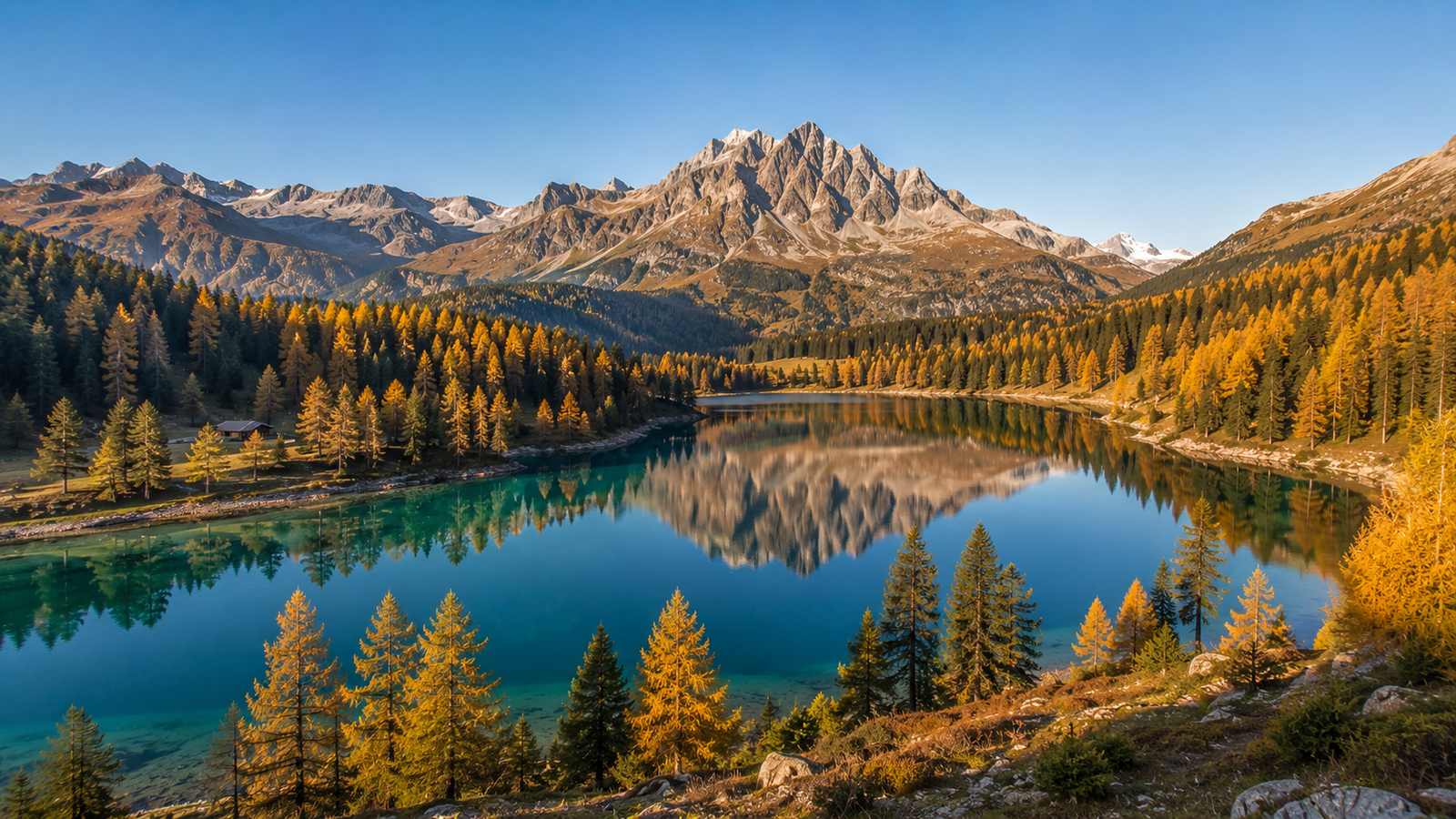
The lake lies at an elevation of roughly 1,900 meters near the Albula Pass. Surrounded by dense larch and pine forests, it appears almost untouched despite being relatively easy to reach. The water reflects the surrounding peaks with remarkable clarity, creating scenes that often look more like paintings than photographs.
Unlike larger Swiss lakes that support extensive recreational activities, Lai da Palpuogna remains intimate and peaceful. The absence of major tourist infrastructure helps preserve the atmosphere that visitors value most. Walking along its shoreline, it is easy to understand why the lake has become one of Graubünden’s most photographed natural landmarks.
The Colors That Make the Lake Famous
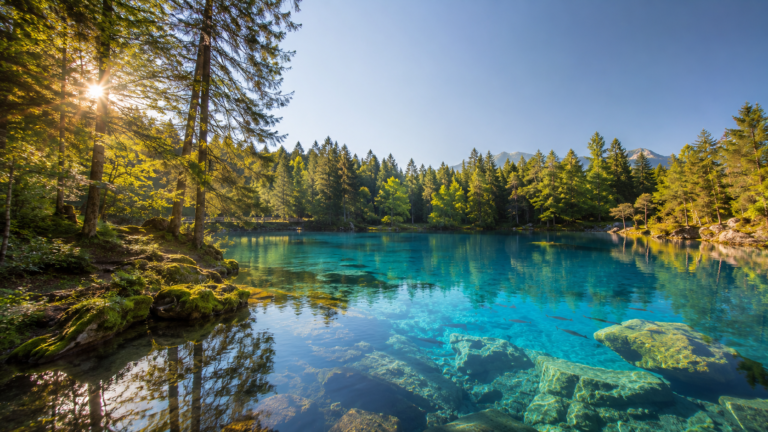
The first thing most visitors notice is the lake’s color. Depending on sunlight, weather conditions, and the season, the water can appear turquoise, emerald green, or deep sapphire blue.
The surrounding forest enhances these colors dramatically. During summer, the dark green trees create a striking contrast with the crystal-clear water. In autumn, the golden needles of the larch trees transform the landscape into one of the most colorful alpine scenes in Switzerland.
On calm days, the lake acts as a natural mirror, reflecting forests, mountains, and clouds with extraordinary precision. Early morning and late afternoon are particularly rewarding for photographers seeking still water and soft alpine light.
A Destination Built for Slow Travel
One reason Lai da Palpuogna remains so appealing is that it rewards travelers who are willing to slow down.
Rather than arriving by cable car and immediately encountering crowds, visitors typically approach the lake on foot. The most popular route begins at Preda, a small mountain village and railway station along the historic Albula railway line.
The walk from Preda is relatively short and accessible for many visitors. Forest trails gradually lead toward the lake, allowing the scenery to unfold naturally. The transition from railway station to quiet alpine lake is part of the experience itself.
This approach creates a sense of discovery that is increasingly rare in modern tourism. The lake is not simply viewed; it is reached through the landscape that surrounds it.
The Influence of the Albula Landscape
Lai da Palpuogna sits within one of Switzerland’s most fascinating mountain regions. Nearby, the Albula Pass connects different valleys of Graubünden and has served as an important alpine route for centuries.
The broader landscape is characterized by rugged peaks, alpine meadows, forests, and glacial features. The area also forms part of Parc Ela, Switzerland’s largest nature park, which helps protect many of the region’s natural and cultural treasures.
Because of this protected environment, visitors often encounter a landscape that feels remarkably authentic. Traditional mountain villages, historic stone buildings, and carefully maintained alpine pastures continue to shape the character of the region.
The lake therefore serves not only as a scenic attraction but also as an introduction to the wider environmental and cultural heritage of eastern Switzerland.
Hiking Around the Lake
Although the lake itself is relatively small, the surrounding area offers numerous opportunities for exploration.
A gentle walk around the shoreline allows visitors to experience different perspectives of the water and mountains. Each section of the trail reveals new reflections, forest openings, and scenic viewpoints.
More ambitious hikers often combine a visit to Lai da Palpuogna with longer excursions through the Albula Pass region. Trails connect nearby valleys, mountain pastures, and panoramic viewpoints, making the lake a rewarding stop within a broader hiking itinerary.
The combination of accessibility and alpine scenery makes the area attractive to both casual walkers and experienced mountain enthusiasts.
A Place for Picnics and Quiet Reflection
Unlike many heavily developed tourist attractions, Lai da Palpuogna invites visitors to spend time simply enjoying the surroundings.
Several designated picnic and barbecue areas near the shoreline provide places to relax while taking in the scenery. Families often bring lunch and spend hours beside the water, while photographers wait for changing light conditions across the mountains.
The atmosphere remains notably peaceful. Instead of motorboats or busy waterfront promenades, visitors hear birds, wind moving through the forest, and the gentle sounds of alpine water.
This simplicity is one of the lake’s greatest strengths. It offers an increasingly rare opportunity to experience a celebrated destination without the distractions that often accompany fame.
Seasonal Character Throughout the Year
Every season reveals a different side of Lai da Palpuogna.
Summer brings lush greenery, comfortable hiking conditions, and vivid water colors. It is the most popular season for visitors and outdoor activities.
Autumn is often considered one of the most beautiful periods. The larch forests surrounding the lake turn brilliant shades of gold, creating striking contrasts with the blue-green water.
Winter transforms the area into a snowy alpine landscape. Access may become more challenging depending on weather conditions, but the region acquires a serene beauty that appeals to winter hikers and photographers.
Spring brings snowmelt, rushing mountain streams, and the gradual return of alpine vegetation.
Because each season changes the appearance of the lake so dramatically, many travelers return multiple times to experience different moods of the landscape.
Reaching Lai da Palpuogna
One of the most enjoyable ways to reach the lake is by traveling on the Rhaetian Railway to Preda. The railway journey itself is considered among Switzerland’s most scenic mountain rail experiences.
From Preda, visitors can follow marked hiking paths through the forest toward the lake. Limited parking availability near the lake encourages the use of public transportation, helping preserve the area’s natural environment.
The combination of rail travel and hiking fits perfectly with the spirit of the destination. Rather than rushing directly to a viewpoint, visitors experience the gradual transition from mountain village to alpine wilderness.
For travelers exploring Graubünden, Lai da Palpuogna offers something increasingly valuable in modern Switzerland: a landscape that remains defined by nature itself. Its crystal-clear water, forested shoreline, mountain scenery, and tranquil atmosphere continue to make it one of the country’s most treasured alpine destinations and a memorable stop along the historic Albula route.