St. Moritz, Engadin Valley, Canton of Graubünden, Switzerland
St. Moritz: The Alpine Resort That Defined Luxury Mountain Travel
More Than a Mountain Resort
Some destinations become famous because of a single landmark. Others gain recognition through history or natural beauty. St. Moritz stands apart because it helped shape the modern concept of Alpine tourism itself.
Located high in Switzerland’s Engadin Valley, St. Moritz has evolved into one of the world’s most recognized mountain resorts. Its reputation extends far beyond Switzerland, attracting visitors who come for outdoor adventure, pristine landscapes, and a tradition of hospitality that has influenced mountain tourism for generations.
While luxury often dominates discussions about St. Moritz, the destination’s true appeal lies in its remarkable setting. Surrounded by lakes, forests, glaciers, and towering peaks, it offers an Alpine experience that combines natural grandeur with cultural sophistication.
The Setting That Changed Alpine Tourism
The story of St. Moritz is closely connected to its environment. Situated at a high elevation in the Upper Engadin region, the town enjoys abundant sunshine and a distinctive mountain climate.
During the nineteenth century, visitors began arriving to experience the region’s clear air and scenic landscapes. What started as a seasonal retreat gradually transformed into an international destination. St. Moritz became one of the first places to actively promote winter tourism, helping establish a model that would later influence mountain resorts throughout the Alps.
This pioneering role remains an important part of the town’s identity today.
Geography of the Upper Engadin
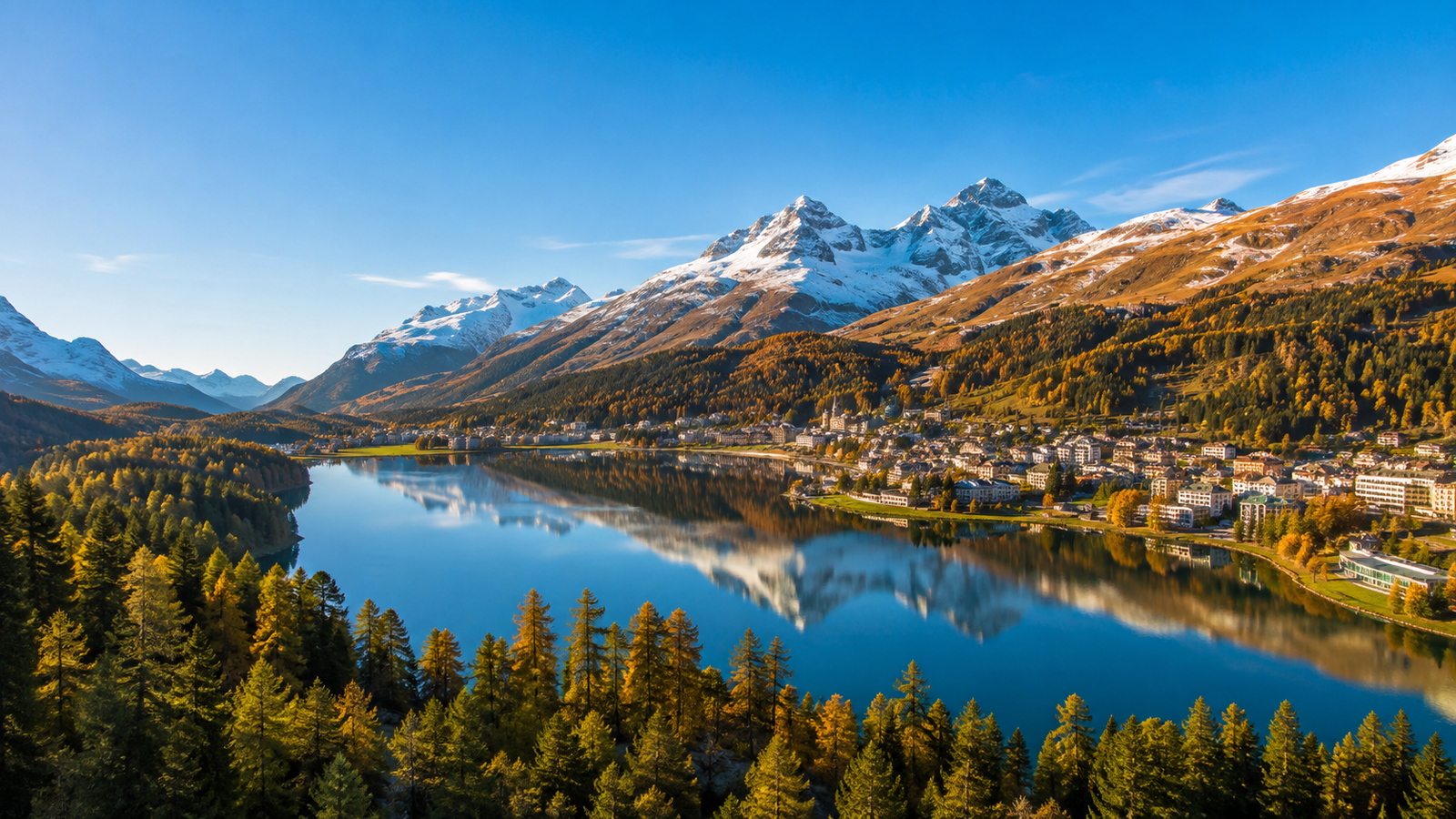
St. Moritz occupies a spectacular location in southeastern Switzerland within the canton of Graubünden. The town overlooks Lake St. Moritz and is surrounded by the dramatic mountain scenery of the Engadin Valley.
Unlike many Alpine destinations characterized by narrow valleys, the Engadin features broader open landscapes framed by mountain ranges. This creates expansive views that contribute significantly to the region’s visual appeal.
Nearby peaks, forests, rivers, and lakes form an interconnected natural environment that supports outdoor activities throughout the year. The combination of water, mountains, and open skies gives St. Moritz a distinctive character unlike other Swiss resort destinations.
The Lake at the Heart of the Town
Lake St. Moritz serves as both a visual centerpiece and a focal point for recreation.
Throughout the warmer months, the lake reflects surrounding mountains and changing skies, creating one of the most photographed landscapes in Switzerland. Walking paths around portions of the shoreline provide opportunities to appreciate the scenery from different perspectives.
In winter, the lake takes on an entirely different character. When conditions allow, its frozen surface becomes an extension of the resort environment, contributing to the destination’s unique seasonal identity.
The relationship between town, lake, and mountains creates a setting that remains memorable regardless of season.
A Reputation Built on Winter Excellence
St. Moritz is widely regarded as one of the most important winter sports destinations in the world.
Its high-altitude environment, extensive mountain terrain, and long-standing connection to winter recreation have helped establish an international reputation that continues to attract visitors from across the globe.
The surrounding mountains offer opportunities for skiing, snowboarding, and other snow-based activities, while winter walking routes and scenic excursions appeal to travelers seeking a more relaxed experience.
Even for visitors who do not participate in winter sports, the snowy landscapes and mountain panoramas remain compelling attractions in their own right.
Summer in the High Alps
Although often associated with winter, St. Moritz offers equally impressive experiences during the warmer months.
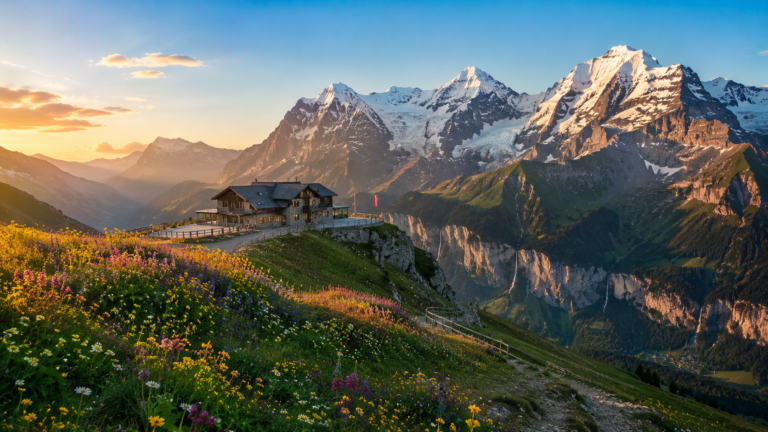
Hiking trails extend through forests, mountain meadows, and high-altitude terrain, providing access to viewpoints overlooking the Engadin Valley. Cycling routes attract outdoor enthusiasts seeking to explore the region’s varied landscapes.
The surrounding lakes add another dimension to the visitor experience, creating opportunities to enjoy nature from both land and water perspectives.
Summer also highlights the region’s remarkable scenery, with green valleys contrasting against rugged mountain peaks and glaciers.
Scenic Rail Journeys and Mountain Access
Transportation plays an important role in the appeal of St. Moritz.
The town is connected to some of Switzerland’s most celebrated rail routes, attracting travelers who appreciate scenic journeys as much as the destination itself. Rail travel through the Alps offers views of valleys, bridges, tunnels, and mountain landscapes that form an integral part of the overall experience.
Mountain transportation systems provide convenient access to elevated viewpoints, allowing visitors to reach areas that reveal the full scale of the surrounding Alpine environment.
These journeys contribute significantly to St. Moritz’s reputation as both a travel destination and a gateway to exploration.
A Blend of Nature and Sophistication
What distinguishes St. Moritz from many mountain resorts is the balance it maintains between natural surroundings and refined urban amenities.
Visitors encounter elegant hotels, restaurants, boutiques, and cultural venues alongside forests, lakes, and mountain trails. This combination creates a destination that appeals to a wide range of interests, from outdoor recreation to cultural experiences.
The town’s atmosphere reflects decades of international tourism while remaining deeply connected to its Alpine setting.
Culture in the Engadin Region
St. Moritz is located within a region known for its distinct cultural heritage.
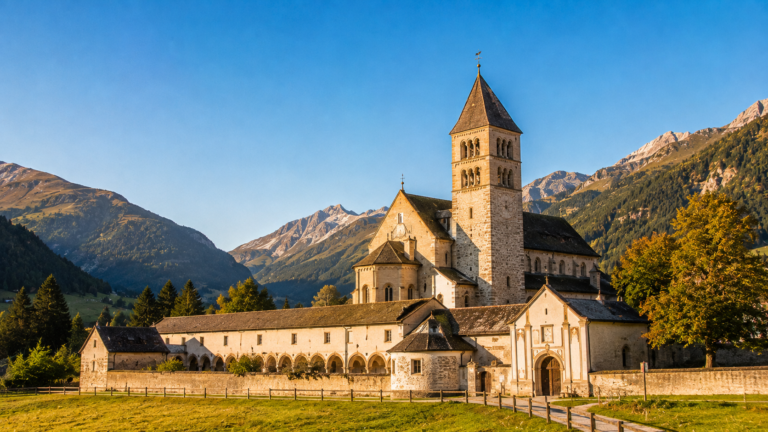
The Engadin Valley has developed traditions influenced by its geography, language, and historical connections. Architectural styles, local customs, and regional identity continue to shape community life throughout the area.
Visitors often discover that exploring beyond the resort center reveals another side of the region—one rooted in Alpine culture and centuries of mountain living.
This cultural dimension adds depth to a destination often associated primarily with recreation and luxury.
Experiences Worth Prioritizing
A visit to St. Moritz typically revolves around a combination of scenery, outdoor activities, and exploration.
Walking along Lake St. Moritz offers an introduction to the town’s natural setting. Excursions into the surrounding mountains reveal panoramic viewpoints that showcase the broader Engadin landscape.
Many travelers also choose to experience the region through its scenic railways, which provide access to some of the Alps’ most impressive routes.
Whether hiking, photographing landscapes, exploring mountain villages, or simply enjoying the atmosphere, visitors find no shortage of rewarding experiences.
When to Visit
Each season reveals a different aspect of St. Moritz.
Winter remains the most internationally recognized period, attracting visitors seeking snow-covered landscapes and mountain recreation.
Spring introduces gradual changes as lower elevations begin transitioning from winter conditions.
Summer is ideal for hiking, cycling, sightseeing, and exploring the natural environment under longer daylight hours.
Autumn brings crisp air, seasonal colors, and often quieter conditions that appeal to travelers seeking a more relaxed experience.
Getting There
Despite its mountain location, St. Moritz is accessible through Switzerland’s highly developed transportation network.
Rail connections link the resort with major Swiss cities and neighboring regions. Many visitors prefer train travel because it combines convenience with spectacular Alpine scenery.
Once in the area, local transportation and mountain systems make it easy to access nearby attractions and viewpoints.
Helpful Travel Advice
Weather conditions can change rapidly in Alpine environments, making layered clothing essential throughout the year.
Visitors planning mountain excursions should prepare for cooler temperatures at higher elevations, even during summer.
Allowing extra time for scenic rail journeys and mountain viewpoints often results in a more rewarding experience than focusing solely on the town center.
Photography enthusiasts should take advantage of early morning and late afternoon light, when the surrounding mountains and lakes are often at their most visually striking.
Why St. Moritz Remains World Famous
Few destinations have had as much influence on Alpine tourism as St. Moritz. Its combination of mountain scenery, outdoor recreation, cultural heritage, and hospitality has created a reputation that extends far beyond Switzerland.
The destination continues to attract visitors not only because of its luxury image but because it offers genuine access to one of the most beautiful landscapes in the Alps.
St. Moritz represents a unique chapter in Switzerland’s travel story. Surrounded by the lakes and mountains of the Engadin Valley, it combines spectacular natural scenery with a pioneering tourism legacy that continues to shape its identity today. Whether arriving for winter sports, summer hiking, scenic rail journeys, or simply to experience the atmosphere of a legendary Alpine resort, visitors encounter a destination that remains one of Switzerland’s most iconic and enduring attractions.