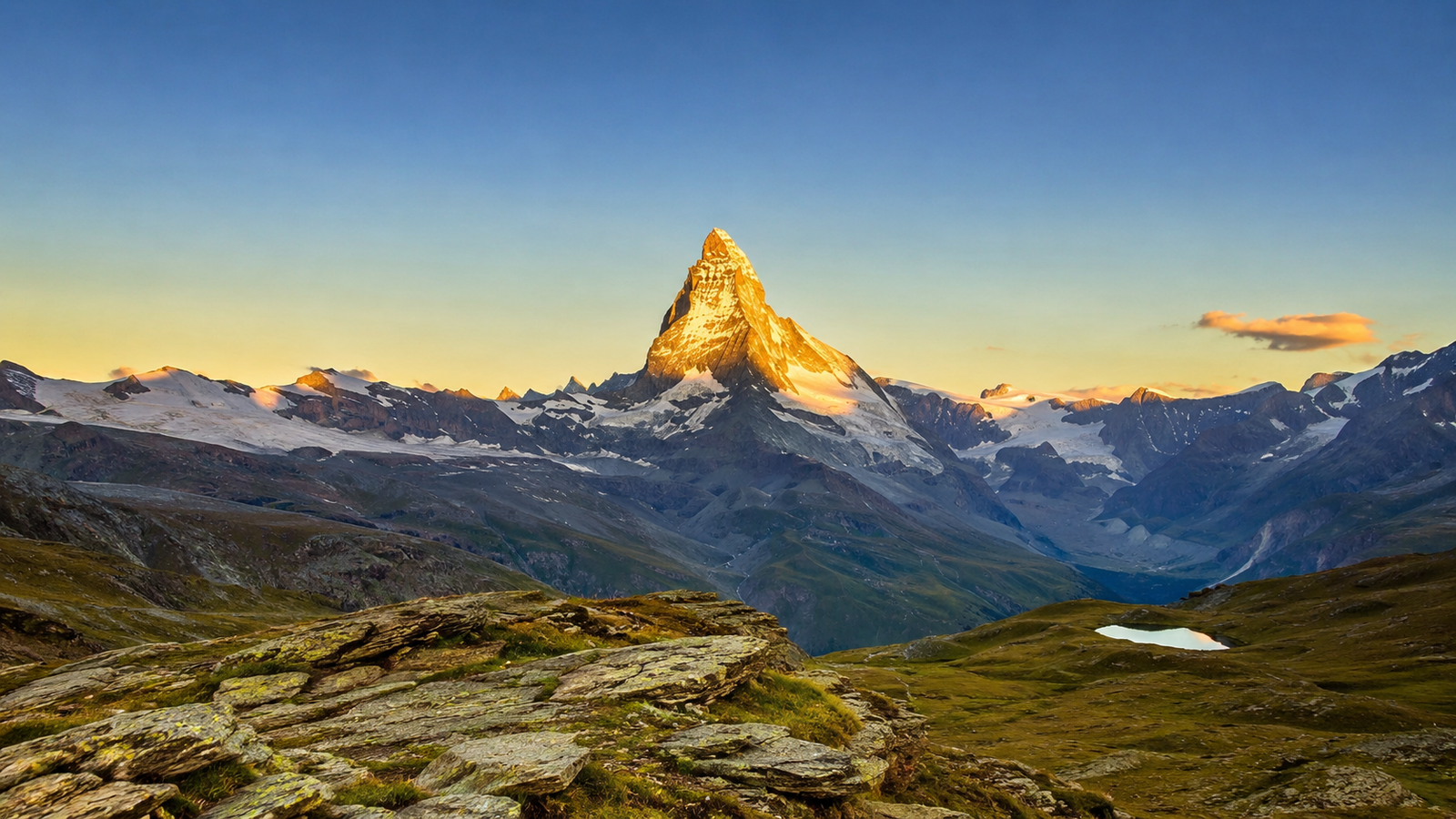
Matterhorn, Valais, Switzerland
Matterhorn: Discover Switzerland’s Legendary Pyramid Peak
Few natural landmarks are as instantly recognizable as the Matterhorn. Rising dramatically above the Alpine village of Zermatt, this iconic mountain has become one of the most enduring symbols of Switzerland. Its distinctive pyramid-shaped profile appears on postcards, travel brochures, photographs, and souvenirs around the world, attracting visitors who come to witness one of Europe’s most celebrated landscapes.
Whether viewed from a scenic mountain railway, reflected in an alpine lake, or admired from a village street in Zermatt, the Matterhorn leaves a lasting impression. Its combination of natural beauty, mountaineering history, and cultural significance has made it one of the most visited and photographed destinations in the Swiss Alps.
An Overview of the Matterhorn
The Matterhorn stands at 4,478 meters (14,692 feet) above sea level in the Pennine Alps on the border between Switzerland and Italy. The Swiss side overlooks Zermatt in the canton of Valais, while the Italian side faces Breuil-Cervinia in the Aosta Valley. The mountain is known as Matterhorn in German, Mont Cervin in French, and Monte Cervino in Italian.
Unlike many surrounding peaks that blend into extensive mountain ranges, the Matterhorn rises in a remarkably isolated form. Its steep faces and symmetrical shape create a striking silhouette visible from numerous viewpoints across the region.
The mountain has become far more than a geographical landmark. It is widely regarded as one of the defining images of the Swiss Alps and remains a source of fascination for travelers, photographers, hikers, and mountaineers.
A History Shaped by Exploration
For centuries, the Matterhorn was considered one of the most difficult peaks in the Alps. Its steep rock faces and imposing appearance discouraged early climbers and contributed to its reputation as an unconquerable mountain.
That perception changed on July 14, 1865, when British mountaineer Edward Whymper and his team successfully reached the summit. The achievement marked a major milestone in Alpine mountaineering history. However, tragedy followed during the descent when four members of the expedition fell to their deaths after a rope broke.
The dramatic events surrounding the first ascent quickly captured international attention. News of the climb spread throughout Europe and beyond, helping establish both the Matterhorn and Zermatt as world-famous destinations. The mountain soon became a symbol of human ambition, adventure, and respect for the power of nature.
Today, the story of the first ascent remains an important part of the region’s heritage and can be explored through exhibits at the Matterhorn Museum in Zermatt.
Geography and Natural Setting
The Matterhorn is located at the southern end of the Matter Valley in southwestern Switzerland. It forms part of a spectacular Alpine landscape that includes glaciers, high-altitude lakes, forests, and numerous peaks exceeding 4,000 meters.
The mountain itself was formed through geological processes associated with the collision of the African and European tectonic plates. Its rock structure and dramatic appearance provide valuable insight into the geological history of the Alps.
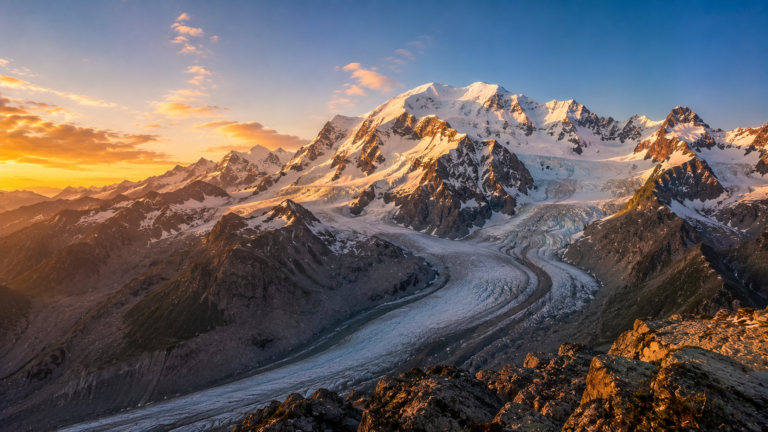
Surrounding areas offer panoramic views of glaciers and neighboring mountains, making the region a paradise for outdoor enthusiasts and nature photographers. Seasonal changes transform the landscape throughout the year, from green alpine meadows in summer to snow-covered scenery during winter.
The Best Views and Highlights
One of the greatest attractions of the Matterhorn is that visitors do not need to climb the mountain to enjoy extraordinary views.
Gornergrat
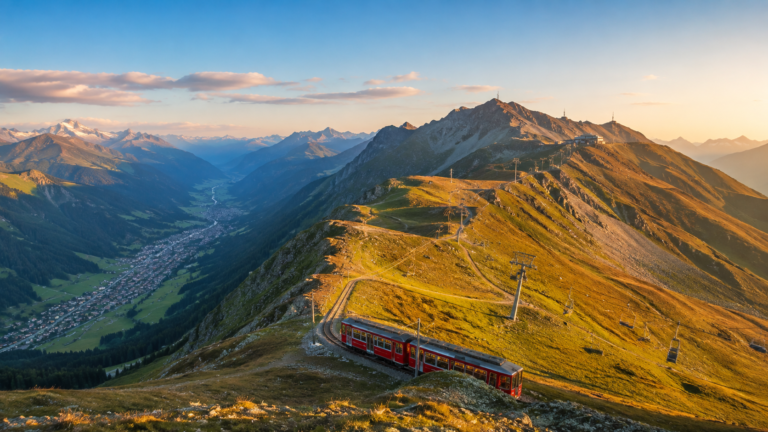
Among the most famous viewpoints in Switzerland, Gornergrat offers sweeping panoramas of the Matterhorn and surrounding Alpine peaks. Accessible via the historic Gornergrat Railway, the area provides some of the most photographed views in the region.
Matterhorn Glacier Paradise
Located on the Klein Matterhorn, this high-altitude destination offers year-round access to glacier scenery and spectacular mountain vistas. Visitors can experience panoramic viewing platforms and impressive Alpine landscapes at elevations rarely reached by conventional sightseeing facilities.
Sunnegga
Sunnegga is a popular viewpoint known for its sunny location and exceptional Matterhorn views. Nearby alpine lakes often create beautiful reflections of the mountain, making the area a favorite among photographers.
Schwarzsee
This mountain lake provides one of the classic Matterhorn perspectives. The combination of water, surrounding peaks, and the towering mountain creates a memorable setting for sightseeing and photography.
What Visitors Can Experience
The Matterhorn region offers activities for every type of traveler.
Hikers can explore an extensive network of trails ranging from gentle scenic walks to challenging alpine routes. Summer reveals colorful meadows, clear mountain lakes, and impressive glacier landscapes.
Cyclists can enjoy mountain biking routes that traverse valleys and high-altitude terrain. Winter transforms the region into one of Europe’s leading ski destinations, with extensive slopes and snow sports opportunities.
Photography remains one of the most popular activities throughout the year. Sunrise and sunset often produce dramatic lighting conditions that highlight the mountain’s distinctive shape.
Visitors interested in local history can explore Zermatt’s museums, historic buildings, and cultural sites that tell the story of Alpine life and mountaineering traditions.
Best Things to Do Near the Matterhorn
- Ride the Gornergrat Railway for panoramic mountain views.
- Visit Matterhorn Glacier Paradise.
- Walk scenic alpine trails around Zermatt.
- Explore the Matterhorn Museum – Zermatlantis.
- Photograph the mountain from famous viewpoints and lakes.
- Experience skiing and snow sports during winter.
- Enjoy traditional Swiss cuisine in mountain restaurants.
- Discover Zermatt’s charming car-free village atmosphere.
Best Time to Visit
The Matterhorn is a year-round destination, with each season offering a different experience.
Summer brings hiking opportunities, green landscapes, and relatively stable weather conditions. Clear days often provide outstanding visibility for sightseeing and photography.
Autumn offers colorful scenery and fewer crowds while maintaining excellent mountain views.
Winter attracts skiers and snow enthusiasts who come to enjoy the extensive ski areas surrounding Zermatt.
Spring presents a transition between snow-covered peaks and emerging alpine landscapes, creating unique photographic opportunities.
Travelers seeking outdoor activities should always monitor mountain weather conditions, which can change rapidly at high elevations.
Transportation and Access
The primary gateway to the Matterhorn is Zermatt, one of Switzerland’s most famous mountain resorts.
Zermatt is notable for being a car-free village. Visitors arriving by car typically leave their vehicles in the nearby village of Täsch and continue by train. Frequent rail connections link Zermatt with major Swiss transportation networks.
Once in Zermatt, visitors can access surrounding viewpoints and mountain attractions using railways, cable cars, and hiking trails. The transportation system allows travelers to reach remarkable elevations while enjoying panoramic Alpine scenery along the way.
Culture and Local Significance
The Matterhorn occupies a special place in Swiss culture and identity. Its image has become synonymous with the country itself, symbolizing natural beauty, Alpine heritage, and outdoor adventure.
The mountain also represents the deep traditions of mountain guiding and mountaineering that developed in Zermatt over generations. Local culture continues to celebrate Alpine life through festivals, folklore, traditional music, and historical preservation.
Visitors can experience this heritage through local museums, cultural events, and interactions with communities that have lived in the shadow of the Matterhorn for centuries.
Travel Tips
- Check weather forecasts before mountain excursions.
- Dress in layers, even during summer.
- Wear suitable footwear for hiking trails.
- Allow extra time for transportation between mountain attractions.
- Carry sun protection, as UV exposure is stronger at high elevations.
- Book accommodations in advance during peak travel seasons.
- Bring a camera with extra storage for the region’s spectacular scenery.
Why the Matterhorn Remains So Popular
The Matterhorn combines extraordinary natural beauty with one of the most compelling stories in Alpine history. Its dramatic shape, legendary status, and accessibility from Zermatt create an experience that appeals to both casual visitors and experienced adventurers.
Whether viewed from a scenic train, reflected in a mountain lake, or admired from a village café, the mountain delivers the kind of unforgettable landscape that travelers often imagine when they think of Switzerland.
Conclusion
The Matterhorn is more than a mountain—it is a global icon. Towering above Zermatt with its unmistakable silhouette, it represents the very essence of the Swiss Alps. Rich in history, surrounded by spectacular scenery, and accessible through world-class tourism infrastructure, the Matterhorn continues to inspire visitors from around the world. For anyone exploring Switzerland, seeing the Matterhorn is not simply a sightseeing experience; it is a journey into one of the country’s most celebrated natural treasures.