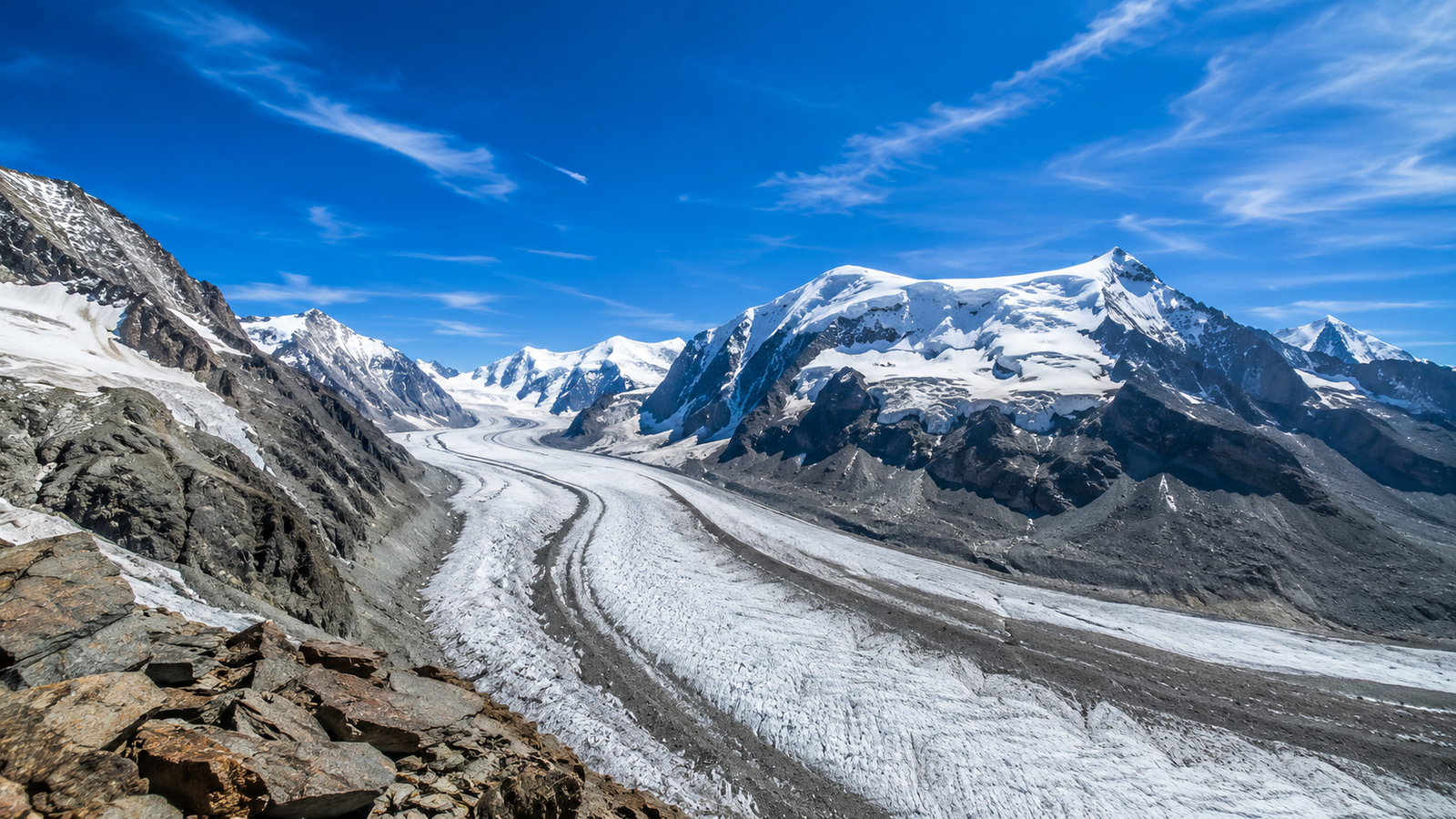
Jungfraujoch, Interlaken Region, Switzerland
Jungfraujoch: Exploring Switzerland’s High-Alpine Wonder Above the Clouds
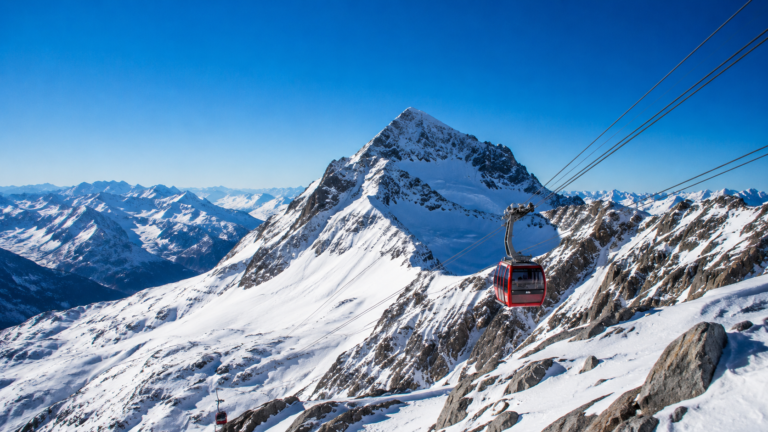
High in the Bernese Alps, where snow and ice dominate the landscape throughout the year, Jungfraujoch offers one of Switzerland’s most remarkable mountain experiences. Often referred to as the “Top of Europe,” this internationally known destination combines dramatic scenery, engineering achievement, and access to one of the most spectacular high-altitude environments in the Alps.
For many visitors, the journey itself is as memorable as the destination. The route climbs through mountain valleys, passes beneath towering peaks, and emerges into a world of glaciers and snowfields that feels far removed from everyday life. Jungfraujoch has become a symbol of Alpine travel, attracting visitors from around the globe who want to experience Switzerland’s mountain heritage at its most impressive.
A Saddle Between Giants
Jungfraujoch is not a mountain summit but a high mountain pass located between two famous peaks: the Jungfrau and the Mönch. Situated in the Bernese Alps, it serves as a gateway to an extraordinary glacier landscape and provides access to one of Europe’s most celebrated mountain destinations.
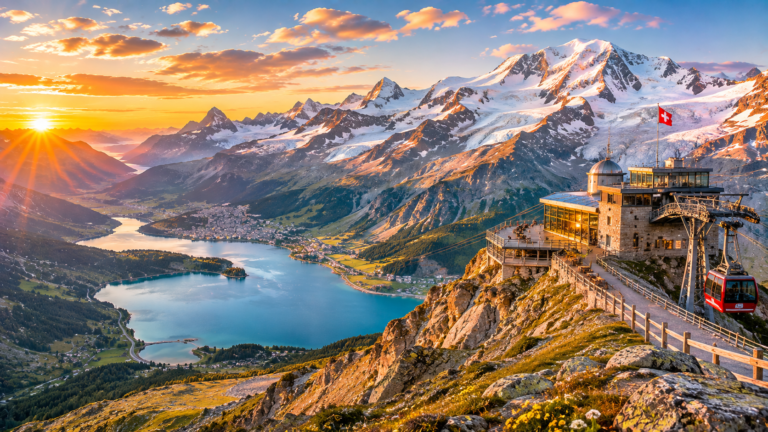
The area lies within a region renowned for dramatic scenery, where steep rock walls, snowy ridges, and expansive ice fields create a landscape unlike anywhere else in Switzerland. From viewing platforms and observation areas, visitors can enjoy sweeping panoramas extending across the Alps on clear days.
Its unique location places travelers at the heart of a high-mountain environment while remaining accessible through one of Switzerland’s most famous railway systems.
The Vision Behind the Railway
The story of Jungfraujoch is closely tied to one of the most ambitious engineering projects in Swiss history. During the late nineteenth century, plans emerged to build a railway deep into the mountains, allowing travelers to reach elevations previously accessible only to experienced climbers.
Construction of the Jungfrau Railway began in the 1890s and continued for many years under challenging Alpine conditions. Workers carved tunnels through solid rock while building a route that would eventually reach the high-altitude saddle known as Jungfraujoch.
When the railway was completed in the early twentieth century, it represented a remarkable accomplishment in mountain engineering. Today, the route remains one of Switzerland’s most famous rail journeys and continues to play a central role in the visitor experience.
Geography of Ice and Stone
Jungfraujoch sits within a landscape shaped by glaciers, geological forces, and centuries of Alpine weather. The surrounding peaks form part of a UNESCO-recognized mountain region known for its natural significance.
One of the most striking features visible from Jungfraujoch is the Great Aletsch Glacier, the largest glacier in the Alps. Its immense river of ice stretches across the mountain landscape, illustrating the power of natural processes that have shaped the region over thousands of years.
The contrast between snow-covered summits, rugged rock formations, and vast glacier fields creates an environment that is both visually dramatic and scientifically important. Researchers continue to study the area for insights into Alpine geology, glaciology, and environmental change.
Signature Attractions at Jungfraujoch
Visitors arriving at Jungfraujoch discover far more than a mountain viewpoint.
Sphinx Observatory
One of the most recognizable landmarks at Jungfraujoch is the Sphinx Observatory. Positioned high above the surrounding landscape, it provides panoramic viewing areas where visitors can admire the glacier world below and surrounding Alpine peaks.
The observatory is also an active scientific research facility, contributing to studies in atmospheric and environmental sciences.
Ice Palace
Deep within the glacier lies the Ice Palace, a network of passages carved into the ice. Visitors can walk through frozen corridors featuring ice sculptures and smooth, shimmering walls that highlight the unique character of the glacier environment.
Alpine Sensation
This multimedia attraction presents elements of the history behind the Jungfrau Railway and the development of mountain tourism in the region. It helps visitors understand the extraordinary effort required to create one of the world’s most famous mountain railways.
Glacier Plateau
The outdoor glacier area allows visitors to step directly into a high-alpine setting surrounded by snow and ice. Even during warmer months, the environment retains its distinctly winter character.
The Journey Is Part of the Experience
Unlike many attractions where travelers arrive by road, Jungfraujoch is defined by its railway journey.
Most visitors begin in the villages of Grindelwald or Lauterbrunnen before continuing through Kleine Scheidegg, a mountain pass beneath the towering Eiger North Face. From there, trains enter tunnels carved through the mountains and gradually climb toward Jungfraujoch.
Along the route, carefully positioned viewing stops provide glimpses of glaciers and mountain scenery before passengers reach the final station. The progression from green valleys to snow-covered Alpine terrain creates a memorable transition that highlights the diversity of Switzerland’s landscapes.
Activities and Experiences
Jungfraujoch offers experiences suited to a wide range of travelers.
Photography remains among the most popular activities. The combination of glaciers, peaks, and changing mountain light provides exceptional opportunities for capturing dramatic images.
Nature enthusiasts appreciate the chance to observe a glacier landscape up close, while families often enjoy exploring the Ice Palace and outdoor snow areas.
Visitors interested in science can learn about ongoing research conducted at the Sphinx Observatory, while railway enthusiasts are frequently fascinated by the engineering achievements that made access to Jungfraujoch possible.
The destination also serves as a starting point for certain guided Alpine activities and glacier-related experiences available through regional operators.
Seasonal Character Throughout the Year
One of Jungfraujoch’s distinctive qualities is its year-round appeal.
Summer visitors experience a striking contrast between green valleys below and snowy landscapes at higher elevations. This combination creates some of the most dramatic scenery in the Swiss Alps.
Autumn often brings exceptionally clear visibility, allowing distant mountain ranges to be seen in remarkable detail.
Winter enhances the already snowy environment, reinforcing the feeling of entering a true Alpine world. Spring introduces changing conditions in surrounding valleys while the higher elevations remain dominated by snow and ice.
Because weather can change rapidly in mountain environments, visibility conditions vary throughout the year, making every visit slightly different.
Access and Transportation
Jungfraujoch is accessible through Switzerland’s extensive rail network.
Travelers typically reach Interlaken before continuing toward Grindelwald or Lauterbrunnen. From there, mountain railways connect with routes leading to Kleine Scheidegg and eventually Jungfraujoch.
The railway system itself is considered a major attraction and forms an essential part of the overall experience. Efficient connections allow visitors from major Swiss cities to reach the region with relative ease.
Advance planning is recommended, particularly during busy travel periods when demand for mountain excursions can be high.
Alpine Heritage and Regional Identity
Jungfraujoch reflects the long relationship between Swiss communities and the surrounding mountains. The Bernese Oberland has welcomed travelers for generations, helping establish Switzerland’s reputation as one of the world’s leading mountain tourism destinations.
Traditional villages nearby continue to preserve elements of Alpine culture through architecture, local customs, and hospitality. The region’s mountain railways, hiking traditions, and commitment to sustainable tourism all contribute to its enduring appeal.
The destination also demonstrates how engineering innovation can coexist with natural landscapes, allowing visitors to experience remote environments while respecting the surrounding Alpine setting.
Practical Travel Advice
- Dress for cooler temperatures, even during summer.
- Allow sufficient time for the railway journey and sightseeing.
- Stay hydrated at higher elevations.
- Check weather and visibility forecasts before traveling.
- Wear sunglasses and sun protection in snowy conditions.
- Carry a camera with extra battery capacity, as cold temperatures can affect battery life.
- Consider spending additional time in Grindelwald, Lauterbrunnen, or Wengen to experience the wider Jungfrau Region.