
Swiss Safety Inspectors Flag Hundreds of Electrical Products as Consumer Risks
Swiss consumers are being urged to pay closer attention to the safety of electrical products after a nationwide inspection campaign uncovered a significant number of defective items on the market.
According to newly released findings from Switzerland’s Federal Inspectorate for High-Voltage Installations (ESTI), more than one in four electrical products examined during the latest round of market surveillance failed to meet required standards, raising concerns about electrical safety and regulatory compliance across a wide range of consumer goods.
The inspection results highlight the ongoing challenge facing regulators as online shopping, cross-border sales, and rapidly expanding product marketplaces continue to increase the number of electrical devices reaching consumers.
Hundreds of Products Failed Inspections
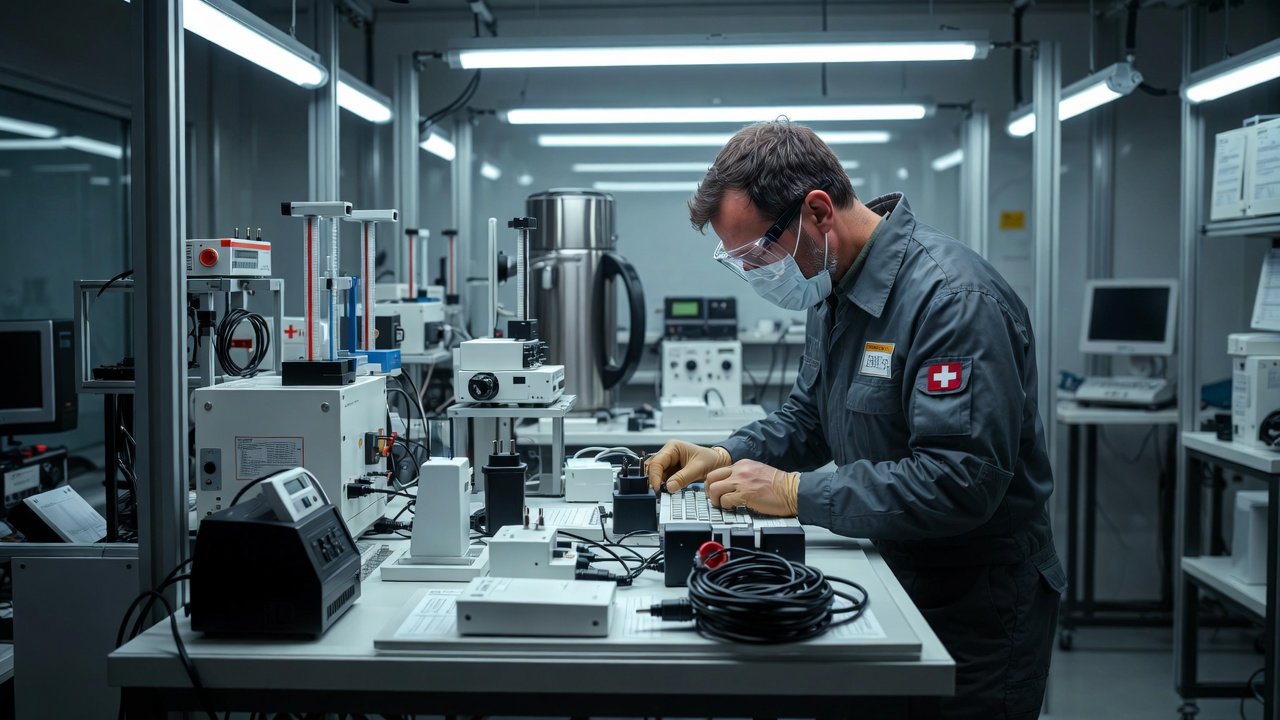
ESTI reported that inspectors examined 1,001 electrical products during the most recent review period. Of those, 281 products were found to have either technical or administrative shortcomings. The authority said 172 of the non-compliant products contained defects directly related to electrical safety.
Safety-related defects are considered particularly serious because they can increase the risk of electric shock, overheating, fire, or other hazards during normal use. Products that fail safety requirements can be removed from the market, recalled, or subjected to corrective measures before being sold again.
The findings prompted authorities to prohibit the sale of dozens of products that failed to satisfy legal requirements. ESTI said 65 products were banned from sale as a result of the inspection campaign.
The agency also reported that several manufacturers, importers, and distributors were required to take corrective actions, including technical modifications and documentation updates, to bring products into compliance with Swiss regulations.
Market Surveillance Plays a Critical Role
Switzerland maintains one of Europe’s most comprehensive systems for monitoring electrical product safety. Regulators conduct inspections through online reviews, retail checks, manufacturer assessments, and investigations triggered by complaints or reports from industry professionals and consumers.
The purpose of these inspections is not only to identify dangerous products but also to ensure that manufacturers and importers can demonstrate compliance with legal standards covering electrical safety, technical documentation, and conformity assessments.
Authorities have repeatedly emphasized that missing or incomplete compliance records can be grounds for enforcement action even when an immediate safety defect is not apparent. Regulators argue that proper documentation helps ensure products have undergone the necessary testing before reaching consumers.
A Continuing Trend
The latest findings are not an isolated event.
Previous ESTI inspections have also revealed substantial levels of non-compliance in the Swiss marketplace. In earlier surveillance campaigns, authorities found significant numbers of electrical products with technical deficiencies, resulting in numerous sales bans, recalls, and public safety notices.
While inspection methodologies and sample sizes vary from year to year, the recurring discovery of defective products suggests that regulators continue to face challenges in preventing unsafe devices from entering the market.
The increasing popularity of online shopping has added another layer of complexity. Products can now be shipped directly to consumers from international sellers, sometimes bypassing traditional distribution channels where compliance checks are more common.
Regulators across Europe have warned that some low-cost products sold through overseas marketplaces may not always satisfy local safety requirements, particularly when sellers lack a clear local presence or fail to provide required technical documentation.
Common Risks Identified
Although authorities did not publicly identify every product involved in the latest inspection campaign, previous enforcement actions have frequently involved chargers, adapters, power supplies, lighting equipment, batteries, and household electronics.
Electrical safety experts note that defects can arise from a range of issues, including inadequate insulation, poor wiring, overheating risks, substandard components, and plug configurations that do not comply with national standards.
Improperly designed products can create hazards that are not immediately visible to consumers. In some cases, a device may function normally for weeks or months before a hidden defect causes overheating or electrical failure.
Because many consumers prioritize low prices when purchasing electronics and household accessories, regulators continue to encourage buyers to evaluate product quality and compliance information rather than relying solely on cost.
Advice for Consumers
Safety authorities recommend purchasing electrical products from reputable retailers and verifying that products include required safety information and instructions.
Consumers are also encouraged to inspect devices for signs of damage, unusual heating, exposed wiring, or other warning indicators after purchase.
Experts advise caution when buying electrical goods from unfamiliar online platforms, particularly when sellers provide limited contact information or offer products at prices significantly below market norms. Such products may not have undergone the same testing procedures required for legal sale within Switzerland.
In cases where a product appears unsafe, consumers are urged to stop using the item immediately and contact the seller or relevant authorities for guidance.
Growing Importance in a Technology-Driven Market
The latest inspection results arrive at a time when households are increasingly dependent on electrical and electronic devices.
From smart home products and connected appliances to portable chargers and battery-powered accessories, consumers are using more electrical equipment than ever before. The expanding range of devices creates additional challenges for regulators responsible for monitoring safety compliance across thousands of product categories.
As technology evolves, authorities are expected to continue strengthening surveillance efforts to identify hazardous products before they cause injuries or property damage.
For Swiss regulators, the latest findings serve as a reminder that market oversight remains an essential component of consumer protection. For consumers, the message is equally clear: product safety should remain a key consideration alongside price and convenience when purchasing electrical equipment.