Roger Federer’s Journey to Greatness
A Swiss Champion Who Captivated the World
Few athletes have represented Switzerland on the global stage as successfully as Roger Federer. Known for his elegance, sportsmanship, and extraordinary talent, Federer transformed tennis from a competitive sport into a form of art for millions of fans. His story is not only about trophies and records. It is also a story of perseverance, personal growth, and the remarkable journey of a young Swiss boy who became one of the most admired athletes in modern history.
Today, Federer is recognized as one of the greatest tennis players ever to step onto a court. Yet his path to greatness began far from the bright lights of Wimbledon and the roaring crowds of Grand Slam finals.
Growing Up in Basel
Roger Federer was born on August 8, 1981, in the city of Basel, Switzerland. Located on the banks of the Rhine River near the borders of Germany and France, Basel is known for its rich cultural heritage and international character.
As a child, Federer displayed an intense passion for sports. Tennis quickly became his favorite pursuit, although he also enjoyed football and other athletic activities. Coaches and family members noticed his exceptional coordination and natural talent, but they also observed a fiery temperament that sometimes challenged his progress.
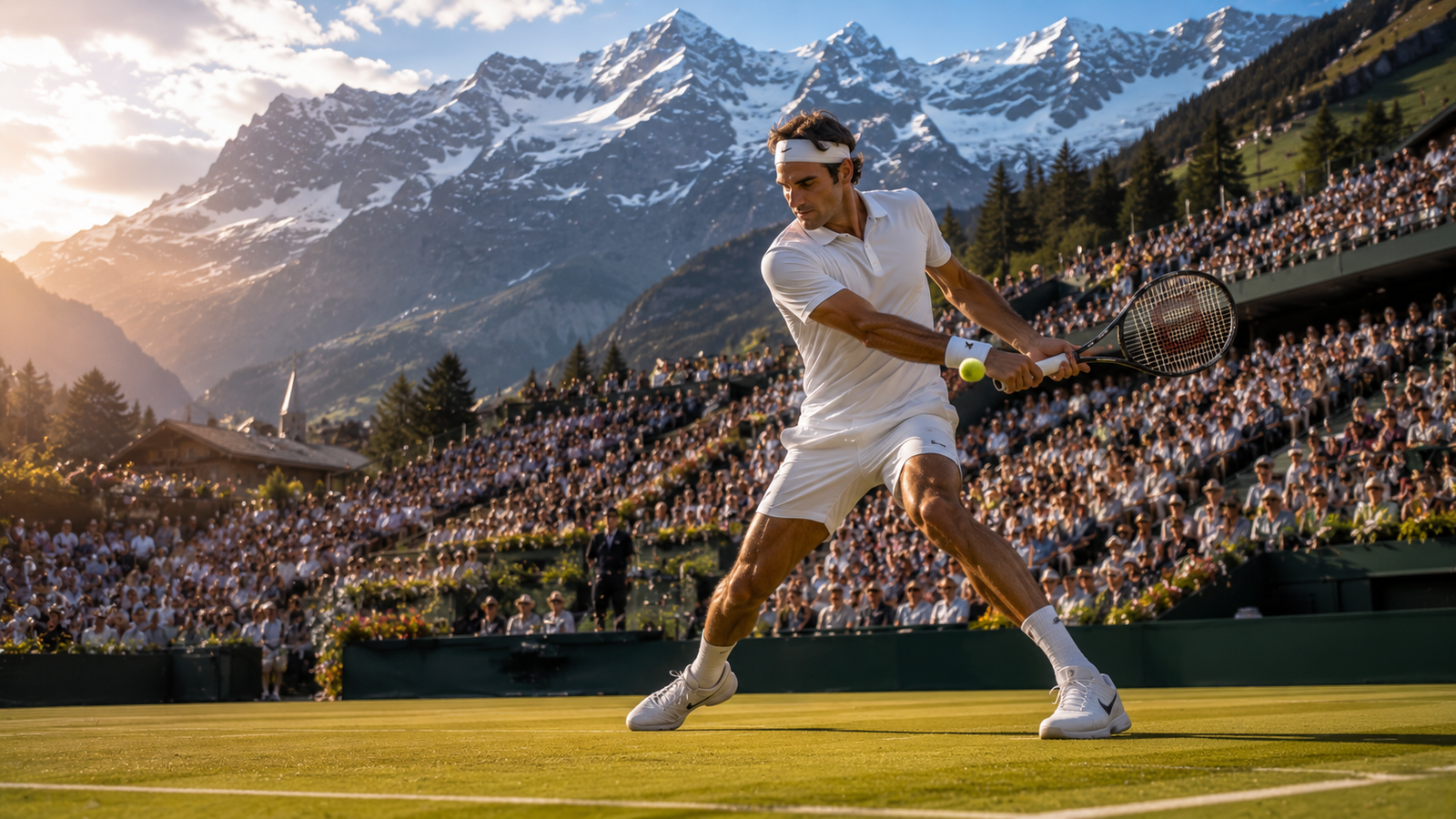
During his teenage years, Federer trained at Switzerland’s national tennis center, where he developed the technical skills that would later define his career. Even then, his fluid movement, precise shot-making, and powerful one-handed backhand stood out among his peers.
Early Signs of Something Special
By the late 1990s, Federer was emerging as one of the most promising young players in international tennis.
In 1998, he won the Wimbledon boys’ singles title, a major milestone that signaled his potential on the sport’s biggest stages. The victory brought attention from tennis experts worldwide and marked the beginning of his professional journey.
Despite his talent, success did not arrive overnight. Federer experienced difficult losses and periods of inconsistency during his early years on the ATP Tour. Learning to control emotions and handle pressure became just as important as improving his technical game.
These challenges ultimately helped shape the mature competitor he would later become.
The Moment Everything Changed
A defining breakthrough arrived in 2001 when Federer defeated seven-time Wimbledon champion Pete Sampras at Wimbledon.
The victory stunned the tennis world. Sampras was widely regarded as the dominant player of his era, and few expected the young Swiss player to end his remarkable winning streak.
Although Federer did not win the tournament that year, the match demonstrated that he possessed the talent and confidence needed to compete with the world’s best players.
Many tennis historians view that victory as the moment Federer truly announced himself to the global sporting community.
Conquering the Grand Slam Stage
The next major chapter began in 2003 when Federer captured his first Grand Slam title at Wimbledon.
That victory opened the floodgates. Over the following years, he dominated men’s tennis with a level of consistency rarely seen in the modern era. His blend of precision, athleticism, intelligence, and creativity allowed him to excel on grass, hard courts, and clay.
Between 2004 and 2007, Federer established one of the most impressive periods of dominance in tennis history. He frequently reached Grand Slam finals and consistently held the world number one ranking.
His graceful style earned admiration from fans beyond traditional tennis audiences. Even people who rarely followed the sport were drawn to his elegant movement and effortless shot-making.
By the end of his career, Federer had won 20 Grand Slam singles titles, including a record eight Wimbledon championships. He also spent 310 weeks ranked world number one, including a record streak of 237 consecutive weeks.
Rivalries That Defined an Era
Great champions are often measured by the rivals they face, and Federer competed during one of tennis’s most extraordinary periods.
His battles with Rafael Nadal became legendary. The contrast between Federer’s smooth attacking style and Nadal’s relentless intensity created unforgettable matches that captivated global audiences.
Later, Novak Djokovic emerged as another formidable rival. Together, Federer, Nadal, and Djokovic pushed each other to unprecedented levels of achievement and helped create what many consider the greatest era in men’s tennis history.
These rivalries elevated the sport and contributed significantly to Federer’s legacy. Success was never guaranteed, and every major title required overcoming some of the strongest competition the game had ever seen.
More Than a Wimbledon Legend
Although Federer is often associated with Wimbledon, his accomplishments extended far beyond the grass courts of England.
He completed a career Grand Slam by winning all four major tournaments, achieving the feat when he won the French Open in 2009.
He collected 103 ATP singles titles during his career, one of the highest totals in the history of men’s tennis.
Federer also represented Switzerland with distinction on the international stage. He won an Olympic gold medal in doubles alongside fellow Swiss player Stan Wawrinka at the 2008 Beijing Olympics and later earned an Olympic silver medal in singles at the 2012 London Games.
In 2014, he helped Switzerland capture its first Davis Cup title, fulfilling one of the most meaningful goals of his career.
The Character Behind the Champion
While statistics tell part of the story, Federer became beloved for reasons that extended beyond victories.
His conduct on and off the court earned widespread respect. Opponents praised his professionalism, fans admired his humility, and tournament organizers appreciated his role as an ambassador for the sport.
Federer’s ability to handle both success and disappointment with grace became one of his defining qualities. He demonstrated that fierce competitiveness and sportsmanship could coexist at the highest level.
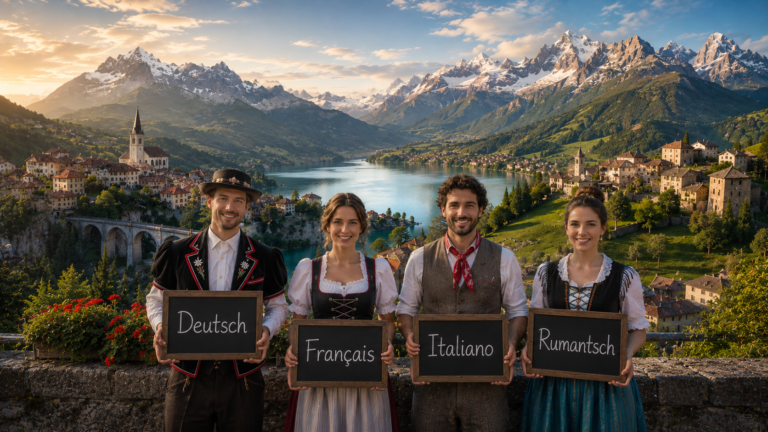
His multilingual background also reflected Switzerland’s international character. Comfortable speaking several languages, he connected naturally with audiences across Europe and around the world.
A Lasting Influence on Switzerland
For Switzerland, Federer became far more than a sports star.
He helped place Swiss excellence in front of global audiences and joined a distinguished group of national icons recognized worldwide. His achievements inspired countless young Swiss athletes to pursue their dreams, whether in tennis or other fields.
Visitors to Switzerland often encounter references to Federer in museums, exhibitions, sporting events, and public discussions. His name has become intertwined with modern Swiss identity, representing precision, quality, dedication, and international success.
Basel, his hometown, remains particularly proud of its connection to one of the country’s most celebrated figures.
The Legacy That Endures
When Roger Federer announced his retirement in 2022, tributes arrived from every corner of the sporting world. Players, coaches, journalists, and fans reflected on a career that had transformed tennis for more than two decades.
His records remain extraordinary, but numbers alone cannot fully explain his impact. Federer brought elegance to competition, inspired millions through his dedication, and elevated the global profile of Swiss sport.
His journey from the courts of Basel to the pinnacle of world tennis remains one of the most remarkable stories in modern athletics.
For Switzerland, Roger Federer represents more than greatness. He embodies the idea that talent, discipline, and character can combine to create a legacy that transcends sport itself.