The History of the Swiss Guard at the Vatican
A Swiss Tradition Far From Home
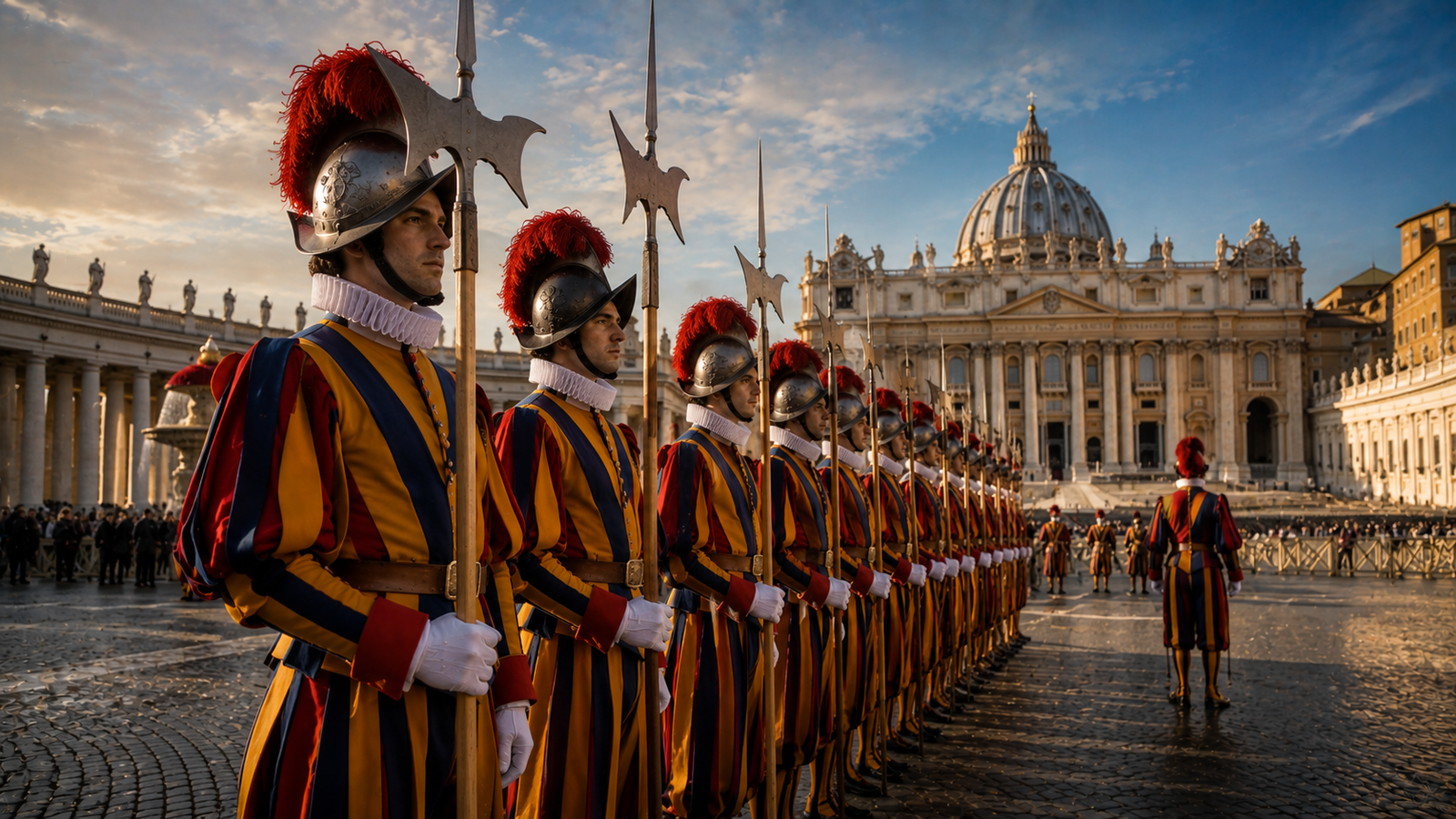
Visitors arriving at the Vatican often find themselves drawn to one of the most recognizable sights in the Catholic world: the colorful soldiers standing guard near the entrances of St. Peter’s Basilica and the Apostolic Palace. Their distinctive uniforms, ceremonial weapons, and unwavering discipline make them appear almost timeless.
Yet behind the striking appearance of the Swiss Guard lies a remarkable story that stretches back more than five centuries. It is a story of military reputation, political change, loyalty, sacrifice, and an enduring connection between Switzerland and the heart of the Roman Catholic Church.
The Swiss Guard is not simply a ceremonial attraction. It remains one of the oldest active military units in the world and continues to serve as the personal protective force of the Pope.
When Swiss Soldiers Were Europe’s Finest
To understand how the Swiss Guard came into existence, it is necessary to return to late medieval Europe.
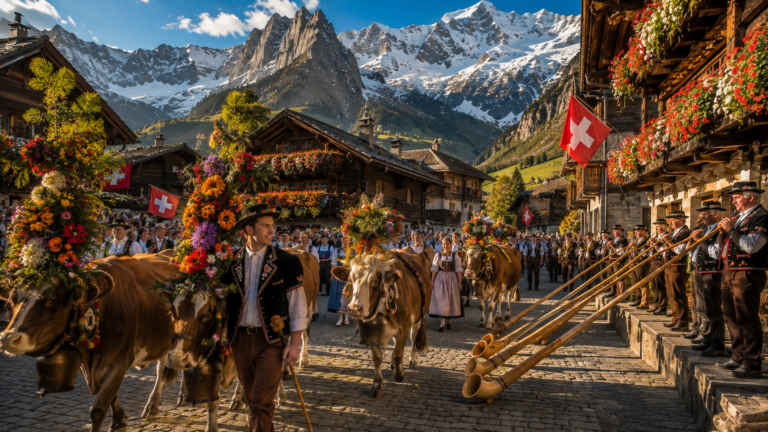
During the fifteenth century, Swiss soldiers developed an extraordinary reputation on battlefields across the continent. The Swiss Confederation was still a loose alliance of cantons, but its warriors earned admiration for their discipline, courage, and effectiveness in combat.
European rulers frequently sought Swiss mercenaries for their armies. Kings, princes, and popes viewed Swiss troops as dependable professionals who could be trusted during times of conflict.
At a time when political alliances shifted constantly and armies were often unreliable, Swiss soldiers became known for honoring their contracts and maintaining loyalty to those they served.
This reputation eventually reached Rome.
The Pope’s Request
In the early sixteenth century, Pope Julius II faced a turbulent political landscape. Italy was divided among competing states, foreign powers, and ambitious rulers. Protecting the papacy required a dependable military force.
Recognizing the value of Swiss troops, Julius II requested soldiers from the Swiss cantons.
His appeal was successful.
On January 22, 1506, a group of approximately 150 Swiss soldiers entered Rome under the command of Captain Kaspar von Silenen of Lucerne. Their arrival is traditionally regarded as the founding date of the Pontifical Swiss Guard.
The event marked the beginning of a relationship that has endured for more than five hundred years.
What began as a military recruitment effort would eventually become one of the Vatican’s most enduring institutions.
A Defining Moment of Sacrifice
The history of the Swiss Guard cannot be told without recounting the dramatic events of 1527.
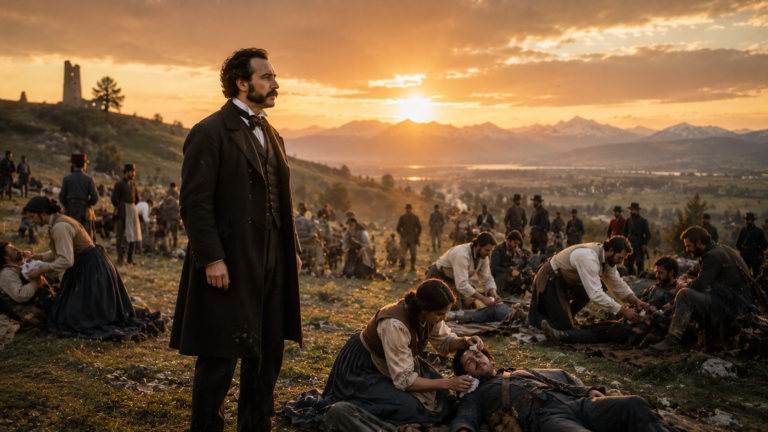
During the conflict known as the War of the League of Cognac, troops loyal to Holy Roman Emperor Charles V advanced toward Rome. On May 6, 1527, imperial forces launched the devastating attack remembered as the Sack of Rome.
Thousands of soldiers entered the city, unleashing chaos and destruction.
As the Vatican came under threat, the Swiss Guard stood between the attackers and Pope Clement VII.
The odds were overwhelming.
Of the 189 guards serving at the time, 147 were killed while defending the Pope and delaying the invading forces. Their sacrifice allowed Clement VII to escape through the secret elevated passage known as the Passetto di Borgo, which connected the Vatican to Castel Sant’Angelo.
The courage displayed during those desperate hours became the defining moment in Swiss Guard history.
Even today, new recruits swear their oath annually on May 6 in remembrance of those who lost their lives during the defense of the Pope.
More Than Colorful Uniforms
Many visitors assume the Swiss Guard exists primarily for ceremony. The reality is very different.
Although ceremonial duties remain highly visible, modern guards undergo extensive security training. Their responsibilities include protecting the Pope, guarding entrances to Vatican City, controlling access to sensitive areas, and assisting with major religious events attended by thousands of pilgrims.
The guards are trained in modern security procedures and work alongside other Vatican security services.
Their traditional appearance often hides the fact that they are part of a highly professional protective force.
The combination of centuries-old traditions and modern security responsibilities makes the Swiss Guard unique among military organizations.
The Uniform That Captivates Visitors
Few military uniforms are as recognizable as that of the Swiss Guard.
The striking blue, red, and yellow design has become one of the visual symbols of Vatican City. Contrary to a popular myth, the uniform was not designed by Michelangelo.
The modern version was developed in the early twentieth century by Commandant Jules Repond, who drew inspiration from Renaissance artwork and historical designs associated with earlier Swiss Guards.
The result reflects the artistic traditions of the Renaissance while maintaining a practical connection to the organization’s history.
For visitors, the uniform creates an immediate link to a different era. For the guards themselves, it represents continuity with generations of predecessors who served before them.
Who Can Become a Swiss Guard?
The requirements for joining the Swiss Guard are highly specific.
Applicants must be Swiss citizens, practicing Roman Catholics, and have completed Swiss military training. They must also meet physical and educational standards established by the Vatican.
The emphasis on Swiss nationality reflects the organization’s origins and preserves its historical identity.
Most recruits are young men who view their service not only as a military commitment but also as an opportunity to participate in a unique tradition.
For many, serving in the Swiss Guard is considered both an honor and a responsibility.
Switzerland’s Legacy in the Vatican
The continued existence of the Swiss Guard reflects an unusual chapter in Swiss history.
Modern Switzerland is internationally associated with neutrality, diplomacy, and peace. Yet centuries earlier, Swiss soldiers served in foreign armies across Europe.
The Swiss Guard represents one of the few surviving links to that period.
As Switzerland gradually ended the practice of foreign military service during the nineteenth century, the Vatican guard remained an exception because of its unique historical relationship with the Holy See.
This connection allows a small part of Switzerland’s military heritage to remain visible on the world stage.
Walking Through History in Vatican City
For travelers visiting Rome, seeing the Swiss Guard is often among the highlights of a Vatican visit.
Standing at the gates of Vatican City, the guards provide a living connection to events that shaped European history. Behind every ceremonial post lies a story of political upheaval, military reputation, religious devotion, and extraordinary sacrifice.
Their presence reminds visitors that history is not confined to museums or archives. In the Vatican, it still stands watch every day.
More than five centuries after the first Swiss soldiers entered Rome, the Swiss Guard continues to embody the qualities that originally earned Swiss troops their reputation across Europe: loyalty, discipline, professionalism, and service.
In a rapidly changing world, that remarkable continuity remains one of the most fascinating links between Switzerland and the Vatican.