The Story of Swiss National Day: How August 1 Became Switzerland’s Most Important Celebration
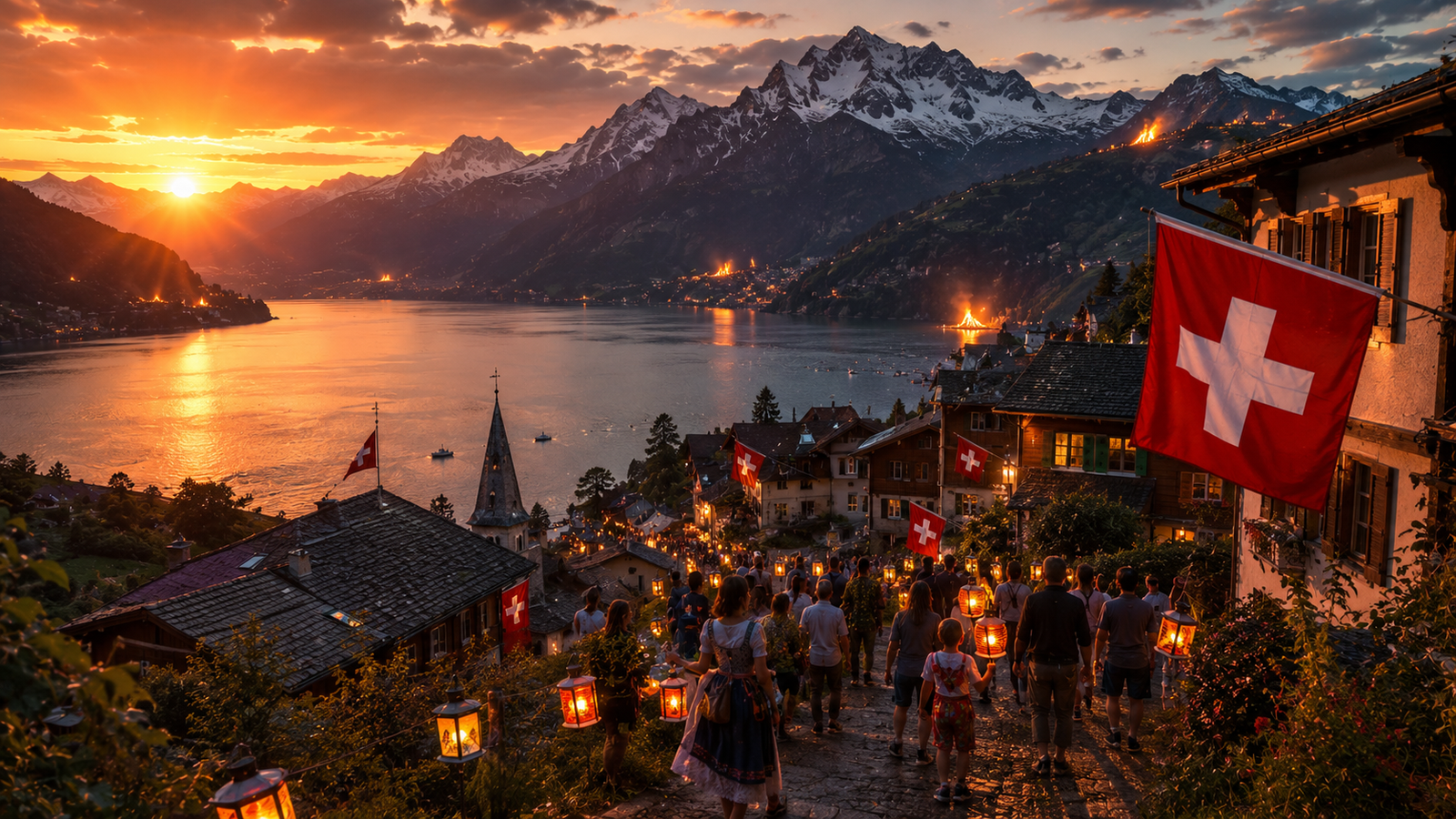
Every year on August 1, Switzerland transforms into a sea of red and white. Flags decorate balconies, village squares fill with families, fireworks illuminate the night sky, and bonfires glow on mountain slopes from the Jura to the Alps.
For visitors, Swiss National Day is one of the country’s most memorable cultural experiences. For Swiss citizens, it is far more than a public holiday. It is a day that reflects centuries of history, regional traditions, and a shared sense of identity that unites a nation known for its diversity.
Unlike many national celebrations that commemorate military victories or political revolutions, Swiss National Day traces its origins to a medieval alliance that laid the foundation for one of the world’s oldest continuous democratic traditions.
A Pact Made in the Mountains
The story begins in the late thirteenth century.
At the heart of the celebration is the Federal Charter of 1291, a historic agreement associated with the rural communities of Uri, Schwyz, and Unterwalden in central Switzerland. These communities sought mutual support and cooperation during a period of political uncertainty following the death of Holy Roman Emperor Rudolf I.
The agreement was not a declaration of independence in the modern sense. Instead, it was a practical alliance intended to protect local rights, maintain peace, and provide collective security.
Over time, the charter came to symbolize the beginning of the Swiss Confederation. Although historians continue to debate certain aspects of the Confederation’s early development, the document remains one of the most important symbols of Swiss nationhood.
Today, the original charter is preserved in the canton of Schwyz and is regarded as one of Switzerland’s most treasured historical documents.
The Meadow That Became a National Symbol
No place is more closely associated with the origins of Swiss National Day than the legendary Rütli Meadow.
Situated above Lake Lucerne, this peaceful meadow occupies a special place in Swiss historical memory. According to national tradition, representatives from the founding communities met there to pledge mutual support and cooperation.
While historians distinguish between documented historical events and later patriotic traditions, the Rütli remains a powerful symbol of Swiss unity and self-government.
Each year, official ceremonies and speeches are held there, linking modern Switzerland with the ideals associated with its early Confederation.
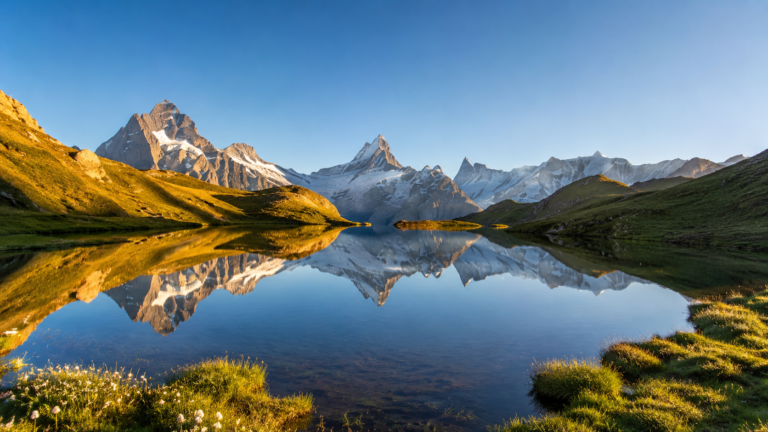
The dramatic setting—overlooking the lake and surrounded by mountains—adds to its significance, making it one of the country’s most symbolic landscapes.
Why August 1 Became the National Holiday
Although the Federal Charter dates to 1291, Swiss National Day itself is relatively modern.
The first nationwide celebration took place in 1891, marking the six-hundredth anniversary of the charter. The event proved so successful that August 1 gradually became an annual celebration.
For much of the twentieth century, however, the day was not a federally recognized public holiday across the entire country. That changed in 1994, when Swiss voters approved making August 1 an official national holiday.
The decision reflected the widespread importance of the date and its role in bringing together Switzerland’s diverse linguistic and cultural regions.
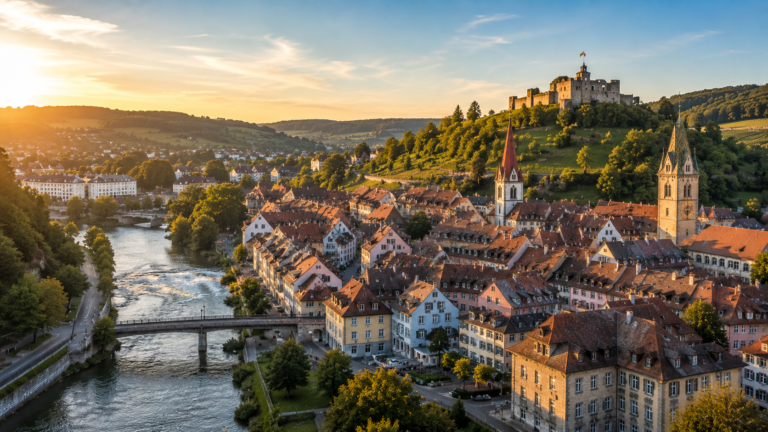
Today, Swiss National Day is celebrated from major cities to remote Alpine villages, creating a shared national experience that transcends regional differences.
A Nation of Many Cultures, One Celebration
One of the most remarkable aspects of Swiss National Day is how it unites a country with four national languages and distinct cultural traditions.
German-speaking, French-speaking, Italian-speaking, and Romansh-speaking regions each celebrate in their own way while participating in the same national event.
This balance between local identity and national unity has long been one of Switzerland’s defining characteristics.
Unlike many countries where national identity developed through centralized rule, Switzerland evolved through cooperation among autonomous regions. The annual celebration reflects that history.
The holiday is not simply about patriotism. It is also about community, local traditions, and the values of participation and consensus that remain central to Swiss public life.
Lanterns, Bonfires, and Fireworks
As evening approaches on August 1, Switzerland comes alive with traditions that have become closely associated with the holiday.
Children often carry colorful paper lanterns through village streets. Historic town centers host concerts, markets, and public gatherings. Fireworks displays illuminate lakes, rivers, and mountain valleys.
Perhaps the most distinctive tradition is the lighting of bonfires on hillsides and mountain peaks.
These fires symbolize unity and are visible across vast stretches of the Swiss landscape. In many regions, they create a spectacular nighttime panorama as points of light appear across ridges and valleys.
The combination of natural scenery and cultural celebration gives Swiss National Day a unique atmosphere that differs from many other national holidays around the world.
The Sounds and Flavors of the Celebration
Swiss National Day is also a celebration of local culture.
Traditional alphorn performances, yodeling concerts, folk music, and regional dances often feature prominently in community events. Visitors may encounter customs that vary from canton to canton, reflecting Switzerland’s rich cultural diversity.
Food plays an equally important role.
Families gather for outdoor meals, barbecues, and community festivals. Local specialties often take center stage, including Swiss cheeses, sausages, breads, pastries, and regional dishes passed down through generations.
These culinary traditions help transform the holiday into a celebration of everyday Swiss life rather than merely a historical commemoration.
How Visitors Experience Swiss National Day
For travelers, August 1 offers an exceptional opportunity to experience Swiss culture at its most vibrant.
Major cities such as Zurich, Geneva, Bern, and Lucerne host public celebrations, concerts, and fireworks displays.
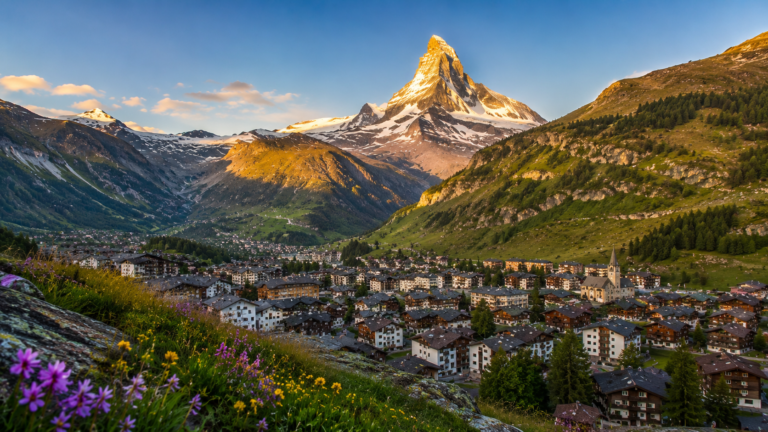
At the same time, many visitors find the most memorable experiences in smaller towns and Alpine villages, where local traditions often feel more personal and authentic.
The combination of spectacular scenery and festive atmosphere creates a uniquely Swiss celebration that appeals to both residents and international visitors.
More Than a Birthday Celebration
Swiss National Day is often described as the country’s birthday, but its significance extends beyond a single anniversary.
The holiday represents ideals that have shaped Switzerland for centuries: cooperation among diverse communities, local self-government, political participation, and a commitment to peaceful coexistence.
These principles helped transform a small alliance of Alpine communities into a modern federal state known for stability, democracy, and international cooperation.
Every lantern carried through a village street, every bonfire lit on a mountain ridge, and every flag displayed from a balcony serves as a reminder of that long historical journey.
A Tradition That Connects Past and Present
Swiss National Day continues to evolve, yet its core purpose remains remarkably consistent. It connects modern Switzerland with its historical roots while celebrating the values that continue to define the nation.
For visitors watching fireworks reflect across Lake Lucerne or listening to an alphorn echo through an Alpine valley, the holiday offers a glimpse into the character of Switzerland itself.
It is a celebration not only of a historical charter signed centuries ago but also of a living tradition that continues to unite one of Europe’s most distinctive and admired countries.