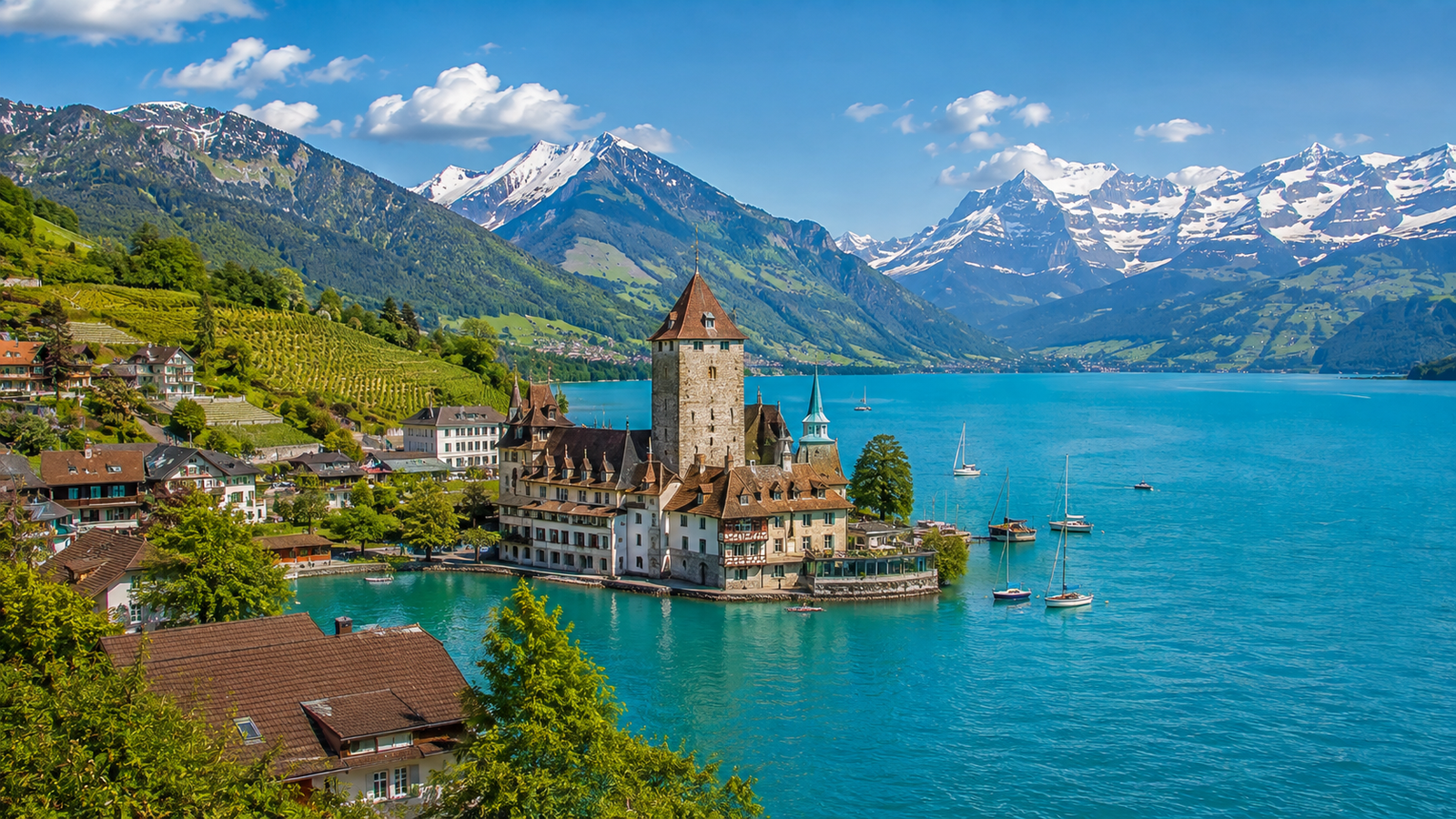
Lake Thun, Thun, Switzerland
Lake Thun: Switzerland’s Turquoise Gateway to the Bernese Alps
Some Swiss destinations impress visitors with towering mountains. Others captivate through historic towns or pristine lakes. Lake Thun stands apart because it brings all three together in a single landscape.
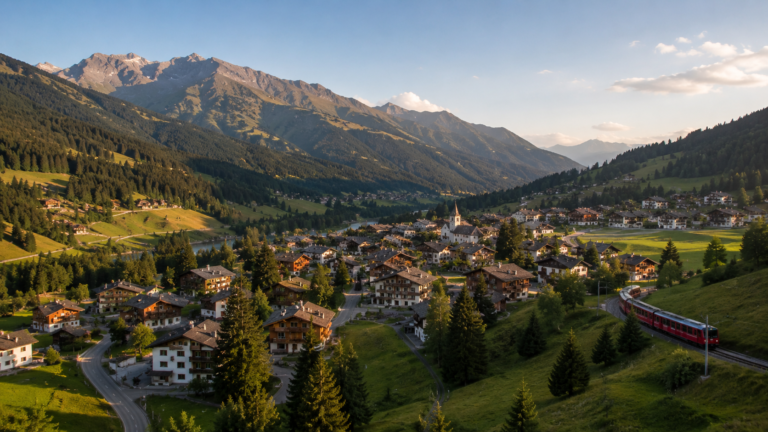
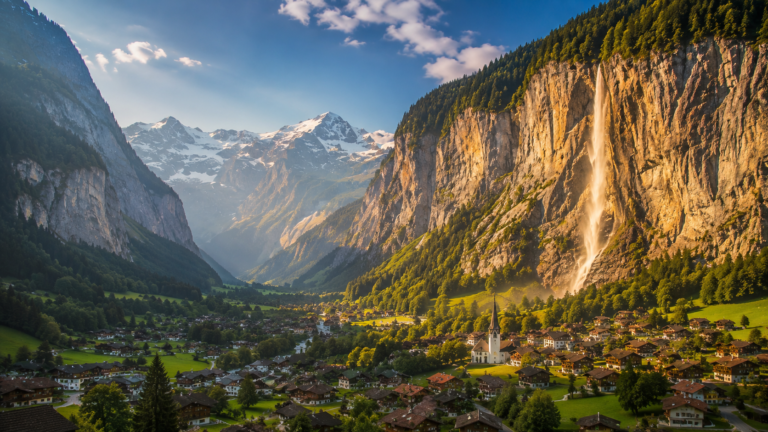
Located on the western edge of the Bernese Oberland, Lake Thun forms one half of the famous lake pair that frames Interlaken. Yet unlike many travelers who pass through the region on their way to the Jungfrau area, those who take time to explore Lake Thun discover a destination rich in history, culture, and natural beauty. Turquoise waters stretch beneath medieval castles, vineyard-covered slopes descend toward lakeside villages, and the snow-covered summits of the Bernese Alps dominate the southern skyline.
This remarkable combination has made Lake Thun one of Switzerland’s most visually diverse and rewarding travel destinations.
The Lake Beneath the Alps
Lake Thun, known locally as Thunersee, occupies a dramatic position between the Swiss Plateau and the high Alps.
The lake was shaped by glaciers during the Ice Age, which carved deep valleys through the region before retreating thousands of years ago. The resulting basin filled with water and became one of Switzerland’s most striking Alpine lakes.
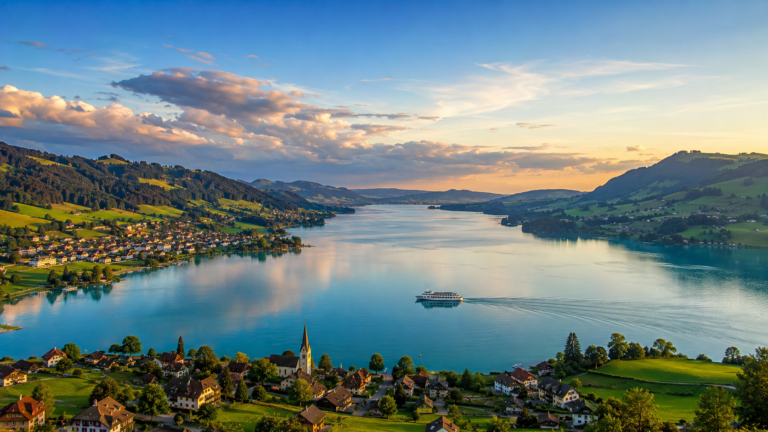
What immediately distinguishes Lake Thun is its color. Fed by mountain rivers originating in the Bernese Alps, the lake often displays brilliant shades of turquoise and blue. The water’s appearance changes with light conditions and seasonal runoff, creating constantly shifting scenery that attracts photographers throughout the year.
The Aare River enters the lake near Interlaken and exits through the city of Thun, continuing north toward Bern and beyond. This connection has helped make the lake an important transportation and settlement corridor for centuries.
A Region of Castles and Noble History
Few Swiss lakes can match Lake Thun when it comes to historic architecture.
Along its shores stand several prominent castles, each contributing to the region’s distinctive identity. Their towers and stone walls overlook the water from elevated positions, creating scenes that appear almost designed for storybooks.
Among the most recognizable is Oberhofen Castle, situated directly beside the lake. Its lakeside tower has become one of the most photographed landmarks in Switzerland. The castle’s gardens and historic structures offer insight into centuries of regional history while providing exceptional views across the water.
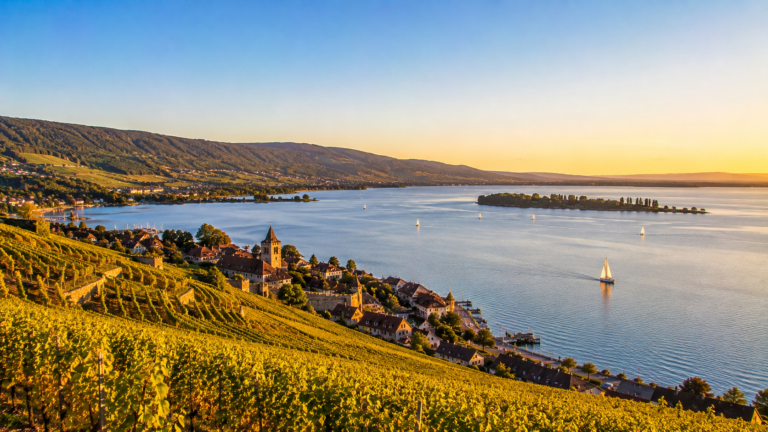
Further along the shoreline, Spiez Castle occupies a scenic peninsula extending into the lake. Surrounded by vineyards and historic buildings, the site reflects the long relationship between settlement, agriculture, and transportation in the region.
The city of Thun itself is crowned by Thun Castle, which rises above the old town and serves as a reminder of the area’s medieval significance. Together, these landmarks create a cultural landscape where history remains visible in nearly every direction.
Why the Lake Feels Different From Other Swiss Lakes
Many Swiss lakes are defined primarily by mountains. Lake Thun offers something broader.
The surrounding scenery combines Alpine peaks, rolling hills, forests, vineyards, villages, and historic architecture within a relatively compact area. This diversity allows visitors to experience multiple dimensions of Switzerland without traveling long distances.
To the south, the Bernese Alps create a dramatic backdrop. Peaks such as the Niesen, often called the “Swiss Pyramid” because of its distinctive triangular shape, rise prominently above the landscape.
Closer to the shoreline, gentler terrain supports agriculture, vineyards, and residential communities. The transition from lakeside villages to towering mountains occurs gradually, giving the region a unique visual balance that distinguishes it from more rugged Alpine destinations.
Experiencing Lake Thun by Boat
The most complete introduction to Lake Thun often comes from the water itself.
Passenger boats have operated on the lake for generations, connecting communities and allowing travelers to experience the landscape from a different perspective. Modern vessels and historic paddle steamers continue this tradition today.
Cruising across the lake reveals details often missed from land. Castles appear perched above hidden coves. Vineyard-covered slopes descend toward quiet harbors. Mountain reflections shimmer across the water while villages emerge between forested hillsides.
The route between Thun and Interlaken is particularly popular because it showcases the lake’s remarkable variety. Throughout the journey, visitors encounter changing scenery that reflects both the natural and cultural heritage of the Bernese Oberland.
For many travelers, a boat journey becomes one of the most memorable parts of a visit to the region.
Villages That Preserve Local Character
While the larger towns attract significant attention, some of Lake Thun’s greatest charms are found in its smaller communities.
Spiez combines lakeside beauty with vineyards, historic architecture, and panoramic Alpine views. Its harbor area offers one of the most picturesque settings on the lake.
Oberhofen maintains a quieter atmosphere centered around its famous castle and waterfront promenade. The village’s setting demonstrates how closely local communities have remained connected to the lake throughout history.
Other settlements along the shoreline reveal traditional Bernese architecture, small harbors, and scenic walking paths that encourage slower exploration. Together, these villages provide opportunities to experience regional culture beyond the major tourist centers.
A Four-Season Destination
Lake Thun remains attractive throughout the year because each season emphasizes different aspects of the landscape.
Spring brings blooming gardens, green hillsides, and increasing activity along the waterfront. Summer offers ideal conditions for cruises, swimming, kayaking, sailing, and hiking.
Autumn transforms surrounding forests and vineyards into vibrant displays of color while often providing exceptionally clear mountain views. The quieter atmosphere also appeals to travelers seeking a more relaxed experience.
Winter introduces a completely different mood. Snow-covered Alpine peaks dominate the horizon while lakeside towns glow with seasonal charm. Although outdoor activities change with the weather, the combination of mountains and water remains visually compelling even during colder months.
Outdoor Experiences Beyond the Shore
The lake serves as a gateway to a wide range of outdoor adventures.
Numerous hiking routes begin near the shoreline and extend into surrounding hills and mountains. Scenic viewpoints provide sweeping perspectives of the lake and the Bernese Alps, rewarding visitors with some of the region’s most impressive panoramas.
Cycling routes connect lakeside communities, allowing travelers to explore the area at a slower pace. Water-based activities, including paddleboarding, kayaking, and sailing, become especially popular during the warmer months.
Because the lake sits near major mountain destinations, visitors can easily combine lakeside experiences with excursions to higher elevations within the Bernese Oberland.
Planning Your Visit
Lake Thun benefits from excellent transportation connections. Rail services link the cities of Thun and Interlaken with major destinations throughout Switzerland, while lake navigation services provide convenient access to communities along the shoreline.
For first-time visitors, combining a lake cruise with visits to Oberhofen Castle, Spiez, and selected viewpoints above the lake offers a well-rounded introduction to the region. Travelers with additional time can explore hiking routes, vineyards, and nearby mountain excursions that further reveal the area’s diversity.
Lake Thun occupies a special position within Switzerland’s tourism landscape. It captures many of the qualities travelers seek—Alpine scenery, historic architecture, outdoor recreation, and authentic local culture—while presenting them within a setting that feels both grand and welcoming. Whether viewed from a castle tower, a lakeside promenade, a mountain trail, or the deck of a historic steamer, Lake Thun reveals why the Bernese Oberland remains one of Europe’s most celebrated landscapes.