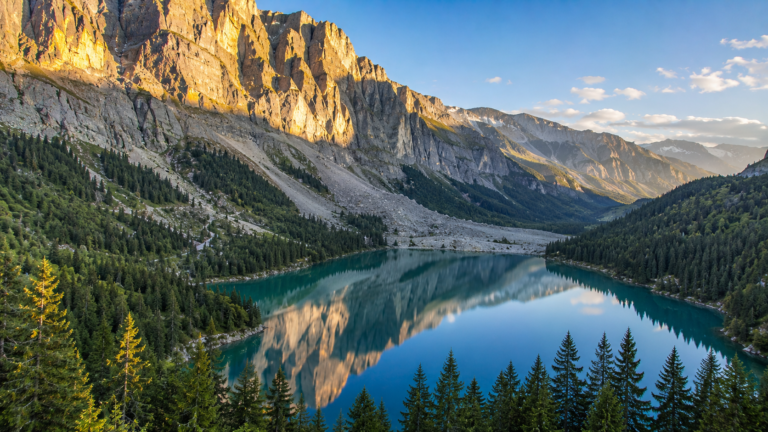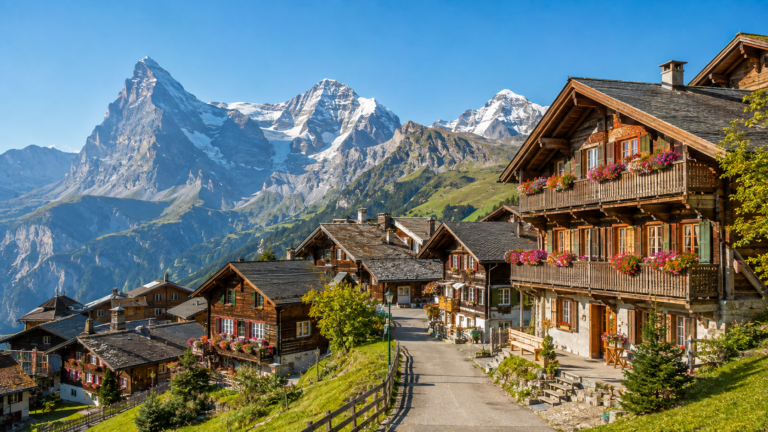

Gimmelwald Village, Lauterbrunnen, Switzerland
Gimmelwald Village: Switzerland’s Timeless Mountain Hamlet Above the Lauterbrunnen Valley
There are places in Switzerland that impress visitors with famous peaks, luxury resorts, and world-renowned attractions. Then there is Gimmelwald—a tiny mountain village that captivates travelers for an entirely different reason.
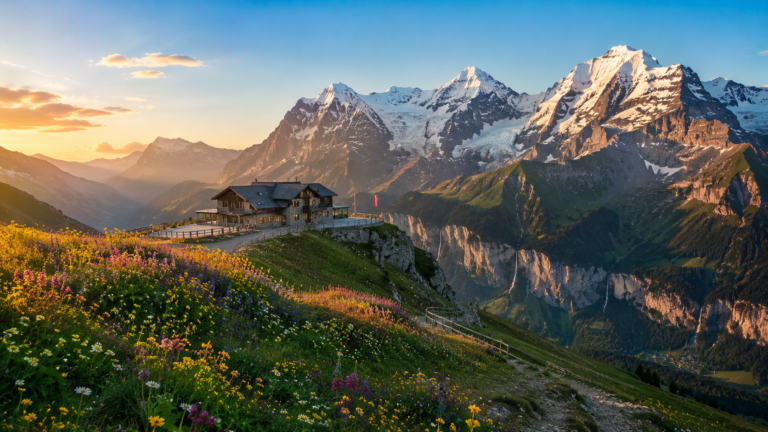
Perched on a sunny terrace high above the Lauterbrunnen Valley in the Bernese Oberland, Gimmelwald offers a glimpse into a way of life that has endured in the Alps for generations. There are no busy shopping streets, large hotels, or crowded urban centers. Instead, visitors find wooden chalets weathered by mountain winters, grazing livestock, flower-filled meadows, and some of the most spectacular scenery in Switzerland.
For travelers seeking authenticity rather than spectacle, Gimmelwald represents one of the country’s most remarkable destinations. It is a place where Alpine traditions remain part of everyday life and where the surrounding mountains shape nearly every aspect of the landscape and culture.
Suspended Between Valley and Summit
One of the first things visitors notice about Gimmelwald is its extraordinary setting.
The village sits on a steep mountainside within the Jungfrau Region, overlooking the dramatic Lauterbrunnen Valley. Far below, the valley floor stretches between towering cliffs, while above rise the rugged mountain landscapes that define the Bernese Alps.
Unlike many Swiss villages connected by roads, Gimmelwald is largely free from regular automobile traffic. Most visitors arrive by cable car, creating an immediate sense of separation from the modern world.
This elevated location has helped preserve both the village’s physical character and its traditional atmosphere. The journey itself becomes part of the experience, gradually revealing breathtaking views of waterfalls, forests, mountain pastures, and distant peaks.
Few places in Switzerland offer such a dramatic combination of accessibility and isolation.
A Living Farming Community
While many picturesque Alpine villages have evolved primarily into tourism destinations, Gimmelwald remains a working agricultural community.
Traditional mountain farming continues to play an important role in local life. Throughout the warmer months, cattle graze on Alpine pastures surrounding the village, and visitors often encounter farmers carrying out seasonal work that has changed little over the generations.
The landscape reflects this agricultural heritage. Meadows are carefully maintained, barns stand alongside homes, and pathways connect farming areas throughout the mountainside.
Rather than existing as an open-air museum, Gimmelwald functions as a living village where traditional practices continue alongside modern life.
This authenticity is one of the reasons the village has earned admiration from travelers seeking a deeper understanding of Swiss Alpine culture.
Architecture Rooted in the Mountains
Gimmelwald’s buildings reveal how generations adapted to life in a challenging mountain environment.
Many structures feature traditional timber construction designed to withstand heavy snowfall, changing weather, and steep terrain. Wooden chalets, barns, and farm buildings blend naturally into the surrounding landscape, creating a villagescape that feels inseparable from the mountains themselves.
The architecture emphasizes practicality rather than grandeur. Yet the result is visually striking.
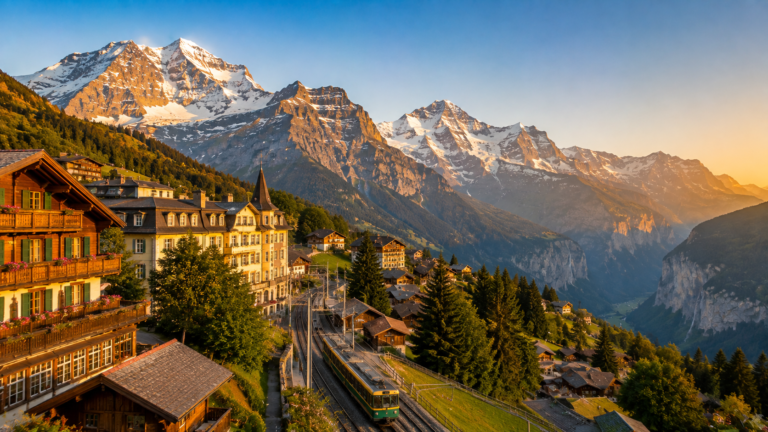
Weathered wood, flower-filled balconies, sloping roofs, and carefully maintained facades contribute to the village’s distinctive charm. Unlike purpose-built tourist resorts, Gimmelwald’s appearance evolved gradually through centuries of local needs and craftsmanship.
Walking through the village offers an opportunity to observe Alpine architecture in one of its most authentic forms.
The Heart of the Jungfrau Region
Although Gimmelwald feels remote, it occupies a strategic location within one of Switzerland’s most celebrated mountain destinations.
The village lies along routes connecting several well-known communities in the Jungfrau Region, including Mürren, Lauterbrunnen, Wengen, and Grindelwald. This makes it an attractive base for travelers who want access to major attractions while staying in a quieter setting.
The surrounding landscape includes some of the most famous mountain scenery in the country. Towering peaks, deep valleys, waterfalls, and high-altitude meadows characterize the region and provide endless opportunities for exploration.
Yet despite its proximity to popular destinations, Gimmelwald retains a peaceful atmosphere that feels increasingly rare in modern tourism.
Hiking Through Alpine Landscapes
For many visitors, hiking provides the best way to experience Gimmelwald and its surroundings.
A network of trails links the village with neighboring mountain communities, scenic viewpoints, and higher elevations within the Bernese Alps. These routes range from leisurely walks through meadows to more demanding mountain excursions.
One of the pleasures of hiking near Gimmelwald is the constant variety of scenery. Trails pass through forests, open pastures, rocky slopes, and panoramic viewpoints that reveal changing perspectives of the Lauterbrunnen Valley and surrounding peaks.
The journey between Gimmelwald and nearby Mürren is particularly popular, offering spectacular views while remaining accessible to many visitors.
Along the way, hikers encounter traditional farm buildings, grazing livestock, and landscapes that showcase the enduring relationship between people and mountains.
Seasonal Transformations
The village presents a different character with each season.
Spring brings wildflowers and renewed activity to the mountain pastures as snow gradually retreats from lower elevations. Waterfalls throughout the region become especially dramatic as meltwater flows through the valleys.
Summer is the prime season for hiking and outdoor exploration. Green meadows, clear mountain air, and extended daylight hours attract visitors from around the world.
Autumn introduces golden colors and a quieter atmosphere. The changing light enhances the surrounding mountain scenery, while cooler temperatures create excellent conditions for walking.
Winter transforms Gimmelwald into a snow-covered Alpine settlement. Although nearby areas provide access to winter sports opportunities, the village itself retains a tranquil and traditional atmosphere distinct from larger ski resorts.
Each season highlights different aspects of the landscape while preserving the village’s enduring character.
The Appeal of Simplicity
What sets Gimmelwald apart is not a single landmark or attraction.
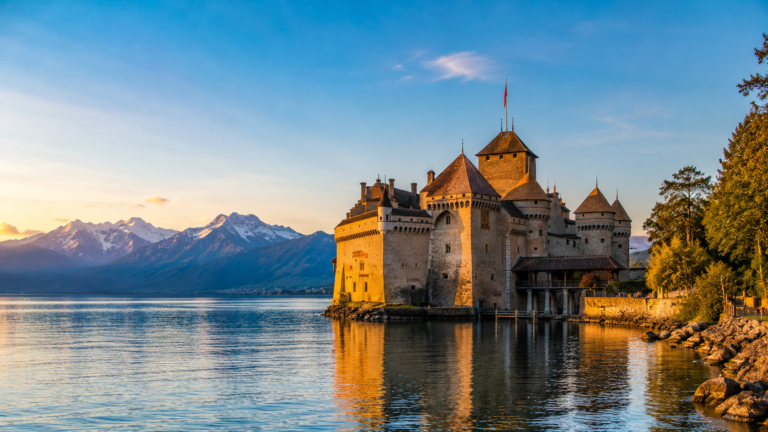
There is no famous monument dominating the skyline. No grand castle or major museum defines the destination. Instead, the village’s appeal comes from its overall atmosphere.
Visitors often describe a sense of calm that emerges almost immediately after arrival. The absence of urban noise, combined with mountain scenery and a slower pace of life, creates an experience that feels increasingly uncommon.
Simple activities become memorable here: watching clouds move across distant peaks, listening to cowbells in nearby pastures, or observing the changing colors of the mountains at sunset.
Gimmelwald encourages visitors to appreciate the landscape rather than rush through it.
Preserving an Alpine Identity
As tourism continues to reshape destinations around the world, Gimmelwald demonstrates how a community can welcome visitors while maintaining its cultural identity.
The village remains deeply connected to its agricultural roots and mountain traditions. Its modest scale, traditional architecture, and working farms help preserve an authenticity that many travelers seek but rarely find.
This balance between accessibility and preservation has become one of Gimmelwald’s greatest strengths.
Visitors leave with more than photographs of beautiful scenery. They gain insight into a form of Alpine life that has evolved over centuries and continues to endure in the shadow of some of Switzerland’s most famous mountains.
High above the Lauterbrunnen Valley, surrounded by meadows, cliffs, and distant summits, Gimmelwald offers something increasingly valuable in modern travel: the opportunity to experience a place that remains true to itself. The village may be small, but its ability to connect visitors with the enduring spirit of the Swiss Alps is extraordinary.