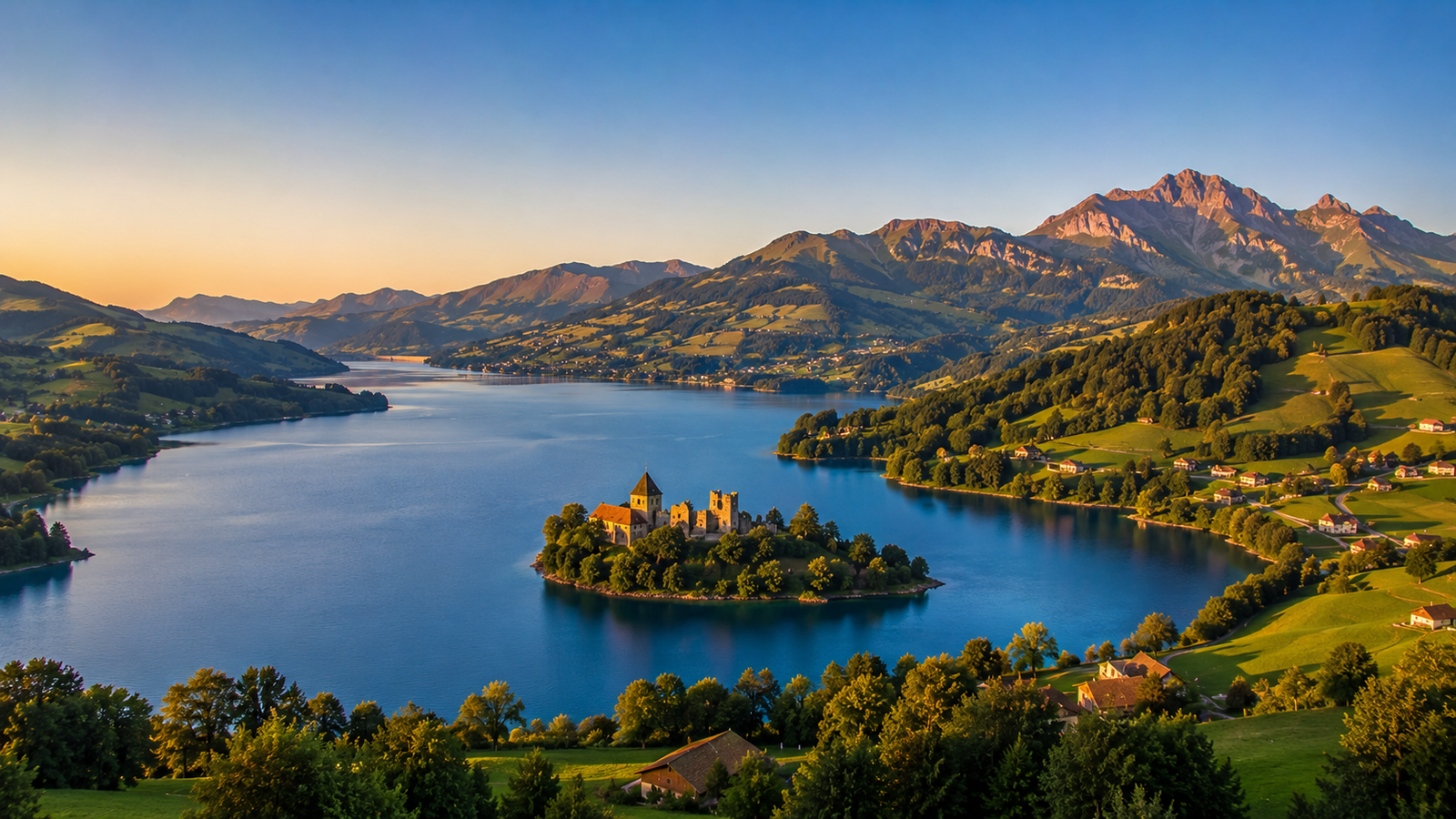
Lake Gruyère, Bulle, Switzerland
Lake Gruyère: Exploring Switzerland’s Largest Reservoir and Its Hidden Island Heritage
Not every Swiss lake was shaped by glaciers. Lake Gruyère, known locally as Lac de la Gruyère, tells a different story. Stretching through the heart of the Canton of Fribourg, this long ribbon of water is the result of modern engineering, yet it blends so naturally into the surrounding landscape that many visitors assume it has always been there.
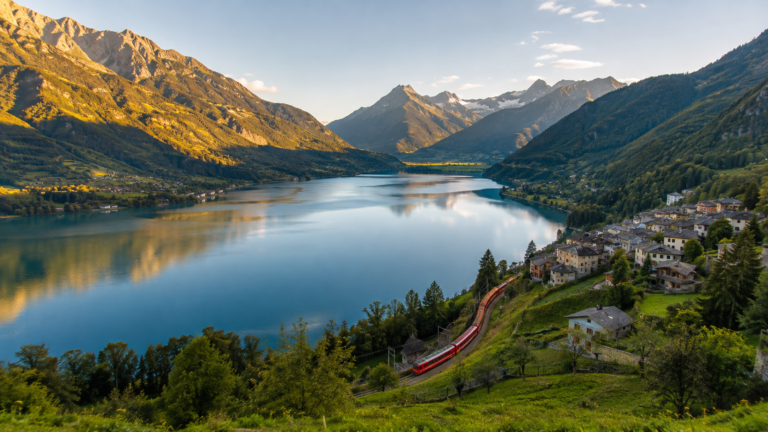
Framed by rolling hills, forests, traditional villages, and the distant peaks of the Fribourg Pre-Alps, Lake Gruyère has become one of western Switzerland’s most appealing outdoor destinations. Its calm waters, extensive shoreline trails, and unusual historical landmarks create a travel experience that combines nature, recreation, and local heritage in equal measure.
A Lake Created for a Changing Switzerland
Lake Gruyère was formed following the construction of the Rossens Dam on the Sarine River during the 1940s. The reservoir was filled in 1948, creating what is today the longest reservoir in Switzerland, extending approximately 13.5 kilometers through the Gruyère countryside.
The project was developed during a period when Switzerland needed additional electricity production. As the valley filled with water, the landscape changed dramatically, transforming a former river corridor into a vast lake that would eventually become one of the defining features of the region.
Today, visitors rarely think about its industrial origins. Instead, they encounter a peaceful landscape where wooded shores, meadows, and historic villages reflect in the water beneath the changing Alpine light.
The Island That Holds Centuries of History
Among Lake Gruyère’s most distinctive attractions is Ogoz Island, a small island near the center of the reservoir that preserves traces of a much older world.
Before the lake existed, Ogoz was part of the surrounding land. When the reservoir was created, the elevated ground became an island, preserving medieval structures that now appear to rise directly from the water. Visitors can explore the remains of castle towers and a historic chapel dedicated to Saint Theodul, creating one of the most unusual heritage sites in the canton.
During much of the year, the island can be reached by boat from the lakeshore. Seasonal water-level changes occasionally reveal connecting land routes, offering a fascinating reminder of the landscape that existed before the reservoir was formed.
The contrast between medieval stone ruins and the blue waters of a modern reservoir gives Ogoz Island a character unlike any other attraction in Switzerland.
Walking Along the Water’s Edge
For travelers who prefer to explore on foot, Lake Gruyère offers one of the region’s most rewarding hiking experiences.
The Sentier du Lac de la Gruyère follows much of the shoreline and surrounding countryside. The route extends for roughly 44 kilometers and can be completed in stages, making it accessible to both casual walkers and dedicated hikers.
Unlike many mountain hikes that focus on steep ascents, this trail emphasizes variety. Walkers pass through forests, quiet villages, agricultural landscapes, and lakeside viewpoints while continuously encountering changing perspectives across the water.
Interpretive stops along parts of the route introduce visitors to local history, wildlife, and cultural traditions. The trail also provides opportunities to observe the distinctive rural character of the Gruyère region, where traditional farms and Alpine customs remain an important part of everyday life.
Because the lake curves through multiple valleys and peninsulas, no two sections feel quite the same.
Water Sports in a Scenic Setting
The size and calm character of Lake Gruyère make it an attractive destination for outdoor recreation during the warmer months.
Paddleboarding, canoeing, kayaking, and sailing are popular activities on the reservoir. The wide expanse of water provides plenty of space for exploration while maintaining a tranquil atmosphere that differs from some of Switzerland’s busier tourist lakes.
Swimming areas can be found along several parts of the shoreline, where visitors enjoy views of forested slopes and distant mountain ridges. Families often gather at lakeside picnic spots, combining relaxation with opportunities to spend time on the water.
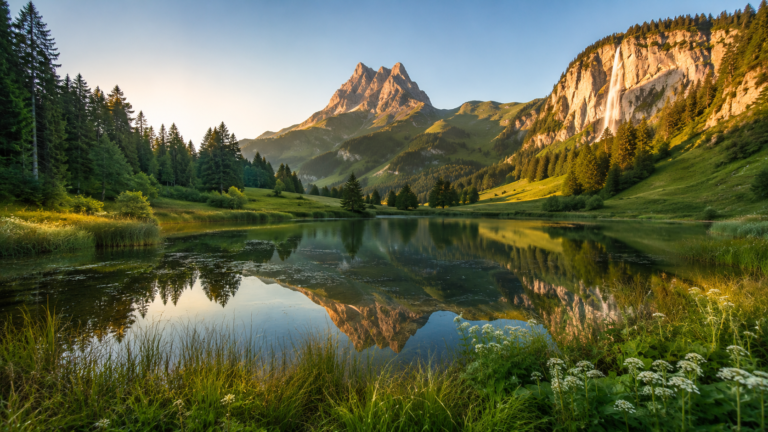
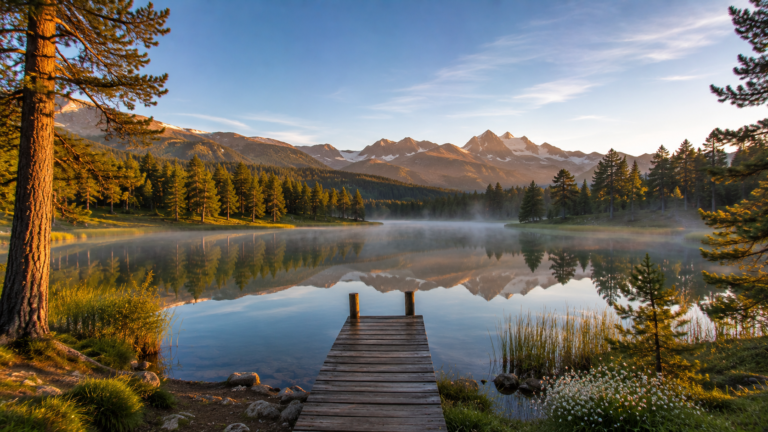
The changing reflections throughout the day are part of the appeal. Early mornings often bring mirror-like conditions, while evening light paints the surrounding hills in warm colors that photographers particularly appreciate.
The Landscape Beyond the Shore
Although the lake itself is the central attraction, the surrounding region greatly enhances the visitor experience.
To the south, the celebrated town of Gruyères attracts travelers with its hilltop setting, historic streets, and famous castle. Nearby Broc is home to Maison Cailler, one of Switzerland’s best-known chocolate destinations. The regional center of Bulle offers museums and cultural attractions that provide additional insight into local history and traditions.
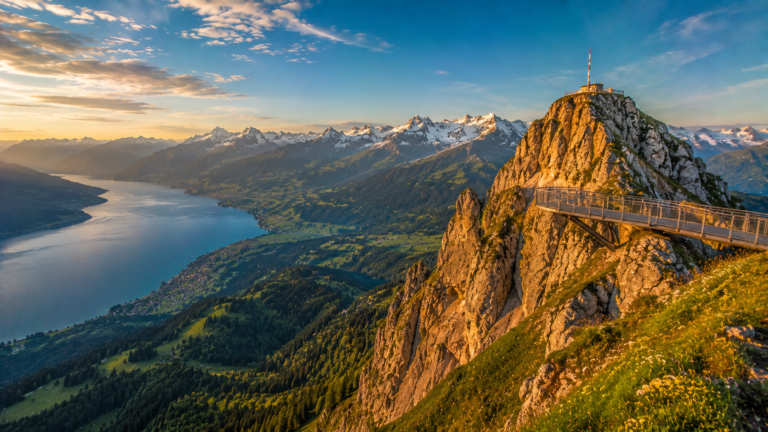
The slopes of La Berra and Le Gibloux rise above parts of the reservoir, creating elevated viewpoints that reveal the full scale of the landscape. From higher elevations, visitors can appreciate how the lake winds through the countryside while the Fribourg Pre-Alps form a dramatic backdrop.
This combination of water, heritage, and mountain scenery allows travelers to build an itinerary that extends well beyond a single lakeside visit.
Seasonal Character Throughout the Year
Lake Gruyère changes noticeably with the seasons.
Spring brings fresh greenery to the surrounding forests and meadows, while fluctuating water levels can reveal features normally hidden beneath the reservoir’s surface. Summer is the busiest period, attracting swimmers, paddlers, hikers, and families seeking outdoor recreation.
Autumn introduces vibrant colors across the wooded hillsides, often accompanied by clear visibility that enhances panoramic views. The quieter atmosphere during this period appeals to photographers and walkers looking to experience the region at a slower pace.
Winter transforms the scenery once again. While the lake remains visually impressive, nearby La Berra becomes a focal point for seasonal activities including skiing, snowshoeing, and sledding.
These seasonal shifts ensure that Lake Gruyère offers a different experience throughout the year rather than functioning solely as a summer destination.
Why Lake Gruyère Deserves More Attention
Switzerland is famous for its natural lakes, many of which attract international attention. Lake Gruyère often remains overshadowed by larger tourism icons, yet that relative quietness is part of its appeal.
Here, visitors discover a landscape where recreation and history coexist naturally. Medieval ruins stand on an island created by a twentieth-century engineering project. Hiking trails connect villages, forests, and viewpoints. Calm waters invite exploration without the crowds often associated with more famous destinations.
For travelers seeking a broader understanding of Switzerland beyond its most photographed locations, Lake Gruyère offers something memorable: a chance to experience how nature, culture, and human ingenuity have combined to shape one of the most distinctive landscapes in the Fribourg region.