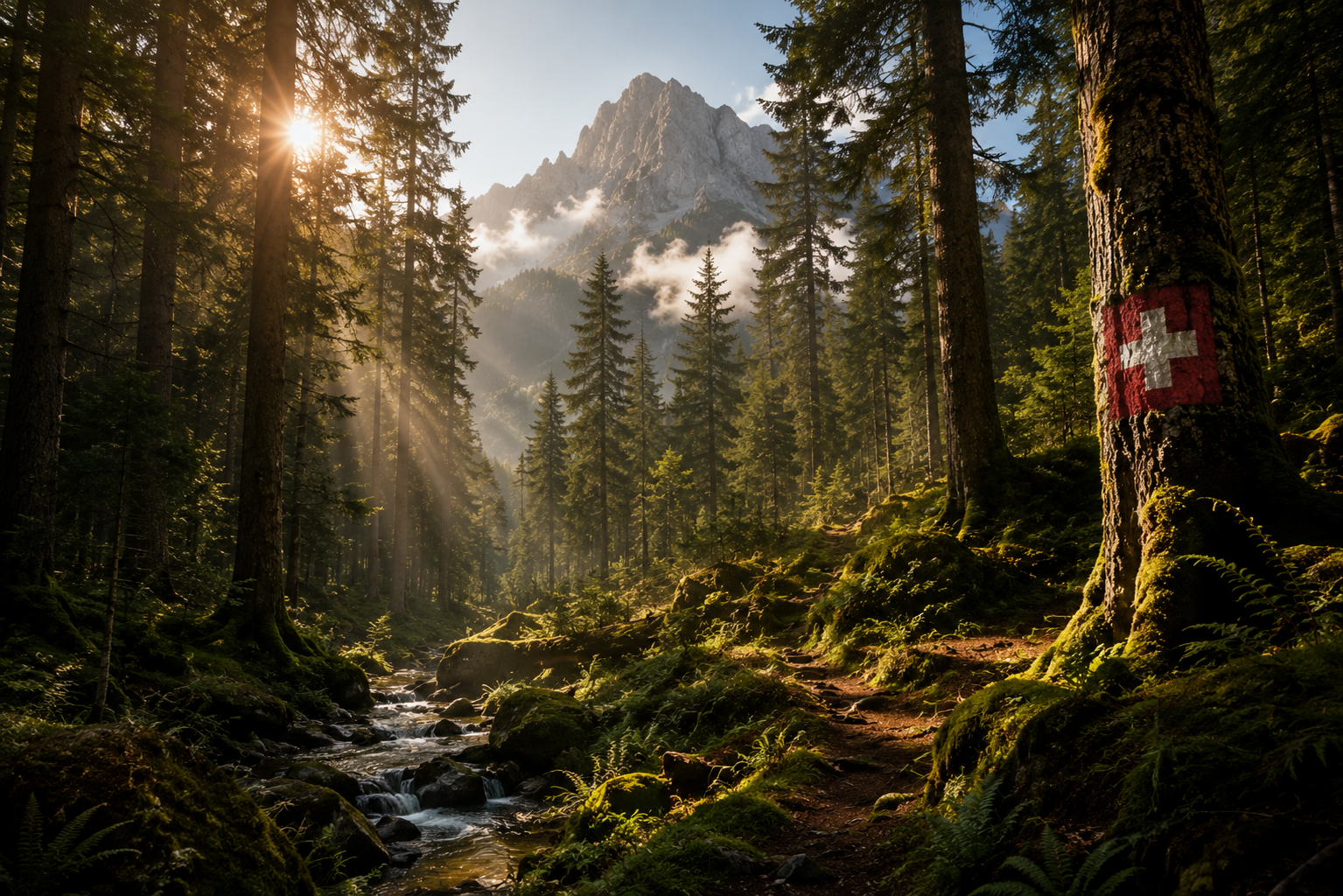
Switzerland’s Most Beautiful Forests: Exploring Ancient Woodlands, Alpine Wilderness, and Untouched Natural Landscapes
Switzerland is often celebrated for its dramatic peaks, turquoise lakes, and iconic mountain railways, but some of its most remarkable landscapes are found beneath a canopy of trees. Forests cover roughly a third of the country and form an essential part of the Swiss environment, protecting mountain slopes, supporting biodiversity, and creating some of Europe’s most captivating natural scenery.
From ancient stone pine forests overlooking glaciers to broad beech woodlands hidden in southern valleys, Switzerland’s forests reveal a quieter side of the country. They offer opportunities for hiking, wildlife observation, photography, and simply experiencing landscapes that have evolved over centuries.
Rather than focusing on a single destination, this guide explores several of Switzerland’s most beautiful forest landscapes—places where nature, geography, and conservation come together to create unforgettable experiences.
Where Forest and Glacier Meet
Aletsch Forest, Valais
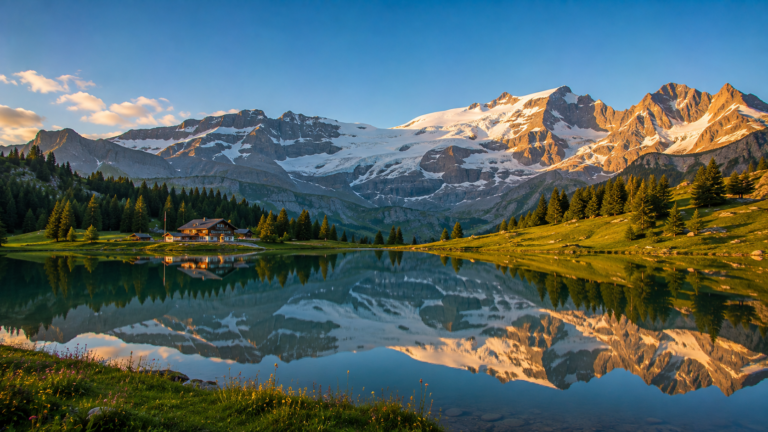
Few forests in Europe can rival the setting of the Aletsch Forest. Situated within the UNESCO-listed Swiss Alps Jungfrau-Aletsch region, the woodland occupies the slopes above the Great Aletsch Glacier, the largest glacier in the Alps.
The forest is particularly known for its ancient Swiss stone pines and larches. Some trees are believed to be among the oldest in the Alpine region, having survived centuries of harsh mountain conditions. Walking through the forest reveals an extraordinary contrast between weathered woodland and the immense river of ice below.
Marked hiking trails connect viewpoints, forests, and mountain landscapes, making the area one of Switzerland’s most distinctive destinations for nature enthusiasts.
What sets the Aletsch Forest apart is not simply its age but its setting. Very few places allow visitors to experience old-growth woodland while looking directly onto one of Europe’s most significant glacial landscapes.
A Wilderness Near Switzerland’s Largest City
Sihlwald, Canton of Zurich
Just outside Zurich lies one of Switzerland’s most fascinating conservation stories.
Sihlwald was once managed primarily for timber production. In recent decades, however, the forest has been allowed to develop naturally, creating one of the country’s most important wilderness areas.
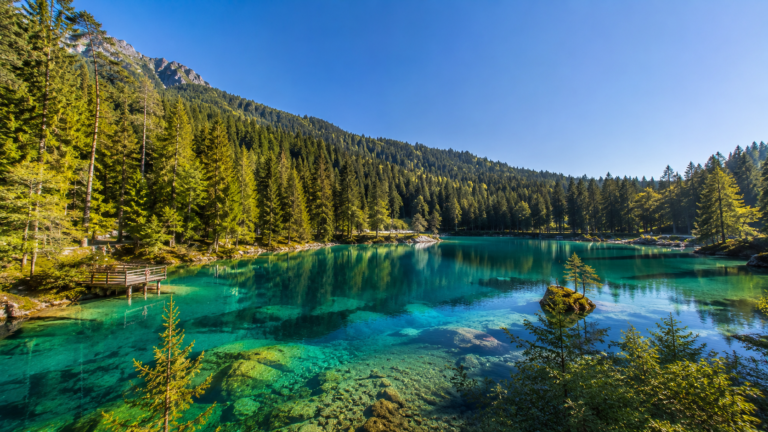
Today, visitors encounter towering trees, fallen trunks left to decompose naturally, and a forest ecosystem that is increasingly shaped by natural processes rather than human intervention.
Part of the Wildnispark Zürich, Sihlwald offers a rare opportunity to experience a large woodland environment within easy reach of a major urban center. Well-maintained trails allow visitors to explore the landscape while learning about biodiversity, forest ecology, and conservation.
For travelers interested in how European forests can recover and evolve when given space, Sihlwald provides a remarkable living example.
The Ancient Beech Forests of Ticino
Valle di Lodano
In Switzerland’s Italian-speaking canton of Ticino, Valle di Lodano presents a very different forest experience.
The valley is known for its extensive beech forests, which form part of a larger landscape recognized for its ecological importance. Unlike the dramatic alpine forests of higher elevations, these woodlands create a softer, more intimate environment characterized by shaded trails, moss-covered rocks, and seasonal color changes.
Spring and autumn are particularly rewarding times to visit. In spring, fresh green leaves transform the valley into a vibrant natural corridor. During autumn, the forest becomes a tapestry of gold, orange, and copper tones.
The relative tranquility of Valle di Lodano enhances its appeal. Even during the busy travel season, visitors can often enjoy long stretches of trail surrounded only by the sounds of wind, birds, and flowing water.
Europe’s Highest Stone Pine Forest
God da Tamangur, Graubünden
High above the Engadine Valley lies one of Switzerland’s most unusual woodland landscapes.
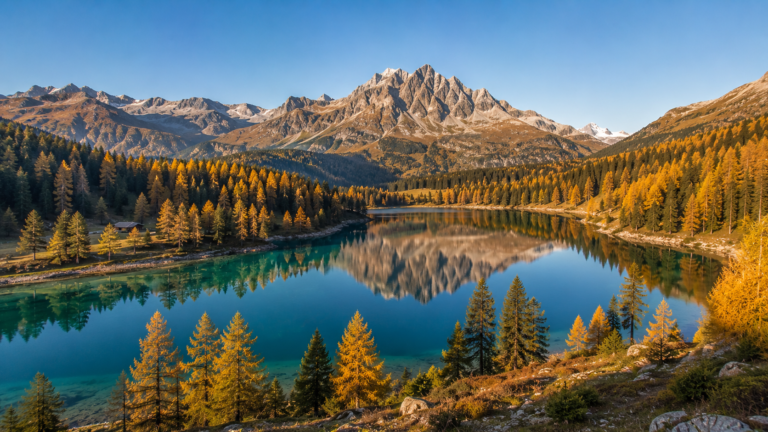
God da Tamangur is widely recognized as the highest continuous stone pine forest in Europe. Located near the village of S-charl, the forest survives in a challenging alpine environment where long winters, strong winds, and short growing seasons shape every aspect of the ecosystem.
The trees themselves tell a story of resilience. Many display twisted trunks and sculpted forms created by centuries of exposure to mountain weather.
Unlike dense lowland forests, Tamangur feels open and rugged. The combination of high-altitude scenery, mountain meadows, and ancient pines creates a landscape that feels almost timeless.
Hikers often combine a visit with explorations of nearby alpine routes, making it one of the most rewarding forest destinations in eastern Switzerland.
Forests Protected by Time
Swiss National Park
Established in 1914, the Swiss National Park is the oldest national park in the Alps and one of the country’s most significant protected areas.
Within its boundaries, forests are allowed to develop without commercial forestry activities. This approach has created a rare opportunity for scientists and visitors alike to observe how mountain ecosystems function when natural processes are largely undisturbed.
The park’s forests include stone pines, larches, spruces, and mixed alpine woodland communities. Wildlife such as red deer, ibex, chamois, and numerous bird species contribute to the richness of the landscape.
Unlike many tourist destinations where attractions are concentrated in a single location, the National Park rewards slow exploration. Forests transition into alpine meadows, valleys, and mountain environments, creating one of Switzerland’s most complete natural experiences.
The Hidden Primeval Landscape of Bödmeren
Bödmeren Forest, Schwyz
Among scientists and conservation specialists, Bödmeren Forest holds special significance.
Located in central Switzerland, this remote woodland is often described as one of the country’s most valuable natural forest ecosystems. Its ecological importance stems from the fact that large portions have remained relatively undisturbed, allowing natural forest structures to develop over long periods.
Visitors who reach the area encounter a landscape shaped by ancient trees, fallen timber, and complex habitats that support a wide variety of plant and animal life.
Bödmeren is less known than many Swiss nature destinations, yet this sense of discovery is part of its appeal. It offers a glimpse into what parts of the Alpine landscape may have looked like before centuries of intensive land management.
A Forest Journey Through the Seasons
One of the most compelling aspects of Switzerland’s forests is how dramatically they change throughout the year.
Spring brings fresh growth, flowering plants, and increasing wildlife activity. Summer offers comfortable hiking conditions beneath cool canopies. Autumn transforms many forests into spectacular displays of color, particularly in beech-dominated regions. Winter reveals a quieter landscape where snow blankets branches and animal tracks become more visible.
These seasonal shifts mean that the same forest can provide entirely different experiences depending on when it is visited.
For photographers, hikers, and nature enthusiasts, this diversity ensures that Switzerland’s forests remain rewarding destinations year-round.
Planning a Forest Experience in Switzerland
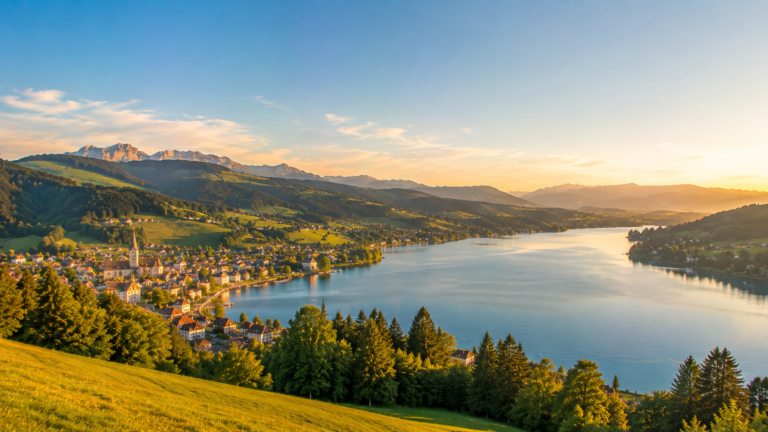
Travelers interested in exploring Swiss forests should consider combining woodland destinations with nearby villages, mountain railways, or hiking regions. Many of the country’s most impressive forests are located within larger landscapes that include lakes, glaciers, alpine meadows, and protected natural areas.
The greatest reward often comes from slowing down. Switzerland’s forests are not places defined by major landmarks or crowded attractions. Their appeal lies in atmosphere, biodiversity, and the opportunity to experience nature on its own terms.
Whether standing among thousand-year-old stone pines above the Aletsch Glacier, wandering through the recovering wilderness of Sihlwald, or discovering hidden beech forests in Ticino, visitors encounter a side of Switzerland that is every bit as remarkable as its famous mountains.