Zug Old Town (Altstadt), Zug, Switzerland
Zug Old Town: Switzerland’s Lakeside Historic Gem Beyond the Skyline
Many travelers pass through Zug without realizing what lies beyond its modern business districts and railway connections. Yet only a short walk from the contemporary city center, a very different Zug emerges. Here, narrow cobblestone lanes weave between centuries-old buildings, medieval towers rise above colorful facades, and the waters of Lake Zug reflect a skyline that has changed surprisingly little over generations.
Zug Old Town, or Altstadt Zug, occupies a unique place among Switzerland’s historic urban centers. It lacks the scale of Zurich, the international fame of Lucerne, and the political significance of Bern. Instead, its appeal comes from intimacy. The district feels lived-in rather than monumental, preserving a strong sense of local identity while remaining deeply connected to daily life.
For visitors seeking an authentic Swiss town where history, architecture, and lakeside scenery coexist naturally, Zug Old Town offers one of the country’s most rewarding urban experiences.
A Town Built Between Lake and Hills
Geography has always shaped Zug’s character.
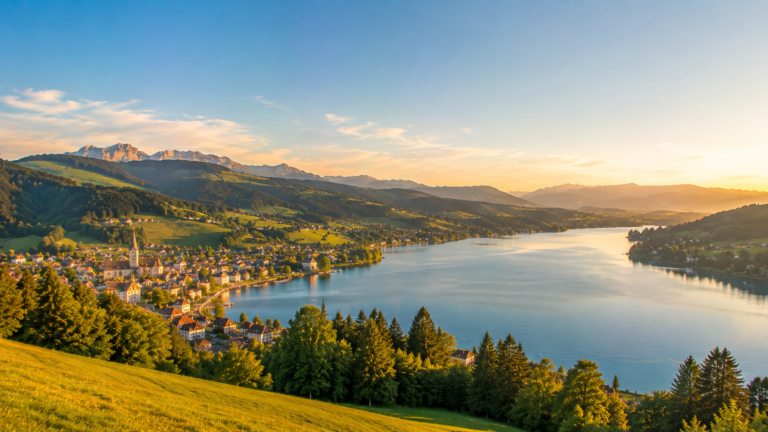
The historic center developed along the northeastern shore of Lake Zug, positioned between the lake and the foothills leading toward central Switzerland’s mountainous landscapes. This location helped establish Zug as an important regional trading center during the Middle Ages.
The lake provided transportation routes and access to commerce, while surrounding agricultural regions supplied goods and resources. Over time, defensive walls, gates, and towers protected the growing settlement.
Today, visitors exploring the Old Town still encounter traces of this medieval urban framework. The district remains compact and highly walkable, making it easy to experience its historical layers on foot.
Unlike many historic centers that were heavily redesigned during later centuries, Zug retains a street pattern that reflects its medieval origins.
The Story Behind Zug’s Historic Prosperity
Historical records show that Zug was founded during the 13th century under the Counts of Kyburg. Its strategic position quickly contributed to economic growth, attracting merchants and craftspeople who benefited from regional trade.
The town later became associated with the expanding Swiss Confederation, joining the confederation in the 14th century. This connection strengthened Zug’s political and economic position while helping shape its future development.
Although the city evolved significantly over the centuries, many structures within the Old Town continue to reflect the prosperity generated by commerce and trade.
Elegant townhouses, decorative facades, and well-preserved public buildings reveal how local wealth influenced architecture and urban planning.
Walking through the district today feels like tracing the gradual evolution of a successful Swiss town rather than exploring a museum frozen in time.
The Zytturm: Guardian of the Old Town
Among Zug’s most recognizable landmarks is the Zytturm, or Clock Tower.
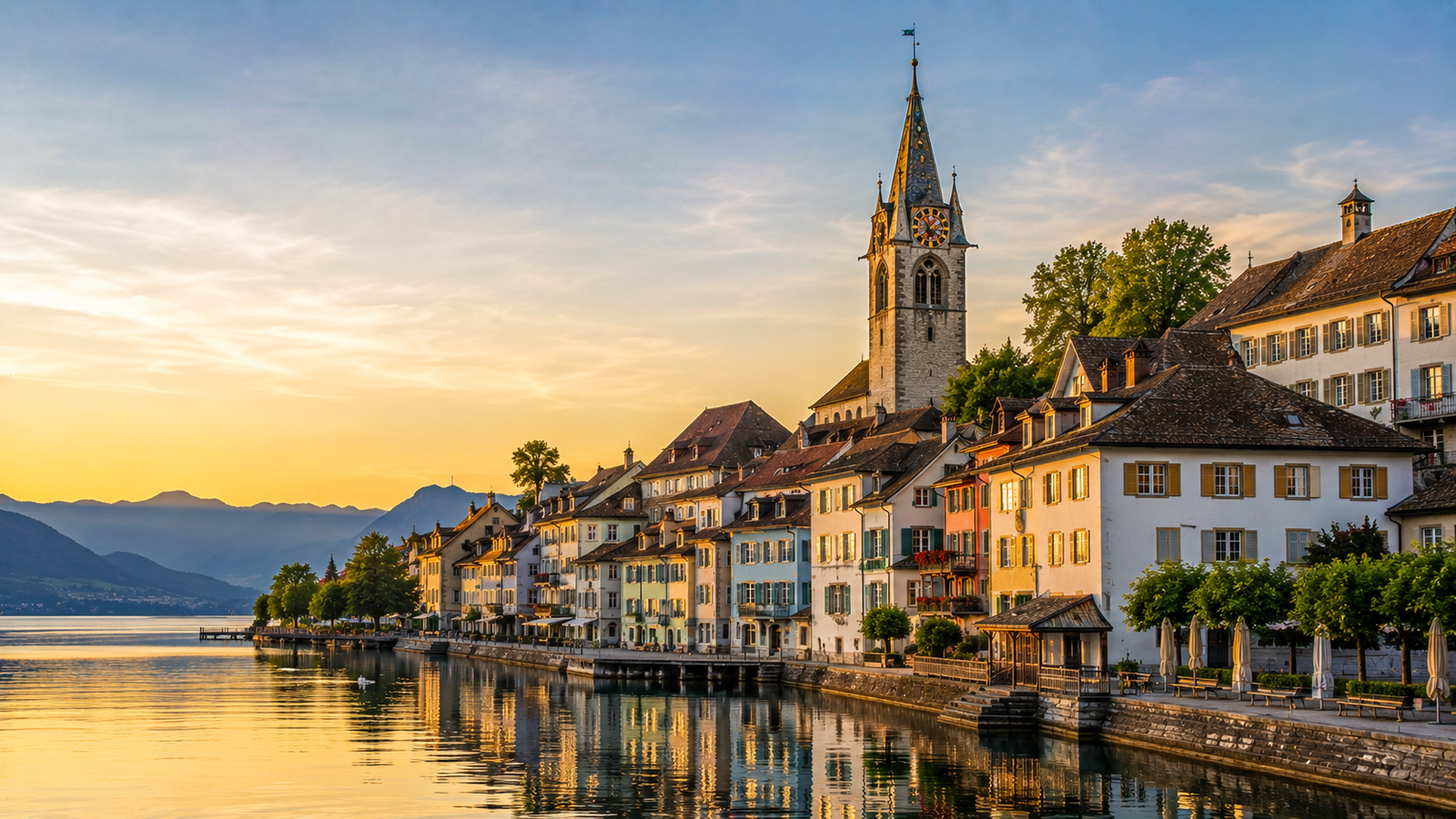
This medieval tower once formed part of the city’s defensive fortifications and remains one of the most important symbols of Zug. Rising above surrounding rooftops, it has watched over the town for centuries.
The tower’s clock face and distinctive profile make it an easy point of orientation while exploring the Old Town. Historically, the structure served practical functions related to defense, observation, and timekeeping.
Today, the Zytturm provides one of the strongest visual links to the city’s medieval past. Seen from the surrounding streets, it reinforces the sense that history remains woven into the fabric of everyday life.
The tower’s prominence also highlights how important fortifications once were in protecting growing urban settlements across medieval Switzerland.
Streets Filled With Color and Character
One of the most memorable aspects of Zug Old Town is its architectural atmosphere.
Unlike some historic districts dominated by stone construction, many buildings here feature colorful facades painted in soft shades of blue, green, yellow, and red. Decorative details, painted shutters, and traditional storefronts contribute to the district’s distinctive appearance.
The narrow streets create a sense of discovery. Small squares open unexpectedly between buildings, hidden courtyards reveal quieter corners, and historic fountains provide reminders of earlier urban life.
Because many properties remain occupied and actively used, the district feels vibrant rather than preserved solely for tourism.
Local cafés, restaurants, shops, and residences coexist within centuries-old structures, creating an environment where history continues to serve practical purposes.
A Waterfront That Defines the City
While architecture shapes the Old Town’s character, Lake Zug provides its setting.
The relationship between the historic center and the waterfront distinguishes Zug from many other Swiss medieval towns. Within minutes, visitors can move from narrow historic streets to open lakefront promenades offering expansive views across the water.
The lake contributes significantly to the area’s atmosphere. Reflections of historic buildings shimmer along the shoreline, while distant mountain silhouettes create a dramatic backdrop beyond the water.
Sunsets over Lake Zug have become particularly well known. On clear evenings, warm light spreads across the lake and surrounding peaks, producing some of the most memorable views in central Switzerland.
For many visitors, the combination of medieval architecture and lakeside scenery becomes the defining image of the city.
Traces of the Medieval Fortifications
Although portions of Zug’s original defensive system disappeared as the city expanded, remnants remain visible throughout the Old Town.
Historic towers, sections of former walls, and surviving gateways help illustrate how the town once protected itself from external threats. These structures offer valuable insight into the realities of medieval urban life, when security and defense played central roles in city planning.
Several towers continue to stand as landmarks, providing visual reminders of a period when the skyline was shaped by military necessity rather than modern construction.
Exploring these remnants reveals the strategic thinking behind the town’s original layout and development.
Culture, Community, and Everyday Life
What sets Zug Old Town apart from many historic destinations is the way it functions as a living community.
The district hosts local events, seasonal markets, cultural celebrations, and public gatherings throughout the year. Residents continue to use its streets, squares, and waterfront spaces as part of daily life.
This ongoing activity creates an atmosphere that feels genuine rather than staged.
Visitors may encounter outdoor dining along historic streets, community events near the waterfront, or local residents enjoying the same public spaces that travelers come to admire.
The result is a destination where historical preservation supports contemporary life rather than replacing it.
Exploring Zug at a Comfortable Pace
One of the greatest strengths of Zug Old Town is its accessibility.
The district can be explored comfortably on foot, and its compact scale encourages spontaneous discovery. Visitors can wander through medieval streets, admire architectural details, reach the lakefront, and enjoy panoramic viewpoints without extensive planning.
The nearby railway station also makes Zug one of the easiest historic Swiss towns to visit as a day trip from Zurich, Lucerne, or other destinations in central Switzerland.
Yet the Old Town rewards those who linger.
Morning light reveals the quiet elegance of the historic lanes, while evenings bring reflections across the lake and a more relaxed rhythm along the waterfront. Seasonal changes add further variety, from colorful spring blooms to crisp autumn views over the water.
Rather than overwhelming visitors with major monuments, Zug Old Town succeeds through atmosphere. It offers a rare combination of preserved history, lakeside beauty, and everyday Swiss life. The experience is not defined by a single attraction but by the harmony between architecture, landscape, and community—a balance that has helped make Zug one of Switzerland’s most quietly captivating historic destinations.