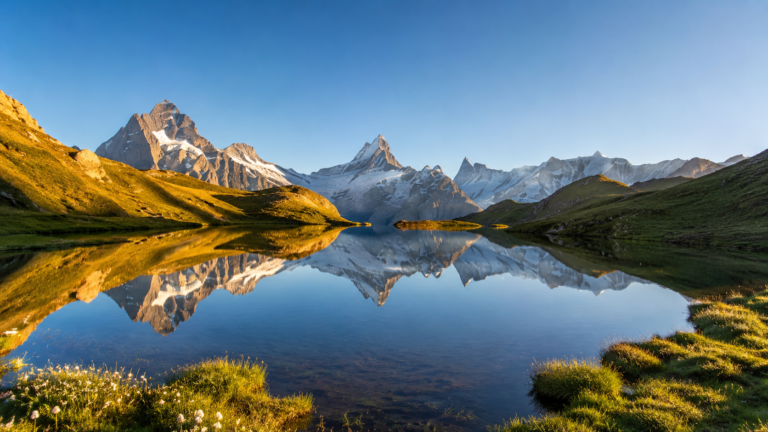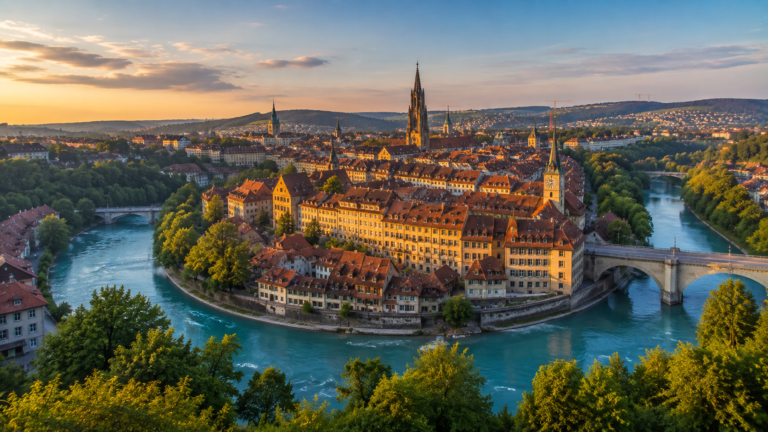
Piz Nair, St. Moritz, Graubünden, Switzerland
Piz Nair: St. Moritz’s Iconic Summit Above the Engadin Lakes
Rising high above St. Moritz, Piz Nair is one of the most recognizable mountain summits in the Engadin region and a defining landmark of Switzerland’s celebrated Alpine landscape. Perched at more than 3,000 meters above sea level, the mountain offers sweeping views of lakes, valleys, and distant peaks that have attracted visitors for generations. Whether covered in winter snow or surrounded by green summer meadows, Piz Nair remains a year-round destination for travelers seeking dramatic scenery and mountain experiences.
For many visitors, the journey to Piz Nair begins in the heart of St. Moritz. The famous resort town, known worldwide for winter sports and luxury tourism, sits at the foot of a mountain network that includes Corviglia and Piz Nair. Modern mountain transport allows travelers to reach the summit without undertaking a demanding climb, making the experience accessible to a broad range of visitors.
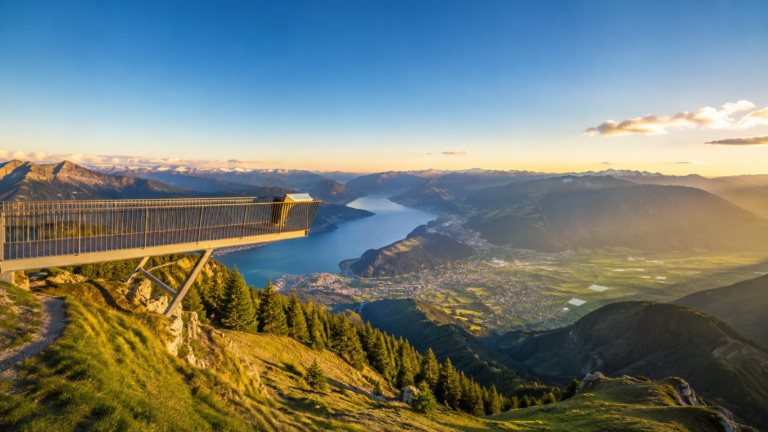
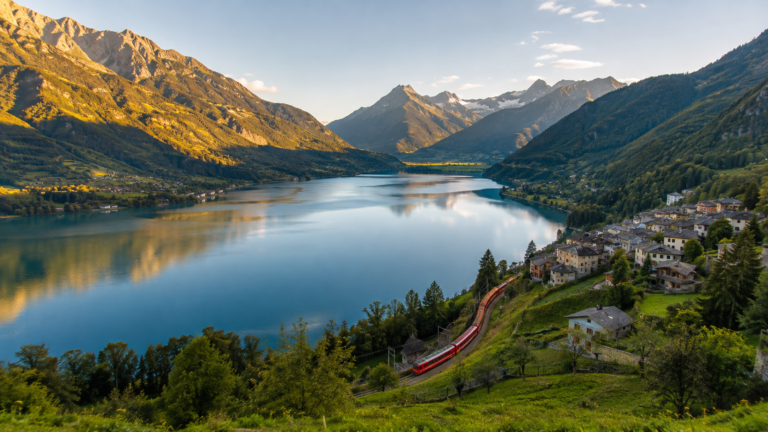
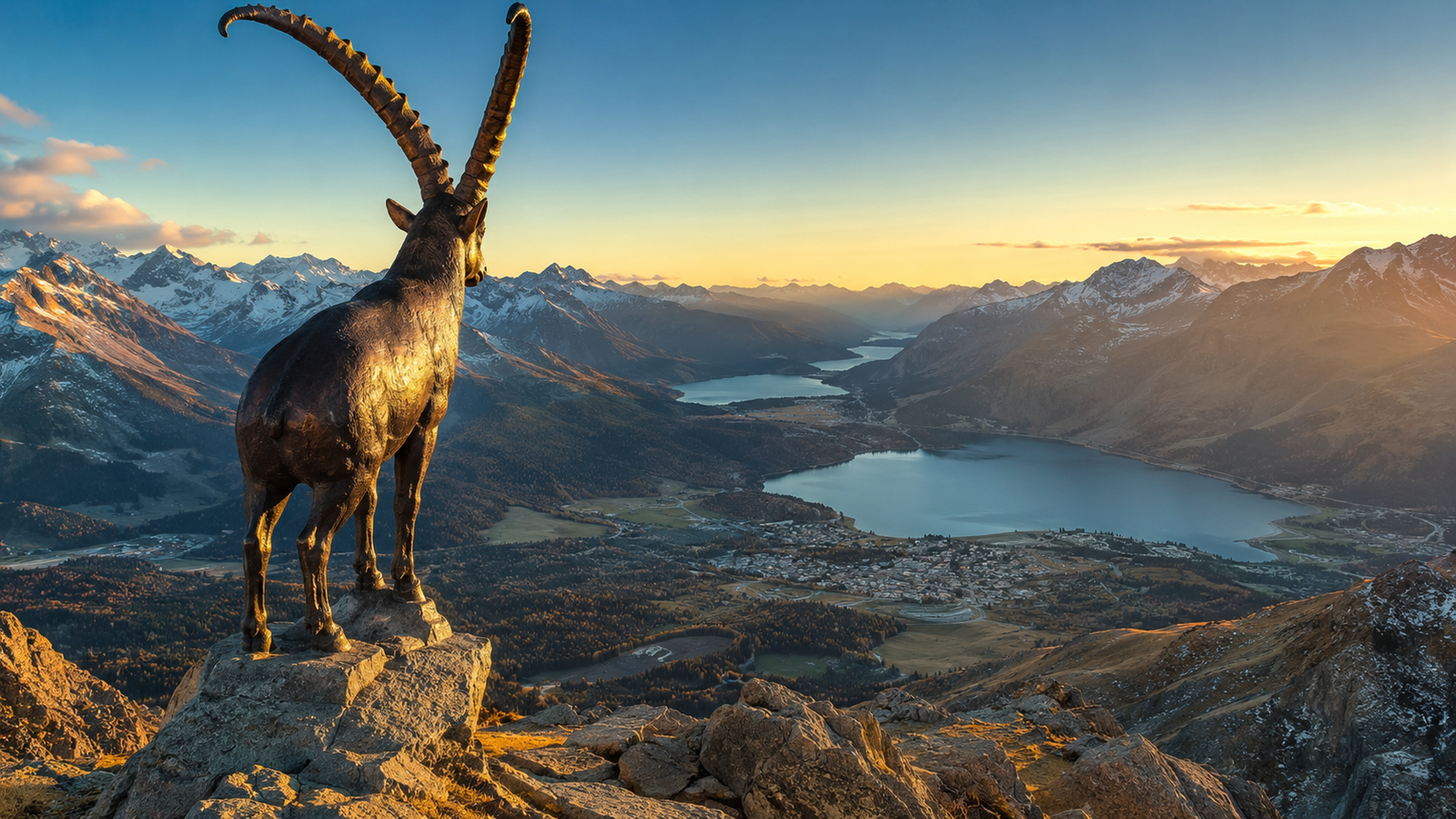
Piz Nair stands at approximately 3,057 meters above sea level and overlooks the Upper Engadin, one of Switzerland’s most beautiful Alpine valleys. From the summit, visitors can admire the chain of sparkling Engadin lakes, including Lake St. Moritz, while surrounding mountain ranges stretch toward the horizon. On clear days, views extend across a remarkable section of southeastern Switzerland and even toward neighboring Italy.
The mountain’s name comes from Romansh, one of Switzerland’s national languages. Like many peaks throughout Graubünden, Piz Nair reflects the region’s deep linguistic and cultural heritage. The summit has long been part of the mountain landscape that shaped local traditions, transportation routes, and tourism development throughout the Engadin.
Piz Nair is closely connected to the history of St. Moritz as a world-famous mountain destination. During the rise of Alpine tourism in the nineteenth and twentieth centuries, the surrounding mountains became central to the region’s identity. The development of mountain railways and cable transport transformed once-remote viewpoints into accessible attractions. Today, the Corviglia and Piz Nair lift systems continue that tradition, carrying visitors from the valley floor to one of the finest viewpoints in the Swiss Alps.
One of the mountain’s most recognizable features is the bronze ibex sculpture known as the “Guardiaun Grischun.” Positioned near the summit, the statue has become a symbol of Piz Nair and an iconic photo location for visitors. The sculpture represents the Alpine ibex, an animal strongly associated with the mountains of Graubünden and the wider Swiss Alps.
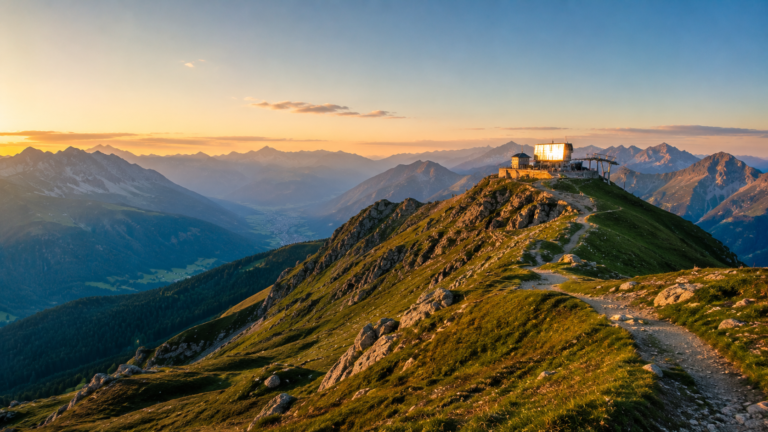
The summit experience is defined by its extraordinary panoramic scenery. Looking east and south, visitors can observe peaks associated with the Bernina region, while other directions reveal mountain groups of the Albula Alps and the broader Engadin landscape. The elevated position provides an unmatched perspective on the geography that has made this corner of Switzerland famous among hikers, photographers, skiers, and nature lovers.
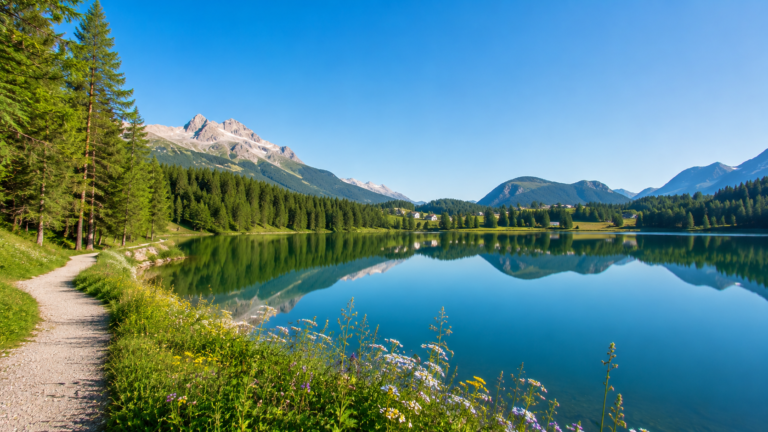
During summer, Piz Nair becomes a gateway to a network of mountain trails. Hikers can explore routes leading toward alpine lakes, high meadows, and neighboring mountain areas. The terrain ranges from relatively gentle walking paths to more demanding Alpine routes suitable for experienced hikers. Wildflowers, rocky ridges, and constantly changing viewpoints make every walk feel unique.
Mountain biking is another major attraction. The slopes surrounding Corviglia and Piz Nair are known for their extensive trail system, attracting riders from across Europe. Long descents toward St. Moritz offer a memorable combination of mountain scenery and technical riding. The area’s natural contours create flowing trails that have helped establish the Engadin as one of Switzerland’s premier biking destinations.
Winter transforms Piz Nair into an integral part of the renowned Corviglia ski area. Skiers and snowboarders use the mountain as a starting point for runs that descend through varied terrain toward lower elevations. The wider St. Moritz region has played a major role in the development of winter tourism, and Piz Nair remains one of its most celebrated high-altitude viewpoints. Snow-covered peaks, crisp mountain air, and extensive ski infrastructure attract visitors from around the world during the colder months.
Photography enthusiasts often consider Piz Nair one of the finest viewpoints in the Engadin. The changing light throughout the day creates constantly evolving landscapes. Early morning can bring soft colors across the lakes below, while sunset often illuminates surrounding peaks with warm Alpine glow. Seasonal changes add further variety, from snow-covered winter panoramas to vibrant summer landscapes.
Another highlight is the summit restaurant, located near the top station. Dining at more than 3,000 meters above sea level adds a memorable dimension to the visit. Large panoramic windows and outdoor viewing areas allow guests to enjoy regional cuisine while surrounded by extraordinary mountain scenery. The combination of food and views makes the summit a destination in its own right, even for travelers who are not planning extensive outdoor activities.
Reaching Piz Nair is straightforward thanks to the region’s well-developed transportation network. Visitors typically travel to St. Moritz by rail or road. From the town center, the Chantarella–Corviglia funicular carries passengers up the mountain, where a connecting cable car continues to the summit area. The journey itself is part of the attraction, gradually revealing broader views of the Engadin landscape as elevation increases.
The best time to visit depends largely on personal interests. Summer offers hiking, biking, sightseeing, and generally milder weather. Autumn often brings crisp air and excellent visibility across the mountains. Winter attracts skiers, snowboarders, and visitors seeking classic Alpine scenery. Spring can be quieter, with changing conditions as snow retreats from the slopes and mountain life begins to reawaken.
Visitors should remember that weather conditions at more than 3,000 meters can differ significantly from those in St. Moritz. Temperatures are often cooler, and mountain weather can change rapidly. Layered clothing, sturdy footwear, sun protection, and awareness of local forecasts can help ensure a comfortable visit.
What makes Piz Nair particularly special is the combination of accessibility and grandeur. Many Alpine summits require strenuous climbs to reach, yet Piz Nair allows visitors to experience a high-mountain environment within a relatively short journey from the resort town below. The result is an unforgettable encounter with the Swiss Alps, where dramatic landscapes, outdoor adventure, cultural heritage, and world-class scenery come together above the Engadin valley.