Muottas Muragl, Samedan, Switzerland
Muottas Muragl: The Legendary Panoramic Mountain of the Engadin
High above the Upper Engadin Valley, where mountain lakes reflect the changing colors of the sky and snow-capped summits stretch toward the horizon, Muottas Muragl has long been regarded as one of Switzerland’s most inspiring viewpoints. Perched above Samedan, Pontresina, and St. Moritz, this celebrated mountain destination combines spectacular scenery, a pioneering railway heritage, outdoor adventure, and a deep connection to the cultural landscape of the Engadin.
For many travelers, Muottas Muragl represents the perfect introduction to the Swiss Alps. Unlike remote peaks that require demanding ascents, this mountain allows visitors to experience grand alpine panoramas through a historic funicular journey that has been carrying guests into the mountains for more than a century. The reward is a remarkable vantage point overlooking lakes, valleys, forests, glaciers, and some of the most famous mountains in southeastern Switzerland.
The Mountain Above the Lakes
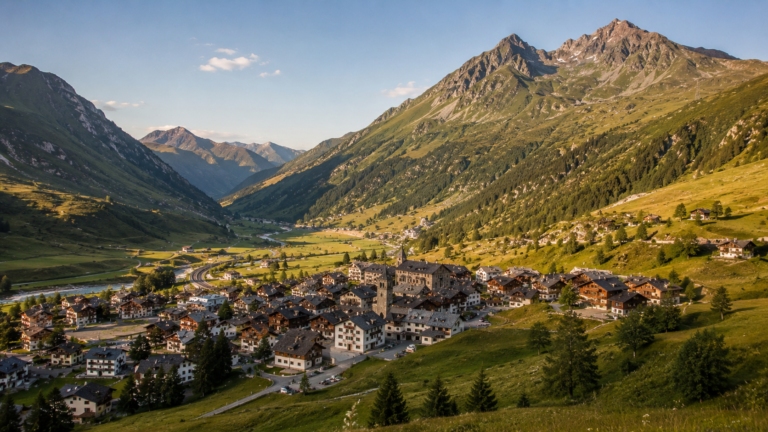
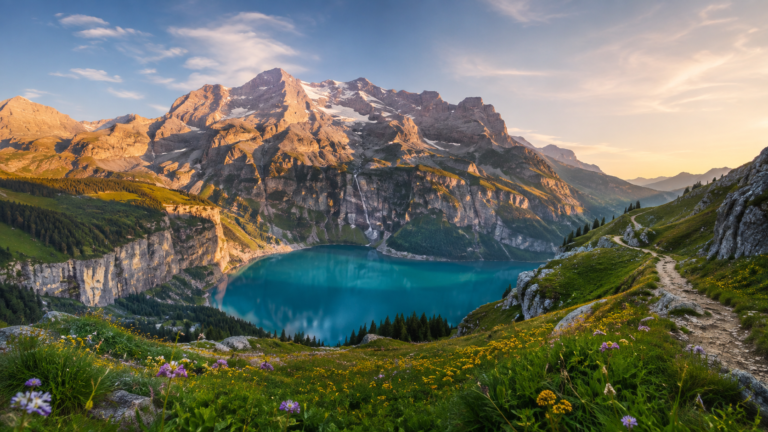
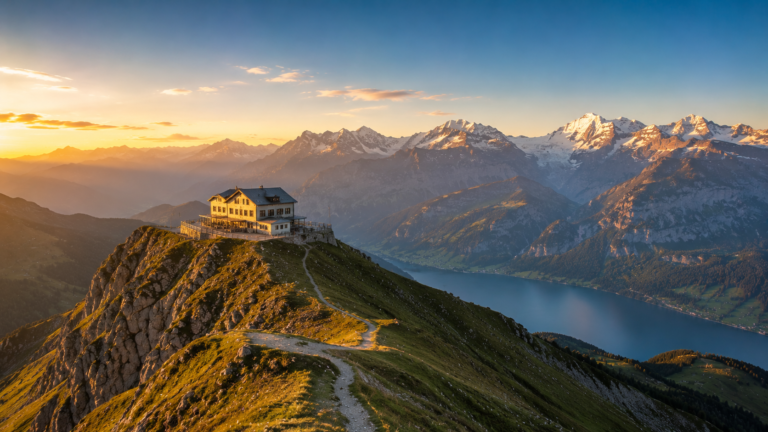
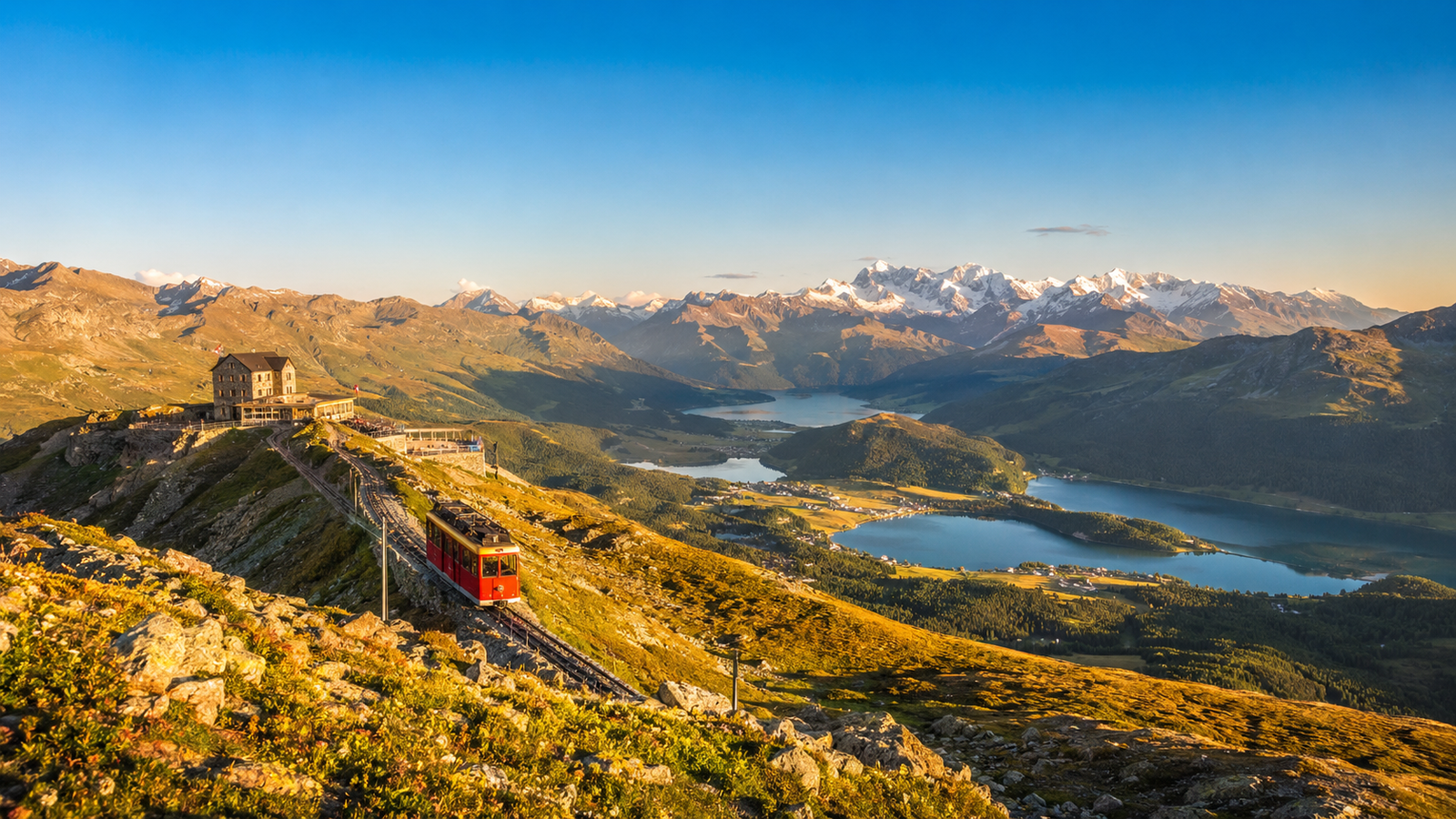
Muottas Muragl rises above the Upper Engadin, one of Switzerland’s most scenic alpine regions. The mountain station sits at approximately 2,456 meters above sea level, offering commanding views over the Inn Valley and the Engadin lake district. From the terraces and viewing platforms, visitors can look across Lake St. Moritz, Lake Silvaplana, Lake Champfèr, and Lake Sils while the peaks of the Bernina Range dominate the southern skyline.
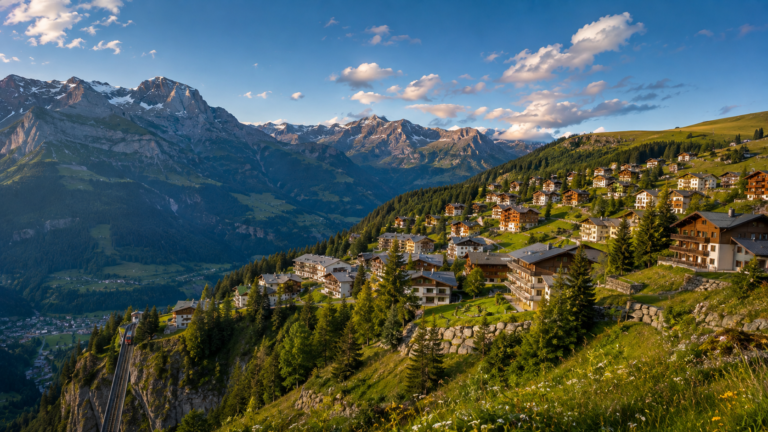
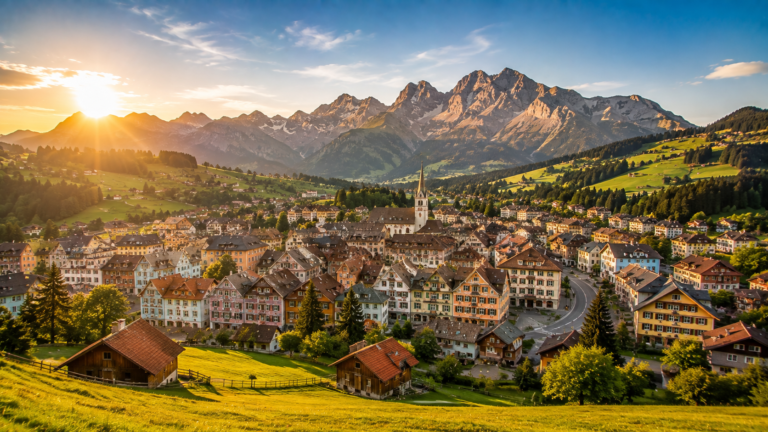
The mountain occupies a unique geographic position. Unlike many high summits that focus attention on a single peak, Muottas Muragl presents an expansive landscape where lakes, forests, villages, and glaciers combine into a single sweeping panorama. This broad perspective has helped establish its reputation as one of the finest viewpoints in the Alps.
A Pioneer of Alpine Tourism
The history of Muottas Muragl is closely tied to the development of tourism in Graubünden. During the late nineteenth century, visionary engineers recognized the mountain’s potential as a destination for visitors seeking panoramic views of the Engadin.
Construction of the railway began in the early twentieth century, and in 1907 the Muottas Muragl funicular made its inaugural journey. It became the first mountain railway in Graubünden built specifically to provide tourists with access to a panoramic mountain. The project was considered ambitious for its time, overcoming steep terrain and significant engineering challenges.
The railway transformed the mountain into an accessible destination and played an important role in shaping tourism throughout the Engadin. More than a century later, the funicular remains one of the region’s most beloved attractions and continues to transport visitors to the summit in comfort.
A Panorama That Inspired Artists and Thinkers
Long before modern tourism arrived, the views from Muottas Muragl attracted admiration from travelers, artists, and writers. The mountain occupies a special place in the cultural landscape of the Engadin, a region known for its artistic heritage and connection to renowned painter Giovanni Segantini.
Nearby trails and viewpoints reveal many of the landscapes that inspired artists who sought to capture the unique light, atmosphere, and grandeur of the Alps. Switzerland Tourism notes that poets and painters have long been drawn to the extraordinary scenery visible from the mountain.
This cultural legacy remains visible today through artistic installations, viewpoints, and walking routes that encourage visitors to experience the landscape thoughtfully rather than simply observe it from afar.
Exploring the Trails
While the panoramic views are the primary attraction, Muottas Muragl is also an outstanding hiking destination.
A network of trails extends from the mountain station into the surrounding alpine landscape. Some routes are suitable for families and casual walkers, while others connect to longer mountain journeys across the Engadin. Visitors can explore alpine meadows, mountain lakes, ridgelines, and scenic overlooks while enjoying uninterrupted views of the Bernina massif.
One of the most popular routes is the Panoramic Trail, which showcases the beauty of the Upper Engadin from a constantly changing perspective. Another favorite excursion leads toward the Segantini Hut, a scenic location associated with the famous painter and surrounded by dramatic mountain scenery.
Wildlife enthusiasts may also encounter marmots, ibex, and alpine birds while exploring the region. The combination of accessible trails and expansive views makes the mountain attractive to visitors of varying experience levels.
Winter Magic on Muottas Muragl
When snow blankets the Engadin, Muottas Muragl develops an entirely different character.
The mountain becomes a center for winter hiking, sledding, snowshoeing, and scenic excursions. One of the most famous attractions is the Philosopher’s Path, a winter trail that invites visitors to reflect on nature, history, and the surrounding landscape while walking through a peaceful alpine environment.
The mountain is also known for its sled run, which descends from the summit area toward the valley and has become a favorite winter activity for visitors seeking both scenery and excitement. Winter trails, lantern walks, and snowshoe routes further expand the range of experiences available during the colder months.
Unique Attractions Beyond the Viewpoint
Muottas Muragl offers more than traditional sightseeing.
One unusual feature is the “SINE SOLE SILEO” sundial, described as one of the most accurate sundials in the world. Located near the mountain station, it reflects the long-standing fascination with sunlight, time, and astronomy that has become part of the mountain’s identity.
Visitors can also discover artistic installations scattered throughout the area, including sculptures and interpretive works inspired by the mountains, glaciers, and cultural heritage of the Engadin. These features add another dimension to the visitor experience, transforming a scenic viewpoint into an open-air cultural landscape.
The panoramic swing near the summit has become another popular attraction, offering a memorable place to relax while enjoying one of Switzerland’s most celebrated alpine views.
Getting There
Muottas Muragl is easily accessible from the villages of Samedan and Pontresina. Most visitors begin their journey at the valley station in Punt Muragl, where the historic funicular railway ascends the mountain.
The railway operates as the principal access route and remains one of the destination’s defining experiences. Public transportation connections from St. Moritz and other Engadin communities make reaching the mountain straightforward for travelers exploring the region without a car.
Best Time to Visit
Muottas Muragl offers distinct experiences throughout the year.
Summer is ideal for hiking, photography, and exploring panoramic trails. Wildflowers, green alpine meadows, and clear mountain air create excellent conditions for outdoor activities.
Autumn often brings exceptional visibility and vibrant seasonal colors across the valleys below.
Winter transforms the landscape into a snowy wonderland suitable for winter hiking, sledding, and scenic mountain excursions.
Because the mountain is attractive in every season, the best time to visit depends largely on personal interests and preferred activities.
Why Muottas Muragl Remains One of Switzerland’s Great Viewpoints
Switzerland is home to many famous mountain destinations, yet Muottas Muragl occupies a distinctive place among them. Its appeal lies not only in the extraordinary scenery but also in the way visitors experience it. The historic funicular, panoramic trails, artistic heritage, alpine wildlife, and unforgettable views combine to create a destination that feels both timeless and accessible.
More than a century after the first railway journey reached the summit, Muottas Muragl continues to showcase the grandeur of the Engadin from a perspective few places can match. Whether arriving for a sunrise hike, a winter walk, a scenic meal, or simply a moment of quiet appreciation above the lakes, visitors discover why this mountain remains one of the true icons of the Swiss Alps.