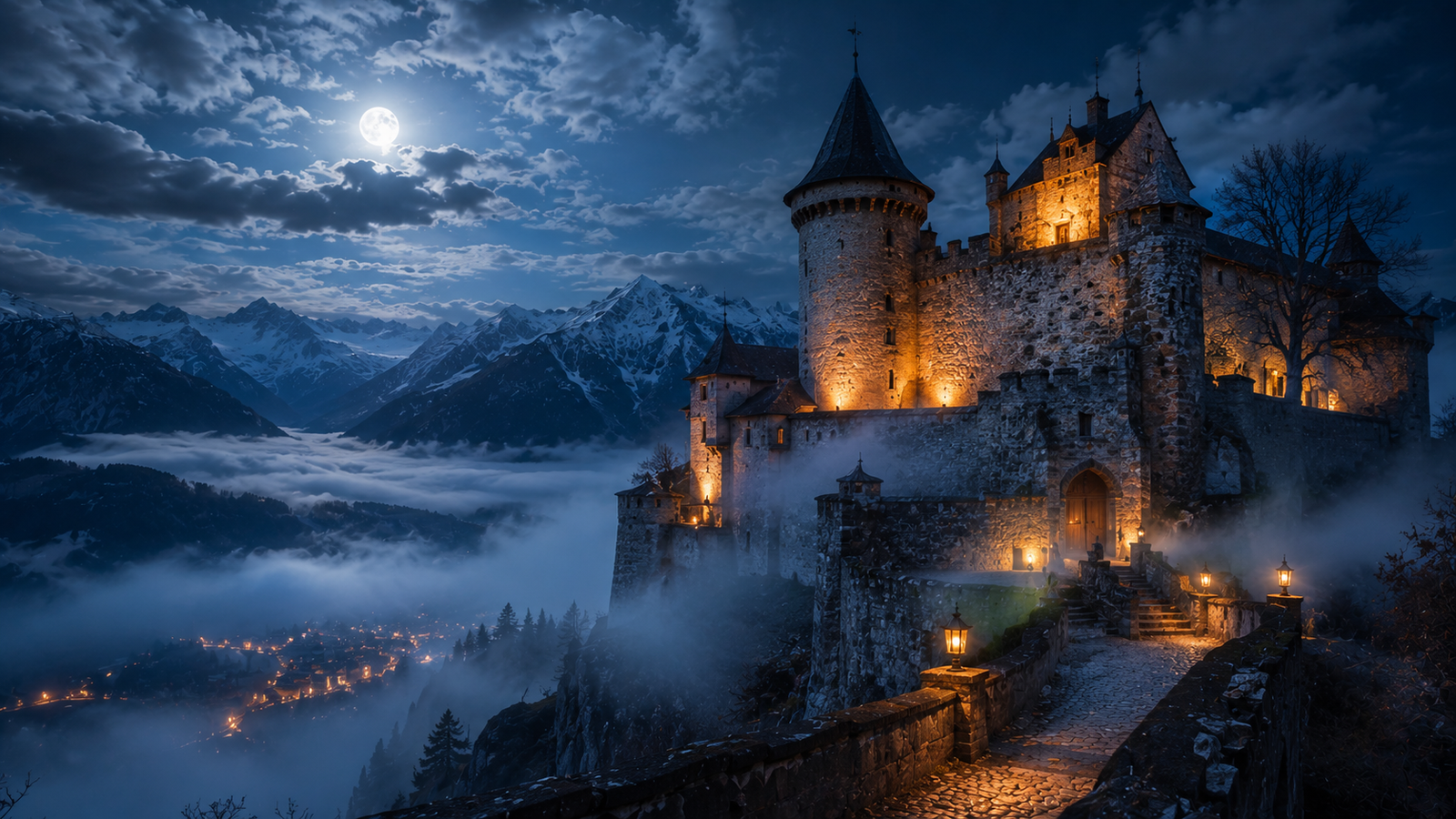
Switzerland’s Most Haunted Places
When Switzerland’s Quiet Landscapes Tell Darker Stories
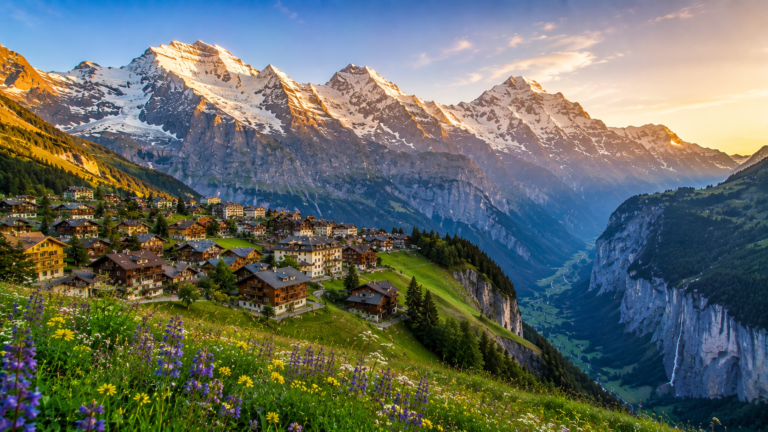
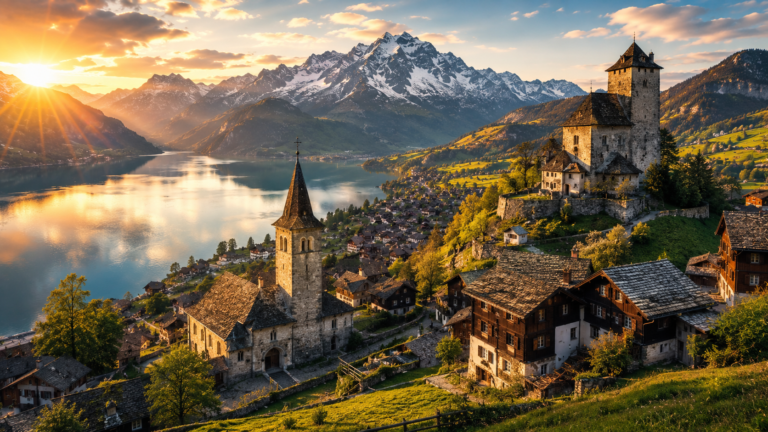
Switzerland is celebrated worldwide for its snow-capped mountains, crystal-clear lakes, and charming villages. Yet beyond the postcard-perfect scenery lies another side of the country—one shaped by centuries of folklore, mysterious legends, and tales that have been whispered through generations.
From medieval castles overlooking deep valleys to remote Alpine passes shrouded in fog, Switzerland possesses a rich tradition of ghost stories and supernatural folklore. While there is no scientific evidence supporting claims of hauntings, these stories remain an important part of the nation’s cultural heritage.
Many of Switzerland’s most haunted places are also among its most fascinating historical landmarks, where documented history and local legend often intertwine.
Castles Built for Power—and Surrounded by Legends
Across Switzerland, medieval castles dominate hillsides, lakeshores, and mountain passes. Their centuries-old walls have naturally inspired stories of restless spirits and unexplained events.
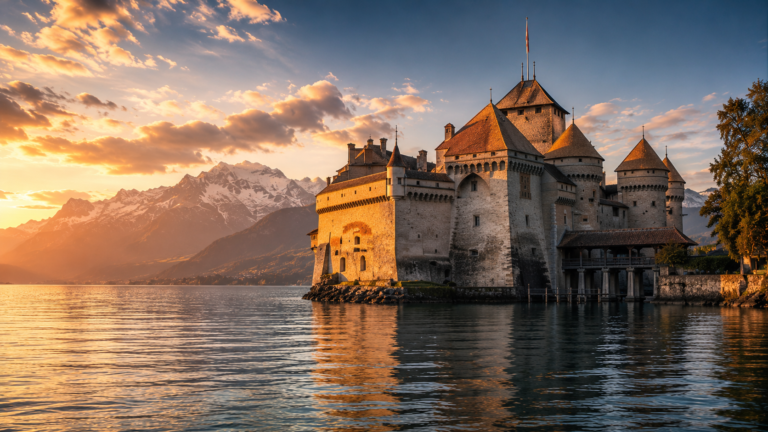
Among the most famous is Chillon Castle, standing dramatically on the shores of Lake Geneva.


6
The castle’s dungeons, hidden chambers, and long history of imprisonment have fueled countless tales over the centuries. Visitors and guides occasionally share stories of unusual sounds, shadowy figures, and mysterious presences within the ancient stone corridors.
These accounts belong to local folklore rather than verified historical fact, but they contribute to the castle’s enduring atmosphere and popularity.
Other Swiss castles possess similar reputations, where centuries of warfare, political intrigue, and dramatic events have inspired ghost stories that continue to capture imaginations today.
The Ghostly Bride of the Mountains
Many Swiss ghost legends are linked not to castles but to tragic human stories.
One recurring theme throughout Alpine folklore is the tale of the ghostly bride. Variations of this legend appear in several mountain regions, particularly in isolated valleys where oral traditions survived for generations.
The story often describes a young woman whose wedding was interrupted by an accident, avalanche, or natural disaster. According to local tradition, her spirit continues wandering mountain paths searching for the life she never lived.
There is no historical evidence supporting these tales, and they should be understood as folklore rather than fact. Nevertheless, they reveal how communities used storytelling to process tragedy and explain the unpredictable dangers of Alpine life.
The enduring popularity of these stories demonstrates the powerful connection between landscape and imagination.
Mysterious Abbeys and Ancient Monasteries
Switzerland’s religious history has also contributed to its supernatural traditions.
Centuries-old monasteries and abbeys often became associated with legends involving monks, miracles, and unexplained events.
Among the most historic is the Abbey of Saint Gall, a site renowned for its extraordinary cultural significance and historic library.
Although the abbey is primarily celebrated for its intellectual and religious heritage, local stories have occasionally described mysterious footsteps, unexplained sounds, and ghostly figures appearing within ancient corridors.
Such accounts remain part of local tradition rather than documented history. Yet they add another layer to the fascination surrounding some of Switzerland’s oldest religious sites.
The combination of medieval architecture, candlelit interiors, and centuries of accumulated history naturally encourages storytelling.
The Devil’s Bridges of the Alps
Some of Switzerland’s most famous supernatural legends are connected to bridges rather than buildings.
Several Alpine crossings known as “Devil’s Bridges” appear throughout the country, but none is more famous than the historic bridge spanning the Schöllenen Gorge near Andermatt.
According to local folklore, villagers struggled to construct a bridge across the dangerous gorge. Desperate for help, they supposedly made a bargain with the Devil, who agreed to build the crossing in exchange for the first soul to cross it.
The villagers reportedly tricked him by sending an animal across first, provoking his fury.
This tale belongs entirely to folklore and should not be mistaken for historical fact. However, versions of the story have survived for centuries and remain among Switzerland’s best-known supernatural legends.
The dramatic setting of the gorge, with steep cliffs and rushing water, makes it easy to understand why such stories emerged.
Spirits of the High Mountain Passes
Long before modern transportation transformed travel, crossing the Alps could be dangerous and unpredictable.
Storms, rockfalls, avalanches, and sudden weather changes often claimed lives. In response, mountain communities developed legends about spirits inhabiting remote passes and peaks.
Travelers sometimes reported hearing strange voices carried by the wind or seeing mysterious figures disappear into the fog. Such experiences were often interpreted through the lens of local beliefs.
Today, many of these accounts are understood as products of harsh weather, challenging terrain, and the power of human imagination. Yet the stories continue to form part of Switzerland’s rich folklore tradition.
The mountains themselves often became characters within these narratives—powerful, mysterious, and deserving of respect.
Where History and Legend Meet
Many supposedly haunted places in Switzerland share a common characteristic: they are genuinely historic.
Ancient castles, abandoned fortifications, monasteries, and battle sites naturally inspire curiosity. The older a place becomes, the more opportunities there are for myths, misunderstandings, and legends to develop.
Historical events often provide the foundation. A tragic death, imprisonment, conflict, or unexplained occurrence may gradually evolve into a supernatural tale as stories are passed between generations.
This blending of fact and folklore is common throughout Europe, and Switzerland is no exception.
Understanding this distinction is important. The historical sites themselves are real and well documented. The hauntings and ghost stories belong to cultural tradition rather than verified evidence.
Why Ghost Stories Endure
The popularity of haunted places is not necessarily about belief in the supernatural.
For many people, ghost stories offer a way to connect with history emotionally. They transform old stones, forgotten ruins, and ancient landscapes into places filled with human drama.
A castle becomes more than architecture. A mountain pass becomes more than geography. Legends provide narrative, mystery, and meaning.
Switzerland’s ghost stories also preserve local traditions that might otherwise disappear. They reflect regional identities, historical experiences, and centuries of storytelling.
Even in an age of scientific understanding, people remain fascinated by mysteries that cannot be fully explained.
Exploring Switzerland’s Darker Heritage
Visitors interested in Switzerland’s haunted places often discover something unexpected. The real attraction is not fear but history.
Whether exploring medieval castles, ancient monasteries, remote mountain villages, or dramatic Alpine landscapes, travelers encounter locations that have inspired generations of stories.
Many of these destinations rank among Switzerland’s most important cultural landmarks. Their historical significance stands independently of the legends surrounding them.
The stories simply add another layer to the experience.
For travelers willing to look beyond Switzerland’s famous scenery, these places reveal a different side of the country—one shaped by imagination, folklore, and the enduring human desire to explain the unknown.
The Legends That Refuse to Fade
Switzerland’s most haunted places occupy a fascinating space between documented history and popular tradition. The castles, abbeys, bridges, and mountain passes are real. The ghost stories attached to them belong to folklore, local belief, and centuries of storytelling.
Yet that distinction does not diminish their value.
These legends continue to enrich Switzerland’s cultural landscape, offering visitors a glimpse into the fears, hopes, and imaginations of earlier generations. They remind us that behind every historic wall and every mist-covered mountain lies a story waiting to be told.
And sometimes, those stories prove just as captivating as the places themselves.