More Than 800,000 Older Adults in Switzerland Report Feeling Socially Isolated, Survey Finds
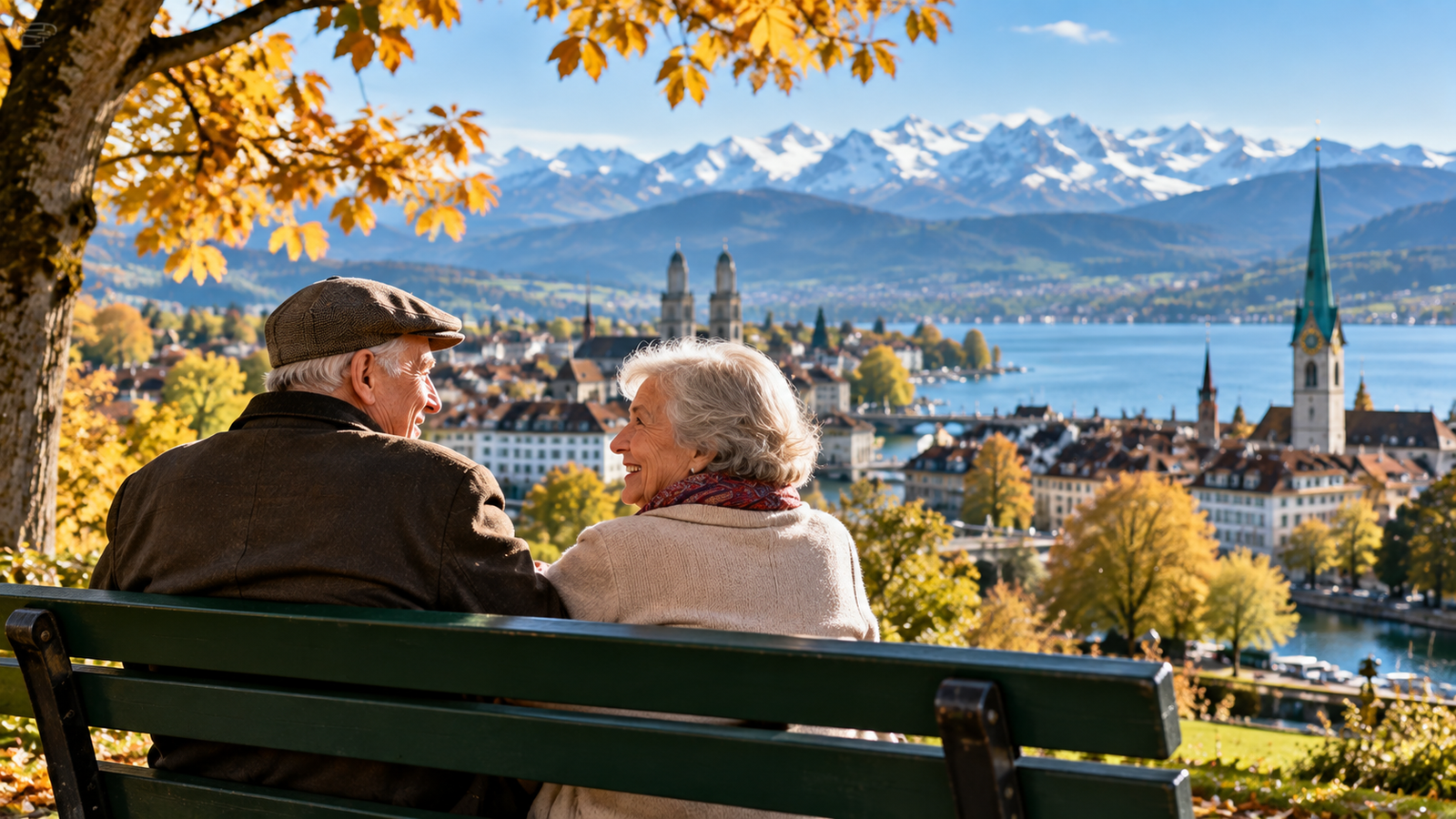
A new nationwide survey has drawn attention to a growing social challenge in Switzerland, finding that hundreds of thousands of older residents experience loneliness or feel they lack sufficient social support despite living in one of the world’s most prosperous countries.
The findings, published by Pro Senectute Switzerland, indicate that more than one-third of people aged 60 and older sometimes feel they do not receive enough social support. Researchers estimate that over 800,000 seniors would welcome more companionship, while a smaller but significant group reports experiencing frequent social isolation.
The results come as Switzerland’s population continues to age, prompting renewed discussion among policymakers, health professionals, and social organizations about the broader effects of loneliness on wellbeing, healthcare systems, and community life.
Social Connections Remain Strong for Many
Despite the concerns highlighted in the survey, researchers emphasized that most older adults remain well connected to family members, friends, and local communities.
Many Swiss seniors continue to participate actively in social networks, volunteer organizations, cultural groups, and recreational activities. However, the survey suggests that a substantial minority struggles to maintain the level of social contact they desire.
Experts note that loneliness is not necessarily linked to living alone. Some individuals may have regular contact with others yet still feel socially disconnected, while others who spend significant time alone may not experience loneliness.
The survey focused on perceived social support, an indicator increasingly used by researchers to understand emotional wellbeing among older populations.
Marital Status Influences Risk
One of the strongest factors associated with loneliness was relationship status.
According to the findings, people who had lost a spouse or partner reported significantly higher levels of social isolation than those living in long-term relationships. Widowed and separated seniors were more likely to say they lacked regular social contact, highlighting the lasting impact that bereavement and major life changes can have on emotional wellbeing.
Researchers have long identified the loss of a partner as one of the most significant risk factors for loneliness later in life. Social networks often shrink after retirement or following the death of close friends and relatives, making it harder for some older adults to maintain regular interactions.
A Public Health Concern
Health specialists increasingly view loneliness as more than a social issue.
Research has linked prolonged social isolation to poorer mental and physical health outcomes. Studies suggest loneliness can contribute to depression, anxiety, reduced quality of life, and increased health risks among older adults. Public health experts in Switzerland have described social isolation among seniors as one of the major challenges facing an aging society.
The issue is not unique to Switzerland. The World Health Organization has reported that loneliness affects people across all age groups globally and has called for greater attention to its social and health consequences.
Swiss researchers have also found that loneliness levels in the country are comparatively high, with some studies estimating that a substantial share of residents experience feelings of social isolation at least occasionally.
Aging Population Raises New Questions
Switzerland is among the countries experiencing significant demographic change as life expectancy rises and birth rates remain relatively low.
The growing number of older residents has increased attention on issues such as healthcare, pensions, housing, and long-term care. Loneliness is becoming an increasingly important part of that conversation because it affects not only emotional wellbeing but also community participation and independence.
Organizations working with older adults argue that addressing loneliness requires more than medical solutions. They point to the importance of community programs, accessible transportation, social clubs, volunteer networks, and opportunities for intergenerational interaction.
Many local initiatives already exist across Switzerland, ranging from neighborhood support programs to volunteer visiting services aimed at helping seniors remain socially connected.
Challenges Beyond Urban Centers
Experts say the causes of loneliness vary widely.
Health problems, reduced mobility, transportation difficulties, retirement, and the loss of close relationships can all contribute to feelings of isolation. Older adults living in rural or remote areas may face additional barriers to maintaining regular social contact, particularly if access to services or public transportation is limited.
At the same time, loneliness can affect people regardless of where they live or their financial circumstances. Researchers emphasize that emotional connection, rather than simple physical proximity to others, is often the key factor.
The latest survey underscores the complexity of the issue and suggests that no single solution will address every individual’s needs.
Looking Ahead
As Switzerland prepares for a future with a larger elderly population, organizations supporting older adults are calling for continued investment in programs that strengthen social participation and community engagement.
The survey’s findings suggest that while many seniors enjoy active and fulfilling social lives, a considerable number continue to experience loneliness or insufficient social support. More than 800,000 older adults reporting a desire for greater companionship highlights the scale of the challenge facing communities across the country.
For policymakers and social organizations, the message is increasingly clear: helping older adults stay connected may be just as important as ensuring access to healthcare and financial security. As Switzerland’s population continues to age, strengthening social bonds could play a critical role in supporting healthy and fulfilling lives for future generations.