
Swiss Researchers Question Accuracy of Mpox Case Counts in Congo Study
New research involving Swiss scientists has raised questions about the accuracy of mpox surveillance data in the Democratic Republic of Congo (DRC), suggesting that a substantial number of suspected infections recorded during the country’s outbreak may not have been caused by the virus.
The findings highlight one of the biggest challenges facing public health authorities in regions with limited laboratory capacity: distinguishing mpox from other illnesses that can produce similar symptoms. Researchers say the issue could affect efforts to understand the true scale of the outbreak and direct resources to the areas most in need.
The Democratic Republic of Congo has been at the center of global concern over mpox in recent years. The country has reported the vast majority of Africa’s suspected infections and has played a key role in the emergence and spread of new variants that prompted international health alerts. The World Health Organization previously declared the outbreak a public health emergency of international concern as cases expanded across parts of Africa.
Questions Over Diagnostic Accuracy
According to the researchers, many individuals classified as mpox patients based on clinical symptoms alone may actually have been suffering from other skin-related diseases or infections. The study points to the limitations of relying heavily on visual diagnosis in regions where access to laboratory confirmation remains restricted.
Mpox can cause fever, swollen lymph nodes, and distinctive skin lesions. However, several other diseases common in tropical regions can produce symptoms that resemble the infection, making accurate diagnosis difficult without testing.
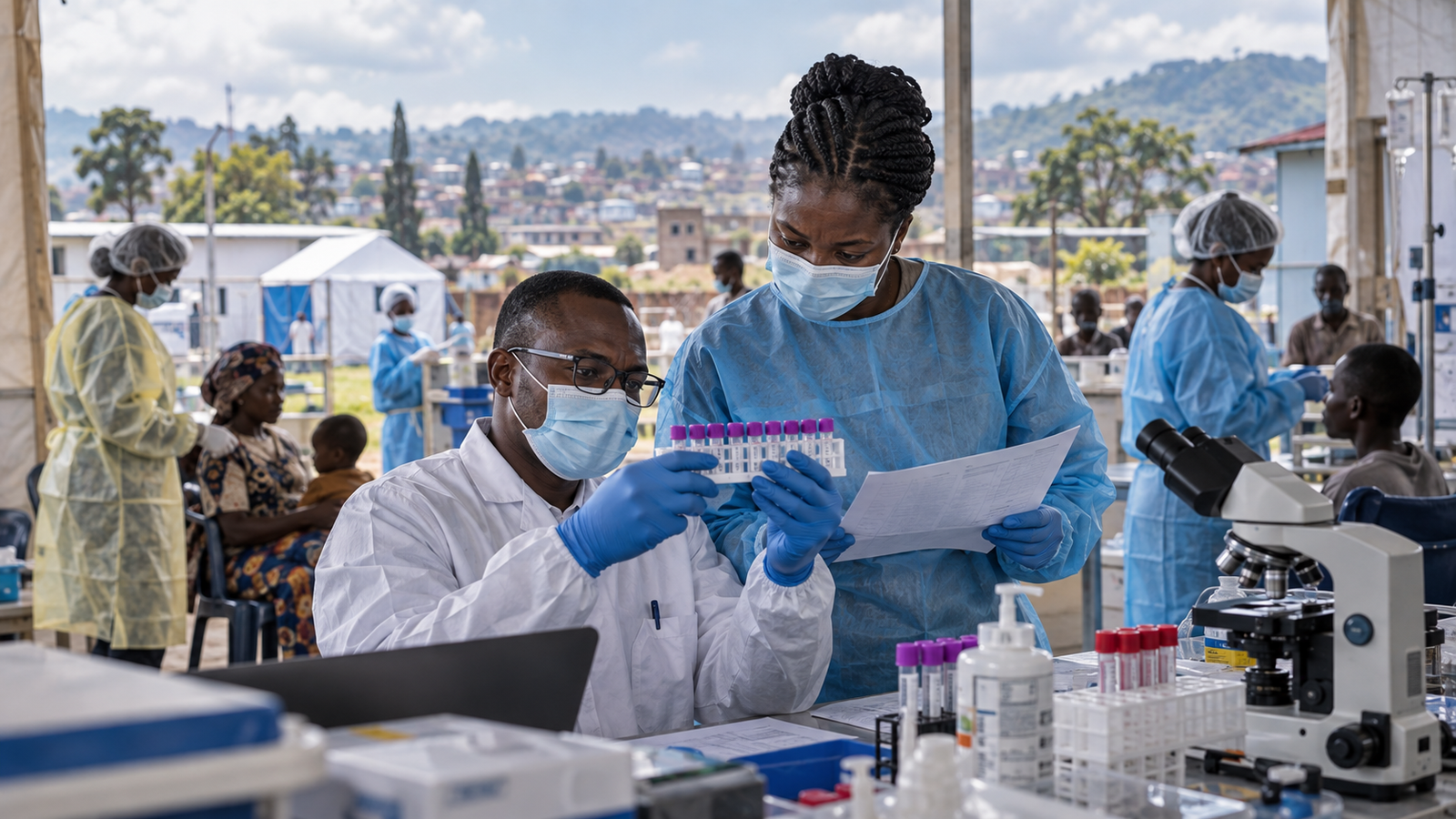
Public health experts have long warned that surveillance systems in some African countries face significant obstacles, including shortages of diagnostic equipment, limited laboratory networks, and challenges in transporting samples from remote communities. These factors can complicate efforts to determine exactly how many people have contracted the virus.
The Swiss-led research suggests that some reported case totals may include individuals who never had mpox, potentially inflating estimates of disease prevalence in certain locations.
Why the Findings Matter
Accurate disease surveillance is essential during any outbreak. Health authorities depend on reliable data to identify hotspots, allocate medical supplies, plan vaccination campaigns, and assess whether interventions are working.
If a large share of suspected cases are ultimately found to be unrelated to mpox, officials may need to reassess how outbreak statistics are interpreted. Researchers emphasize that the findings do not mean the outbreak is insignificant. Instead, they underline the need for stronger diagnostic systems capable of separating confirmed infections from clinically suspected cases.
Public health specialists note that overestimation and underestimation can both create problems. Inflated figures may distort assessments of transmission patterns, while missed infections can allow outbreaks to spread undetected.
Ongoing Challenges in the DRC
The Democratic Republic of Congo faces unique difficulties in controlling infectious diseases. Large geographic distances, infrastructure limitations, ongoing security challenges in some regions, and shortages of healthcare resources can all affect outbreak response efforts.
The country has remained the epicenter of the recent mpox surge. Health authorities and international organizations have worked to expand testing capacity and strengthen surveillance systems, but gaps remain in many areas. Experts have repeatedly identified limited diagnostics as a major obstacle to understanding the full extent of transmission.
Previous analyses have suggested that actual infection numbers may differ significantly from reported figures because many suspected cases are never laboratory confirmed. Researchers say both false-positive and false-negative classifications can occur when testing resources are constrained.
Implications for Public Health Policy
The new findings could influence future outbreak monitoring strategies in Africa and elsewhere. Scientists argue that investments in laboratory infrastructure may be just as important as treatment and vaccination programs when responding to emerging infectious diseases.
Improved diagnostic capacity would allow health officials to distinguish mpox from other illnesses more effectively, generating more precise data for policymakers and international agencies.
The study also highlights the importance of field research during public health emergencies. Reliable surveillance data serves as the foundation for disease-control decisions, and inaccuracies can affect everything from funding allocations to vaccine distribution plans.
Global health organizations have increasingly emphasized the need to strengthen diagnostic networks in regions vulnerable to infectious disease outbreaks. Better testing capabilities can improve both local responses and international monitoring efforts.
Continued Concern Over Mpox
Although researchers are questioning the accuracy of some suspected case numbers, health experts stress that mpox remains a significant public health concern.
The disease continues to circulate in several African countries, and health authorities remain alert to the possibility of cross-border transmission. International surveillance efforts have expanded since the emergence of new mpox variants in Central Africa, reflecting concerns about the virus’s potential spread.
Vaccination campaigns, public awareness initiatives, and expanded testing programs remain central components of outbreak control strategies. Health officials say reliable data will be critical to measuring the effectiveness of these efforts.
Looking Ahead
The Swiss research adds an important layer to the ongoing discussion about how mpox outbreaks are tracked and measured. While the findings do not diminish the seriousness of the disease, they suggest that reported case totals may require closer examination in settings where laboratory confirmation is limited.
Researchers are calling for additional studies to better understand the extent of potential misclassification and to improve diagnostic procedures in affected regions.
As governments and international health agencies continue their response, the study serves as a reminder that accurate surveillance is a cornerstone of effective disease control. Understanding not only where infections occur, but also which cases are genuinely linked to the virus, will remain essential for managing future outbreaks and protecting public health.