Independent Verification of Corporate Sustainability Reports Hits New High in Switzerland
Swiss companies are increasingly turning to independent auditors to verify the environmental, social, and governance information they publish, marking a significant shift in how businesses communicate sustainability performance to investors, regulators, and the public.
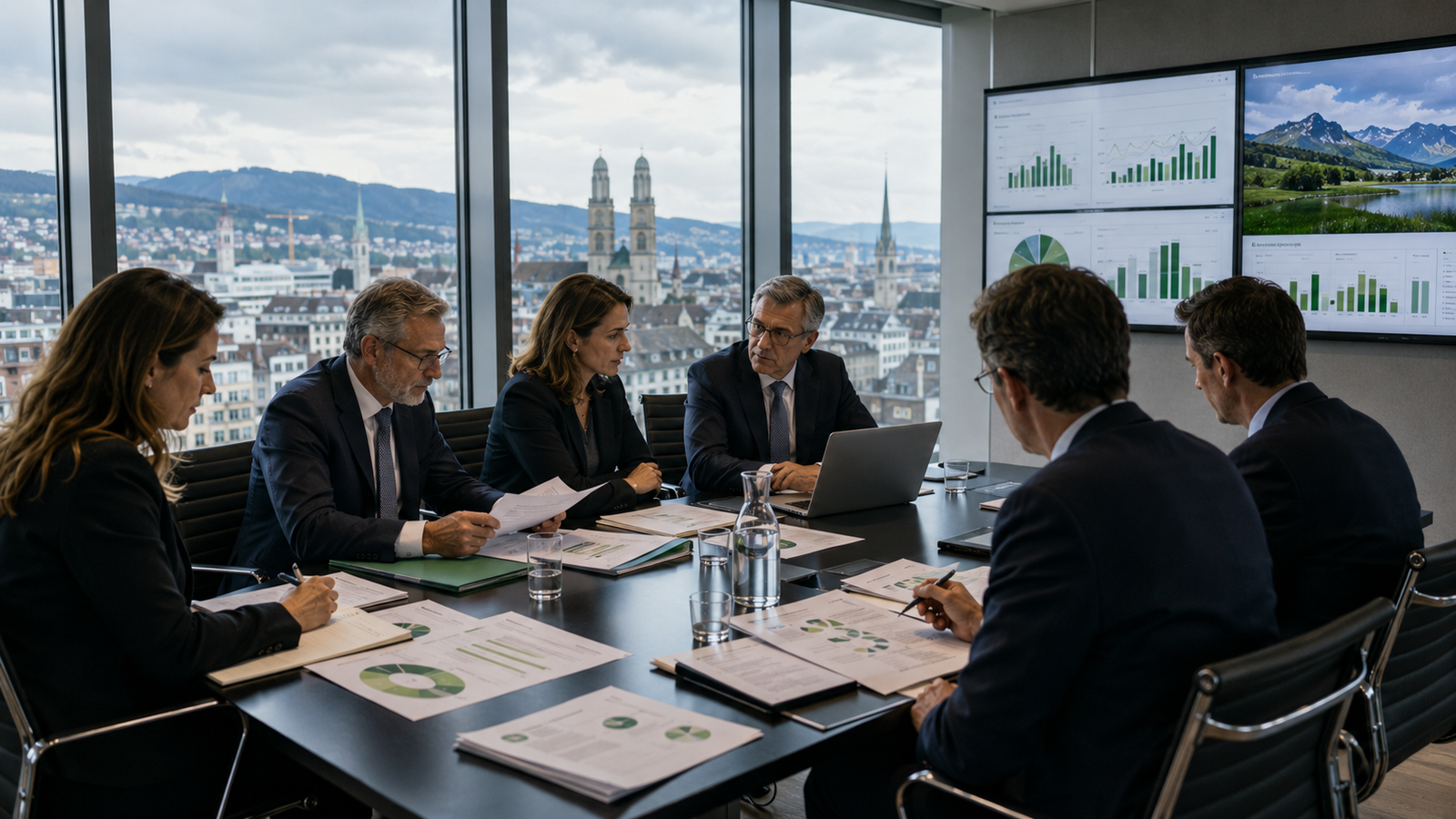
New findings indicate that external verification of sustainability reporting among Switzerland’s largest publicly traded companies has reached its highest level on record. The development reflects growing expectations that corporate sustainability claims should be supported by evidence and subjected to the same level of scrutiny often applied to financial statements.
The trend comes as sustainability reporting evolves from a largely voluntary exercise into a core component of corporate accountability. Investors increasingly rely on environmental and social disclosures when evaluating risk, while regulators in Europe and other regions continue to expand reporting requirements related to climate impacts, emissions, governance practices, and social responsibility.
External assurance involves an independent review of selected sustainability data, reporting processes, or entire disclosures. Auditors assess whether information presented by a company is supported by evidence and whether reporting follows recognized standards and frameworks. While assurance levels can vary, the practice is generally viewed as a way to strengthen confidence in published ESG information.
The rise in independent verification suggests that Swiss companies are responding to increased scrutiny from shareholders, customers, lenders, and advocacy groups. Sustainability reporting has become a major consideration for institutional investors seeking greater transparency regarding environmental performance, climate-related risks, labor practices, and corporate governance structures.
Corporate leaders face mounting pressure to demonstrate that sustainability commitments are measurable rather than aspirational. Independent auditing can help reduce concerns about inaccurate reporting or accusations of greenwashing by providing third-party validation of disclosed information. In recent years, regulators worldwide have increased attention on environmental claims made by corporations, prompting many businesses to strengthen internal reporting controls.
Switzerland occupies a particularly important position in the sustainability reporting landscape because of its role as a global financial center. Many of the country’s largest corporations operate internationally and serve investors across multiple jurisdictions. As a result, they are often expected to comply with evolving global disclosure standards and meet the information needs of international stakeholders.
The movement toward audited sustainability reporting has been developing steadily over recent years. Earlier studies showed a consistent increase in the number of companies obtaining some form of external assurance for sustainability disclosures. The latest figures indicate that the practice has moved from a relatively limited exercise to a mainstream feature among major Swiss-listed businesses.
Experts note that sustainability information increasingly influences business decisions far beyond traditional environmental concerns. Data on carbon emissions, energy consumption, workforce diversity, supply chain management, and governance structures are frequently incorporated into investment analysis, lending decisions, and corporate strategy reviews. As the importance of such information grows, demand for independent verification is expected to rise as well.
The broader global reporting environment remains complex. While some jurisdictions have delayed or revised sustainability disclosure requirements, many organizations continue expanding reporting efforts voluntarily. Market expectations, investor pressure, and reputational considerations are often cited as major drivers behind the continued growth of sustainability reporting regardless of regulatory changes.
For companies, independent assurance can provide several advantages beyond regulatory compliance. Verified reporting may improve credibility with investors, support access to capital, strengthen stakeholder trust, and help management identify weaknesses in data collection systems. It can also encourage greater consistency in how sustainability performance is measured and communicated across business operations.
At the same time, external auditing introduces additional responsibilities. Organizations must maintain robust data systems, establish clear reporting methodologies, and ensure that sustainability claims can be substantiated. Auditors increasingly examine the quality of underlying information as stakeholders demand greater reliability from non-financial disclosures.
The record level of independent sustainability audits in Switzerland highlights a broader transformation in corporate reporting. Environmental and social performance indicators are becoming more integrated into mainstream business evaluation, narrowing the historical divide between financial reporting and sustainability disclosures.
As global investors place greater emphasis on long-term resilience, climate adaptation, governance quality, and social responsibility, independent verification is likely to play an increasingly important role in corporate communications. For Switzerland’s largest companies, the latest milestone suggests that externally reviewed sustainability reporting is rapidly becoming the norm rather than the exception.