
Swiss Himalayan Communities Rally as Catastrophic Flood Disaster Strikes Nepal and Tibet
The devastating flood disaster that swept through parts of Nepal and Tibet this week is being felt far beyond the Himalayan region, with Nepalese and Tibetan communities in Switzerland closely following rescue efforts and searching for information about relatives, friends, and affected communities.
As authorities continue emergency operations in some of the hardest-hit areas along the Nepal–Tibet border, community representatives in Switzerland say the catastrophe has triggered widespread anxiety among diaspora populations with family ties to the region. The disaster, linked to a major glacial collapse and subsequent flooding, has become one of the deadliest natural emergencies to affect the Himalayas in recent years.
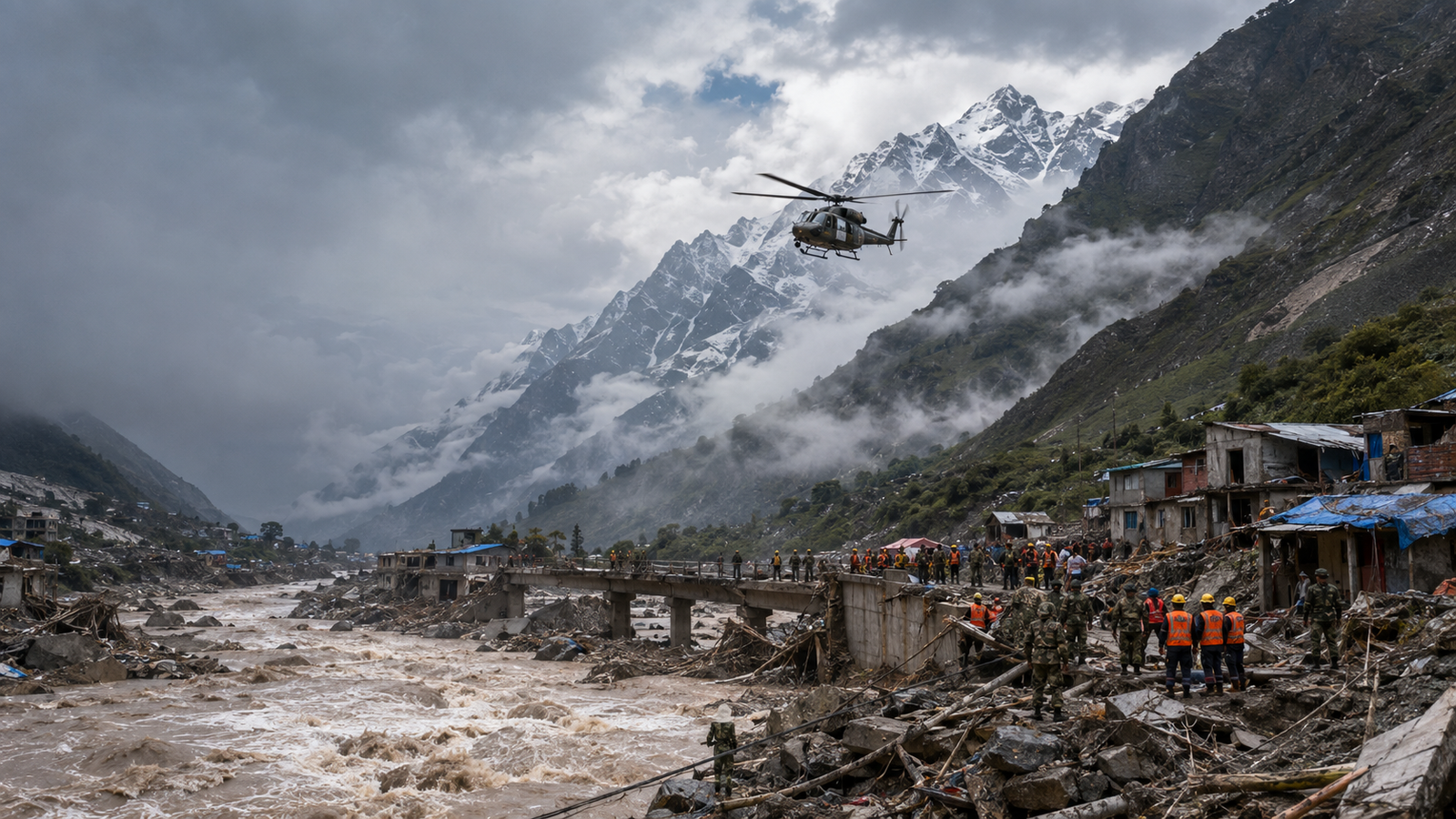
The flooding struck mountainous areas along the border between Nepal and China’s Tibet Autonomous Region, destroying infrastructure, damaging communities, and leaving hundreds dead while thousands remain missing. Rescue operations have continued under challenging conditions as authorities work to locate survivors and assess the full scale of the destruction.
For many members of Switzerland’s Nepalese and Tibetan communities, the crisis is deeply personal. Switzerland is home to sizable Nepalese and Tibetan populations, many of whom maintain close family, cultural, and economic connections with communities across the Himalayan region. Community leaders reported that news of the disaster quickly spread through social networks, prompting concern over the safety of loved ones living near affected areas.
The disaster unfolded after a massive glacial collapse and debris flow in the Himalayas triggered destructive flooding downstream. Scientists and disaster specialists continue to investigate the precise sequence of events, but early assessments indicate that huge volumes of ice, rock, mud, and water surged through river systems connecting Tibet and Nepal, devastating settlements and critical infrastructure along the route.
Emergency responders have faced enormous challenges due to damaged roads, destroyed bridges, unstable terrain, and difficult weather conditions. Helicopters, military personnel, police units, and disaster response teams have been deployed across multiple locations to search for survivors and provide aid to isolated communities.
As casualty figures continue to evolve, international attention has increasingly focused on the humanitarian consequences of the disaster. Reports indicate that large numbers of residents, workers, travelers, and foreign visitors were caught in the affected areas when floodwaters surged through valleys and transportation corridors. Several countries have also been seeking information about citizens who were traveling in the region at the time of the catastrophe.
Within Switzerland, community organizations have begun discussing ways to support relief and recovery efforts. Members of the diaspora have been sharing updates, coordinating communication with relatives, and monitoring official announcements from authorities in Nepal and Tibet. Although many families have successfully made contact with loved ones, uncertainty remains for others awaiting news from remote areas where communications infrastructure was severely damaged.
The disaster has also renewed discussion about environmental risks facing high-mountain regions. Researchers have increasingly warned that rising temperatures and changing glacier conditions could increase the likelihood of certain natural hazards across parts of the Himalayas. While experts caution that investigations into the exact causes of the recent event are ongoing, climate scientists have emphasized that warming conditions can affect glacier stability and mountain ecosystems.
The Himalayas contain some of the world’s largest concentrations of ice outside the polar regions and serve as a crucial water source for millions of people across Asia. As glaciers respond to changing environmental conditions, governments and scientific institutions have invested in monitoring systems designed to improve early warning capabilities and disaster preparedness.
The latest catastrophe has highlighted both the importance and limitations of those efforts. In many mountainous regions, steep terrain and rapidly changing conditions can leave communities vulnerable to sudden natural disasters. Experts say continued investment in monitoring technology, emergency communications, and cross-border cooperation will be critical for reducing future risks.
Meanwhile, humanitarian needs remain substantial. International organizations, government agencies, and relief groups continue assessing damage and coordinating assistance for affected populations. Thousands of people have reportedly been displaced, while many communities face long-term recovery challenges after losing homes, roads, businesses, and essential infrastructure.
For Nepalese and Tibetan residents living in Switzerland, the disaster serves as a reminder of the enduring connections that link diaspora communities with their countries and regions of origin. Even from thousands of miles away, the tragedy has generated an emotional response among people concerned for family members, cultural communities, and places they still consider home.
As rescue and recovery efforts continue, Swiss-based community groups say their focus remains on supporting those affected and maintaining hope for families still awaiting news from the disaster zone. With emergency operations ongoing and assessments continuing, the full human and economic impact of the catastrophe may not be known for some time.