Swiss Senate Backs Erasmus+ Participation as EU Treaty Debate Advances
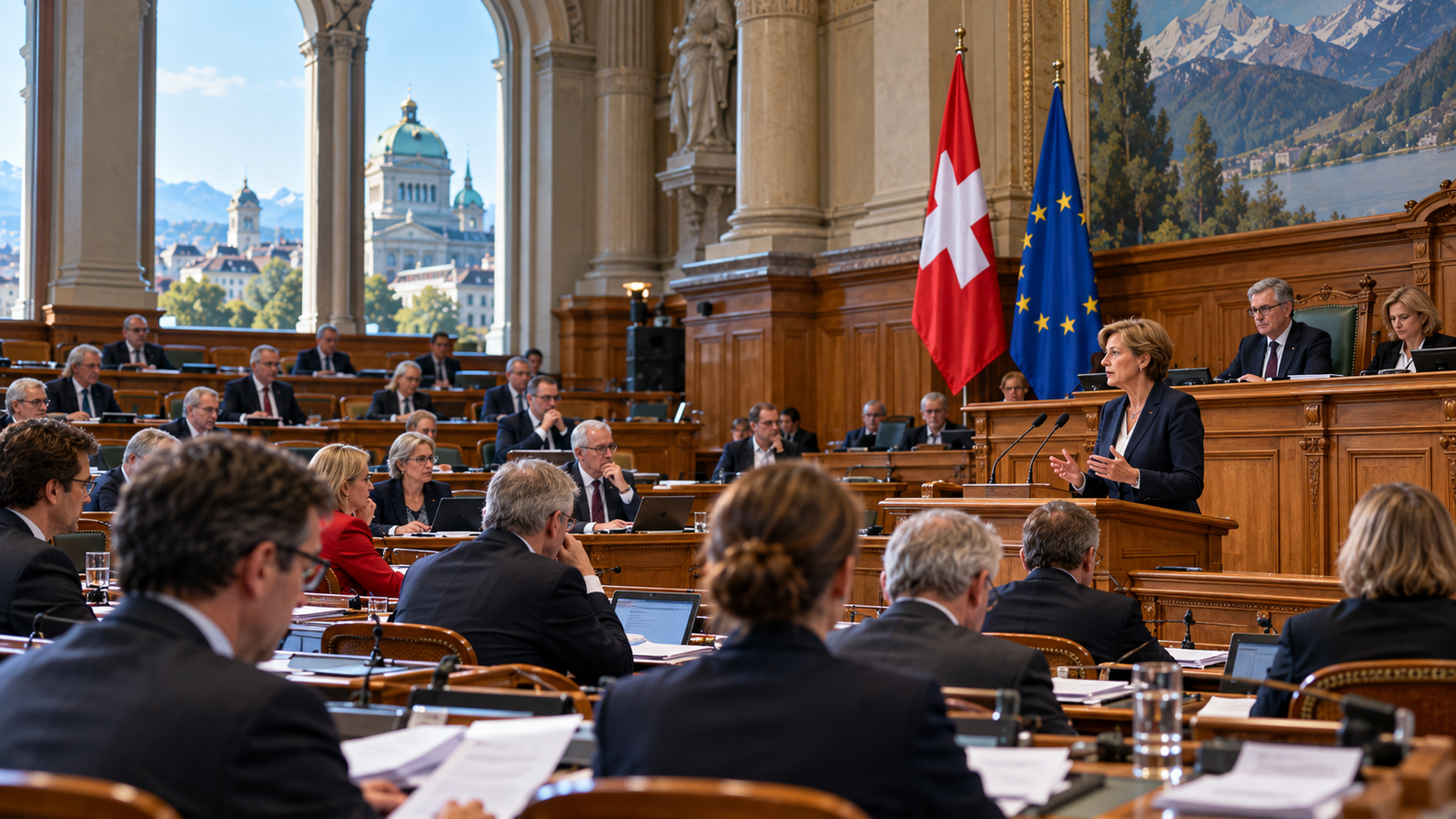
Switzerland’s upper chamber has endorsed participation in key European education and research initiatives while continuing deliberations on a broader package of agreements designed to reshape the country’s relationship with the European Union.
The Council of States approved measures linked to Switzerland’s future involvement in Erasmus+, Horizon Europe, and several other EU-backed programs as lawmakers worked through one of the most significant European policy debates the country has faced in years. The decisions represent another step forward for the comprehensive Switzerland-EU agreement package commonly known as Bilaterals III.
The vote highlights the growing importance Swiss policymakers place on maintaining access to European academic, scientific, and innovation networks while simultaneously navigating a politically sensitive discussion over sovereignty, democratic oversight, and long-term cooperation with Brussels.
Education and Research at the Center of the Debate
Among the measures approved by senators was Switzerland’s association with several European programs, including Erasmus+, the EU’s flagship student mobility initiative, and Horizon Europe, the bloc’s principal research and innovation framework. The package also covers cooperation in strategic digital technologies, nuclear research, and space-related programs.
Participation in these programs has become a major objective for Swiss universities, research institutions, and business organizations. Supporters argue that access to European research networks strengthens Switzerland’s competitiveness and helps maintain its position among the world’s leading innovation economies.
The Senate’s decision sends a positive signal to academic institutions that have pushed for deeper integration into European scientific programs after years of uncertainty surrounding Switzerland’s participation status.
Under the proposed arrangements, Switzerland would contribute financially to the European programs in exchange for full participation rights. The associated funding commitments will be addressed separately as parliamentary discussions continue.
Part of a Much Larger EU Agreement
The education and research decisions are only one component of a much broader package negotiated between Bern and Brussels.
The Bilaterals III framework seeks to update and stabilize existing agreements covering areas such as the free movement of people, land and air transport, food trade, and mutual recognition of standards and certifications. The package also contains institutional provisions intended to manage future relations between Switzerland and the EU more effectively.
Supporters within parliament argue that modernizing these agreements is necessary to protect Switzerland’s economic interests and preserve access to European markets. The EU remains Switzerland’s largest trading partner, making stable relations a priority for many business groups and political leaders.
Advocates also point to an increasingly uncertain geopolitical environment, arguing that closer cooperation with European partners offers greater stability at a time of global economic and political volatility.
Sovereignty Concerns Remain
Despite broad support among much of the political establishment, opposition to the package remains significant.
Critics argue that parts of the agreement could gradually reduce Switzerland’s ability to make independent policy decisions. One of the most debated elements involves mechanisms requiring Switzerland to update domestic legislation in response to developments in relevant EU law, subject to constitutional safeguards. Opponents describe this approach as a potential challenge to Swiss sovereignty and direct democracy.
The Swiss People’s Party (SVP), the country’s largest political party, has remained firmly opposed to the package and has repeatedly criticized closer institutional ties with Brussels. Several lawmakers from other political parties have also expressed reservations about specific aspects of the agreements.
Immigration policy, wage protection measures, and the future role of referendums have emerged as particularly contentious issues throughout the parliamentary debate.
Referendum Question Still Looms
One of the most politically significant unresolved questions concerns how the agreements will ultimately be presented to voters.
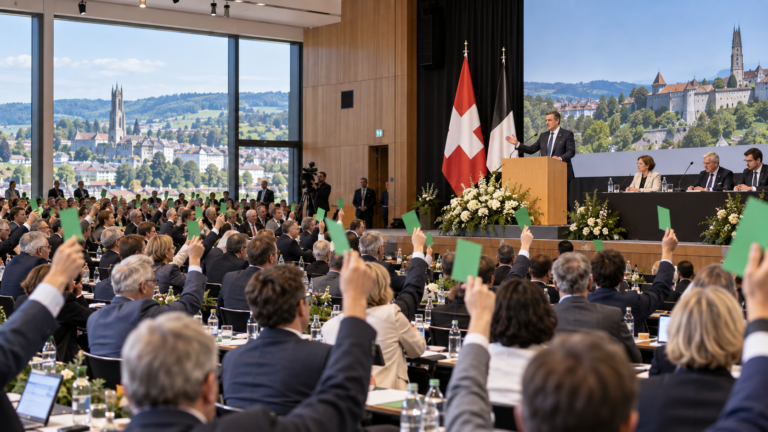
The Council of States recently supported requiring both a majority of voters and a majority of cantons to approve the EU package in a future referendum, a move that would raise the threshold for ratification. The proposal still requires approval from the National Council, Switzerland’s lower house.
If adopted, the requirement would give smaller cantons a stronger role in determining the outcome of the vote, reflecting Switzerland’s federal political structure. Supporters argue this approach is appropriate given the constitutional significance of the agreements, while critics warn it could make approval more difficult.
The referendum issue has become a central element of the wider political battle surrounding the future of Swiss-EU relations.
Why Erasmus+ Matters
For many supporters of the package, Erasmus+ has become one of the most visible symbols of the broader debate.
The program allows students, apprentices, teachers, and researchers to study, train, and work across participating European countries. Swiss universities and educational organizations have long argued that full participation would strengthen international cooperation and expand opportunities for young people.
Research organizations have made similar arguments regarding Horizon Europe, emphasizing that cross-border collaboration is increasingly important in fields ranging from medicine and engineering to artificial intelligence and climate science.
A Long Political Road Ahead
Although the Senate’s votes represent an important milestone, the legislative process is far from complete.
The package must continue through parliamentary scrutiny before any final agreement can be implemented. Under the current timetable, Switzerland would need to complete its democratic approval process by the end of 2028 to fully realize participation arrangements linked to the EU programs.
For now, the Senate’s decisions demonstrate strong support for maintaining Switzerland’s connection to European education and research networks. At the same time, the broader debate over sovereignty, democratic control, and integration with the European Union remains unresolved, ensuring that discussions over Bilaterals III will remain at the center of Swiss politics for months to come.