Swiss Football Federation Withdraws Backing for Infantino Ahead of FIFA Election
Swiss Football Federation Withdraws Backing for Infantino Ahead of FIFA Election
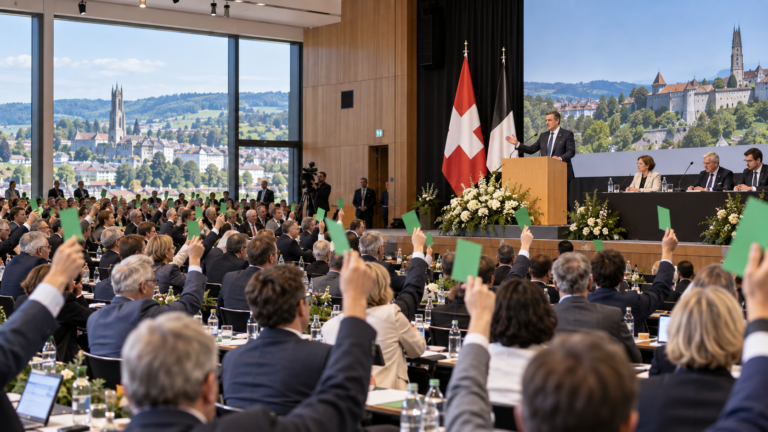
The Swiss Football Association (SFV) has withdrawn its support for FIFA President Gianni Infantino’s bid for another term, marking a significant development in the growing debate over the future leadership of world football.
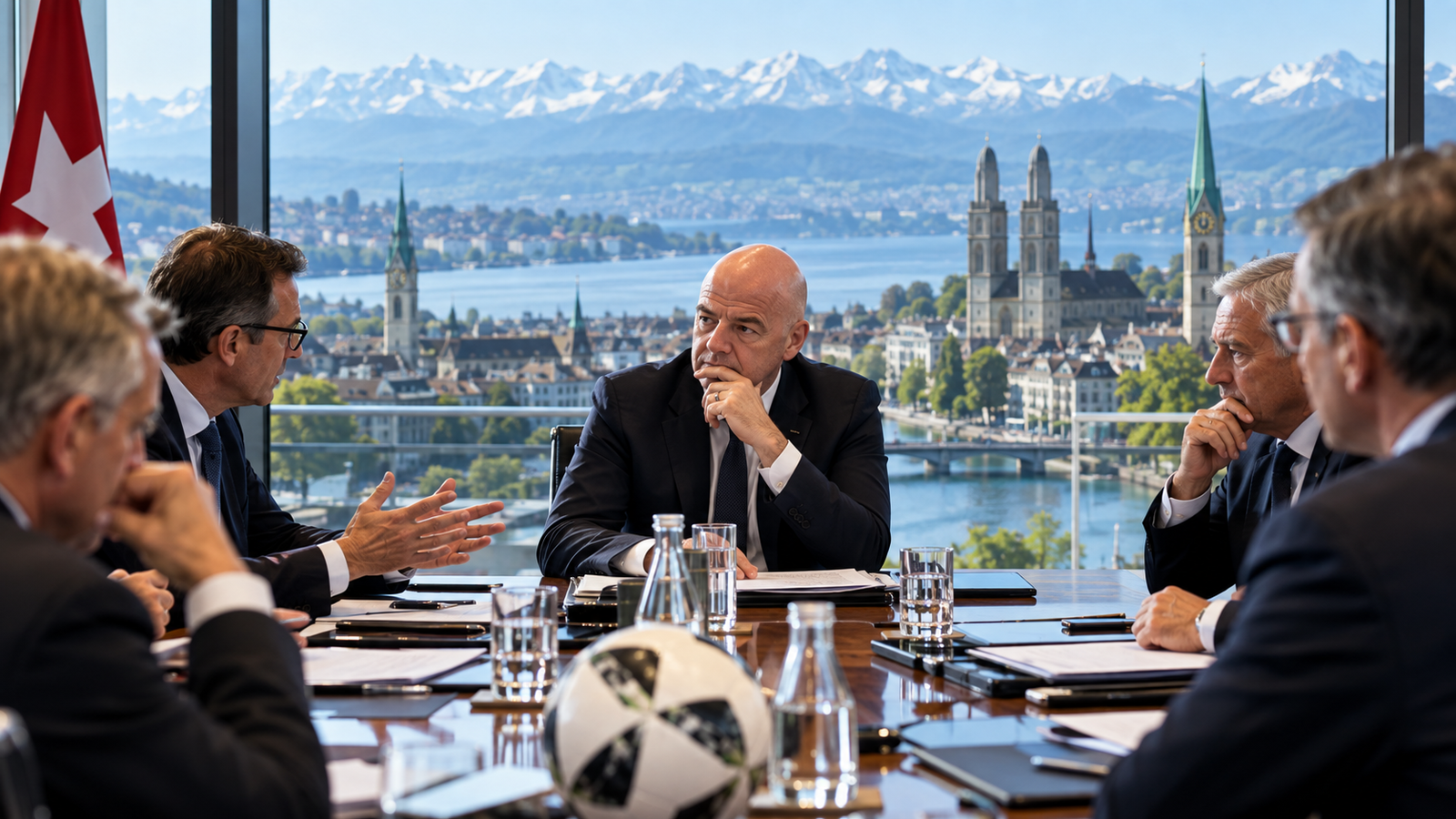
The decision carries particular symbolic weight. Infantino, who has led FIFA since 2016, is Swiss-born and has long been viewed as one of the country’s most influential figures in international sports administration. Switzerland is also home to FIFA’s headquarters in Zurich and UEFA’s headquarters in nearby Nyon.
The SFV confirmed that its executive committee reversed a decision made earlier this year to support Infantino’s candidacy for the FIFA presidential election scheduled for March 2027. Association officials said the move followed a reassessment of recent events and concerns surrounding FIFA’s governance and decision-making processes.
Concerns Over FIFA Leadership
According to statements released by the Swiss federation, recent developments have raised questions about transparency, accountability, and leadership within football’s global governing body. The organization said it could no longer justify maintaining its previous endorsement and believed key concerns had not been adequately addressed.
The withdrawal comes during a period of heightened scrutiny of FIFA’s leadership structure and strategic direction. Several football organizations across Europe have voiced concerns in recent months over governance issues, with critics arguing that decision-making has become increasingly centralized.
While the Swiss federation did not announce support for an alternative candidate, its decision reflects broader tensions within European football ahead of next year’s election cycle.
Growing Pressure Across Europe
The SFV is not the only football body to distance itself from Infantino. Reports indicate that several national associations and football leaders across Europe have reconsidered their positions in recent months amid disagreements over FIFA’s governance and long-term commercial strategy.
Much of the controversy stems from a proposal introduced earlier this year that would have involved outside investment in FIFA-related commercial assets. The plan generated criticism from football officials and stakeholders who questioned both the process and the level of consultation before the proposal was presented.
Although the initiative was later abandoned, it triggered wider debates about transparency and governance within FIFA. The fallout has continued to influence discussions among national federations and confederations worldwide.
UEFA President Aleksander Čeferin has emerged as one of the most vocal critics of FIFA’s recent direction, repeatedly calling for reforms and greater accountability. European football organizations have increasingly pushed for stronger oversight and broader participation in major decisions affecting the global game.
Infantino’s Position Remains Influential
Despite the growing criticism, Infantino remains one of the most powerful figures in world football. Since taking office in 2016 following FIFA’s corruption crisis, he has overseen major changes including expanded tournaments, increased financial distributions to member associations, and efforts to grow football in emerging markets.
Supporters argue that FIFA has generated record revenues under his leadership and expanded investment opportunities for national football associations around the world. Critics, however, contend that governance standards and transparency mechanisms have not kept pace with FIFA’s growing influence and commercial ambitions.
The FIFA president recently ordered a review of proposals related to future financial distributions and governance procedures after receiving requests from continental confederations seeking greater transparency and accountability in FIFA’s financial planning.
What Happens Next?
The withdrawal of support from Infantino’s home federation is unlikely to determine the outcome of the 2027 FIFA presidential election on its own. FIFA’s 211 member associations each hold voting rights, and support remains distributed across multiple regions including Africa, Asia, the Americas, Oceania, and Europe.
However, the Swiss decision represents a notable shift in the political landscape surrounding the election. Coming from one of football’s historic federations and the country most closely associated with FIFA itself, the move signals that concerns about governance and leadership have reached some of the sport’s most established institutions.
Attention will now turn to whether additional federations reconsider their positions and whether a challenger emerges before the nomination deadline. Several football officials and organizations have called for broader debate about FIFA’s future direction, though no major alternative candidate has formally launched a campaign.
For now, the Swiss federation’s decision underscores the increasingly complex political environment surrounding world football’s governing body. As the 2027 election approaches, governance, transparency, and institutional accountability are expected to remain central issues shaping discussions about FIFA’s future leadership.