Lake Silvaplana, Silvaplana, Switzerland
Lake Silvaplana: Switzerland’s High-Altitude Playground of Wind, Water, and Alpine Scenery
Not every Swiss lake is defined by stillness. While many alpine lakes are admired for their mirror-like reflections and peaceful shorelines, Lake Silvaplana has built its reputation on movement. Every summer afternoon, a dependable wind sweeps through the Upper Engadin Valley, transforming the turquoise waters into one of Europe’s most celebrated natural playgrounds for wind-powered sports.
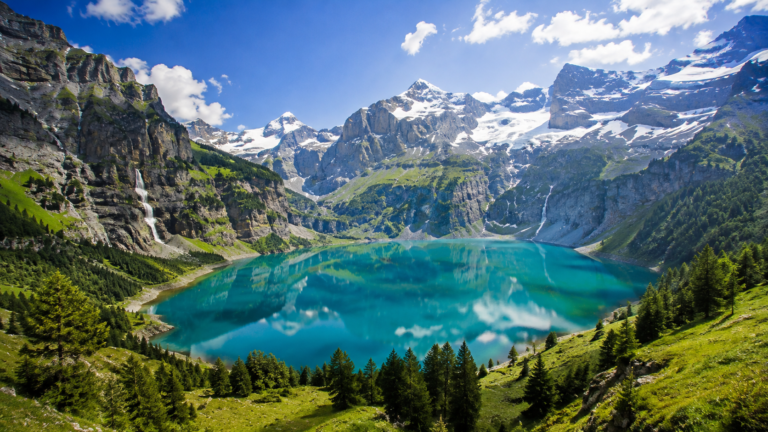
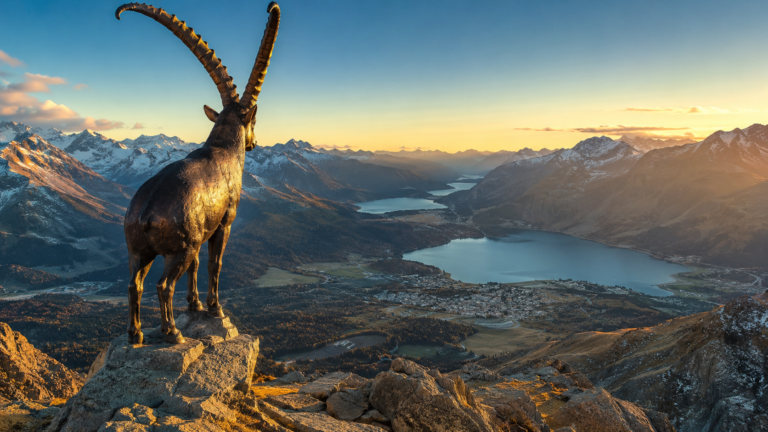
Set at high altitude in the canton of Graubünden, Lake Silvaplana occupies a spectacular position between mountain peaks, forests, and neighboring lakes. It is part of the renowned Upper Engadin lake landscape, a chain of interconnected alpine waters that has shaped both the scenery and culture of the region for thousands of years.
For visitors, Lake Silvaplana offers far more than a beautiful view. It is a destination where outdoor adventure, mountain heritage, and exceptional natural beauty come together in a uniquely Swiss setting.
A Lake Born from the Ice Age
The landscape surrounding Lake Silvaplana owes its existence to the glaciers that once dominated the Engadin Valley. As the ice retreated, it carved a broad valley and left behind a sequence of lakes connected by the Inn River system.
Historical and geological studies indicate that the Upper Engadin lakes were once more closely connected before natural deposits and landscape changes gradually shaped the distinct bodies of water seen today. The delta on which the village of Silvaplana stands helped separate the upper and lower sections of the lake system, creating the modern configuration of Lake Silvaplana, Lake Sils, and Lake Champfèr.
Today, the lake sits amid some of the most recognizable mountain scenery in southeastern Switzerland, framed by peaks including Piz Julier, Piz Surlej, and the imposing Corvatsch massif.
The Heart of the Upper Engadin
Lake Silvaplana occupies a strategic position within the Upper Engadin, one of Switzerland’s most celebrated mountain regions.
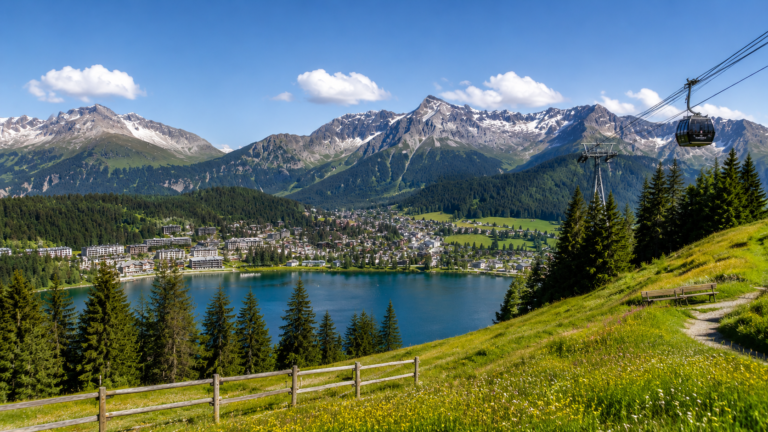
Unlike many remote alpine lakes that require lengthy hikes to reach, Silvaplana is easily accessible and closely integrated with nearby communities. The villages of Silvaplana, Surlej, and Champfèr sit along its shores, while the internationally known resort town of St. Moritz lies only a short distance away.
This location makes the lake an important center for tourism throughout the year. Visitors can enjoy mountain adventures while maintaining convenient access to transportation, accommodations, restaurants, and regional attractions.
The surrounding landscape combines forests, open meadows, rocky mountain slopes, and panoramic viewpoints that reveal the full beauty of the Engadin lake district.
The Famous Maloja Wind
Lake Silvaplana’s international reputation is largely tied to a remarkable meteorological phenomenon known as the Maloja Wind.
During sunny weather, thermal conditions in the valley generate a strong southwesterly wind that typically develops around midday and continues through the afternoon. This natural airflow creates exceptionally reliable conditions for wind-powered sports.
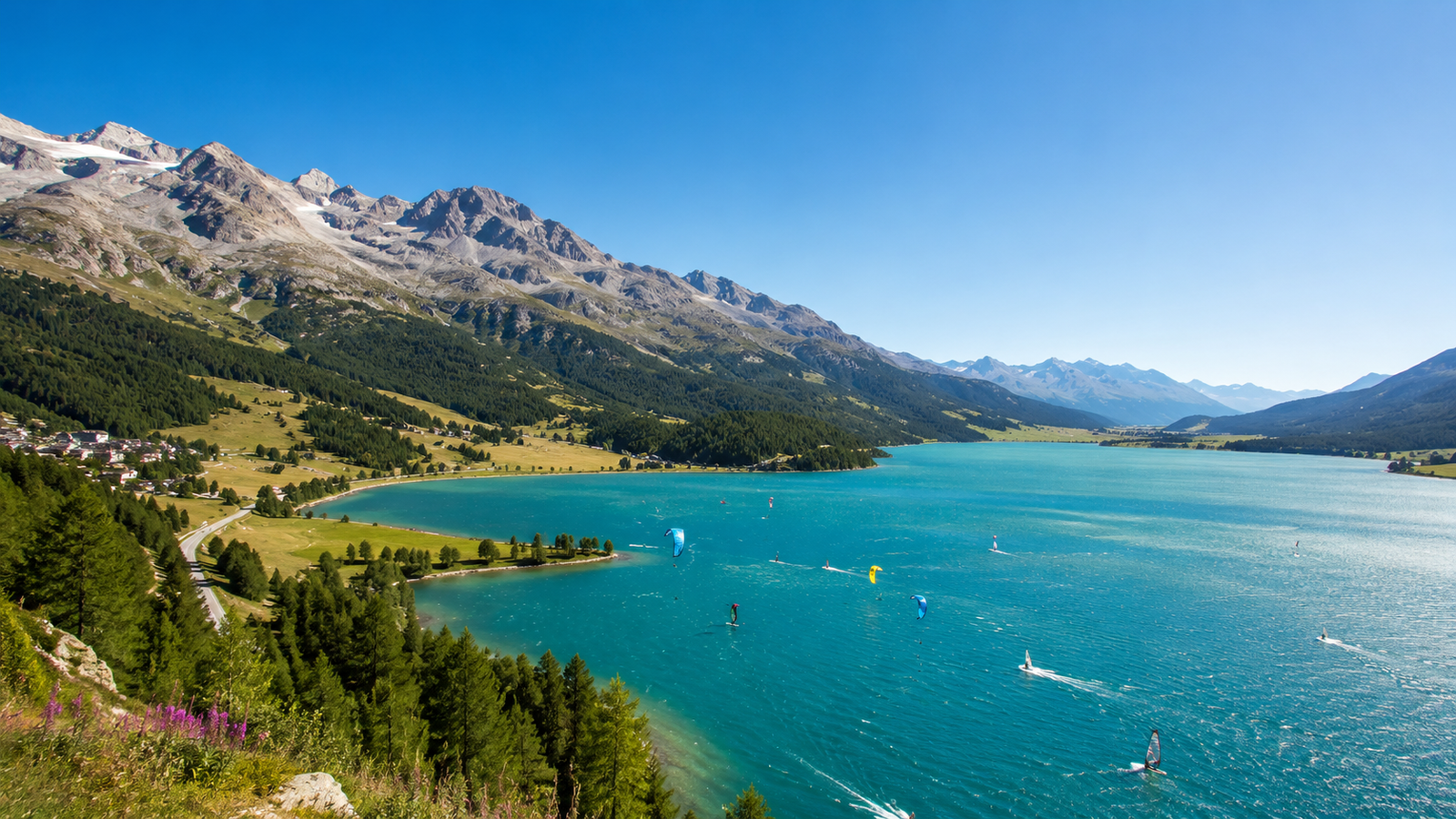
The consistency of the Maloja Wind has transformed Lake Silvaplana into one of the most recognized wind sports destinations in the Alps. On summer afternoons, dozens of colorful sails and kites often fill the horizon, creating a dynamic contrast against the surrounding mountains.
Even visitors with no intention of entering the water often find themselves lingering along the shoreline simply to watch the spectacle unfold.
Switzerland’s Premier Kitesurfing Destination
Few places in Switzerland are as closely associated with kitesurfing as Lake Silvaplana.
The lake is widely regarded as the country’s leading kitesurfing venue thanks to its reliable winds, high-altitude setting, and specialized infrastructure. The designated Kitebeach area has become a focal point for the sport, attracting enthusiasts from across Europe.
Silvaplana also occupies a special place in the history of Swiss kitesurfing. The region was home to Switzerland’s first kitesurfing school, established during the early years of the sport’s development.
The sight of brightly colored kites soaring above deep-blue water against a backdrop of snow-capped peaks has become one of the most recognizable images of summer in the Engadin.
Windsurfing Beneath the Corvatsch
Long before kitesurfing gained popularity, windsurfers had already discovered the potential of Lake Silvaplana.
The lake has been attracting windsurfing enthusiasts since the 1970s and remains one of Europe’s best-known high-altitude windsurfing locations. The predictable Maloja Wind provides ideal conditions for both experienced riders and newcomers seeking instruction.
Modern facilities along the shoreline support a wide range of water activities, including windsurfing, wing foiling, stand-up paddleboarding, and sailing. Equipment rentals and instructional programs allow visitors to participate regardless of experience level.
The combination of strong wind, clear mountain water, and spectacular scenery makes every session memorable.
Exploring the Shoreline
Although water sports dominate the lake’s image, Lake Silvaplana rewards visitors who prefer to stay on land.
Walking and cycling paths follow sections of the shoreline, providing uninterrupted views across the water toward the surrounding mountains. The changing colors of the lake—from deep blue to vivid turquoise depending on weather and sunlight—create constantly shifting scenery throughout the day.
The lakeside environment also includes picnic areas, beaches, and open spaces where visitors can relax while enjoying the fresh mountain air. Near the popular Kitebeach area, recreational facilities offer convenient access to the shoreline while preserving the surrounding natural landscape.
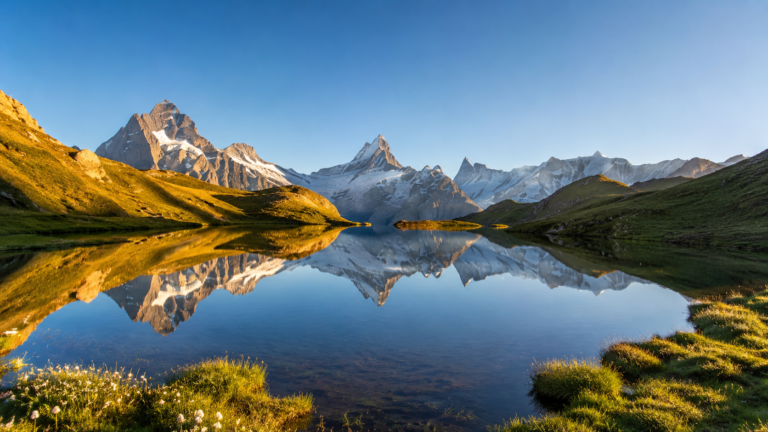
Photographers often find early morning especially rewarding, when calmer conditions produce reflections across the water before the afternoon winds arrive.
A Different Lake in Winter
One of Lake Silvaplana’s most fascinating qualities is how dramatically it changes with the seasons.
In summer, the lake is defined by wind, water, and outdoor activity. In winter, it transforms into a frozen landscape of snow and ice. The seasonal change creates opportunities for entirely different experiences, including snowkiting and winter recreation on the frozen lake surface.
The nearby Corvatsch mountain adds another dimension to winter visits. Skiers and snowboarders can access one of the region’s major mountain sports areas while still enjoying views over the frozen lake basin below.
This year-round versatility helps explain why Silvaplana remains active long after the summer season ends.
Experiencing the Engadin Through Lake Silvaplana
The appeal of Lake Silvaplana extends beyond its recreational opportunities. The lake captures many of the qualities that make the Engadin unique: expansive alpine landscapes, strong outdoor traditions, and a close relationship between nature and local life.
Visitors can spend a morning hiking above the valley, an afternoon watching world-class windsurfers ride the Maloja Wind, and an evening enjoying the peaceful atmosphere of an Engadin village. Few destinations offer such a seamless blend of adventure and scenery.
For travelers exploring southeastern Switzerland, Lake Silvaplana is more than a stop between mountain attractions. It is a destination that reveals how geography, climate, and culture have combined to create one of the Alps’ most distinctive lake landscapes.