How Swiss Chocolate Conquered the World
From an Exotic Luxury to a National Treasure
Today, Swiss chocolate is recognized in nearly every corner of the world. Whether displayed in airport boutiques, luxury department stores, or neighborhood supermarkets, the words “Swiss chocolate” instantly evoke images of quality, craftsmanship, and indulgence. Yet Switzerland did not discover cacao, nor was it the first European nation to make chocolate.
The remarkable story of Swiss chocolate is one of innovation, determination, and an unwavering commitment to perfection. Over centuries, a country better known for mountains than tropical agriculture transformed an imported delicacy into one of its most celebrated cultural exports.
The journey began long before Switzerland became the world’s chocolate capital.
When Chocolate First Arrived in Switzerland
Chocolate reached Europe after Spanish explorers encountered cacao in the Americas during the sixteenth century. For many years, chocolate remained an expensive luxury enjoyed mainly by aristocrats and wealthy merchants.
By the seventeenth century, chocolate houses had appeared in parts of Europe, and Swiss cities gradually became familiar with the new beverage. At the time, chocolate was consumed almost exclusively as a drink rather than the solid bars familiar today.
Switzerland’s growing trade connections helped introduce cacao products to cities such as Geneva, Zurich, Basel, and Lausanne. While demand existed, production remained limited and expensive. Few could have predicted that this small Alpine nation would eventually become synonymous with premium chocolate.
A Country Built for Precision
Switzerland possessed several advantages that would later prove crucial.
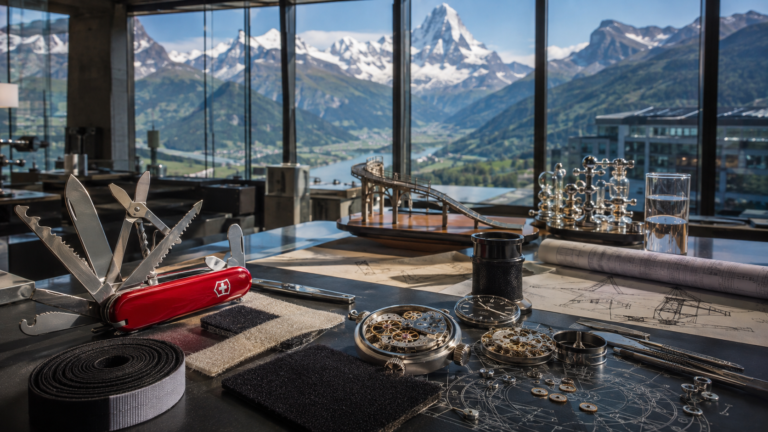
The country had a strong tradition of skilled craftsmanship. Swiss artisans had already earned international respect in industries such as watchmaking, engineering, and precision manufacturing. These same values—attention to detail, consistency, and quality—would later shape chocolate production.
Switzerland also had abundant access to high-quality milk from Alpine dairy farms. This resource would become one of the defining ingredients behind the country’s future chocolate success.
While cacao had to be imported from abroad, Swiss producers excelled at improving the manufacturing process and creating products that were smoother, richer, and more appealing than many of their competitors.
The Innovation That Changed Everything
The nineteenth century marked a turning point.
Several pioneering Swiss chocolatiers began experimenting with production techniques that would revolutionize the industry. Among the most influential was Daniel Peter of Vevey.
Working alongside developments in milk preservation pioneered by fellow Swiss entrepreneur Henri Nestlé, Peter successfully created milk chocolate during the 1870s. The addition of milk transformed chocolate’s flavor and texture, making it creamier and more accessible to a wider audience.
Milk chocolate quickly became one of Switzerland’s most important contributions to global food culture.
Another breakthrough soon followed.
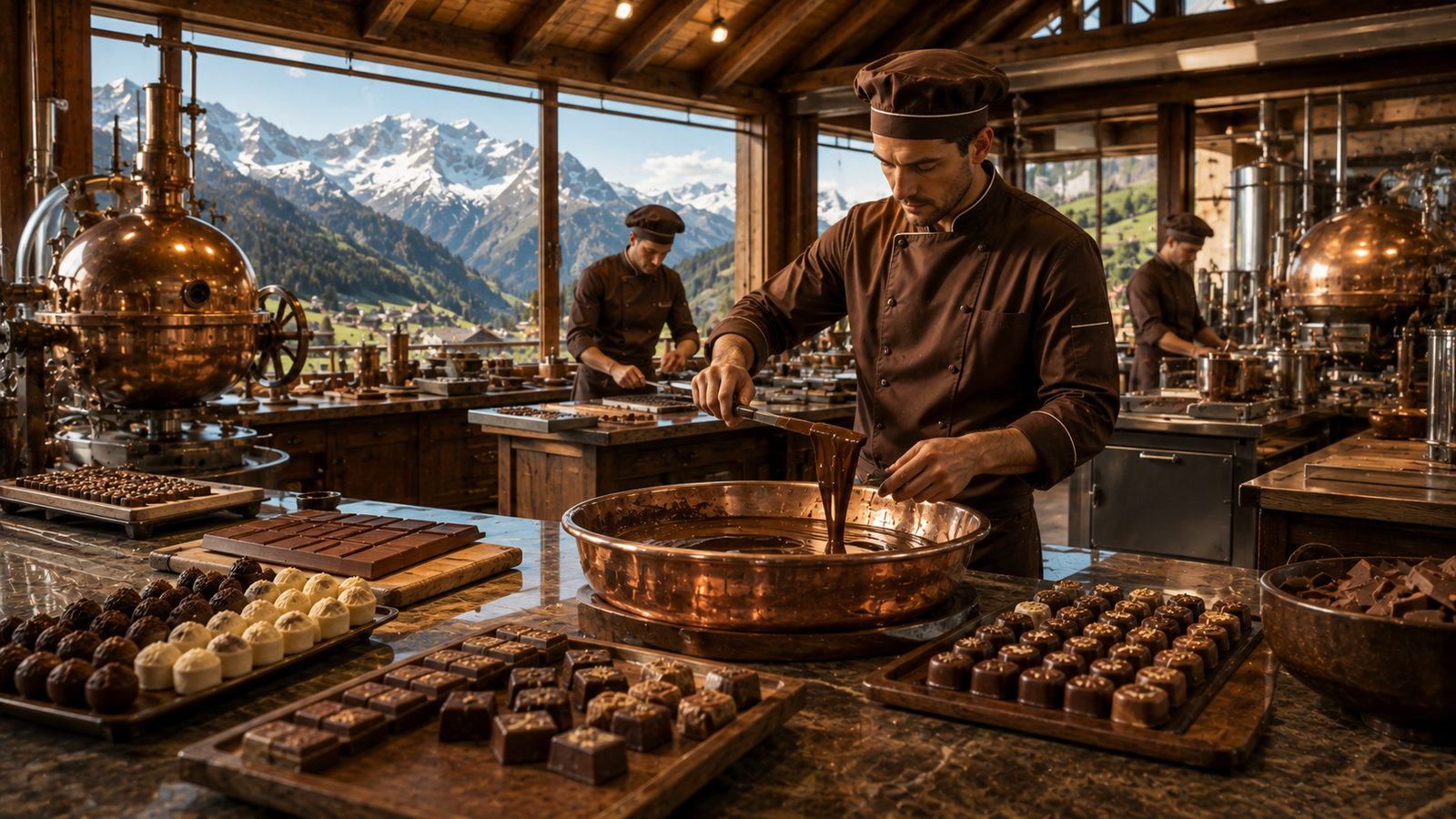
In 1879, Rodolphe Lindt of Bern developed a process known as conching. This technique involved continuously mixing and aerating chocolate for extended periods, creating a much smoother texture and refined taste.
Before conching, chocolate could be gritty and uneven. Lindt’s innovation helped create the silky texture now associated with premium chocolate worldwide.
These inventions fundamentally changed how chocolate was produced and consumed.
The Rise of Famous Swiss Chocolate Brands
As innovation accelerated, Swiss chocolate companies expanded rapidly.
Entrepreneurs transformed small workshops into internationally recognized businesses. Their names eventually became familiar far beyond Switzerland’s borders.
Companies such as Lindt, Nestlé, Tobler, Cailler, Suchard, and Sprüngli helped establish Switzerland’s reputation for excellence. Each brought distinctive products and manufacturing techniques while maintaining a commitment to quality.
One of the most recognizable creations emerged in 1908 when Theodor Tobler and Emil Baumann introduced Toblerone. Its unique triangular shape was unlike anything else on the market and quickly became a symbol of Swiss creativity.
Meanwhile, established producers continued refining recipes, sourcing better ingredients, and expanding distribution networks across Europe and beyond.
By the early twentieth century, Swiss chocolate had become an internationally respected product.
Why Swiss Chocolate Stood Apart
Success was not built on marketing alone.
Swiss chocolate earned its reputation because consumers genuinely noticed a difference.
Manufacturers emphasized carefully selected cacao beans, precise roasting techniques, strict quality controls, and innovative production methods. The country’s dairy industry supplied exceptional milk, contributing to the creamy texture that distinguished many Swiss products.
Swiss companies also invested heavily in research and development. Rather than relying solely on tradition, they continuously improved machinery, recipes, and manufacturing standards.
The result was consistency.
Whether purchased in Geneva, London, New York, or Tokyo, Swiss chocolate became known for delivering a reliable premium experience.
That trust became one of the industry’s greatest assets.
Chocolate and Switzerland’s National Identity
Over time, chocolate evolved into something larger than a successful export industry.
It became part of Switzerland’s cultural identity.
Visitors arriving in Switzerland often encounter chocolate boutiques before reaching famous mountain peaks. Chocolate festivals, factory tours, tasting experiences, and museum exhibitions attract travelers from around the world.
Destinations such as Broc, home of the historic Cailler factory, have become popular tourism attractions. Visitors can explore the history of chocolate production while learning about the innovations that shaped the modern industry.
In many ways, chocolate occupies a place alongside watches, banking, and Alpine tourism as one of Switzerland’s most recognizable international symbols.
Expanding Across the Globe
The twentieth century saw Swiss chocolate reach new markets on every continent.
Improved transportation networks allowed manufacturers to export products farther and faster than ever before. Global demand surged as rising incomes enabled more consumers to enjoy premium confectionery products.
Swiss companies established international partnerships, opened factories abroad, and expanded retail operations worldwide. Their products became fixtures in duty-free shops, luxury retailers, and specialty food stores.
At the same time, the Swiss reputation for quality continued to command respect even as competitors entered the market.
The phrase “Swiss-made” became a powerful selling point.
Consumers often associated Swiss chocolate with reliability, craftsmanship, and luxury regardless of where they lived.
The Modern Pursuit of Sustainability
The chocolate industry faces new challenges in the twenty-first century.
Consumers increasingly want to know where cacao is sourced and how farmers are treated. Environmental concerns, ethical supply chains, and sustainable agriculture have become important topics throughout the industry.
Many Swiss chocolate companies have responded by investing in responsible sourcing programs, farmer support initiatives, traceability systems, and sustainability certifications.
While challenges remain, the industry continues adapting to changing expectations without abandoning the quality standards that built its reputation.
Innovation remains as important today as it was during the nineteenth century.
A Legacy That Continues to Delight the World
The story of how Swiss chocolate conquered the world is ultimately a story of transformation.
A landlocked Alpine nation with no cacao plantations became the global benchmark for premium chocolate through creativity, technological innovation, and relentless attention to quality. Swiss pioneers reinvented how chocolate was made, developed groundbreaking production methods, and created products that captured imaginations far beyond their borders.
From the invention of milk chocolate and the refinement of conching to the rise of globally recognized brands, Switzerland reshaped an ancient food into a modern international icon.
Today, every carefully crafted Swiss chocolate bar carries echoes of that remarkable journey—one that began in modest workshops and grew into one of the world’s most celebrated culinary success stories.