Gstaad, Canton of Bern, Switzerland
Gstaad: The Swiss Alpine Retreat Where Elegance Meets Mountain Tradition
A Different Side of the Swiss Alps
Many Alpine destinations are defined by dramatic peaks or outdoor adventure alone. Gstaad stands apart because it combines spectacular mountain scenery with a refined atmosphere that has attracted visitors for generations.
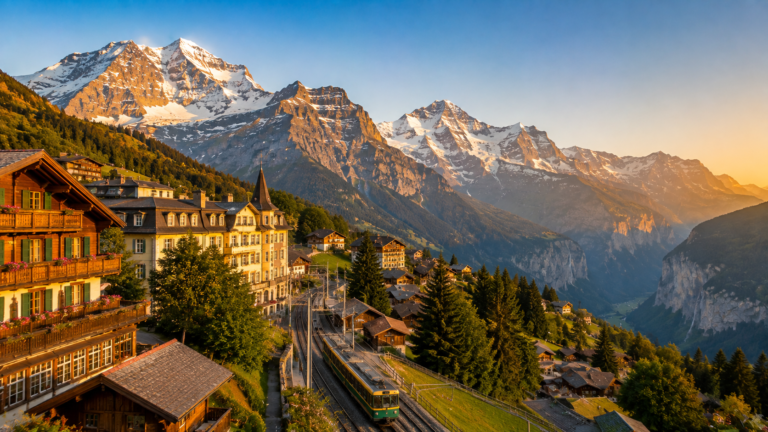
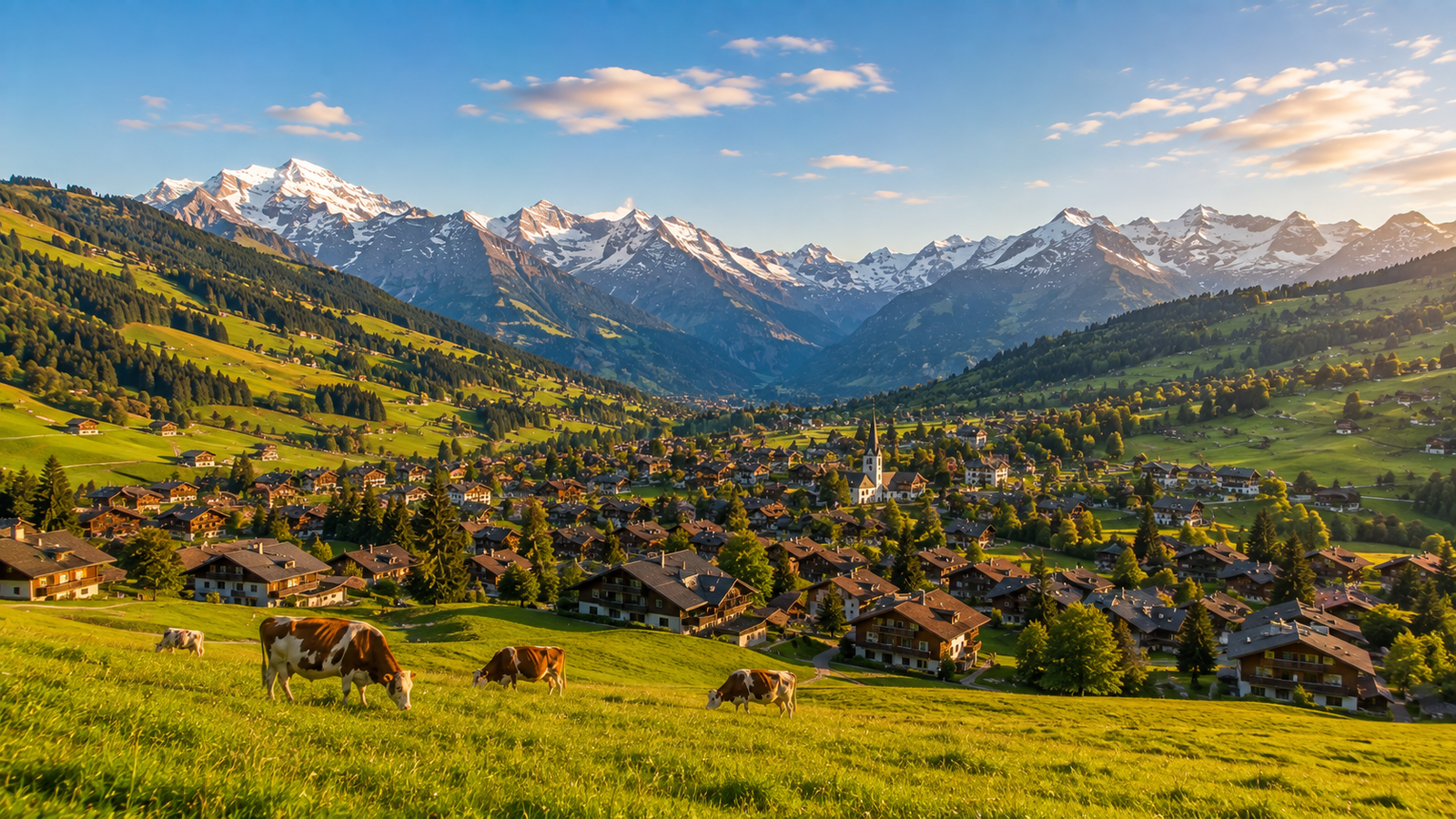
Nestled within the Saanenland region of the Bernese Oberland, Gstaad is known internationally for its elegant character, yet it remains deeply connected to its rural Alpine roots. Traditional wooden chalets line the village streets, working farms continue to shape the surrounding landscape, and mountain traditions remain visible throughout the year.
The result is a destination where luxury and authenticity coexist remarkably well. Visitors come for the scenery, stay for the atmosphere, and often leave with a deeper appreciation for a region that has successfully preserved its heritage while welcoming the world.
The Landscape That Defines Gstaad
Gstaad occupies a broad Alpine valley surrounded by rolling meadows, forests, and mountain peaks. Unlike some Swiss destinations characterized by steep cliffs and narrow valleys, the scenery here feels more open and expansive.
The surrounding terrain creates a harmonious landscape of grazing pastures, traditional farmhouses, winding trails, and forested slopes. Higher elevations reveal panoramic views extending across the Bernese Alps and neighboring mountain ranges.
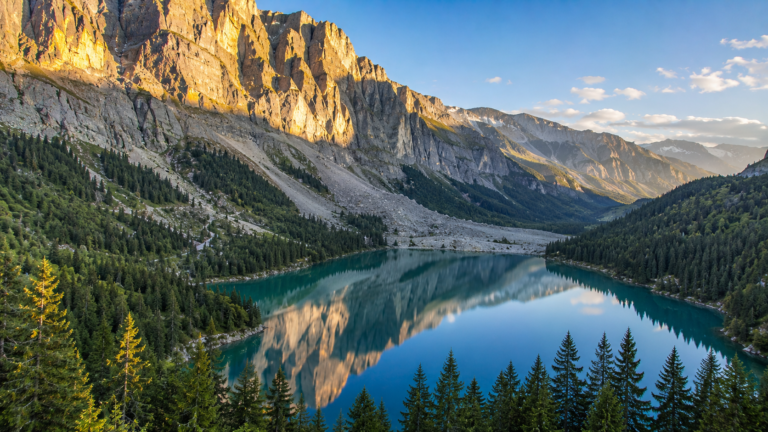
Throughout the year, the changing seasons transform the region. Spring brings fresh greenery, summer covers the hillsides with wildflowers, autumn introduces golden colors, and winter blankets the valley in snow.
This natural diversity is one of the reasons travelers return repeatedly to Gstaad.
From Farming Community to International Destination
The story of Gstaad begins as a traditional Alpine settlement whose economy was historically connected to agriculture and mountain life.
For centuries, local communities adapted to the rhythms of the mountains, relying on farming, livestock, and seasonal Alpine activities. Over time, the beauty of the region began attracting visitors seeking fresh air, scenic landscapes, and outdoor recreation.
The arrival of improved transportation connections during the nineteenth and twentieth centuries increased accessibility and helped establish Gstaad as a recognized tourism destination.
Despite international recognition today, the village has retained many of the architectural and cultural characteristics that reflect its origins.
An Architectural Identity Unlike Anywhere Else
One of Gstaad’s defining features is its commitment to preserving a distinctive Alpine appearance.
Traditional wooden chalets dominate the village center and surrounding neighborhoods. Decorative balconies, sloping roofs, and carefully maintained facades contribute to a cohesive visual identity rarely found in modern resort destinations.
Walking through the village reveals a blend of historic craftsmanship and contemporary comfort. While many buildings accommodate modern needs, they continue to respect the architectural traditions of the region.
This dedication to preserving local character plays a major role in Gstaad’s enduring appeal.
More Than a Luxury Destination
Although Gstaad is often associated with luxury tourism, reducing it to that single characteristic overlooks much of what makes the destination special.
The village attracts a wide range of travelers, including hikers, families, nature enthusiasts, photographers, and visitors interested in Swiss culture.
Public walking paths, scenic mountain trails, traditional villages, and accessible viewpoints ensure that the region can be enjoyed regardless of travel style.
The atmosphere remains welcoming rather than exclusive, allowing visitors to experience both the elegance and authenticity that define Gstaad.
Exploring the Mountains
Outdoor recreation remains central to the Gstaad experience.
An extensive network of trails connects valleys, forests, alpine meadows, and mountain viewpoints. Some routes provide gentle walks suitable for casual visitors, while others lead toward higher elevations and more challenging terrain.
The surrounding mountains offer constantly changing perspectives of the region. Each trail reveals new landscapes, whether overlooking traditional villages, forested valleys, or distant Alpine peaks.
For travelers who enjoy active exploration, Gstaad provides opportunities throughout every season.
A Destination for Every Season
One of Gstaad’s greatest strengths is its year-round appeal.
Summer attracts hikers, cyclists, and visitors seeking fresh mountain air. Alpine meadows become vibrant with seasonal vegetation, and outdoor dining areas allow travelers to enjoy the scenery in comfort.
Autumn introduces quieter conditions and beautiful natural colors that create exceptional photography opportunities.
Winter transforms the region into a snowy Alpine landscape associated with skiing, winter hiking, and mountain recreation.
Spring offers a transition period when nature awakens and the valley begins returning to shades of green.
Each season presents a different version of Gstaad while preserving the destination’s unmistakable charm.
Local Culture and Alpine Heritage
The cultural identity of Gstaad remains closely linked to the traditions of the Bernese Oberland.
Local customs, agricultural practices, regional cuisine, and seasonal celebrations continue to play important roles in community life. Visitors frequently encounter evidence of this heritage in the surrounding countryside, where farms and traditional Alpine landscapes remain active parts of the region.
The balance between preserving tradition and welcoming international visitors has helped maintain a strong sense of place.
This authenticity distinguishes Gstaad from destinations that have become disconnected from their historical roots.
Discovering the Wider Saanenland Region
While Gstaad itself attracts considerable attention, the surrounding Saanenland region contributes significantly to the overall experience.
Nearby villages, mountain pastures, scenic roads, and elevated viewpoints reveal additional perspectives on the landscape. Exploring beyond the village center allows travelers to appreciate the diversity of the region and its connection to traditional Alpine life.
The broader area offers opportunities for sightseeing, photography, cultural exploration, and outdoor recreation that extend far beyond a single destination.
Arriving in Gstaad
Part of Gstaad’s appeal lies in the journey itself.
The village is connected to Switzerland’s renowned transportation network, making travel through the region both convenient and scenic. Rail journeys in particular provide memorable views of valleys, forests, rivers, and mountain landscapes.
Upon arrival, visitors immediately notice the village’s relaxed atmosphere and carefully preserved appearance.
Unlike larger urban destinations, Gstaad encourages travelers to slow down and engage with their surroundings.
Helpful Tips for Visitors
Comfortable walking shoes are recommended, as many of the most rewarding experiences involve exploring on foot.
Mountain weather can shift quickly, even during summer months, making layered clothing a practical choice throughout the year.
Visitors should also dedicate time to exploring areas beyond the village center. Some of the region’s most impressive views are found along trails, mountain routes, and less-traveled viewpoints.
Early morning and evening light often provide the most spectacular scenery for photography.
Why Gstaad Continues to Captivate Travelers
The enduring popularity of Gstaad stems from its ability to offer something increasingly rare in modern tourism: balance.
It combines luxury with authenticity, international recognition with local tradition, and outdoor adventure with relaxation. Visitors can spend a day hiking through Alpine landscapes and an evening enjoying the comforts of a sophisticated mountain village.
Few destinations achieve this blend as naturally as Gstaad.
The Enduring Appeal of Gstaad
Gstaad remains one of Switzerland’s most distinctive mountain destinations because it never relies on a single attraction. Instead, it offers a complete Alpine experience shaped by beautiful landscapes, traditional architecture, rich cultural heritage, and a welcoming atmosphere. Whether arriving for outdoor adventure, scenic relaxation, or a deeper appreciation of Swiss mountain life, travelers discover a destination that represents the timeless elegance of the Alps.