New Book Traces Ian Fleming’s Swiss Love Story Before the Birth of James Bond
Long before he created the world’s most famous fictional spy, Ian Fleming spent a formative period in Switzerland that included language studies, Alpine adventures, and a romance that would leave a lasting mark on his life. A newly published travel guide is now bringing renewed attention to those Swiss years, inviting readers to explore the locations that shaped the future author of the James Bond novels.
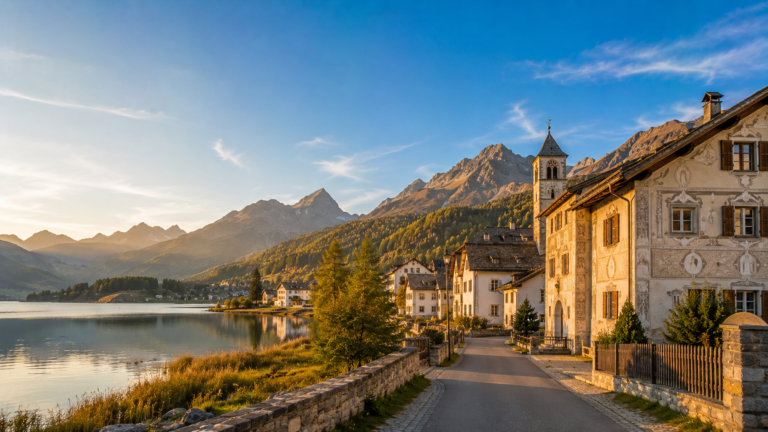
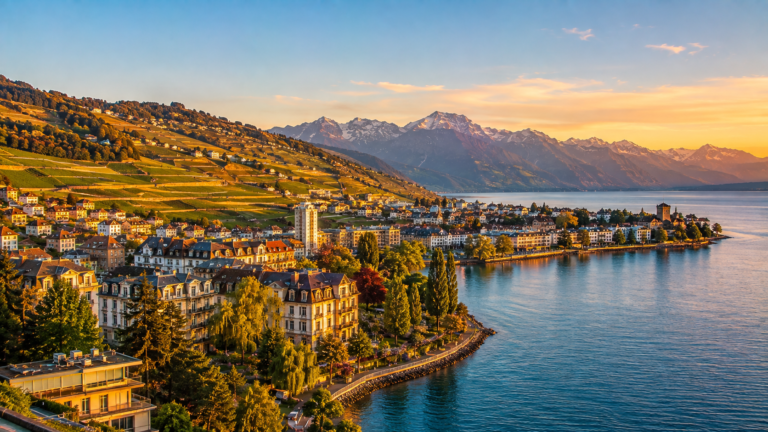
The guide, published in English and French, focuses on Fleming’s connections to western Switzerland and the Lake Geneva region during the early 1930s. Rather than concentrating on the global success of the Bond franchise, the book follows the young Fleming before literary fame, tracing his movements through Geneva, Coppet, Vich, Lausanne, and other locations associated with his time in Switzerland.
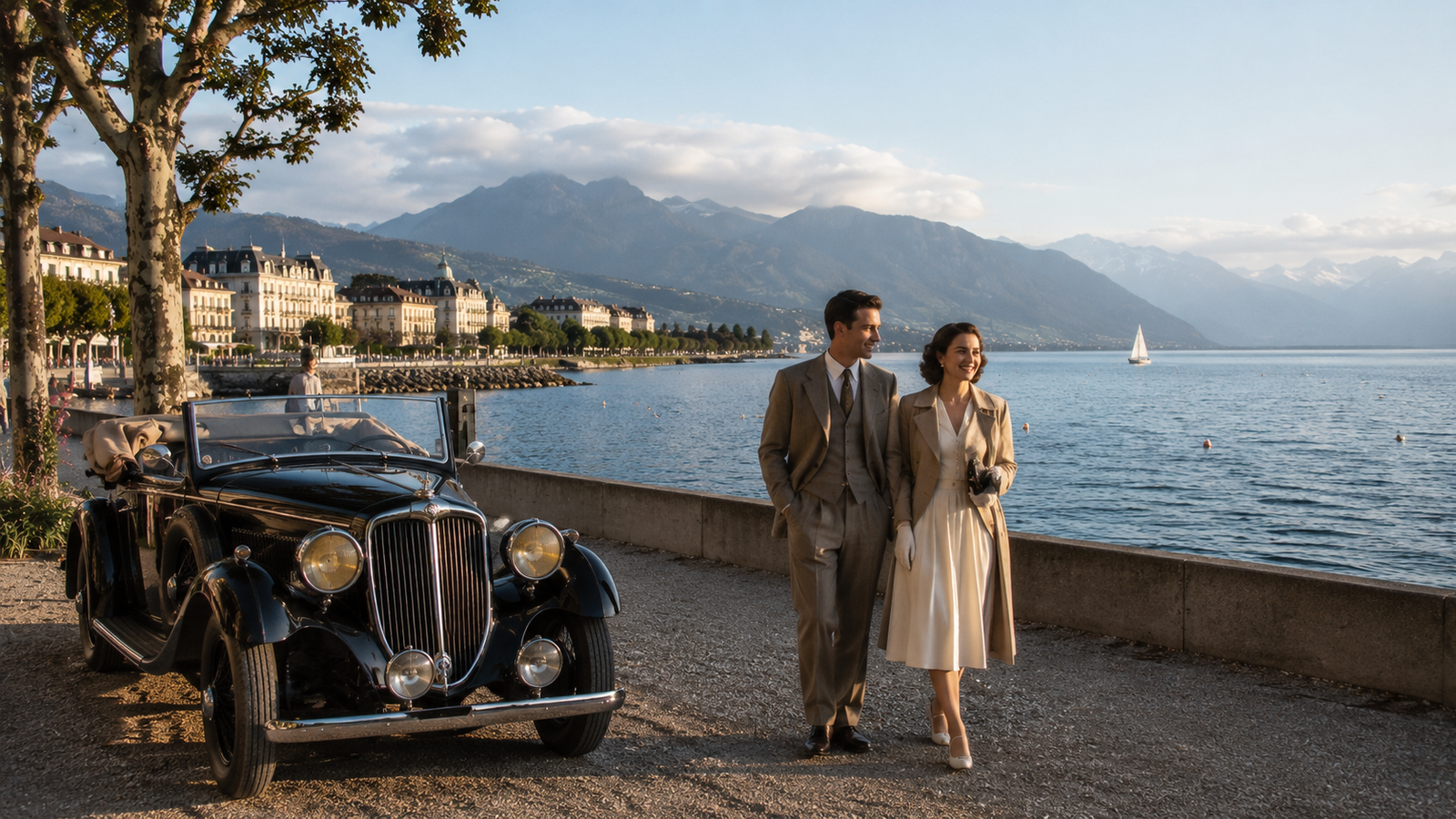
According to reports about the publication, one of its central themes is Fleming’s relationship with Monique Panchaud de Bottens, a young woman from the canton of Vaud. The relationship reportedly developed into an engagement before the couple eventually separated. Author Cornelius Schregle, who researched Fleming’s Swiss connections, describes the romance as a key thread linking many of the places featured in the guide.
The story offers a glimpse into a lesser-known chapter of Fleming’s life. While the British writer is primarily remembered for creating James Bond in the 1950s, his years in continental Europe played an important role in shaping his worldview. Historical accounts show that Fleming studied languages in Europe and spent time in Geneva as he prepared for a possible diplomatic career. He also attended classes at the University of Geneva and completed work connected to the League of Nations, the predecessor to today’s United Nations system.
Researchers have long noted the influence Switzerland had on Fleming’s imagination. The country appears repeatedly throughout the Bond novels, and several Bond stories feature Swiss landscapes, Alpine settings, skiing sequences, and characters connected to the country. Fleming himself developed a passion for skiing and mountain environments during his younger years in central Europe, interests that later found their way into his fiction.
The relationship with Monique Panchaud has attracted particular interest among Fleming historians. Earlier Swiss and international research suggested that she may have inspired aspects of Bond’s fictional family background. Some scholars and authors have argued that Fleming drew on his personal experiences in Switzerland when creating elements of the Bond universe, including the decision to give James Bond Swiss family connections. Fleming later revealed in his novels that Bond’s mother came from the canton of Vaud.
The new guide also highlights how Switzerland remained present throughout Fleming’s life and literary career. Locations around Lake Geneva, along with mountain resorts and Alpine landscapes, appeared in his imagination long after he left the country. Switzerland would eventually become one of the most recognizable international settings associated with the Bond franchise, appearing both in novels and in several major film productions.
For literary enthusiasts, the publication offers more than biography. The guide combines historical photographs, contemporary images, maps, archival material, and references to Fleming’s work, allowing readers to connect real-world locations with episodes from the author’s life. Many of the featured sites remain accessible today, transforming the project into both a cultural study and a travel itinerary.
The renewed focus on Fleming’s Swiss years reflects broader interest in understanding the personal experiences behind iconic literary creations. While James Bond has become a global cultural phenomenon spanning novels, films, television, and gaming, scholars continue to explore how Fleming’s travels, relationships, and early adulthood shaped the character and the world surrounding him.
Geneva occupies a particularly important place in that story. Before embarking on careers in journalism, intelligence work, and eventually fiction writing, Fleming spent time in the city refining his language skills and gaining international experience. Historians note that this exposure to diplomacy, international politics, and cross-border networks may have contributed to the global outlook that later defined his novels.
The publication arrives at a time when literary tourism continues to grow in popularity. Readers increasingly seek opportunities to visit locations associated with famous authors and fictional characters. Switzerland already attracts Bond fans because of its role in the franchise’s history, but the guide shifts attention away from the fictional spy and toward the young writer whose experiences helped create him.
More than six decades after Fleming’s death, the enduring fascination with his life demonstrates that interest in James Bond extends far beyond espionage adventures. The Swiss chapter of his story reveals a young man shaped by travel, education, personal relationships, and cultural encounters. By retracing those paths around Lake Geneva, the new guide offers readers a closer look at the experiences that preceded one of the most successful literary creations of the twentieth century.