Zurich Unveils Switzerland’s First Queer Memorial Honoring Victims of Discrimination
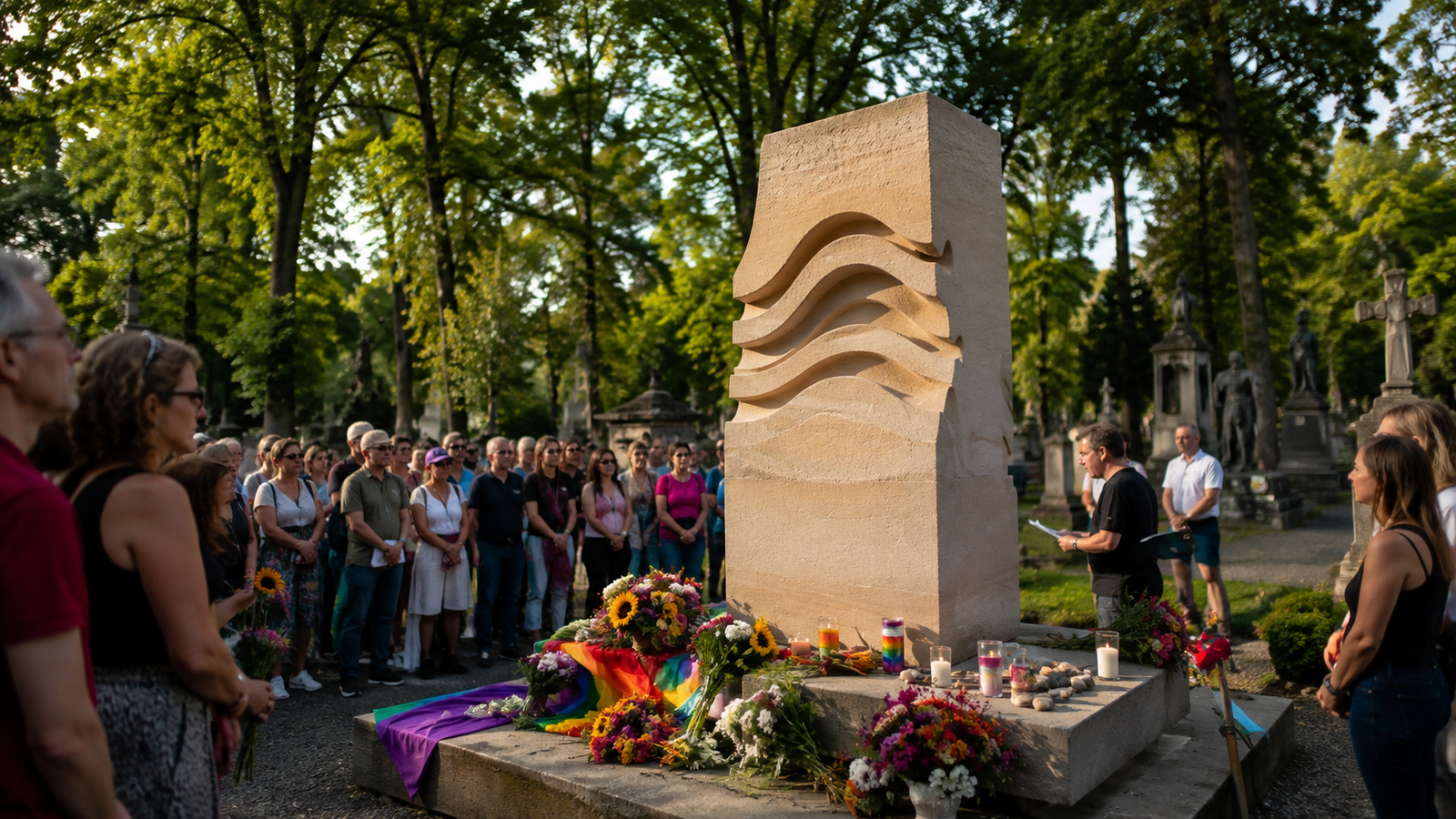
Zurich has inaugurated what is being described as Switzerland’s first queer memorial, marking a significant moment in the country’s ongoing recognition of LGBTQ communities and their place in national history. The memorial was officially unveiled at Sihlfeld Cemetery on August 20, creating a permanent public space dedicated to those who lost their lives due to anti-queer violence, discrimination, and social exclusion, while also recognizing generations of activists who fought for greater equality and visibility.
The project was developed with support from community organizations and local authorities in Zurich. According to organizers, the memorial serves both as a place of remembrance and as a symbol of the progress achieved through decades of advocacy. The monument honors individuals who experienced persecution because of their sexual orientation, gender identity, or perceived difference, while highlighting the broader struggle for human rights and social acceptance.
The inauguration ceremony attracted community representatives, activists, supporters, and members of the public. Organizers emphasized that the memorial is intended not only to commemorate past suffering but also to encourage reflection on ongoing challenges facing LGBTQ people in Switzerland and beyond. Public remembrance initiatives of this kind have become increasingly common across Europe, where cities have sought to acknowledge historical injustices affecting minority communities.
The new memorial arrives against the backdrop of a long and often complex history for LGBTQ people in Switzerland. While the country is frequently viewed as progressive today, acceptance and legal protections developed gradually over many decades. Historical records show that Zurich played an important role in the evolution of LGBTQ culture and activism during the twentieth century. The city became a center for organizing, publishing, and community-building at a time when many European countries maintained severe restrictions on same-sex relationships and LGBTQ expression.
Switzerland’s legal and social landscape has changed significantly in recent decades. LGBTQ advocacy groups helped drive reforms that expanded legal protections and reduced discrimination. Public attitudes also evolved as activists, community organizations, and political leaders pushed for equal treatment and greater recognition. Milestones included the development of Pride events, anti-discrimination efforts, and the eventual legalization of same-sex marriage, which came into force in 2022 following strong public support in a national referendum.
Supporters of the memorial argue that public recognition remains important despite these advances. They note that progress has not erased the experiences of people who faced rejection, violence, or exclusion in earlier generations. Memorials, they say, help preserve collective memory and ensure that difficult chapters of history are not forgotten.
The Zurich monument is also intended to recognize individuals who devoted their lives to improving conditions for LGBTQ communities. Organizers have stressed that the memorial commemorates not only victims but also those who demonstrated courage in challenging discrimination and advocating for equal rights. This dual purpose reflects a broader effort to balance remembrance with recognition of resilience and social change.
The unveiling comes during a period of continued discussion about inclusion and equality across Switzerland. Although major legal reforms have been enacted, advocacy groups continue to monitor issues such as discrimination, hate incidents, social acceptance, and equal access to services. Community organizations argue that visible public symbols can contribute to education and awareness while reinforcing a commitment to equal treatment.
Zurich has long occupied a unique place within Switzerland’s LGBTQ history. Researchers and historians point to the city’s role as an early center of queer social and political activity, including the emergence of influential organizations and publications during the twentieth century. Pride celebrations, cultural initiatives, and activism in Zurich helped shape broader national conversations about equality and civil rights.
For many supporters, the memorial represents both a tribute to the past and a statement about the future. By establishing a permanent public site dedicated to remembrance, Zurich is joining other cities that have sought to formally recognize the contributions and experiences of LGBTQ communities within the broader historical record.
As visitors begin to engage with the new monument, city officials and community leaders hope it will serve as a place for reflection, education, and dialogue. The memorial’s message extends beyond a single community, emphasizing the importance of dignity, inclusion, and respect for all people regardless of identity. Its creation marks a notable chapter in Switzerland’s evolving social history and underscores how public memory continues to shape contemporary discussions about equality and human rights.