Switzerland and China Reach Trade Breakthrough as Tariffs Near Elimination
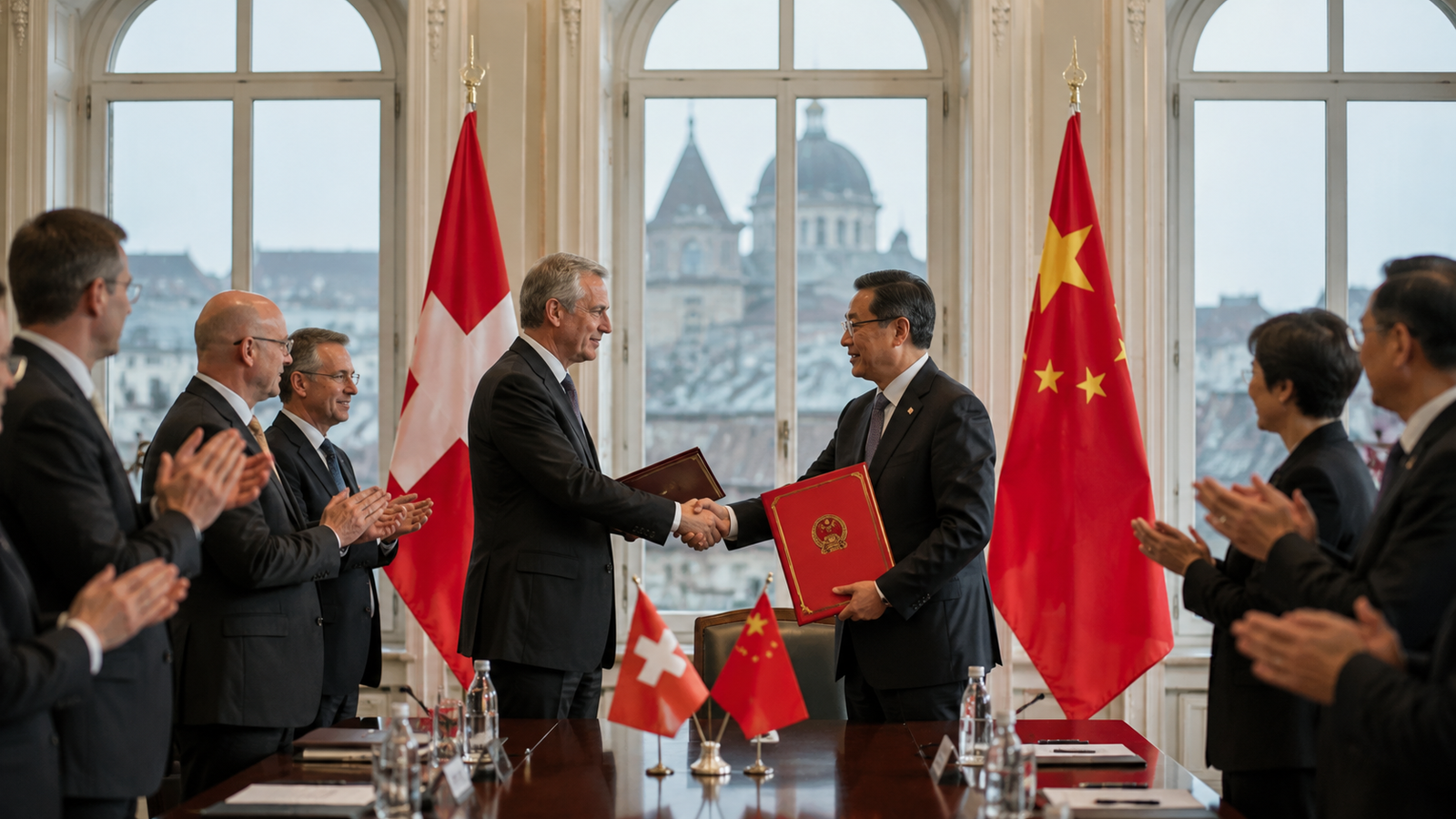
Switzerland and China have concluded negotiations on a major upgrade to their bilateral free trade agreement, paving the way for nearly all Swiss exports to enter the Chinese market without customs duties and marking one of the most significant trade developments for Swiss businesses in more than a decade. The agreement is expected to deepen economic ties between the two countries at a time when global trade relationships are increasingly shaped by geopolitical tensions and shifting tariff policies.
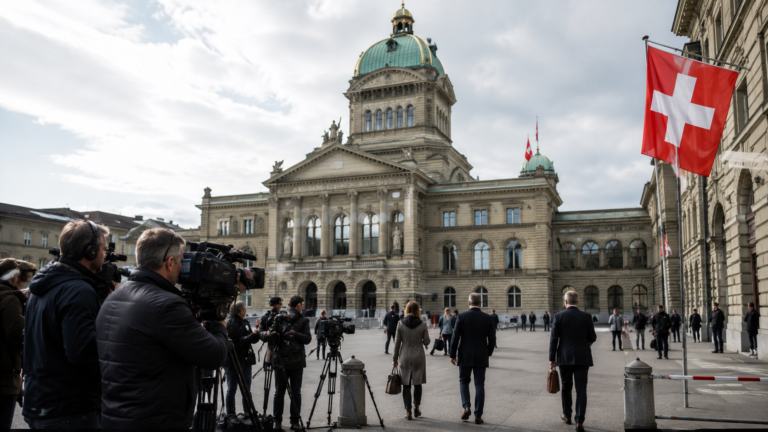
The breakthrough was announced following negotiations between Swiss and Chinese officials in Bern. Under the revised framework, 99.8% of current Swiss exports will eventually qualify for duty-free access to China, a dramatic increase from the existing arrangement, under which only about half of Swiss exports benefit from comparable tariff treatment. Swiss authorities described the outcome as a significant improvement in market access for domestic companies seeking growth opportunities in Asia.
The original Switzerland–China Free Trade Agreement entered into force in 2014, making Switzerland the first continental European country to secure such a deal with Beijing. While the agreement helped expand bilateral commerce over the past decade, Swiss exporters have long argued that tariff disparities limited the full potential of the relationship. Chinese products already enjoyed broad duty-free access to Switzerland, while many Swiss goods continued to face tariffs when entering China. The new agreement is designed to reduce that imbalance.
Trade between the two countries has expanded substantially since the original pact took effect. According to Swiss trade figures, bilateral commerce has grown from roughly CHF 31.7 billion in 2015 to more than CHF 51 billion in 2025. China is now Switzerland’s third-largest trading partner after Germany and the United States, making access to the Chinese market increasingly important for Swiss exporters.
Several sectors are expected to benefit directly from the updated arrangement. Switzerland’s pharmaceutical industry, chemical manufacturers, precision engineering firms, medical technology companies and watchmakers all maintain significant commercial interests in China. Reduced tariffs could improve price competitiveness and potentially increase demand for Swiss products in one of the world’s largest consumer and industrial markets.
The revised agreement extends beyond customs duties. Negotiators also reached understandings on rules of origin, customs facilitation procedures, trade in services, digital commerce, competition policy and technical cooperation. These provisions are intended to simplify cross-border business operations and reduce administrative barriers that can affect exporters even when tariffs are low.
For Switzerland, the timing of the agreement carries additional significance. Swiss policymakers have spent the past several years working to diversify export opportunities amid growing uncertainty in global trade. Recent tariff disputes involving major economies have increased concerns about market access and supply-chain resilience. Expanding preferential access to China offers Swiss companies another avenue for growth during a period of heightened economic competition.
The negotiations also reflect a broader effort by both countries to modernize an agreement originally designed for a different economic environment. When the 2014 treaty was signed, digital trade, technological competition and supply-chain security were less prominent policy concerns than they are today. The updated framework seeks to address those changes while preserving the trade benefits that have developed over the past decade.
Supporters of the deal argue that enhanced market access could strengthen Switzerland’s export-driven economy, which depends heavily on international trade. Swiss businesses have consistently identified China as a critical market for future expansion, particularly in high-value manufacturing sectors where Swiss companies hold strong global reputations. Improved tariff conditions may provide a competitive advantage over exporters from countries that lack comparable trade arrangements with Beijing.
However, the agreement is also likely to attract scrutiny. Relations between Western countries and China have become increasingly complex, encompassing not only economic interests but also discussions about technology, security, human rights and supply-chain dependencies. Some observers have argued that future trade agreements must balance economic opportunities with broader strategic considerations. Those debates are expected to continue as Switzerland reviews and ratifies the finalized text.
Before the agreement can take effect, legal reviews must be completed and formal signing procedures finalized. The treaty will then move through the domestic approval processes required in both countries. Swiss officials have indicated that the legal review is expected to be completed later this year, with formal ratification following afterward.
For now, the successful conclusion of negotiations represents a major milestone in Switzerland’s trade policy. By securing duty-free access for virtually all current exports to China, Swiss negotiators have achieved one of their principal objectives in the modernization process. If implemented as planned, the agreement could reshape trade flows between the two countries for years to come, strengthening Switzerland’s position in one of the world’s most important markets while reinforcing a bilateral economic relationship that has steadily expanded over the past decade.