New Swiss Nuclear Plant Could Carry Price Tag of Up to CHF43 Billion, Study Finds
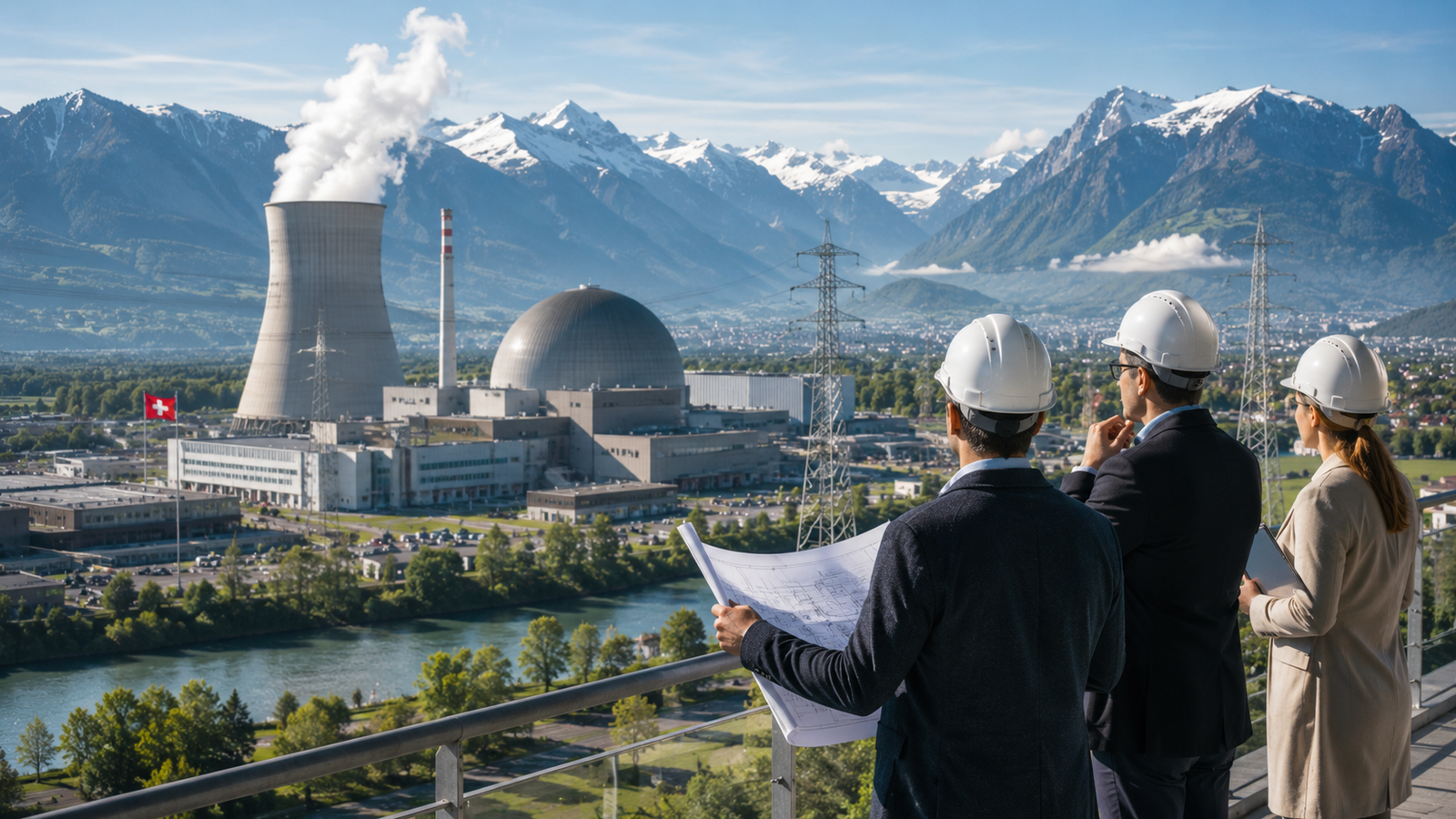
The financial scale of a potential return to nuclear power in Switzerland has come into sharper focus following the release of a new report suggesting that a future nuclear power station could cost anywhere from CHF14 billion to CHF43 billion. The findings arrive as policymakers, industry leaders, and voters continue to debate how the country should secure reliable electricity supplies while pursuing long-term climate goals.
The report, prepared under the umbrella of the Swiss Academies of Arts and Sciences, provides one of the most comprehensive estimates to date of what it would take financially to construct a new generation of nuclear capacity in Switzerland. Researchers examined multiple scenarios, reflecting differences in reactor technology, project design, financing conditions, and construction risks. Their conclusions reveal a wide range of potential outcomes, underscoring the uncertainty surrounding major nuclear infrastructure projects.
The timing of the study is significant. Switzerland has spent more than a decade operating under an energy strategy shaped by the aftermath of the 2011 Fukushima disaster in Japan. In 2017, Swiss voters approved legislation that effectively prevented the construction of new nuclear power plants while allowing existing reactors to continue operating as long as they meet safety requirements. However, growing concerns over energy security, electricity imports, and decarbonization have revived discussions about the role nuclear power could play in the country’s future energy mix.
Supporters of nuclear energy argue that the technology offers stable, low-carbon electricity production that can complement hydropower and renewable energy sources. Switzerland already relies heavily on hydropower, while its remaining nuclear reactors continue to provide a substantial share of national electricity generation. Advocates say future demand from electrification, digital infrastructure, and industry may require additional dependable generation capacity beyond what intermittent renewable sources can provide.
Yet the report’s cost estimates illustrate why the issue remains controversial. Even the lower end of the projected range would represent one of the largest infrastructure investments in modern Swiss history. At the upper end, the price could exceed CHF43 billion, placing enormous pressure on investors, utilities, policymakers, and consumers. Questions remain about who would ultimately bear the financial burden and whether public support mechanisms would be required.
The debate is not solely about construction expenses. Large-scale nuclear projects around the world have often faced challenges involving delays, financing complexities, regulatory requirements, and cost overruns. Energy economists frequently point to these factors when assessing the viability of new projects. At the same time, supporters note that modern reactor designs and improved project management practices may help reduce some of the risks associated with previous generations of nuclear construction.
Another important factor is timing. Even if political approval were secured in the near future, experts widely agree that a new Swiss nuclear power station would take many years—potentially decades—to become operational. Legislative changes, environmental reviews, licensing procedures, financing arrangements, public consultations, and construction would all need to occur before electricity could be delivered to the grid. Several analysts have suggested that commercial operation before the 2040s would be difficult to achieve.
Proponents argue that long development timelines should not discourage planning. They contend that energy infrastructure decisions must be made with future generations in mind rather than focusing solely on immediate needs. According to studies examining the economic impact of nuclear investments, new plants can generate substantial domestic economic activity through construction spending, supply chains, and long-term operations. Supporters also point to the potential value of maintaining a diversified energy portfolio in an increasingly uncertain geopolitical environment.
Critics counter that rapidly expanding renewable energy technologies, energy storage systems, and grid modernization may provide more cost-effective solutions. They argue that the billions required for a nuclear project could instead be invested in solar, wind, hydroelectric upgrades, efficiency improvements, and transmission infrastructure. Environmental groups also continue to raise concerns about radioactive waste management, project financing, and the long-term risks associated with nuclear power generation.
Switzerland’s existing nuclear fleet is aging. The country currently operates a limited number of reactors, with previous plans calling for a gradual phase-out over time. Policymakers therefore face increasingly important decisions regarding future electricity production and grid reliability. Whether nuclear energy becomes part of the next chapter of Swiss energy policy will depend not only on economics but also on public opinion, technological developments, and political consensus.
The new report does not advocate a specific policy path. Instead, it offers a clearer picture of the financial realities attached to one of the most consequential infrastructure decisions Switzerland could make in the coming decades. As the country balances climate commitments, economic competitiveness, and energy security, the findings are likely to play a central role in future discussions about how Switzerland powers itself in the second half of the twenty-first century.