Mount Pilatus, Lucerne, Switzerland
Mount Pilatus: Legends, Lake Views, and Switzerland’s Dragon Mountain
Rising dramatically above Lake Lucerne, Mount Pilatus occupies a unique place in Switzerland’s landscape and imagination. While many Alpine destinations are celebrated purely for their natural beauty, Pilatus stands apart because of the legends that have surrounded it for centuries. Stories of dragons, mysterious spirits, and hidden powers have long been connected to its rugged peaks, giving the mountain an identity that blends folklore with breathtaking scenery.
Today, Mount Pilatus is one of Central Switzerland’s most popular mountain excursions. Visitors arrive not only for panoramic views but also to experience a destination where nature, history, engineering, and mythology intersect. Whether approached by railway, cable car, hiking trail, or scenic lake journey, Pilatus offers an experience that feels distinctly Swiss.
The Mountain Overlooking Lucerne
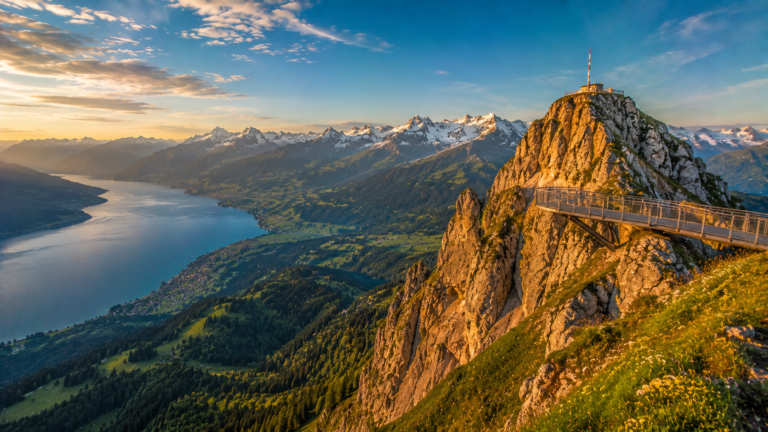
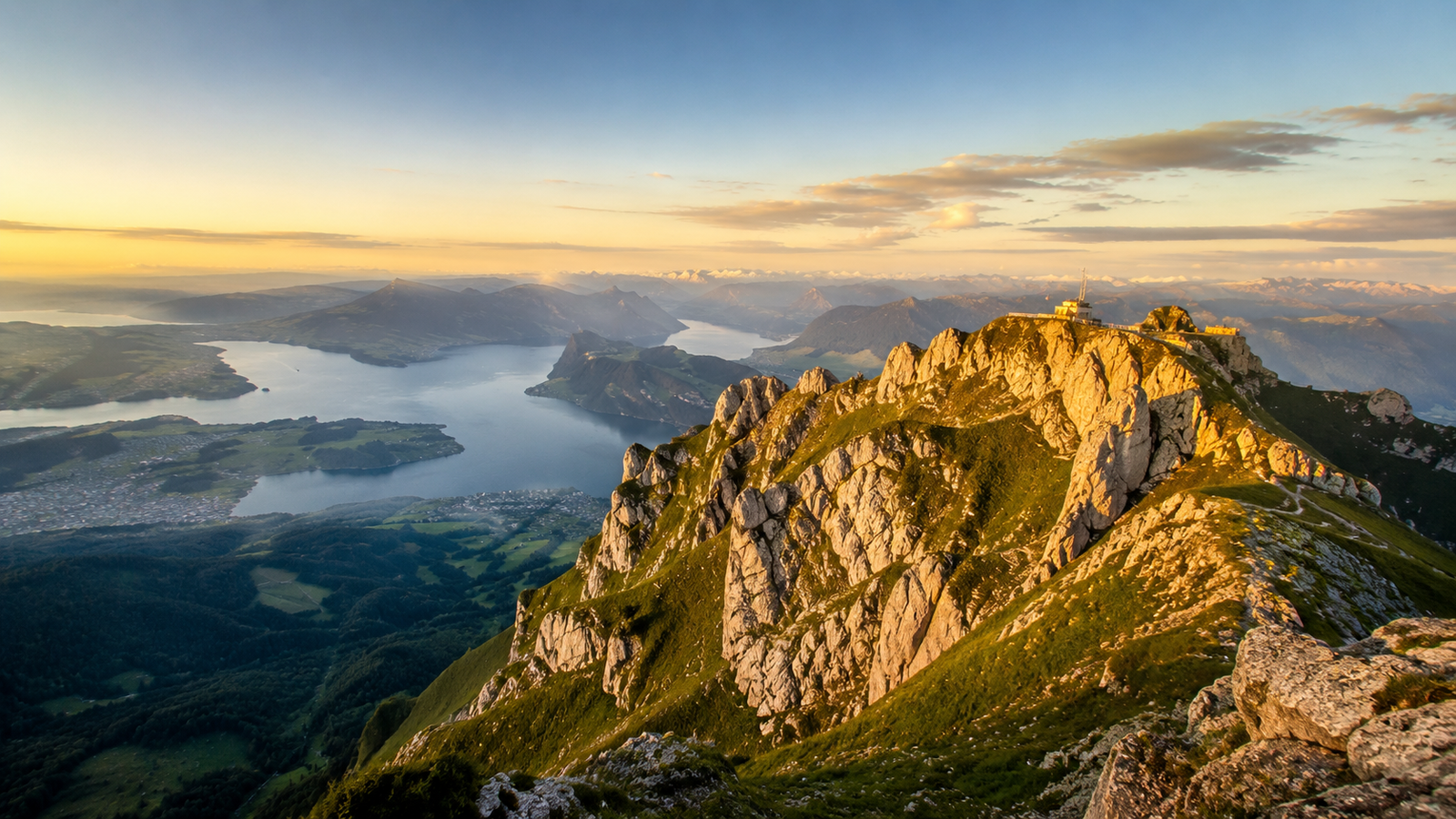
Mount Pilatus is a mountain massif located south of the city of Lucerne. Rather than consisting of a single peak, it forms a range of rugged summits and ridges that dominate the skyline of Central Switzerland. The highest point, Tomlishorn, rises to over 2,100 meters above sea level.
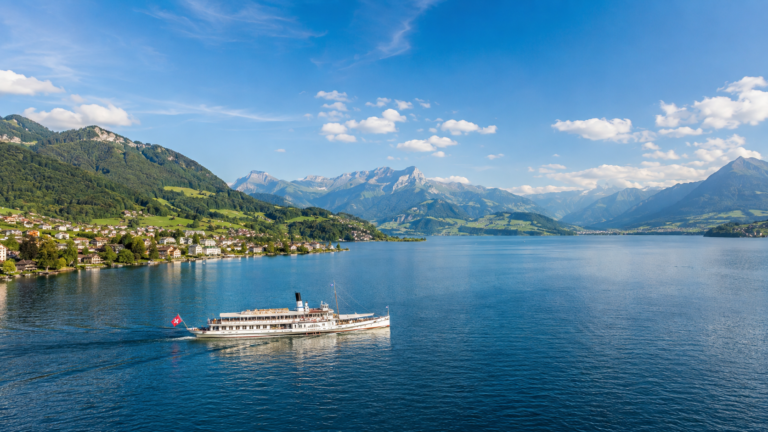
Its strategic location provides commanding views across Lake Lucerne, the surrounding countryside, and distant Alpine ranges. On clear days, visitors can enjoy sweeping panoramas that extend across much of Central Switzerland.
The mountain’s accessibility from Lucerne has played a major role in its popularity. Within a relatively short journey from the city, travelers can move from urban streets to dramatic mountain landscapes filled with cliffs, alpine meadows, and expansive viewpoints.
The Origins of the Pilatus Legends
Long before tourism transformed the mountain into a visitor destination, Pilatus was associated with local folklore and superstition.
One of the most enduring legends claimed that dragons lived among the mountain’s rocky cliffs and caves. According to local stories, these creatures possessed healing powers and occasionally appeared near villages surrounding the mountain.
Another famous tale connected the mountain to Pontius Pilate, the Roman governor associated with the trial of Jesus. Medieval traditions suggested that his restless spirit was linked to a lake hidden within the mountain. For centuries, local residents avoided disturbing the waters, believing it could trigger violent storms.
While these stories belong to folklore rather than documented history, they helped shape the mountain’s identity and continue to influence its cultural appeal today. Pilatus is still frequently referred to as the “Dragon Mountain,” a nickname embraced throughout the region.
A Landmark in Swiss Tourism History
The development of tourism on Mount Pilatus reflects Switzerland’s broader rise as an international travel destination.
By the nineteenth century, travelers from across Europe were increasingly drawn to the Alpine scenery surrounding Lucerne. Improved transportation made mountain excursions more accessible, encouraging investment in visitor infrastructure.
One of the most significant milestones came with the opening of the Pilatus Railway. Connecting Alpnachstad to the mountain, the railway remains famous for its exceptionally steep gradient. It represents one of Switzerland’s most remarkable engineering achievements and continues to attract railway enthusiasts from around the world.
Over time, hotels, observation areas, hiking routes, and cable transportation expanded the visitor experience while preserving the mountain’s natural character.
Geography and Natural Environment
Mount Pilatus forms part of the Emmental Alps and stands at the transition between Switzerland’s lower landscapes and the higher Alpine regions.
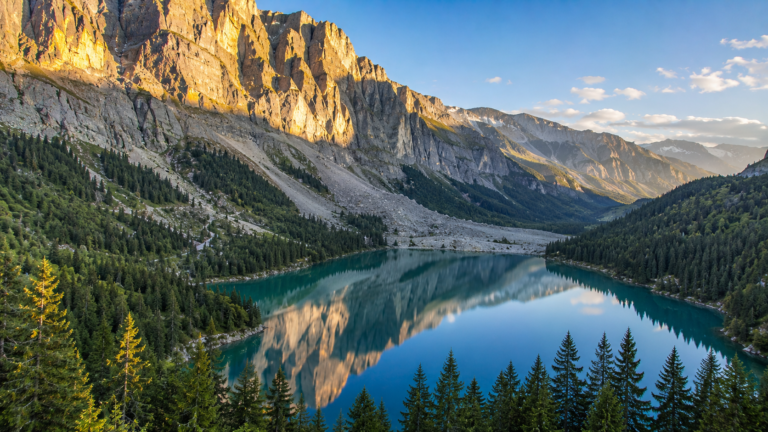
Its terrain is characterized by steep limestone formations, jagged ridgelines, and dramatic cliffs. The geological structure of the mountain has created distinctive rock formations that contribute to its rugged appearance.
The mountain supports a diverse natural environment. Lower elevations feature forests and alpine pastures, while higher areas reveal exposed rock faces and open mountain landscapes. Seasonal changes bring significant variation, with wildflowers appearing in warmer months and snow frequently covering the upper slopes during winter.
Birdlife, native Alpine plants, and changing weather conditions make Pilatus a fascinating destination for nature enthusiasts as well as casual visitors.
The Journey Is Part of the Attraction
Few mountain destinations offer as many memorable transportation experiences as Mount Pilatus.
Pilatus Railway
The Pilatus Railway is among the mountain’s defining attractions. Climbing steep slopes from Alpnachstad, it provides a dramatic ascent through forests, rocky terrain, and mountain scenery. The railway’s engineering achievement remains a highlight for many visitors.
Panoramic Gondolas and Aerial Cableways
Travelers approaching from the Kriens side can reach the summit region via a combination of gondolas and aerial cableways. These routes provide constantly changing views of forests, valleys, and surrounding mountains.
The Golden Round Trip
One of the region’s most popular excursions combines multiple forms of transportation, including lake cruises, railways, cable cars, and mountain journeys. This route showcases the variety of landscapes that define Central Switzerland.
Signature Experiences on Mount Pilatus
Panoramic Summit Views
The summit area offers spectacular viewpoints overlooking Lake Lucerne and the surrounding mountains. Observation terraces and walking paths allow visitors to experience the scenery from multiple perspectives.
Tomlishorn Trail
A well-maintained pathway leads toward Tomlishorn, the highest point of the massif. The route provides dramatic views and an opportunity to appreciate the mountain’s geological character.
Dragon-Themed Attractions
The mountain embraces its legendary reputation through exhibits and storytelling elements that celebrate local folklore. These features help visitors connect with the myths that have shaped Pilatus for centuries.
Mountain Dining
Restaurants located near the summit allow visitors to enjoy Swiss cuisine while surrounded by remarkable scenery. Dining at high altitude adds another dimension to the overall experience.
Activities Across the Seasons
Mount Pilatus offers different experiences throughout the year.
During summer, hiking becomes one of the most popular activities. Trails range from easy walks to more demanding mountain routes, providing options for visitors with varying levels of experience.
Autumn often brings clear skies and excellent visibility, creating ideal conditions for photography and sightseeing.
Winter transforms the mountain into a snowy landscape that attracts visitors seeking Alpine scenery and seasonal experiences. Snow-covered ridges and frosted forests create a dramatically different atmosphere compared with warmer months.
Spring reveals emerging greenery and wildflowers at lower elevations while higher sections of the mountain may still retain traces of winter.
Cultural Importance to Central Switzerland
Mount Pilatus is deeply connected to the identity of the Lucerne region. Its silhouette forms a defining part of the local landscape, appearing in countless photographs, paintings, and tourism materials.
The mountain also reflects the longstanding relationship between Swiss communities and their natural environment. Local traditions, folklore, and tourism history all contribute to its cultural significance.
For many residents, Pilatus is more than a scenic attraction. It serves as a symbol of regional heritage, linking modern tourism with centuries of stories and local traditions.
Planning a Visit
Most visitors use Lucerne as their base when exploring Mount Pilatus. The city’s transportation connections make access straightforward, whether arriving by train, road, or organized tour.
To maximize the experience, travelers often combine a mountain excursion with time spent exploring Lake Lucerne and the historic city center. Weather conditions can change quickly at higher elevations, so appropriate clothing is recommended regardless of season.
Comfortable footwear is advisable for anyone planning to explore summit trails or walking routes. Cameras are essential, as the mountain consistently offers outstanding opportunities for landscape photography.
Why Pilatus Continues to Captivate Travelers
Mount Pilatus offers a combination rarely found in a single destination. It provides dramatic landscapes, historic transportation, cultural significance, and centuries of fascinating folklore. Visitors can admire Alpine panoramas, ride one of Switzerland’s most famous railways, walk among rugged peaks, and discover legends that continue to inspire curiosity.
This blend of natural beauty and storytelling gives the mountain a distinctive personality. While Switzerland is home to many spectacular peaks, few possess the unique character that has made Pilatus one of the country’s most enduring and beloved attractions.