Swiss Wedding Traditions: Customs, Culture and Romance
A Celebration Shaped by Mountains and Communities
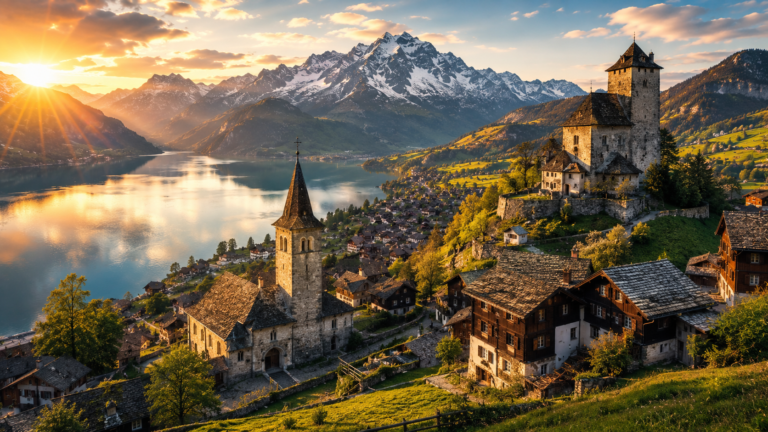
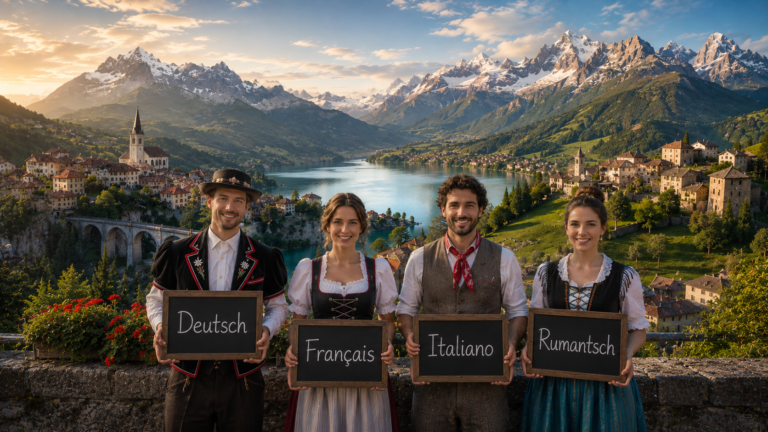
Swiss wedding traditions tell a story far richer than a simple exchange of vows. Across Switzerland’s valleys, lakeside towns, and Alpine villages, marriage customs developed over centuries within communities that often lived separated by mountains and spoke different languages. The result is a fascinating blend of traditions influenced by German, French, Italian, and Romansh cultures while maintaining a distinctly Swiss character.
Today, Switzerland is known for modern lifestyles, international cities, and world-class infrastructure. Yet many couples continue to honor customs passed down through generations. Some traditions survive as cherished family practices, while others have evolved into symbolic reminders of the country’s cultural heritage.
A Swiss wedding is often more than a personal milestone. It can also be a celebration of family, local identity, and community connections that stretch back through history.
When Marriage Was a Community Affair
For much of Swiss history, weddings were deeply connected to village life. In rural regions, marriage represented not only the union of two people but also the joining of families, farms, businesses, and social networks.
Before modern transportation made travel easy, many communities remained relatively isolated. As a result, local customs developed unique characteristics from one canton to another. Wedding ceremonies often reflected regional clothing styles, dialects, music, and religious traditions.
In farming communities, weddings frequently took place after the busiest agricultural seasons. This timing allowed relatives and neighbors to participate in celebrations that could last several days. Food, music, dancing, and communal gatherings were central parts of the event.
While modern weddings are generally shorter and more personalized, the spirit of community remains an important element of many Swiss celebrations.
The Journey to the Ceremony
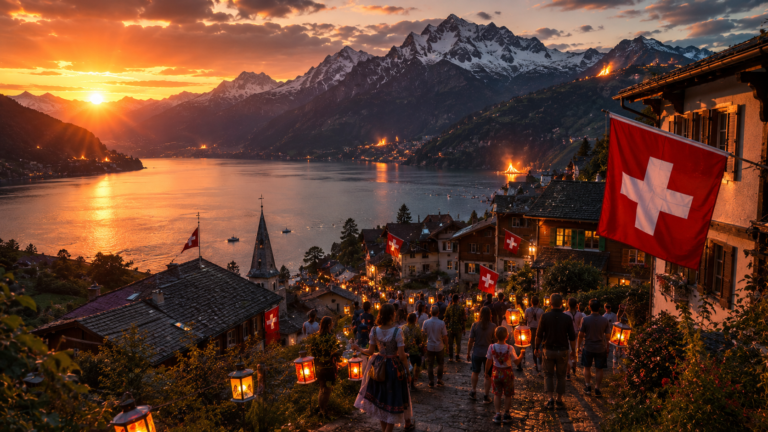
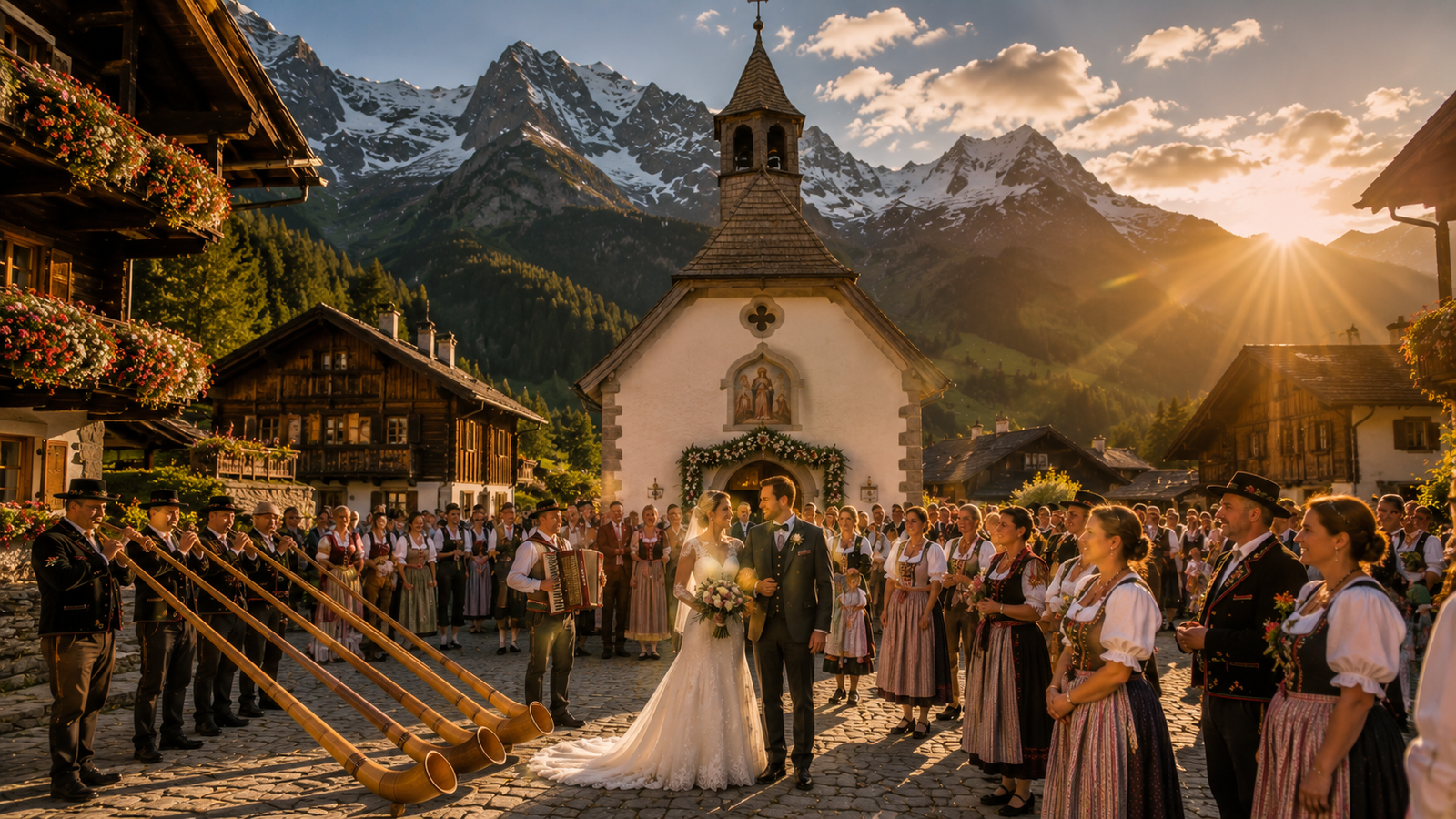
One of the most recognizable aspects of traditional Swiss weddings is the wedding procession. In various regions, friends and family accompany the couple to the ceremony, creating a festive atmosphere throughout the village.
Historically, decorated carts, horse-drawn carriages, and walking processions were common. Bells, music, flowers, and colorful clothing transformed ordinary streets into places of celebration.
In some areas, friends created playful obstacles for the couple before the wedding. These challenges were symbolic tests of teamwork and cooperation. The traditions varied widely from region to region, but they often emphasized the importance of partnership and mutual support.
Modern couples sometimes revive these customs in creative ways, blending historical elements with contemporary celebrations.
Regional Traditions Across Switzerland
One of the most fascinating aspects of Swiss wedding traditions is their regional diversity.
In German-speaking Switzerland, weddings often include folk music, community participation, and traditions connected to village life. Traditional attire may still appear during ceremonies in some rural areas and cultural festivals.
French-speaking regions often reflect influences from neighboring France while maintaining local Swiss customs. Elegant receptions, refined cuisine, and family-centered gatherings are common features.
Italian-speaking Ticino brings Mediterranean warmth to wedding celebrations. Outdoor receptions, extended family gatherings, and festive meals often play a prominent role.
In Romansh-speaking areas of Graubünden, local language and cultural identity remain important. Traditional songs and regional customs continue to be preserved through community celebrations and family events.
These differences make Swiss wedding culture remarkably diverse despite the country’s relatively small size.
The Importance of Civil Marriage
One distinctive feature of weddings in Switzerland is the legal importance of the civil ceremony.
Swiss law requires couples to complete a civil marriage ceremony before any religious wedding can take place. The legally recognized marriage occurs at a civil registry office, where official documents are signed and witnesses are present.
Many couples choose to hold a religious ceremony afterward, often on the same day or during a separate celebration. Others prefer only a civil ceremony followed by a reception with family and friends.
This approach reflects Switzerland’s emphasis on legal clarity while allowing couples the freedom to celebrate according to their personal beliefs and traditions.
Music, Bells, and Festive Sounds
Sound has long played a meaningful role in Swiss wedding celebrations.
Church bells traditionally announced wedding ceremonies, spreading news throughout the community. In Alpine regions, cowbells were sometimes incorporated into festivities, symbolizing prosperity and rural heritage.
Traditional Swiss folk music continues to appear at many weddings. Alphorns, accordions, yodeling performances, and regional musical ensembles create a distinctly Swiss atmosphere.
Even in contemporary celebrations, music serves as a bridge between past and present. Couples often combine traditional performances with modern entertainment, creating celebrations that honor heritage while reflecting personal tastes.
Food at the Heart of the Celebration
No discussion of Swiss wedding traditions would be complete without mentioning food.
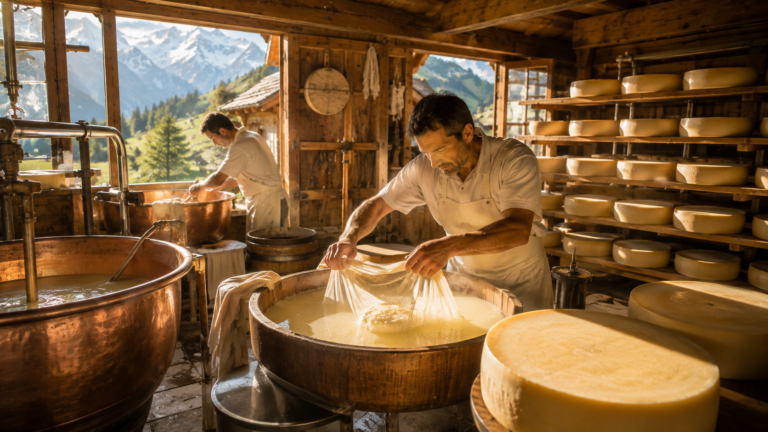
Swiss wedding feasts have historically been opportunities to showcase local products and regional specialties. Depending on the region, guests might enjoy dishes featuring cheese, cured meats, seasonal vegetables, freshwater fish, or Alpine ingredients.
Desserts are especially important. Elaborate cakes, pastries, chocolates, and confectionery creations frequently become highlights of the celebration.
In some communities, families once prepared large quantities of food together, turning wedding preparations into a collective effort. Although professional catering is common today, the emphasis on hospitality remains unchanged.
Sharing a meal continues to symbolize generosity, gratitude, and the strengthening of social bonds.
Symbols of Luck and Prosperity
Throughout Switzerland, wedding customs have often included symbols intended to bring happiness and good fortune.
Flowers play a prominent role, representing growth, beauty, and new beginnings. Decorative arrangements frequently incorporate local seasonal blooms, connecting celebrations to the surrounding landscape.
Rice, flower petals, or other symbolic items have traditionally been used to wish prosperity upon newlyweds. In certain regions, friends and family organized playful pranks or surprises designed to test the couple’s patience and teamwork.
While not all traditions survive in modern weddings, many couples continue to include symbolic elements that connect them to family history and cultural heritage.
Alpine Backdrops and Romantic Landscapes
Switzerland’s natural scenery has always influenced its wedding culture.
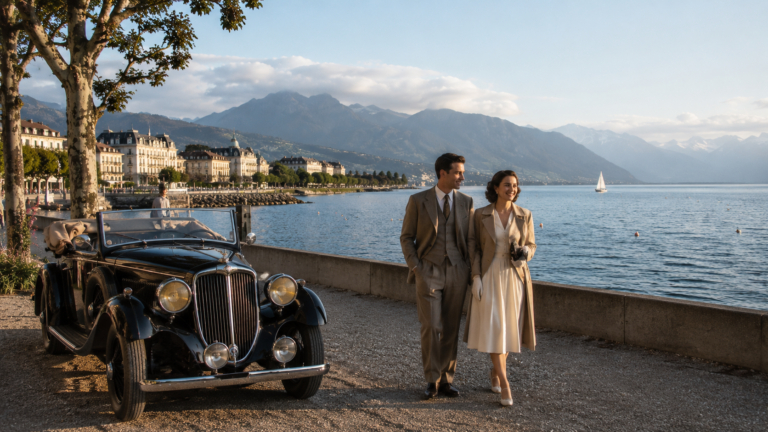
Historic churches perched on hillsides, lakeside chapels, mountain villages, and elegant city halls provide unforgettable settings for ceremonies. The dramatic landscapes that attract travelers from around the world also create extraordinary wedding locations.
Today, destinations such as Lake Lucerne, Zermatt, and St. Moritz continue to attract couples seeking memorable celebrations surrounded by Alpine beauty.
The connection between marriage and landscape remains one of the most distinctive aspects of Swiss wedding culture.
Traditions That Continue to Evolve
Swiss wedding traditions are not frozen in time. Like Switzerland itself, they continue to evolve while preserving important links to the past.
Modern couples often create celebrations that blend multiple cultural influences, reflecting the country’s multilingual society and international outlook. Traditional customs may appear alongside contemporary fashion, global cuisine, and personalized ceremonies.
What remains constant is the emphasis on family, community, commitment, and shared celebration. Whether held in a mountain village, a historic city, or beside a crystal-clear lake, Swiss weddings continue to reflect values that have shaped the country for generations.
These traditions offer more than colorful customs and beautiful photographs. They provide a window into Swiss culture itself—a culture that values heritage while embracing change, and that finds lasting meaning in bringing people together to celebrate life’s most important moments.