How Switzerland Became Neutral: The Story Behind It
A Small Mountain Nation in the Middle of Europe
Few countries are as closely associated with neutrality as Switzerland. The image is familiar around the world: a peaceful Alpine nation that avoids military alliances, stays out of foreign wars, and often serves as a meeting place for diplomacy and humanitarian efforts.
Yet Swiss neutrality did not appear overnight. It emerged over centuries of conflict, political change, and hard lessons learned on European battlefields. The story is not simply about avoiding war. It is about how a small country surrounded by powerful neighbors found a way to protect its independence while navigating some of the most turbulent periods in European history.
Today, neutrality is one of the defining features of Switzerland’s national identity, but its roots stretch deep into the medieval past.
When Swiss Soldiers Were Feared Across Europe
During the late Middle Ages, the Swiss Confederation was far from neutral.
The early Swiss cantons gained a reputation as fierce and highly disciplined fighters. Victories against powerful rivals such as the Habsburgs helped strengthen the confederation and gave Swiss troops an almost legendary status across Europe.
By the fifteenth and early sixteenth centuries, Swiss mercenary soldiers were among the most sought-after warriors on the continent. Thousands served in foreign armies, fighting in conflicts that often had little connection to their homeland.
Military success brought prestige and wealth, but it also exposed the Swiss Confederation to growing risks. As European powers became stronger and wars became more complex, involvement in foreign conflicts increasingly threatened the stability of the confederation itself.
A turning point would soon change Switzerland’s relationship with war forever.
The Battle That Changed Everything
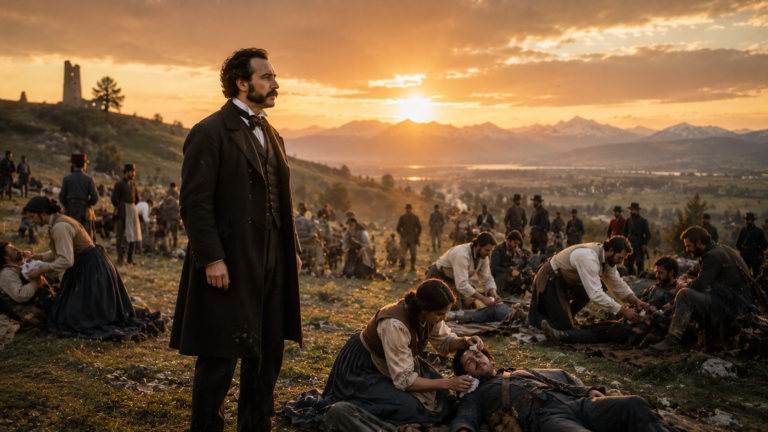
In 1515, Swiss forces suffered a devastating defeat at the Battle of Marignano near Milan in present-day Italy.
The battle pitted Swiss troops against the forces of French King Francis I. After intense fighting, the Swiss army was defeated, ending a period of aggressive military expansion.
Historians often identify Marignano as a crucial moment in Swiss history. While the confederation did not immediately adopt formal neutrality, the defeat encouraged Swiss leaders to rethink the benefits of military intervention beyond their borders.
Rather than seeking territorial expansion, the cantons increasingly focused on maintaining internal stability and protecting their existing lands.
The battle became a powerful historical lesson. It demonstrated the limits of military ambition and helped shape a political culture that favored caution in foreign affairs.
Surviving an Age of European Rivalries
The centuries that followed were marked by religious conflicts, dynastic struggles, and shifting alliances throughout Europe.
Switzerland itself was deeply affected by the Protestant Reformation. Divisions emerged between Catholic and Protestant cantons, creating internal tensions that occasionally erupted into conflict.
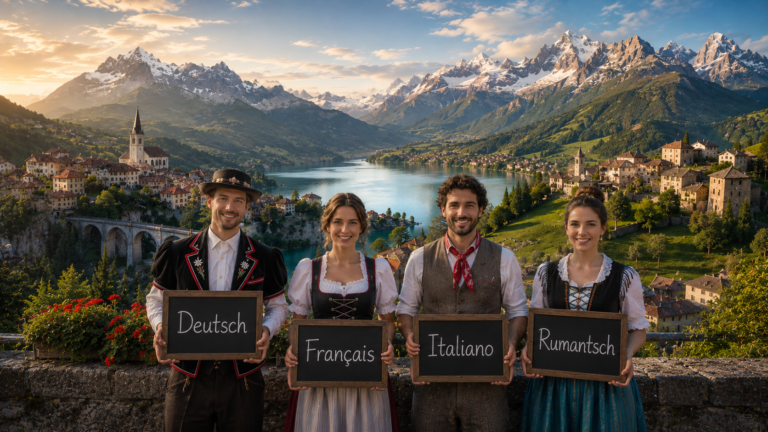
Despite these challenges, the confederation gradually avoided becoming fully entangled in major European wars. Maintaining balance between different regions, languages, and religious communities became increasingly important.
Geography also played a role. Surrounded by mountains and positioned at the crossroads of Europe, Switzerland occupied territory that many larger powers preferred to keep stable rather than see controlled by a rival.
This practical reality helped support the gradual development of a neutral stance.
Napoleon and the End of the Old Order
Swiss neutrality faced one of its greatest tests during the Napoleonic era.
In 1798, French revolutionary forces invaded Switzerland and established the Helvetic Republic. The traditional confederation was dismantled, and Swiss independence was significantly reduced.
For many Swiss citizens, this period demonstrated how vulnerable the country could become when caught between competing European powers.
After years of political upheaval and warfare, Napoleon eventually restored a degree of autonomy through the Act of Mediation in 1803. However, Switzerland’s future remained uncertain until the defeat of Napoleon reshaped Europe once again.
The events of this era convinced many leaders that a stronger international recognition of Swiss neutrality was necessary for long-term security.
The Decision Made in Vienna
The most important milestone in the history of Swiss neutrality came in 1815.
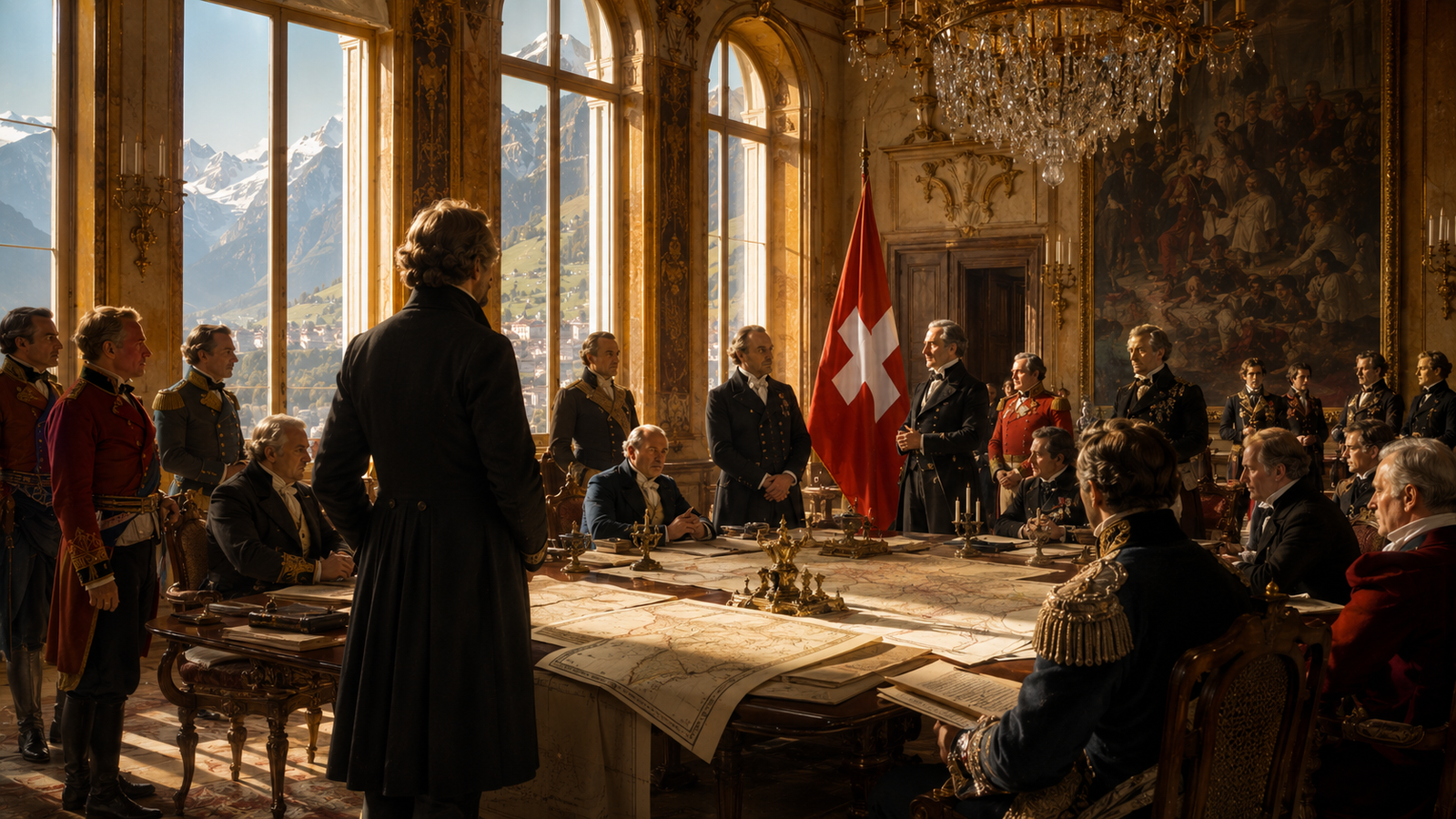
Following Napoleon’s defeat, European leaders gathered at the Congress of Vienna to redraw the political map of Europe. Representatives from the major powers sought ways to maintain stability and prevent future continent-wide conflicts.
One solution was the formal recognition of Switzerland’s permanent neutrality.
The great powers—including Austria, Prussia, Russia, Britain, and France—agreed that an independent and neutral Switzerland would serve as a useful buffer state in the center of Europe.
The declaration was not merely symbolic. It granted Switzerland international recognition as a permanently neutral country and helped secure its territorial integrity.
This diplomatic decision laid the foundation for modern Swiss foreign policy and remains one of the most significant moments in the country’s history.
Neutrality Tested by World Wars
Recognition in 1815 did not guarantee an easy future.
Throughout the nineteenth and twentieth centuries, Europe experienced major political upheavals, revolutions, and devastating wars.
During both World War I and World War II, Switzerland remained officially neutral despite being surrounded by countries involved in the fighting.
The challenges were immense. Switzerland mobilized its military, strengthened border defenses, and prepared for potential invasion.
During World War II in particular, the country faced intense pressure from Nazi Germany and Fascist Italy. While Switzerland avoided occupation, historians continue to debate aspects of its wartime policies, including financial relations, refugee policies, and diplomatic decisions.
These discussions demonstrate that neutrality is rarely simple. It often requires difficult choices and complex compromises.
Nevertheless, Switzerland’s ability to remain outside direct military conflict reinforced the country’s reputation as a neutral state.
More Than Staying Out of War
Many people assume neutrality means complete isolation from international affairs. Switzerland’s experience tells a different story.
Swiss neutrality does not prevent participation in humanitarian efforts, diplomacy, or international cooperation.
Instead, neutrality primarily means refraining from joining military alliances or participating in wars between other states.
This position has allowed Switzerland to serve as a trusted intermediary in international disputes. Over the decades, Swiss diplomats have represented foreign interests, hosted peace negotiations, and facilitated dialogue between countries that lacked direct relations.
The country’s role as host to numerous international organizations further reflects this tradition.
Geneva and Switzerland’s Humanitarian Legacy
Swiss neutrality helped create conditions that supported another important aspect of the country’s global identity: humanitarian action.
The founding of the International Committee of the Red Cross by Henri Dunant in Geneva during the nineteenth century strengthened Switzerland’s reputation as a place dedicated to humanitarian principles.
Today, Geneva is home to major international institutions, including the European headquarters of the United Nations and numerous global organizations.
The city’s international character reflects Switzerland’s long-standing role as a neutral meeting ground where cooperation can continue even during periods of geopolitical tension.
Why Neutrality Still Matters
Modern Switzerland is deeply integrated into the global economy and actively participates in international diplomacy. Yet neutrality remains a central part of the country’s identity.
The policy continues to evolve as new challenges emerge, including cyber security, international sanctions, and shifting geopolitical alliances.
Debates occasionally arise about how neutrality should be interpreted in the twenty-first century. Some argue for stricter neutrality, while others believe Switzerland should play a more active role in addressing international crises.
Despite these discussions, public support for neutrality remains strong.
For many Swiss citizens, neutrality represents more than a foreign policy doctrine. It symbolizes independence, stability, self-determination, and a commitment to peaceful coexistence.
A Legacy Forged Through History
The story of how Switzerland became neutral is not the story of a single treaty or political decision. It is the result of centuries of experience shaped by warfare, diplomacy, geography, and survival.
From the battlefields of Renaissance Italy to the negotiations of the Congress of Vienna, Switzerland gradually discovered that its greatest strength was not military expansion but political independence.
That choice transformed a small Alpine confederation into one of the world’s most recognizable neutral states. More than two centuries after its formal recognition, Swiss neutrality continues to influence how the country sees itself—and how the world sees Switzerland.