Switzerland’s Most Beautiful Alpine Villages
Where Switzerland Feels Most Timeless
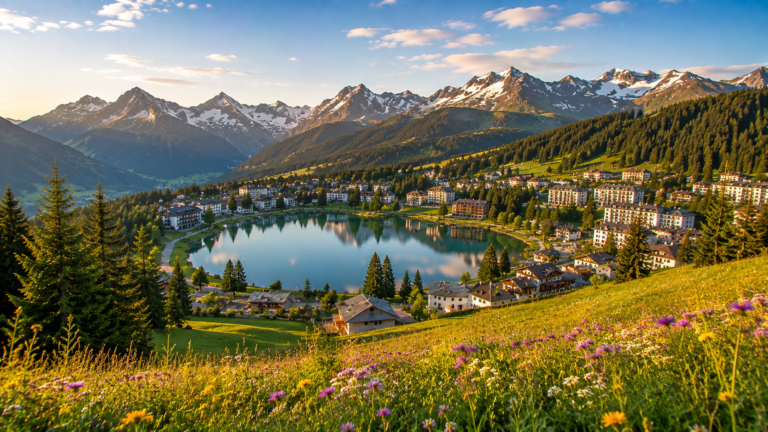
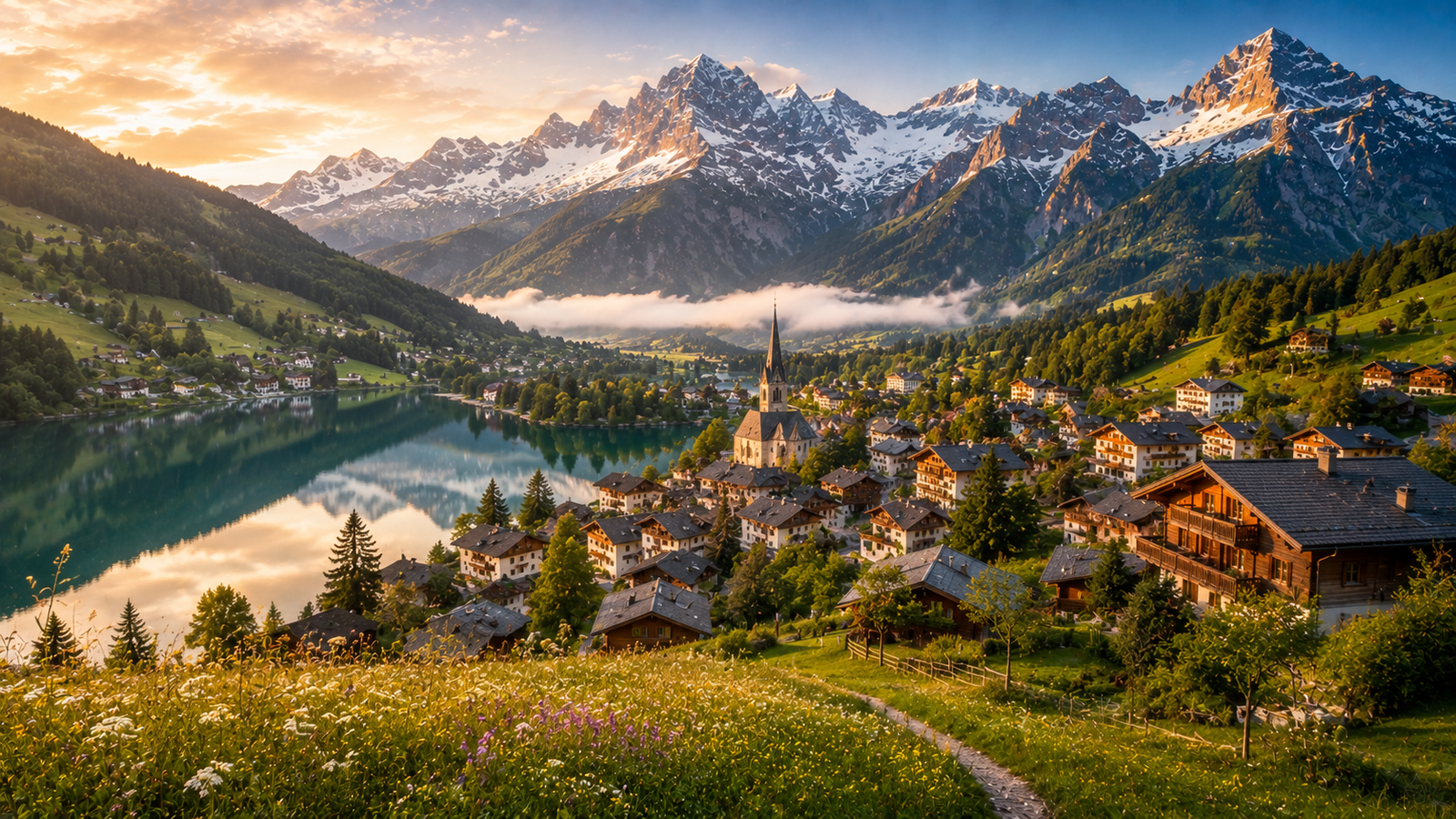
There are places in Switzerland where time seems to move at a gentler pace. Wooden chalets stand beneath towering peaks, church bells echo across green valleys, and centuries-old traditions remain woven into daily life. While cities such as Zurich and Geneva attract international attention, many travelers discover that the true spirit of Switzerland lives in its Alpine villages.
Scattered across valleys, lakeshores, and mountain slopes, these communities offer a glimpse into a landscape shaped by nature, history, and culture. Some have become world-famous destinations, while others remain peaceful retreats hidden among the mountains. Together, they reveal why Switzerland is often regarded as one of the most beautiful countries in the world.
Zermatt and the Shadow of the Matterhorn
Few villages possess a setting as dramatic as Zermatt.
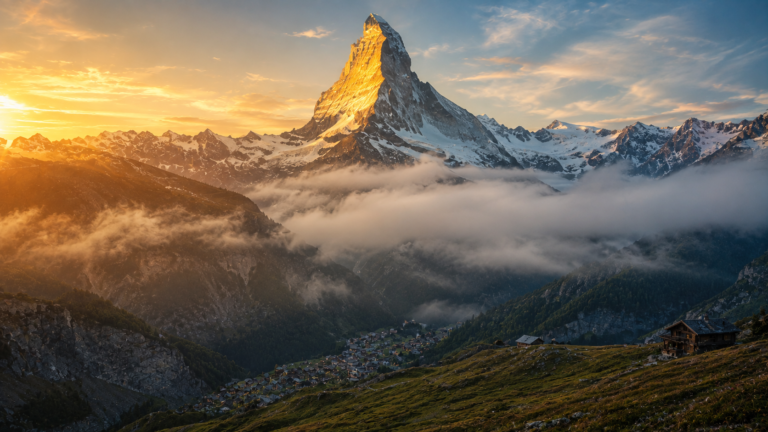
Located in the canton of Valais near the Italian border, this mountain village sits beneath the iconic Matterhorn, one of the world’s most recognizable peaks. The mountain’s distinctive pyramid shape dominates the skyline and has become a symbol of Switzerland itself.
What makes Zermatt especially appealing is its commitment to preserving its Alpine character. Most private combustion-engine vehicles are prohibited, helping maintain clean air and a peaceful atmosphere. Visitors explore narrow streets lined with traditional wooden houses, many built centuries ago on stone foundations.
Throughout the year, Zermatt attracts hikers, climbers, photographers, and skiers. Yet despite its international reputation, the village still retains a sense of authenticity rooted in mountain life.
Lauterbrunnen’s Valley of Waterfalls
Some destinations seem almost too beautiful to be real. Lauterbrunnen is one of them.
Nestled within a deep valley in the Bernese Oberland, the village is surrounded by sheer rock cliffs and dozens of waterfalls. The most famous, Staubbach Falls, plunges dramatically from high above the valley floor.
The scenery inspired writers, artists, and travelers long before modern tourism arrived. Wide meadows, traditional farmhouses, and towering mountain walls create one of Switzerland’s most memorable landscapes.
Lauterbrunnen also serves as a gateway to nearby mountain communities such as Wengen, Mürren, and the Jungfrau region, making it an ideal base for exploring some of the country’s most spectacular scenery.
Mürren Above the Clouds
Perched on a natural terrace high above Lauterbrunnen Valley, Mürren feels wonderfully removed from the modern world.
Accessible primarily by cable car and mountain railway, the village enjoys extraordinary views of the Eiger, Mönch, and Jungfrau peaks. Without regular car traffic, visitors can wander peaceful streets framed by flower-filled balconies and traditional chalets.
The village has long been associated with mountaineering and outdoor adventure. During summer, hiking trails connect Mürren with Alpine meadows and panoramic viewpoints. In winter, the surrounding mountains transform into a popular ski destination.
Yet the village’s greatest attraction may simply be its atmosphere. Watching sunrise illuminate the surrounding peaks is an experience many travelers never forget.
Grindelwald and the Heart of the Bernese Alps
Few Alpine villages combine accessibility and dramatic scenery as successfully as Grindelwald.
Located beneath the imposing north face of the Eiger, Grindelwald has welcomed visitors for generations. The village balances traditional Swiss character with modern tourism infrastructure, making it one of the country’s most popular mountain destinations.
Green pastures stretch toward rugged cliffs and glaciers, while hiking paths lead visitors through some of the most impressive landscapes in the Alps. During winter, snow-covered slopes attract skiers from around the world.
Despite its popularity, Grindelwald retains its connection to the agricultural traditions that shaped the region long before tourism became a major industry.
Appenzell’s Living Traditions
Not all Swiss villages are defined by towering mountains. Appenzell offers something equally fascinating: a vibrant cultural identity that remains deeply connected to its past.
Located in northeastern Switzerland, the village is known for its colorful buildings, decorated facades, and strong local traditions. The surrounding countryside features rolling hills rather than dramatic Alpine peaks, creating a different but equally captivating landscape.
Traditional music, regional cuisine, and local festivals remain important parts of community life. Visitors often notice how proudly residents preserve customs passed down through generations.
Appenzell provides a reminder that Switzerland’s beauty lies not only in its mountains but also in its cultural diversity.
Guarda and the Quiet Side of Graubünden
In southeastern Switzerland, the village of Guarda offers a glimpse into the Romansh-speaking heritage of the canton of Graubünden.
Perched above the Lower Engadine Valley, Guarda is famous for its beautifully preserved houses decorated with traditional sgraffito artwork. Narrow lanes wind between historic buildings that appear largely unchanged from centuries past.
The village gained international recognition through the beloved Swiss children’s story “Schellen-Ursli,” but its appeal extends far beyond literature.
Surrounded by Alpine landscapes and protected cultural traditions, Guarda represents one of Switzerland’s most authentic mountain communities.
Morcote Along the Shores of Lake Lugano
Switzerland’s beauty is not confined to high mountain valleys. Morcote, located in the Italian-speaking canton of Ticino, reveals a different side of the country.
Set along the shores of Lake Lugano, the village combines Mediterranean influences with Swiss precision and charm. Stone arcades, historic churches, narrow alleys, and lakeside promenades create an atmosphere unlike anywhere else in Switzerland.
Palm trees and mild weather contribute to the village’s distinctive character. Visitors often feel as though they have stepped into a different world while remaining firmly within Swiss borders.
The surrounding hills provide spectacular viewpoints overlooking the lake and distant mountains.
Wengen’s Alpine Elegance
Situated on a sunny plateau above Lauterbrunnen Valley, Wengen offers some of the finest mountain panoramas in Switzerland.
Like nearby Mürren, the village is largely car-free, helping preserve its peaceful atmosphere. Elegant chalets, traditional hotels, and spectacular views have made Wengen a favorite destination for more than a century.
The village is particularly famous for hosting one of the world’s most prestigious ski races, yet it remains equally attractive during summer when wildflowers cover the surrounding meadows.
Its combination of natural beauty and timeless charm continues to attract travelers from across the globe.
Why These Villages Continue to Inspire
Each of Switzerland’s Alpine villages tells a different story.
Some grew from farming communities. Others developed as trading centers, mountaineering hubs, or tourism destinations. Yet all share a strong connection to the landscapes surrounding them.
Visitors are drawn not only by dramatic scenery but also by the sense of continuity these villages represent. Traditional architecture, local customs, and community life remain visible parts of daily existence.
In a rapidly changing world, these places offer something increasingly rare: authenticity.
Exploring Switzerland One Village at a Time
The most beautiful Alpine villages in Switzerland are more than scenic destinations. They are living communities where history, culture, and nature exist side by side.
Whether standing beneath the Matterhorn in Zermatt, listening to waterfalls in Lauterbrunnen, wandering the colorful streets of Appenzell, or watching sunlight dance across Lake Lugano in Morcote, visitors encounter different expressions of Swiss identity.
Together, these villages form a remarkable mosaic stretching across the country. They reveal why Switzerland continues to captivate travelers generation after generation and why its mountain landscapes remain among the most admired in the world.